Last updated November 17, 2026



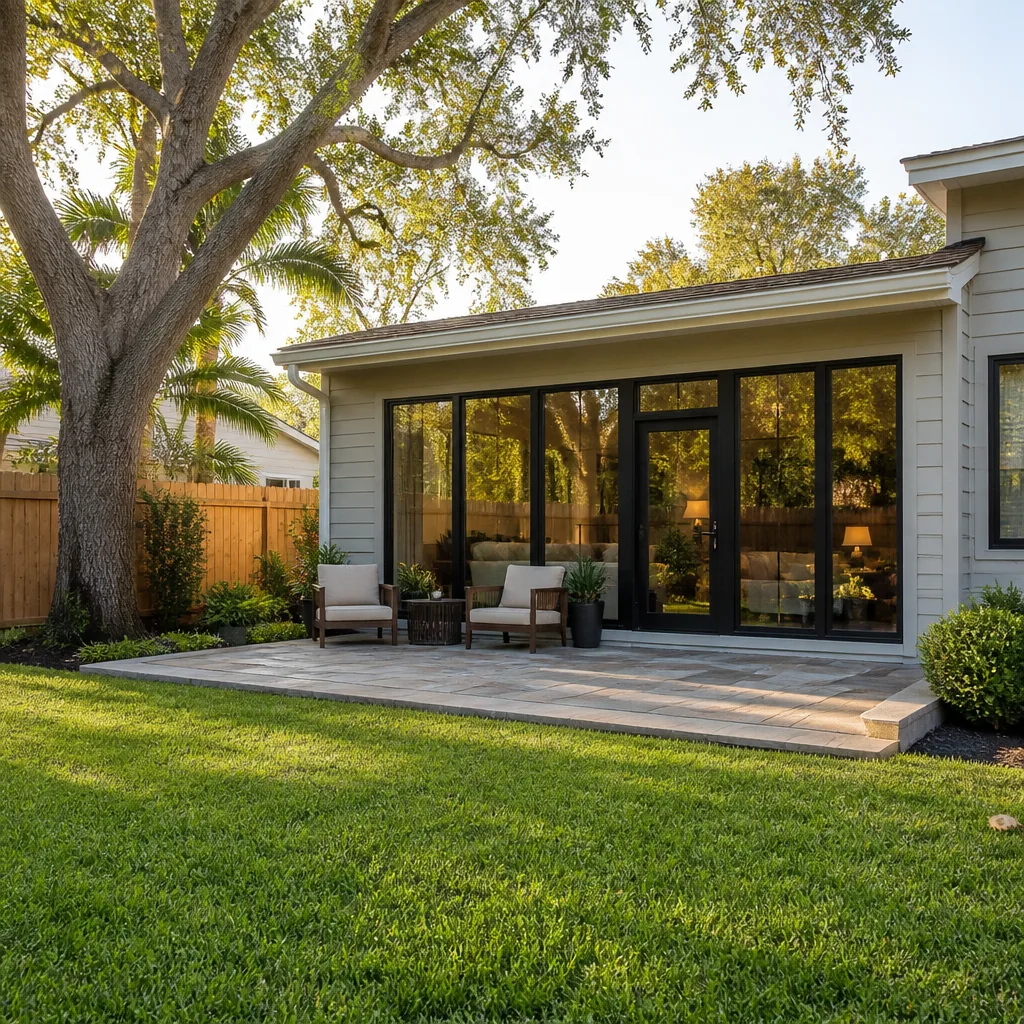


Free written scope consultation - allowances, timeline, and change-order rules on paper before a single trade is scheduled
Seasonal Construction Care for Huntington Beach: Year-Round Homeowner’s Guide
Here’s the counterintuitive part about owning a house in Huntington Beach: our mild weather is harder on your home than a Chicago winter. Santa Ana wind events can drop relative humidity below 10%, then the summer marine layer parks it near 85% for weeks. That swing works on caulk, wood, stucco and paint all year, and it doesn’t announce itself the way a blizzard does. Damage accumulates quietly until a window sill is soft to the touch or a stucco crack has been letting water into the wall for two rainy seasons. This guide walks you through a quarter-by-quarter care schedule tuned to the actual Huntington Beach coastal microclimate, from post-rain inspection in January to Santa Ana prep in October.
Quick Answer
Huntington Beach homes need seasonal attention organized around four cycles: post-rain inspection in January through March, marine-layer prep in April through June, UV and heat checks in July through September, and Santa Ana wind prep in October through December. The work is mostly small and cheap when done on schedule, and expensive when it’s skipped, because marine air and dry wind cycles stress the same building components in opposite directions. A written seasonal log of each system turns future repair-or-replace decisions into facts instead of guesses.
Styles & brands we work with
- Kitchen remodeling
- Bathroom remodeling
- Home additions & ADU
- Roofing
- Windows & doors
- Driveway & pavers
- Fence
Table of Contents
- Q1 (January – March): Post-Rain Inspection Priorities
- Q2 (April – June): Getting Ready for Marine Layer Season
- Q3 (July – September): Heat, UV, and What the Sun Does at the Coast
- Q4 (October – December): Santa Ana Wind Prep
- Building a Seasonal Log a Contractor Can Actually Use
- Materials That Hold Up to Huntington Beach Air
- Common Mistakes to Avoid
- When to Call a Professional
Q1 (January – March): Post-Rain Inspection Priorities
The rainy season in Huntington Beach is short, usually concentrated between December and March, but a single storm can push water into places that stay damp for months. The week after the last significant rain is the most valuable inspection window of the year. Walk the exterior with a notepad and a phone camera, and check these in order:
- Stucco weep screeds. That’s the metal lip at the bottom of the stucco wall that lets trapped moisture drain out. If it’s buried under soil, mulch or a raised patio slab, water wicks back into the wall assembly and shows up later as a soft baseboard inside.
- Roof kick-out flashing. Look where the roof slope meets a sidewall. Water needs a diverter to shoot past the wall instead of running down behind the stucco. Missing kick-outs are one of the most common hidden leaks we find on Huntington Beach homes.
- Slab-on-grade moisture. Most of the city’s mid-century and tract housing sits on slab. Check interior baseboards along exterior walls for staining, cupping or a musty smell after rain. That’s often irrigation or grading, not a slab failure, but it needs to be traced.
- Window and door perimeters. Press a screwdriver handle into the wood trim below windows. Soft spots mean water has been sitting there.
Write down what you find and the date. That log becomes the most useful document you own when you eventually need a repair-or-replace call. If you need a second set of eyes on structural items, our General Contractor in Huntington Beach team can walk the exterior with you and put findings in writing.
Q2 (April – June): Getting Ready for Marine Layer Season
From May through June, Huntington Beach sits under the marine layer: cool, damp air that holds near 85% relative humidity for weeks at a time. That’s the season that punishes window seals, paint adhesion and anything that traps moisture against a surface. Do this work before the fog settles in.
Window seals
Check the glazing putty and weatherstrip on every exterior window. Failed seals let damp air into the wall cavity, where it meets warm interior air and condenses. If your windows are original aluminum sliders, the seals are likely the weak point. Replacement units from Therma-Tru or Mr-Glass hold up better to coastal humidity than patched originals, and we spec them when a window is beyond a simple reseal.
Exterior paint adhesion
Press a strip of tape onto painted trim, pull it off, and look at what comes with it. Chalky or peeling paint under the marine layer means moisture is getting behind the film. Scrape, prime and repaint before fog season, not after. Late spring is the right window because the surface has dried out from winter rain.
HVAC condensate lines
In high humidity the AC condensate line runs more than usual. Clear the drain pan and the line, and check for standing water in the pan. A clogged line in June means water damage in August.
If your to-do list is turning into a remodel, our Bathroom Remodeling in Huntington Beach team handles moisture-driven tear-outs, and we put a written price in front of you before any demo starts.
Q3 (July – September): Heat, UV, and What the Sun Does at the Coast
Summer in Huntington Beach is not Phoenix hot, but the UV index stays high from June through September, and the sun here does its damage slowly and cumulatively. The marine layer burns off by mid-morning, then eight to ten hours of direct sun hit the roof, deck and south and west elevations. Here’s what to check:
- Roofing membrane and flashing. Look for granule loss on asphalt shingles, cracking at pipe boots, and lifted flashing at the chimney. UV bakes the sealant on flashing joints even when the shingles are fine.
- Deck coatings. Wood and composite decks take UV at the coast. A penetrating oil or film coating applied in spring buys you a summer. Skip it and the boards gray and check by fall.
- Composite versus wood trim. Composite trim (like James Hardie products) holds color and resists moisture far better than wood in Huntington Beach, but it still fades under UV and needs repainting on a cycle. Wood trim swells and shrinks with the marine layer and cracks at the joints where water gets in. If your trim is original wood and showing splits, replacement is usually cheaper than repeated repairs.
- Exterior caulk joints. UV degrades caulk faster than moisture does. Run a finger along window and door joints; if the caulk is hard or pulling away, it needs to come out and go back in before fall.
Aim the exterior work for early morning and keep a written record of what you coated and when. If your kitchen is on the fall remodel list, our Kitchen Remodeling in Huntington Beach team books summer estimates for work that starts after the heat breaks.
Q4 (October – December): Santa Ana Wind Prep
Santa Ana winds arrive in fall and winter, bringing hot dry air from the interior that can push relative humidity below 10% and gust hard enough to rattle loose flashing. The prep work is about fire resistance, air sealing and keeping the wind from finding the weak points in your envelope.
- Attic ember-resistant venting. Screen over attic and soffit vents stops wind-driven embers from entering. This is the highest-value fall task in a fire-prone region, and it’s cheap.
- Dryer vent cleaning. Lint buildup is a fire hazard that dry Santa Ana air makes worse. Clean the full run, not just the trap.
- Exterior door and window weatherstrip replacement. Gaps that were tolerable in humid summer leak heat and let wind-driven dust in during a Santa Ana event. Worn weatherstrip also stresses the door frame, which is where marine air and dry wind cycle damage compounds.
- Gutter and downspout clearing. Fallen leaves plus the first rain equals overflow at the weep screed, right back to the Q1 problem.
This is the quarter when a Penhallow Remodeling Huntington Beach home walkthrough pays off, because we can flag envelope issues before wind season and quote them in writing while the schedule is open.
Building a Seasonal Log a Contractor Can Actually Use
Every homeowner we meet wants to make smart repair-versus-replace calls. The bottleneck is information: nobody can tell you whether a window failed this year or has been leaking for five if there’s no history. A seasonal log fixes that in about ten minutes per quarter. Here’s how to build one that a contractor can actually read:
- Create one page per system: roof, stucco and walls, windows and doors, deck, HVAC, plumbing, electrical.
- Log the date, what you observed, and a photo. Note the weather in the prior two weeks (rain, marine layer, Santa Ana wind).
- Log every repair with the product used and the name of the installer.
- Note the manufacturer and model of anything installed (windows, siding, decking) so future replacements can match or upgrade cleanly.
Three years of entries tell a contractor whether a problem is a one-time event or a pattern, which is exactly the difference between a $400 repair and an $8,000 replacement. When you hand the log to our team at an estimate, the recommendation gets sharper and the price gets more honest.
Materials That Hold Up to Huntington Beach Air
Huntington Beach building stock ranges from 1950s tract homes near Main Street to newer builds east toward the Santa Ana River. Whatever the house, coastal humidity and dry wind cycles favor certain materials. We specify these when the budget allows because they reduce callbacks.
- Siding and trim: James Hardie fiber cement outlasts wood trim at the coast because it doesn’t swell and shrink with the humidity swing.
- Windows and doors: Therma-Tru entry doors and Mr-Glass window units both handle coastal moisture better than patched originals, and we’ve installed enough of them along the coast to know which finishes hold color.
- Countertops and cabinetry: Cambria quartz and KraftMaid or Wellborn cabinetry hold up to interior humidity without the swelling issues you get with some solid wood lines.
- Decking: High-density composite resists UV better than oil-finished wood, but it still needs a cleaning cycle. No coating survives the summer sun untouched.
We source materials from recognized trade brands (Kohler, Moen, Caesarstone and others) so the products behind our guarantee are as solid as the promise. That’s the Kingswell standard we work under: written price before the work, a real arrival window, and a clean job site.
Common Mistakes to Avoid
- Treating a mild climate as low-maintenance. The humidity swing in Huntington Beach is what damages homes, not the temperature. Skip caulk and paint cycles and you’ll pay for it at the wall assembly.
- Buried weep screeds. Adding soil, mulch or a raised patio over the weep screed is one of the most common errors we correct. It looks fine for years and then rots the bottom of the wall.
- Repairing instead of replacing failed caulk joints. Smearing new caulk over old hard caulk does nothing. It needs to come out and go back in with a flexible coastal-rated product.
- Skipping the dryer vent cleaning. Dryer lint in a Santa Ana wind event is a real fire risk, and it’s a ten-minute job.
- No written log. A verbal repair history is worth nothing at the moment you need a repair-or-replace call. Write it down.
- Patching original windows instead of planning replacement. On original aluminum sliders, repeated resealing costs more than one planned replacement, especially with Therma-Tru or ViewLux options that fit the coastal climate.
- Ignoring the marine layer when painting. Painting into fog traps moisture under the film, and it peels within a year. Wait for a dry forecast window.
When to Call a Professional
Most seasonal care is homeowner work: inspecting, caulking, cleaning gutters. But a few situations need a licensed professional. Call us when you find soft stucco around a window, recurring interior moisture after rain, a roof with missing kick-out flashing or lifted shingles, or a window that’s leaking at the frame rather than at the seal. Slab moisture that repeats in the same spot every rainy season needs diagnosis, not another patch. And any remodel that touches framing, plumbing or electrical should run through a contractor who pulls permits and puts the price in writing first. Penhallow Remodeling Huntington Beach offers free estimates in Huntington Beach – call (888) 329-8145. Every project gets a written price before work starts, a background-checked and uniformed technician, and our 365-Day Done Right Promise in writing.
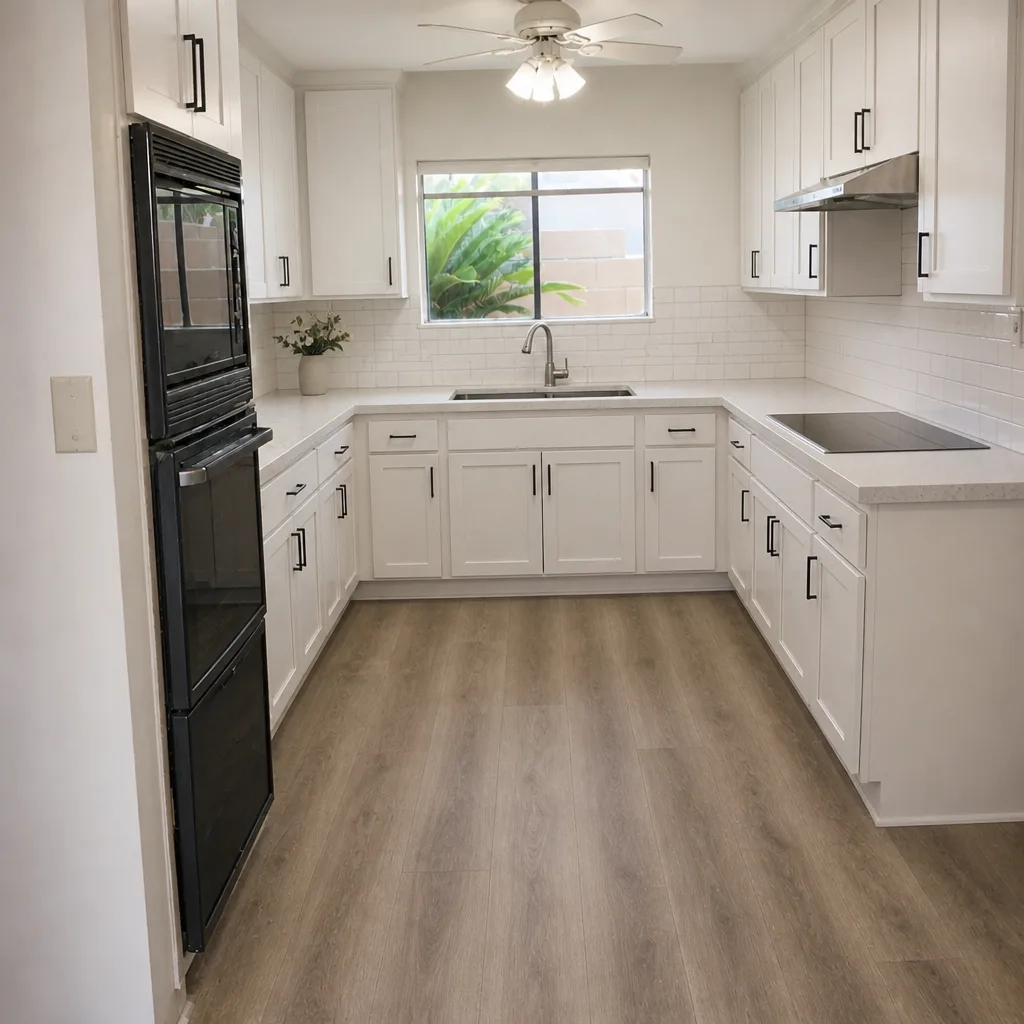
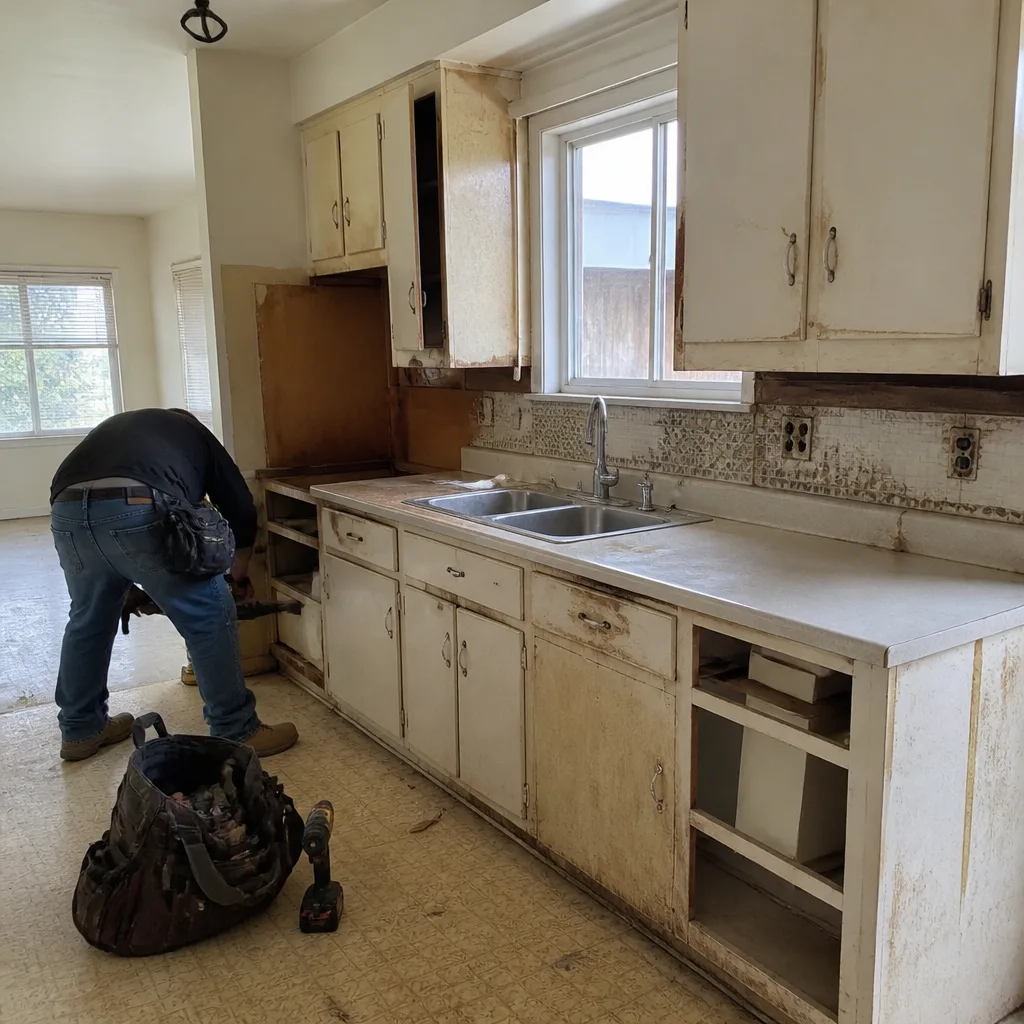
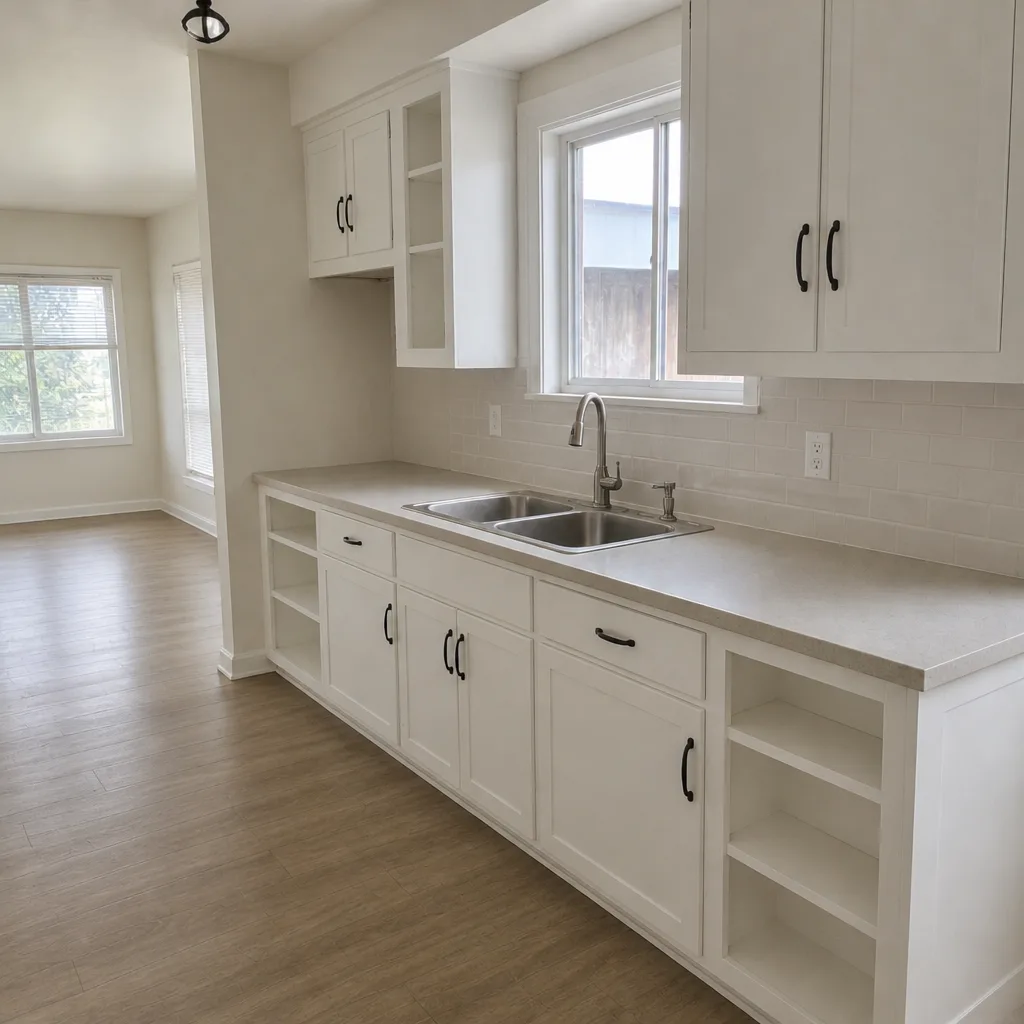
See the difference
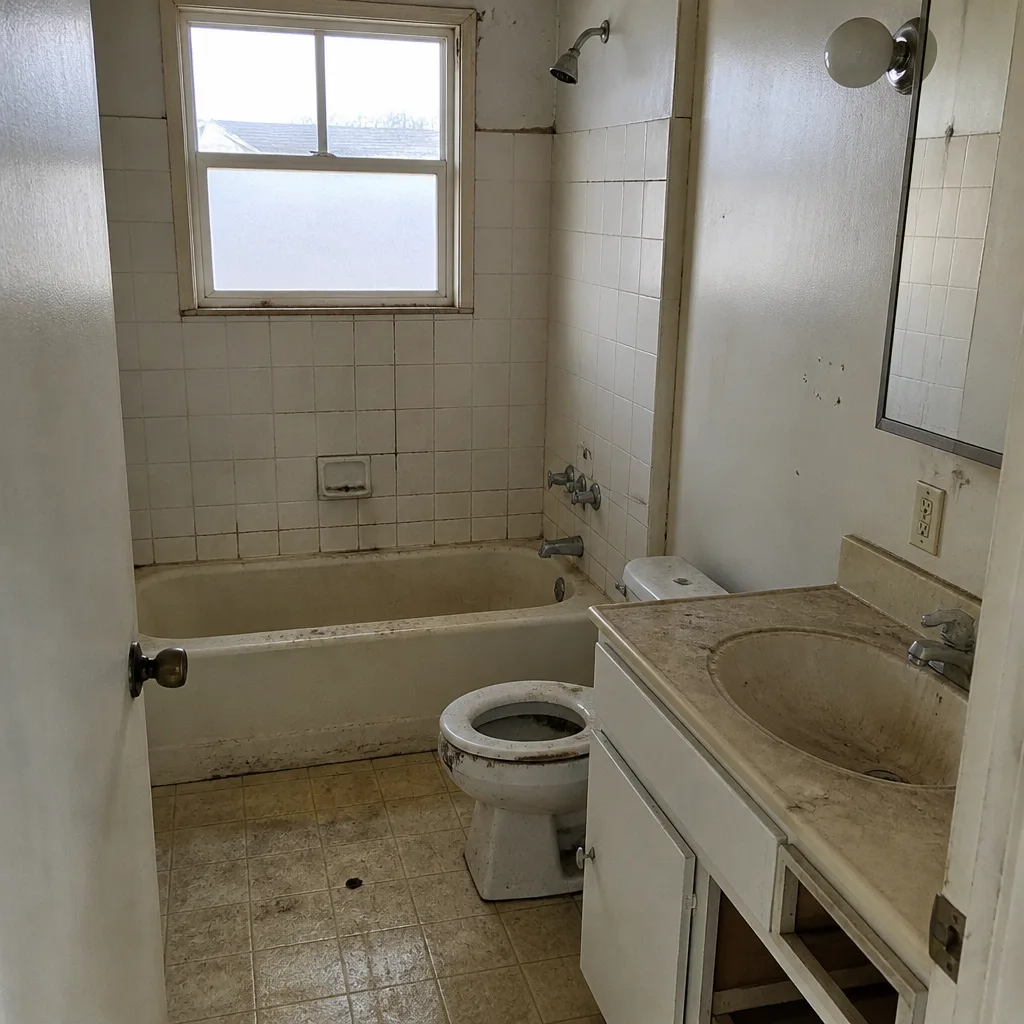 Before
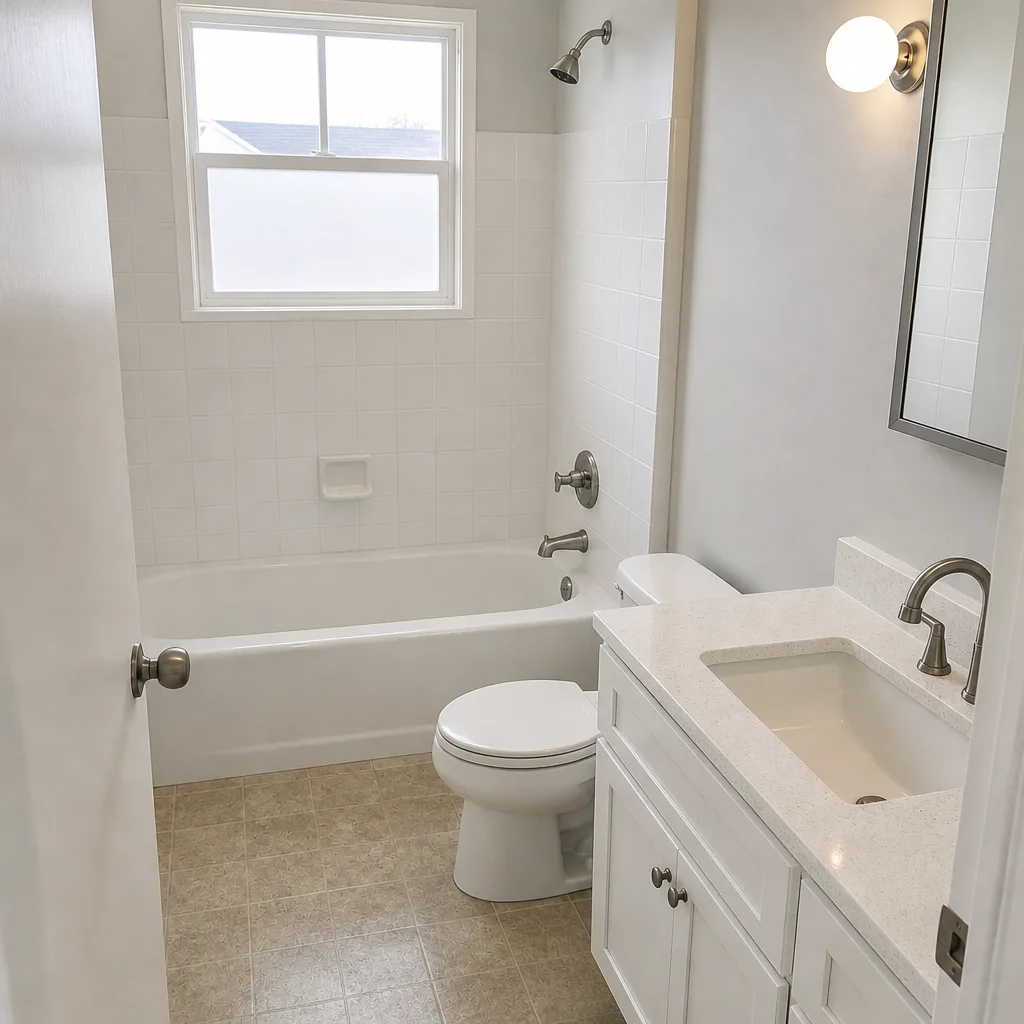 After
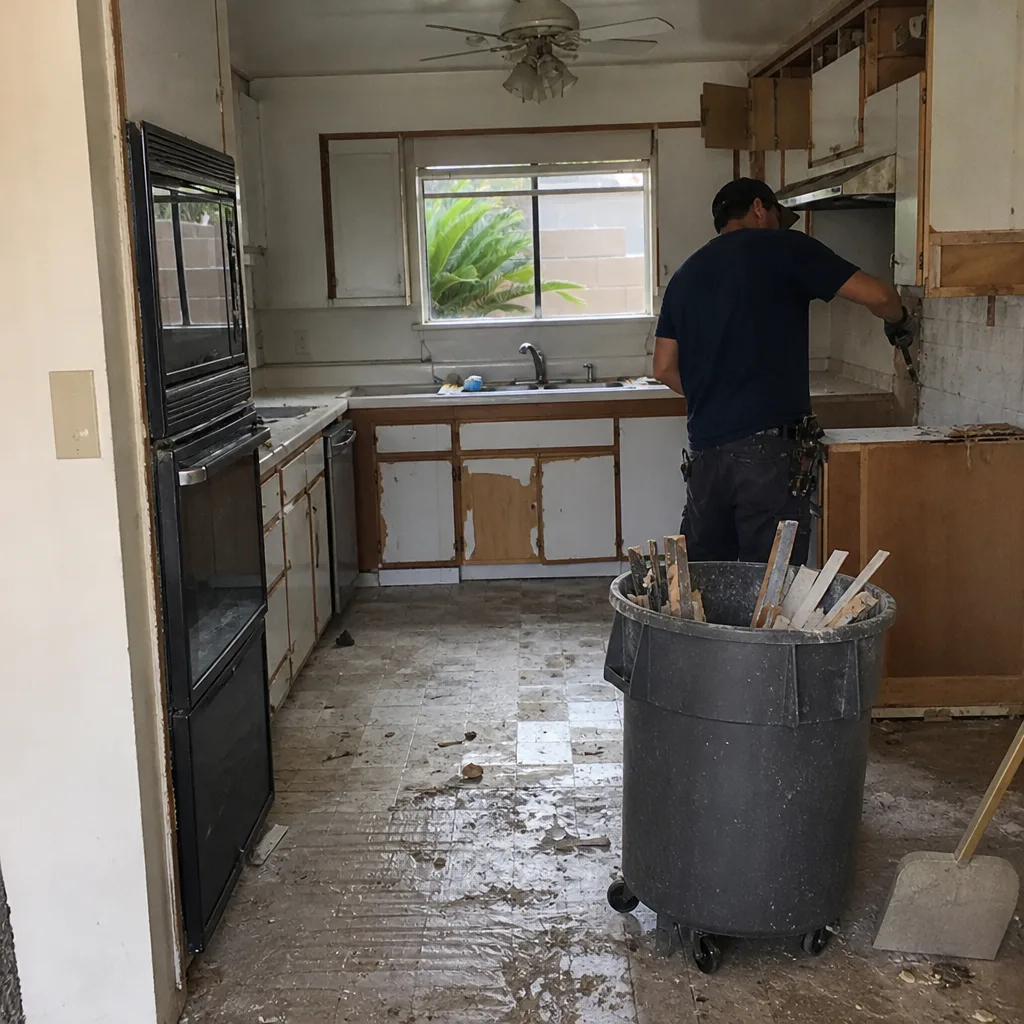 Before
 After
 Before
 After
Frequently Asked Questions

Four times a year, once per quarter, aligned to the four cycles above. The single most valuable inspection is the week after the last significant rain in January or February, because that’s when water damage is fresh and easiest to trace. A second short walk after marine layer season in June catches seal and paint failures before UV heat bakes them into the wall. Call (888) 329-8145 to schedule a free exterior walkthrough.
Because the humidity swing here is wide and constant. Santa Ana winds push relative humidity below 10% and the marine layer holds it near 85%, and that back-and-forth expands and contracts caulk joints until the bead pulls away. Inland homes see a similar swing but less of the maritime side. Inspect caulk every spring and fall and replace any joint that’s hard or separated. If you want an honest read on which joints are past saving, call us for a free estimate.
Yes: attic ember-resistant venting, dryer vent cleaning, and exterior door and window weatherstrip replacement. Santa Ana events combine low humidity with hard gusts, and ember intrusion is the biggest fire risk. Worn weatherstrip lets wind-driven dust and heat into the house and can damage door hardware. Our team can quote vent screening and weatherstrip replacement in writing. Call (888) 329-8145 for a free estimate.
Composite, in most cases along Huntington Beach. Wood trim swells and shrinks with the marine layer and cracks at the joints where water gets in, and it needs repainting on a shorter cycle. James Hardie fiber cement handles coastal humidity better and holds color longer. We install both, and we’ll put the real cost of each option in writing so you can compare. Call (888) 329-8145 to talk through the tradeoffs.
Reseal if the frame is solid and the seal or glazing putty has failed. Replace if the frame is soft, if the unit is an original aluminum slider past its useful life, or if it’s leaking at the perimeter rather than the seal. On Huntington Beach original-stock homes, replacement with Therma-Tru or Mr-Glass units usually pays back in repeated reseal costs. Get a written price on both paths before deciding.
Three things: the age of the system, the number of repairs in the seasonal log, and whether the failure is chronic or one-time. A roof with three patches in two seasons is a replacement. A single leak after a torrential storm is a repair. Bring your log to the estimate. Our team will put the recommendation and price in writing before any work starts. Call (888) 329-8145.
The Bottom Line
Huntington Beach doesn’t have dramatic seasons, which is exactly why homeowners miss the damage marine air and Santa Ana wind cycles do over twelve months. Four inspections a year, tied to the real coastal microclimate, catch almost everything before it becomes a five-figure repair: weep screeds and kick-out flashing in Q1, seals and paint in Q2, UV and deck coatings in Q3, ember venting and weatherstrip in Q4. Keep a written log. Replace what’s past saving. When it’s time to call, get a written price and a written guarantee before any work starts. Our technicians have up to 22 years of experience, and every job carries our 365-Day Done Right Promise.
Ready to get a real read on your home? Call (888) 329-8145 for a free estimate. A live person answers around the clock, and you’ll have a written price before we pick up a tool.
Written by the team at Penhallow Remodeling Huntington Beach.