
Last updated November 17, 2026








Free written scope consultation - allowances, timeline, and change-order rules on paper before a single trade is scheduled
Bathroom Remodeling Maintenance Schedule: What to Do and When
The average bathroom caulk joint fails between 18 months and 3 years after installation, and because it fails gradually rather than catastrophically, most homeowners don’t notice until water has already reached the substrate behind the tile. That’s the quiet problem with a new bathroom: everything looks perfect, so nobody checks. In Huntington Beach, where marine air keeps indoor humidity higher than most of Orange County, that failure clock runs a little faster. This guide gives you a month-by-month first-year calendar, a grout sealing schedule by type, and the ten-minute monthly check that catches most problems while they’re still cheap to fix.
Quick Answer
Maintain a remodeled bathroom on a simple rhythm: inspect caulk and grout every month, reseal grout every 6 to 12 months depending on grout type, clean the exhaust fan filter every 3 months, and check all supply lines and shutoff valves once a year. Most of these tasks take under ten minutes. Doing them on schedule is also what keeps your contractor’s workmanship warranty valid, since nearly every warranty document includes maintenance conditions.
Styles & brands we work with
- Kitchen remodeling
- Bathroom remodeling
- Home additions & ADU
- Roofing
- Windows & doors
- Driveway & pavers
- Fence
Table of Contents
- The Predictable Failure Sequence (and How to Interrupt It)
- Your First-Year Bathroom Maintenance Calendar, Month by Month
- The Grout Sealing Schedule by Grout Type
- Why Huntington Beach Humidity Changes Your Maintenance Frequency
- What Preserves Your Workmanship Warranty and What Voids It
- The 10-Minute Monthly Bathroom Check
- Common Mistakes to Avoid
- When to Call a Professional
The Predictable Failure Sequence (and How to Interrupt It)
A bathroom almost never fails all at once. It fails in order, and the order is consistent enough that we plan around it. First the caulk goes: the flexible seal at the tub edge, the shower corners, the base of the toilet. It shrinks, pulls away from the surface, and opens a hairline channel. Second, grout follows, especially on shower floors and around the drain where water sits longest. Third comes hardware: the towel bar that loosens, the shower door roller that stiffens, the faucet aerator that clogs. Fixtures fail last, usually years later.
Here’s the part most people miss. Each stage makes the next stage faster. A failed caulk joint sends water behind the tile, and that water works on the substrate (the moisture-resistant layer behind your tile) whether or not you can see it. By the time a soft spot or a musty smell shows up, you’re looking at a repair that costs many times what a tube of silicone and twenty minutes would have.
Interrupting the sequence is the entire point of a maintenance schedule. If you re-caulk before the joint opens, you never feed the grout failure. If you catch loose grout before water gets behind it, the substrate stays dry. This applies to any bathroom, but it matters most in the coastal neighborhoods of Huntington Beach, where the air holds more moisture and every joint works a little harder. If you’re planning a bathroom remodel in Huntington Beach, building the maintenance routine into the project from day one is the cheapest insurance you’ll ever buy.
Your First-Year Bathroom Maintenance Calendar, Month by Month
The first year after a remodel is the most important, because that’s when installation materials settle. New caulk cures and shrinks slightly in the first weeks. Grout releases the last of its moisture over the first few months. Shutoff valves that were turned during the project sometimes weep at the packing nut. Here’s what to check and when.
Months 1 – 2: After the first full month, run a finger along every caulk joint. A slight dip is normal as the caulk cures. A gap you can see daylight through, or a joint that peels when you press it, is not. Check that the exhaust fan pulls air: hold a square of toilet paper near the grille; it should hold against the grille. Keep the bathroom well ventilated for the first two weeks after the job, which helps caulk and grout cure properly.
Months 3 – 4: Clean the exhaust fan filter and grille for the first time. Inspect grout lines in the shower floor and around the drain; fine hairline cracks in new grout sometimes appear as it fully cures. Note anything wider than a hairline.
Months 5 – 6: Test every shutoff valve under the sink and behind the toilet by turning it gently a quarter turn and back. Open and close the shower door or tub diverter. Check that the toilet base caulk (if used) hasn’t separated.
Months 7 – 9: Deep-clean grout with a pH-neutral cleaner, not an acid-based product. Look at the vanity seal where it meets the floor and wall. In coastal Huntington Beach homes, this is when you may first notice surface mold on caulk in a poorly ventilated bathroom: a sign to increase fan run time.
Months 10 – 12: Reapply grout sealer if your grout type calls for annual sealing. Re-caulk any joint showing separation. Do a full re-test of valves, drains, and fan performance. Photograph everything and keep the photos with your warranty paperwork.
The Grout Sealing Schedule by Grout Type
Grout sealing is where most advice online falls apart, because “seal your grout every year” is wrong for at least one of the three common types. Here’s the schedule that actually applies.
- Sanded grout (the coarse, sandy grout used on wider joints, typically 1/8 inch and up): seal every 6 to 12 months, and check at the 6-month mark for shower floors. It’s the most absorbent of the three.
- Unsanded grout (smooth grout for narrow joints, walls, and delicate tile): seal every 12 months. It absorbs less than sanded but still needs protection in a wet room.
- Epoxy grout (a two-part resin grout that doesn’t absorb water): does not need routine sealing at all. If someone sells you an annual epoxy grout seal, walk away.
On products: a penetrating solvent-based or water-based sealer is what actually works. These soak into the grout and block water from inside, and you’ll know it worked because water beads on the surface for a few months. What’s marketing filler: any “sealer and enhancer” that leaves a shiny film, and colorant sealers sold as protection. Film-forming products sit on top of grout and peel within a season.
One test before you buy anything: drip a few drops of water on the grout. If the water beads, the sealer is holding. If it soaks in dark, it’s time to reseal. This is the same test we run during a bathroom remodel in Huntington Beach before we hand the room back, so homeowners know what “sealed” looks like when it’s fresh.
Why Huntington Beach Humidity Changes Your Maintenance Frequency
Coastal Huntington Beach sits with one foot in the marine layer, and that changes the math on bathroom maintenance compared to an inland home. Average relative humidity near the beach runs higher year-round, and on a foggy morning a room with an open window can pull in more moisture than a house in Fullerton ever sees. A bathroom that dries out slowly gives mold and mildew more time to establish, and it gives caulk more time to stay soft and pick up dirt.
What that means in practice for a Huntington Beach home:
- Exhaust fan filter cleaning every 3 months, not 6. A clogged filter slows airflow, and slower airflow means a wetter room.
- Caulk inspection monthly rather than quarterly in bathrooms without an operable window. Silicone handles humidity well, but it’s the first line to degrade when a room stays damp.
- Mirror seal checks. Where a mirror meets the wall, the sealant keeps humidity from working into the backing. A mirror that fogs on the edges after a shower and stays fogged is a hint it needs attention.
- Run the fan 20 minutes after every shower, not just during. In beach-adjacent zip codes this single habit changes how often everything else on this list needs doing.
An inland Huntington Beach home, further from the water, will usually get double the interval between checks that a beachside one does. The rule of thumb: the closer you live to the sand, the shorter the interval. If you’re weighing a full bathroom remodel in Huntington Beach, tell your contractor which way your bathroom faces and how close you are to the water; a good crew will choose materials and ventilation with that in mind. If you’re considering a full home remodel in Huntington Beach, the same humidity logic applies to every wet room in the house.
What Preserves Your Workmanship Warranty and What Voids It
Here’s a sentence that surprises most homeowners: virtually every workmanship warranty document has maintenance conditions buried in it, and failing them can void coverage. Before you file the paperwork in a drawer, read the maintenance section with a highlighter.
What typically preserves coverage:
- Keeping the record of maintenance you did, with dates and photos. A simple note on your phone works.
- Resealing grout per the schedule above and re-caulking joints as they fail.
- Using pH-neutral cleaners, not acidic or abrasive products that eat sealer and grout.
- Calling the contractor when you first spot a problem, rather than after months of water intrusion.
What commonly voids coverage (this varies by contract, so check yours):
- Unapproved alterations or DIY “fixes” to the original installation.
- Using the bathroom as a construction staging area or storing chemicals in the room.
- Ignoring a leak or caulk failure until water damage spreads. Most warranties treat neglect as the homeowner’s responsibility.
The good news from our side: a proper workmanship guarantee is written to reward exactly the routine this guide describes. Under the Kingswell Guarantee, every job comes with a written guarantee, and if the work fails inside the guarantee period, we come back and fix it at no charge. For a single repair, a free return visit applies too, with no service call fee if the repair fails. Pair that with a written price before any work starts, and you know what’s covered going in. This is also why we ask homeowners to read the maintenance sheet we leave behind with the invoice; it’s short, and it keeps the warranty intact.
The 10-Minute Monthly Bathroom Check
This is the routine that catches the majority of problems before they get expensive. A slow walk around the room in sequence, no tools. Ten minutes, once a month.
- Under the sink (2 minutes): Open the cabinet, run the faucet, look at the supply lines and shutoff valves. Dry is good; a single droplet or a green/white crust means a fitting needs attention.
- The toilet base (1 minute): Press the base gently with your foot. Wobble means a loose closet bolt; dampness around the base means the wax ring may be failing.
- Tub and shower caulk (2 minutes): Run a finger along the tub edge and shower corners. A soft, chalky feel or a visible gap means re-caulk is due.
- Shower floor grout (1 minute): Look for hairline cracks and dark, always-damp patches near the drain. Damp that won’t dry is the earliest sign of a leak under the tile.
- The shower door or curtain track (1 minute): Open and close it. Stiff rollers and loose brackets are a hardware failure waiting to happen.
- The exhaust fan (1 minute): Listen to the sound. A new rattle or a drop in airflow means a dirty filter or a failing motor.
- The mirror edge (1 minute): Check the sealant line for gaps or peeling. Fog that lingers on the edge is a warning sign.
- The ceiling and walls (1 minute): Look up. Any new stain, bubbling paint, or soft spot means moisture is getting where it shouldn’t. This one earns its keep in Huntington Beach’s humid months.
Any item that reads “not normal” the first time is worth a call. If you want to keep a running record, a simple checklist in a notes app works fine; it also serves as maintenance evidence if you ever need a warranty claim. For bigger questions about system checks, a general contractor in Huntington Beach can advise on what’s worth inspecting beyond the bathroom.
Common Mistakes to Avoid
- Letting caulk fail quietly. Most homeowners only re-caulk when the gap is obvious, but the failure starts as a hairline a month earlier. Check the joint by feel, not by eye.
- Sealing epoxy grout. This does nothing and costs money. Epoxy grout doesn’t absorb water and doesn’t need a sealer.
- Using bleach and vinegar on grout. Both degrade sealers, and vinegar attacks grout itself. A pH-neutral cleaner does the job without the damage.
- Skipping the exhaust fan filter. In coastal Huntington Beach, a clogged filter turns a properly drying room into a damp one, which accelerates every failure on this list.
- Ignoring the toilet base. A wobbling base is a five-minute fix if caught early and a subfloor repair if not.
- Repairing on top of wet substrate. If a soft spot or persistent damp patch is already there, re-caulking over it traps the moisture in. Fix the cause first.
- Losing the warranty paperwork. Read the maintenance conditions and keep the sheet with your project files; it tells you what the contractor will and won’t cover.
See the difference
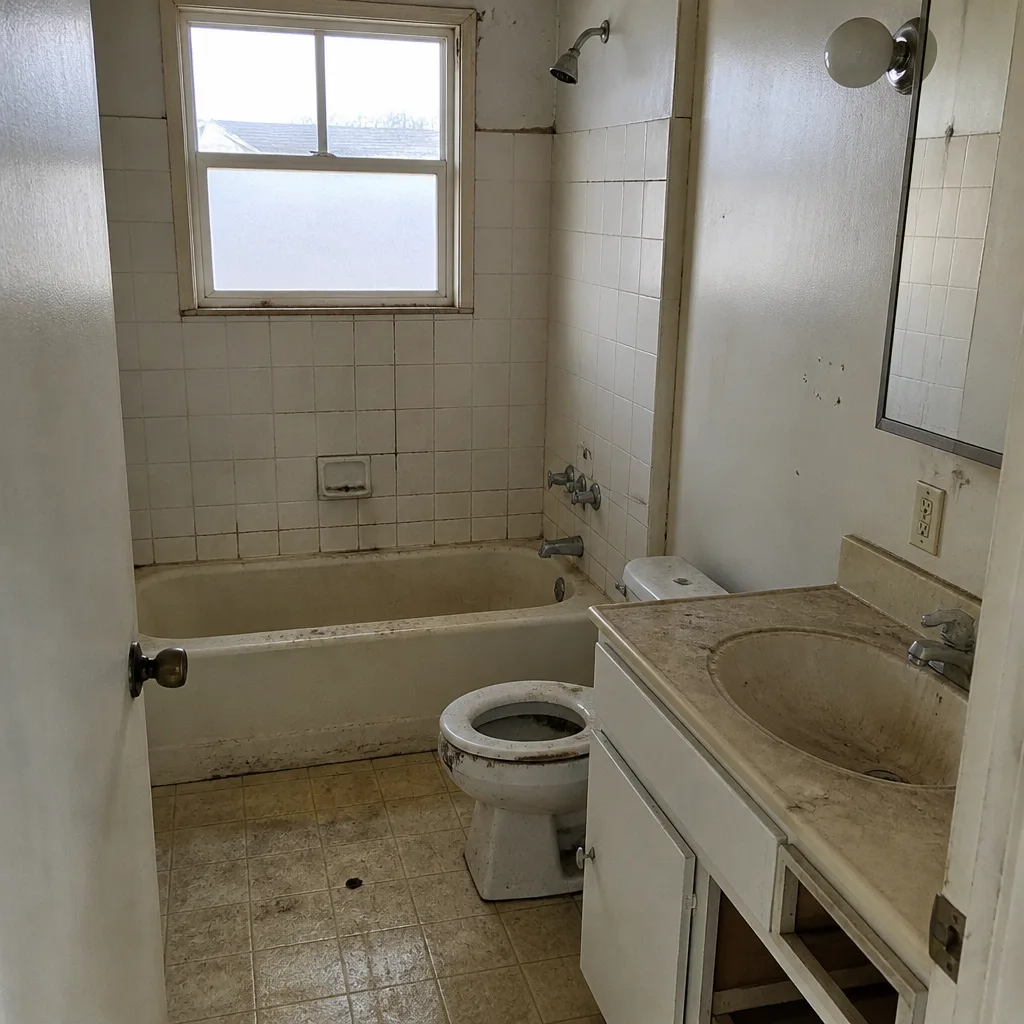 Before
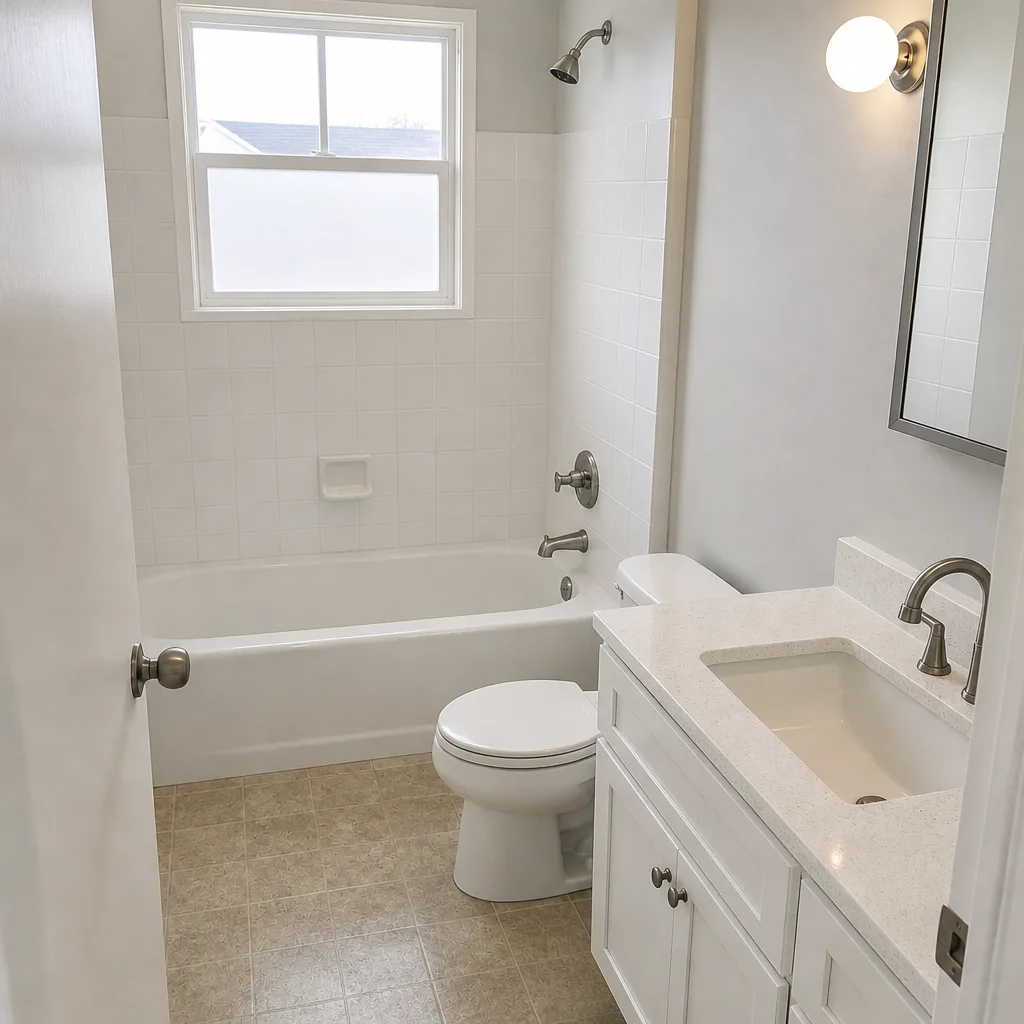 After
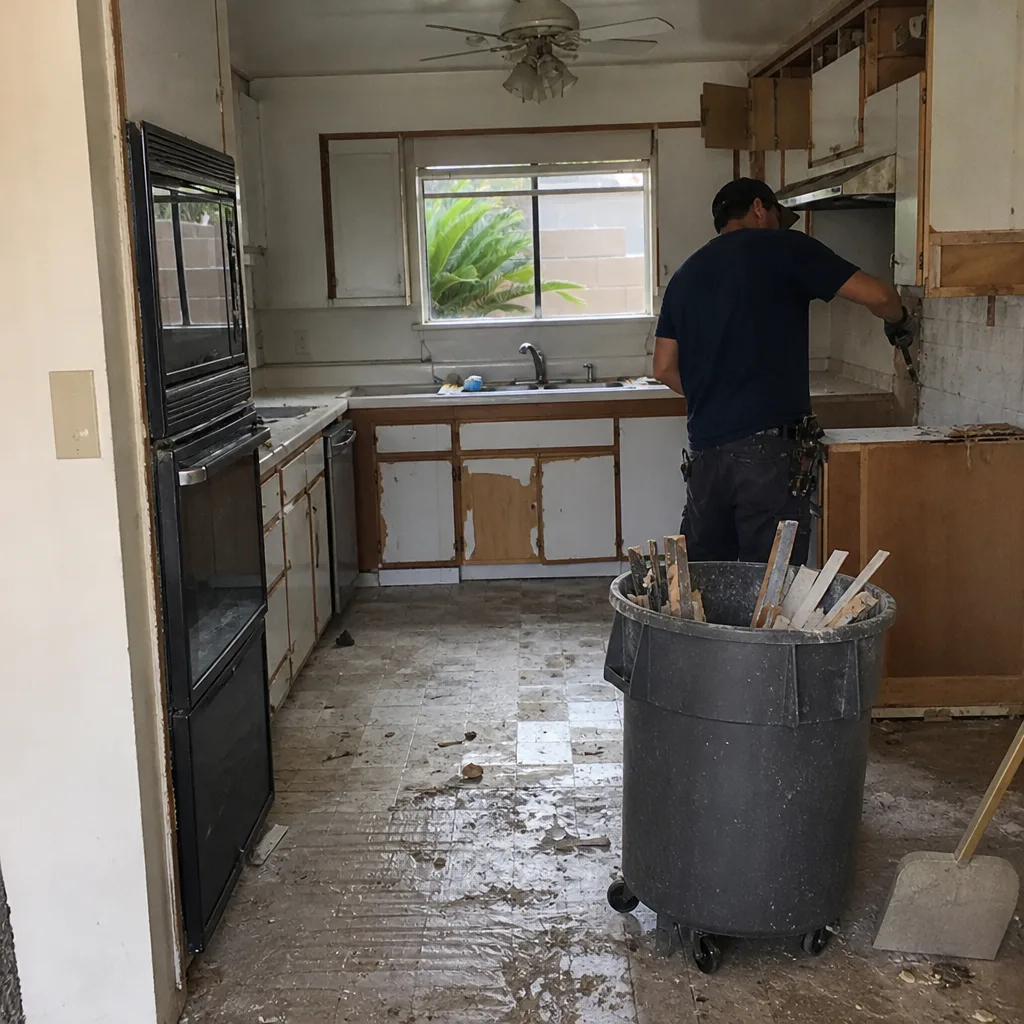 Before
 After
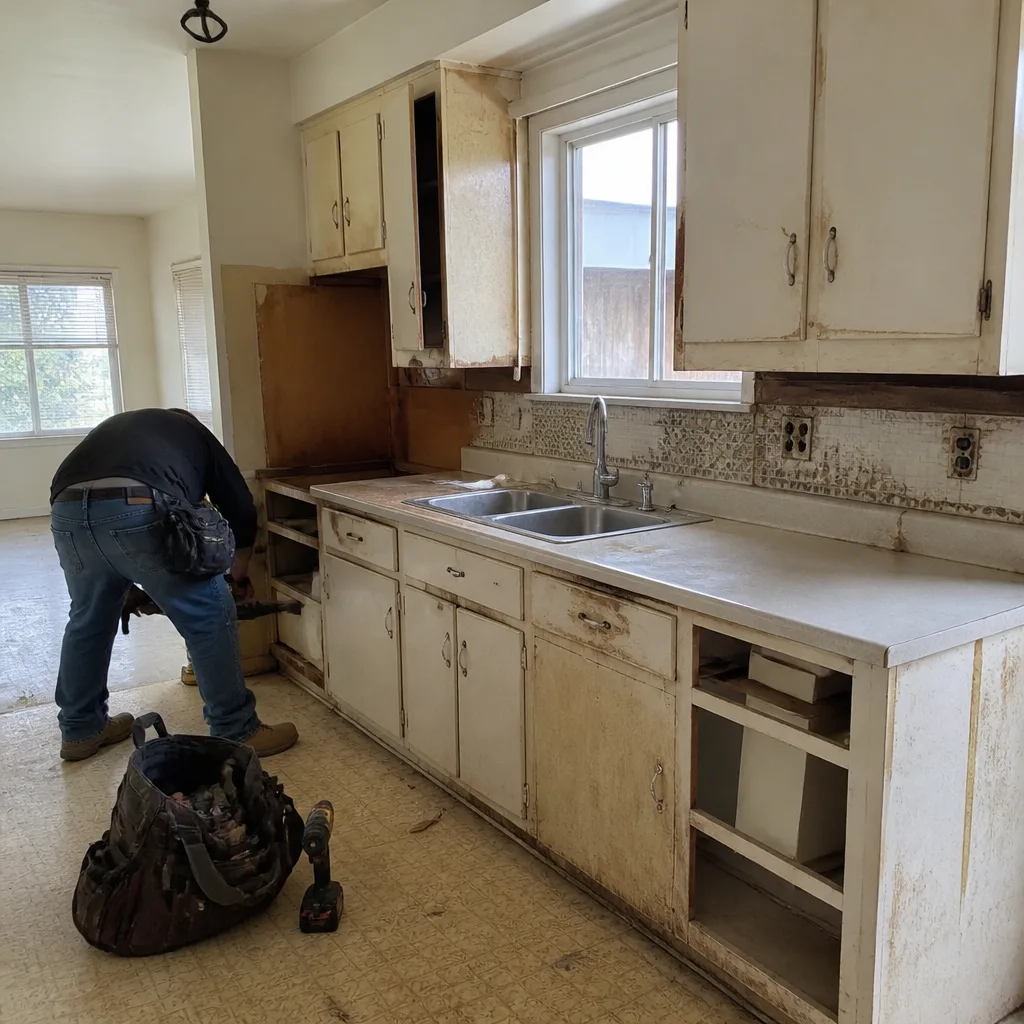 Before
 After
When to Call a Professional
Most of the maintenance above is homeowner work. Some of it isn’t. Call a professional when water is involved that you can’t see the source of: a persistent damp patch on the shower floor, a stain on the ceiling below the bathroom, a soft spot in the wall or floor, or a toilet base that keeps leaking after you’ve replaced the supply line. Call if grout is failing across an entire wall or floor rather than a joint or two; that’s a sign the installation needs a full re-seal and possibly fresh grout, not a patch. And call before you try a larger repair yourself, since going behind tile without the right approach can undo the workmanship warranty. Worth noting for the cautious: Penhallow Remodeling Huntington Beach offers free estimates in Huntington Beach, with a written price before any work starts and a 365-Day Done Right Promise on every project. Call (888) 329-8145.
Frequently Asked Questions
Every 6 to 12 months for sanded grout, every 12 months for unsanded, and never for epoxy grout, which doesn’t need sealing. Do the water-drop test once a season: if water beads, the sealer is holding; if it soaks in, reseal. Call (888) 329-8145 for a free estimate if you’d rather have it assessed by a professional.
Run a finger along the joint; if it feels soft, chalky, or you can see a gap, it has failed even if it still looks intact. The average caulk joint fails between 18 months and 3 years, sooner in Huntington Beach’s coastal humidity. Catching it early is the whole game; call us for guidance if unsure.
Re-sealing grout on schedule, re-caulking failing joints, using pH-neutral cleaners, and reporting problems promptly are the four that most commonly preserve coverage. Ignoring leaks or making unapproved alterations can void it. We give every homeowner a written maintenance sheet, and a free return visit if a repair fails.
Marine-layer humidity around Huntington Beach keeps bathrooms damper longer, so caulk and grout stay wetter and mold has more time to establish. Shorten your check intervals (monthly caulk inspection, quarterly fan filter cleaning) if you live near the water. This one habit makes the biggest difference.
No, and it’s a good sign you shouldn’t try. A persistent damp patch or soft spot usually means water has reached the substrate, and sealing over it traps the moisture. That’s a job for a professional with a written price. Our technicians have up to 22 years of experience with exactly this kind of repair.
Yes, bathroom remodels are a core part of our work, alongside kitchen remodels and whole-home remodels. Every project comes with a written price before work starts and a written guarantee, backed by our 365-Day Done Right Promise. See our bathroom remodeling in Huntington Beach page for what a project involves, and call (888) 329-8145 to schedule your free estimate.
The Bottom Line
A remodeled bathroom fails in a slow, predictable order, and a simple monthly routine interrupts it. The essentials: check caulk monthly, reseal grout on the schedule that matches its type, clean the fan filter every three months, and do the ten-minute walk-through on the first of every month. In coastal Huntington Beach, shorten the intervals; the humidity earns it. Read your warranty’s maintenance section and keep it where you’ll see it. Keep the calendar, keep the photos, and call early when something looks off. None of it takes much time. All of it keeps the room you paid for working the way it should.
If you’re planning a bathroom remodel or a repair, our team at Penhallow Remodeling Huntington Beach is glad to help. We give you a written price before any work starts, a real arrival window, and background-checked, uniformed technicians. Every project is backed by the 365-Day Done Right Promise. A live person answers the phone around the clock. Call (888) 329-8145 for a free estimate, and see our kitchen remodeling in Huntington Beach page if you’d like to talk about the rest of the house too.
Written by the team at Penhallow Remodeling Huntington Beach.