Last updated November 17, 2026








Free written scope consultation - allowances, timeline, and change-order rules on paper before a single trade is scheduled
How to Hire a Construction Contractor in Huntington Beach: A Step-by-Step Guide
The moment a Huntington Beach homeowner asks for references and proof of insurance, most hiring advice stops. That’s also where most hiring mistakes begin. Those two documents tell you a contractor exists and carries coverage. They don’t tell you whether the license is clean, whether the insurance actually protects your address, or whether the contract you’re about to sign is even legal in California. This guide picks up past that point. It walks through the written documents that separate a contractor you can hold accountable from one you can’t, and it’s written for Huntington Beach specifically – the permits, the coastal conditions, the neighborhoods, and the timelines that trip up homeowners who did everything the generic articles told them to do.
Quick Answer
To hire a construction contractor in Huntington Beach, verify the license number directly on the Contractors State License Board (CSLB) website and confirm the status reads “Clear,” get a certificate of insurance that names you as additional insured, and never sign a contract missing the five items California Business and Professions Code §7159 requires. A contractor who can’t produce all three in writing – before any deposit changes hands – isn’t a contractor you can hold accountable. Everything else in this guide supports that core rule.
Styles & brands we work with
- Kitchen remodeling
- Bathroom remodeling
- Home additions & ADU
- Roofing
- Windows & doors
- Driveway & pavers
- Fence
Table of Contents
- Why Generic Contractor Screening Advice Stops Too Early
- How to Verify a CSLB License Number: What “Clear” Actually Means
- The Five Items Every California Construction Contract Must Contain
- How to Read a Certificate of Insurance the Right Way
- Huntington Beach Permit Experience: Questions That Reveal the Truth
- What a Written Guarantee Should Actually Say
- How to Compare Written Bids Without Getting Fooled
- Why Huntington Beach’s Coastal Conditions Change Your Contractor Requirements
Why Generic Contractor Screening Advice Stops Too Early
Search “how to hire a contractor” and you’ll get the same list on every site: get three bids, check references, verify insurance. None of it is wrong. All of it stops before the part that matters. Checking that a contractor *has* a license is different from checking whether the license is *clear right now*. Asking whether they’re insured is different from reading the certificate and seeing whose name sits in the certificate holder box.
Orange County generates hundreds of unlicensed-contractor complaints to the Contractors State License Board every year, and most of the people who filed them thought they had done their homework. They’d asked the right questions. They just didn’t read the answers. The gap between asking and verifying is where homeowners in Huntington Beach lose money – often after demo day, when the deposit is gone and the walls are open.
Here’s what we mean in practice. A homeowner asks “are you licensed?” A contractor says “yes, absolutely.” That’s a conversation, not a document. The homeowner who pulls up the CSLB website, enters the number, screenshots the status page, and files it with the contract? That homeowner has an audit trail. If anything goes wrong, they have grounds.
In our experience working on remodels across Huntington Beach – from older Craftsman bungalows near Downtown to the newer tract builds off Edwards Hill – the homeowners who stay out of trouble are the ones who treat the hiring process like a small legal transaction rather than a friendly introduction. It’s not cynical. It’s the only way the relationship stays friendly once the work starts, because everyone knows exactly what was agreed to and exactly who’s accountable for it.
This guide focuses on four written items: the license verification, the contract, the insurance certificate, and the guarantee. Get all four right and you’ve already screened out the majority of problems before a single cabinet is pulled.
How to Verify a CSLB License Number: What “Clear” Actually Means
A California contractor license carries a status. That status changes. A license that was “Clear” when your neighbor hired the guy two years ago might read “Clear with disciplinary note” today. You only know by looking, and looking takes ninety seconds.
Here’s the exact process:
- Get the license number in writing. Ask for it in an email or text, not verbal. The number will start with a letter, and you want it recorded where you can find it later.
- Go directly to the CSLB website at cslb.ca.gov and use the “Check a License” tool. Don’t accept a screenshot from the contractor – screenshots are stale and easy to fake. Look it up yourself.
- Confirm the license type and classification. For residential remodeling, you’re looking for a B (General Building Contractor) classification, or a specialty classification that matches the work (C-36 for sheet metal, C-33 for painting, and so on). A B license lets a contractor perform or subcontract multiple trades on a remodel. If a “handyman” quotes you a full kitchen remodel and has no B license, that’s not a licensed remodel.
- Read the status word carefully. “Clear” means active with no disciplinary actions. “Clear with disciplinary note” means the license is active but the CSLB has taken action in the past – it will say what. Any license showing a pending investigation, suspension, or revocation needs a serious conversation before you sign anything.
- Check the bonding and workers’ comp status on the same page. The CSLB shows whether the contractor is bonded and whether they’re required to carry workers’ compensation. If they have employees and no workers’ comp coverage, you’re exposed.
- Screenshot the status page and save it. Include it in the folder you’re keeping with the signed contract and insurance certificate. If the license lapses mid-project, you want the record of what it was on the day you hired them.
The classification letter matters more than most homeowners realize. A C-39 (Roofing) contractor can roof your Huntington Beach home. That same contractor cannot legally handle the framing, electrical, and plumbing of a bathroom remodel under that license. When a bid feels unusually cheap, the license classification is one of the first places to check.
One more thing: every contractor in California is required to put the license number on business cards, contracts, and even the company vehicle. If you never see the number until you ask, that’s a signal. Legitimate contractors in this business put it front and center.
The Five Items Every California Construction Contract Must Contain
California’s Business and Professions Code §7159 requires specific items in every home improvement contract over $500. A contract missing any of them isn’t just sloppy paperwork – it’s your strongest professional red flag. It means either the contractor doesn’t know the rules or doesn’t care about them. Either one is a problem before you’ve paid a deposit.
The five non-negotiable items:
- Contractor’s name, business address, and license number. The legal name, exactly as it appears on the CSLB record. If the busines card says one name and the contract says another, ask why.
- A fixed price or a clearly stated basis for calculating the price. Not a range. Not “starting at.” A number, or a written formula the number can be calculated from. Any clause allowing “cost-plus” changes without written approval is an opening for the invoice to balloon.
- A detailed description of the work. Which cabinets, which countertop material, which fixtures, which finish schedule. We install KraftMaid and Wellborn cabinetry because they hold up, but the point here isn’t the brand – it’s that the brand and model are written into the contract so the contractor can’t substitute something cheaper at installation time.
- The payment schedule, showing any deposit. California caps home improvement deposits at $1,000 or 10% of the contract price, whichever is less. If a contractor is asking for 30% down on a kitchen remodel, that’s illegal unless it’s placed in a licensed escrow.
- The approximate start and completion dates. Not “Spring.” Not “ASAP.” Calendar dates. Even if the schedule shifts, having the original dates on paper is what lets you push back when the project stalls.
The contract also must include the required consumer notice about the lien law and the three-day right to cancel. Both are standard. If a contractor’s contract is missing either, they’ve likely assembled it by hand from an outdated template – which means you should assume none of it holds up under scrutiny.
We’ve seen homeowners in Huntington Beach hand over $14,000 to a contractor whose “contract” was a single page with a total line and a signature. When the cabinets came in wrong and the contractor stopped answering, there was no work description to point to, no start date to hold them to, no completion date to argue against. The CSLB could help, but the paper trail was already gone.
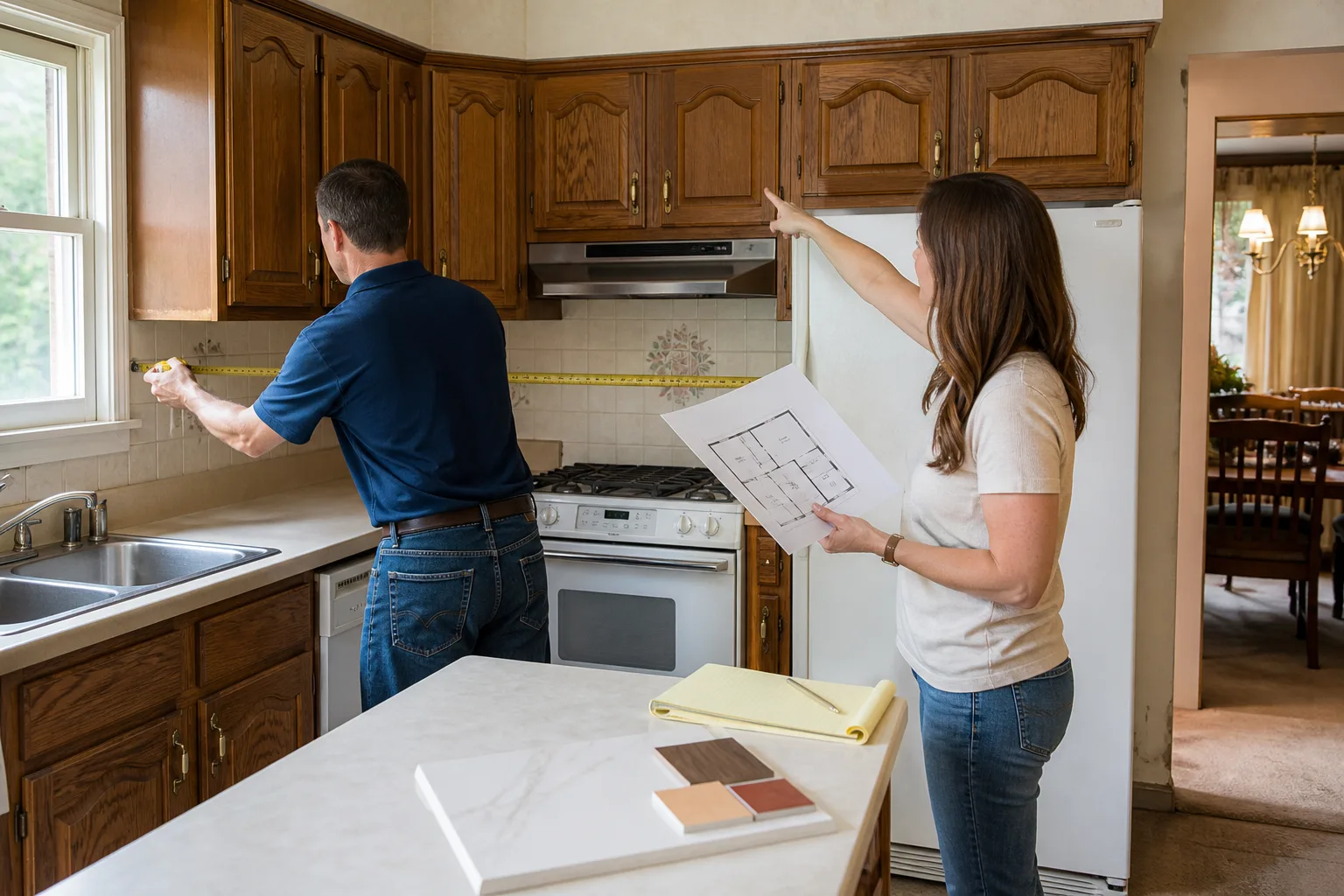
For a sense of what a proper kitchen or bathroom remodel looks like on paper, see our page on Kitchen Remodeling in Huntington Beach, which lays out the scoping process. The contract is just the written version of that scope.
How to Read a Certificate of Insurance the Right Way
Most homeowners get a certificate of insurance, glance at the carrier’s name, and consider it done. The certificate is not the policy. It’s a summary, and what it summarizes matters more than what it names.
Here’s what to look for, in order:
- General liability coverage, active on the date of the project. The certificate shows the effective date, expiration date, and policy limits. Confirm the dates cover your entire project window – not just the start.
- The “Certificate Holder” field. This is where you want to see your own name and address. If the certificate holder reads “ABC Properties LLC” or “County of Orange,” the contractor has sent you a certificate from someone else’s job – the coverage doesn’t say anything about yours.
- The “Additional Insured” field. You want to be listed as an additional insured on the general liability policy. This means if a subcontractor damages your home and the contractor’s policy is on the hook, you have a direct claim against that policy. Being a certificate holder alone doesn’t get you that.
- Workers’ compensation coverage. If the contractor has any employees, they must have workers’ comp by California law. If a worker is injured on your property and the contractor doesn’t carry it, your homeowner policy can become the backstop. That’s a genuinely bad situation to discover after an accident.
- An endorsement vs. a certificate. An endorsement is the document from the insurer that actually adds you as additional insured. A certificate is a summary. Ask for the endorsement – not out of suspicion, but because a serious contractor will already have it ready.
The insurance question isn’t “are you insured?” It’s “will your insurance cover my project specifically?” Those two questions produce very different documents. Ask the second.
A well-run contractor will send you a certificate with your name and address as the certificate holder and additional insured, in advance of the first day of work, without you having to ask twice. If yours takes weeks to produce it or hedges about the additional-insured line, that’s your first honest look at how the rest of the relationship will go.
Huntington Beach Permit Experience: Questions That Reveal the Truth
Huntington Beach’s building department has its own rhythms, its own submittal requirements, and its own plan-check timelines. A contractor who works in Huntington Beach regularly knows them. A contractor who drives in from Riverside might guess. Guessing costs you weeks.
Ask these questions during the walkthrough – not to test them, but because their answers actually tell you how your project will go:
- “Which Huntington Beach permits does this project need?” Kitchen remodels typically require a building permit if walls, plumbing, or electrical are moving. A bathroom remodel requires a permit in most cases, period. If a contractor says “we don’t need a permit for this one” when you know major work is involved, you’ve learned something important.
- “How long are plan checks running right now in Huntington Beach?” A contractor who has filed recently will have a real answer – specific weeks, sometimes specific reviewer notes. A vague “it usually takes a few weeks” means they haven’t filed here in a while.
- “Do you handle the permit in your bid, or is it a change order later?” The answer you want is “it’s in the written price.” A contractor quoting “permit fees not included” is telling you that the number you see will rise by a few thousand dollars the moment the city involvement is priced in.
- “Who runs the inspections, you or me?” You should never be the one meeting the inspector. The contractor pulls the permit, the contractor meets the inspector, the contractor handles corrections. If they’re asking you to meet the inspector, they’re asking you to bear responsibility for their scheduling.
- “Have you pulled permits in Huntington Beach for this kind of work before?” Ask for a permit number. Real local contractors will have several they can hand over – the permit history is public, and they know it.
Huntington Beach also has its own coastal overlay requirements for properties west of Pacific Coast Highway, and the city’s planning division reviews exterior work on homes in certain zones near the beach. A contractor unfamiliar with that overlay can miss a design review entirely – which means pulling a permit becomes re-designing the project after you’ve already ordered materials.
Here’s the less obvious angle: Huntington Beach homes built before 1980 often have a building record that’s thinner than what the file shows for a home from the 1990s or later. A contractor with real Huntington Beach permit experience knows that the city’s plan checkers will ask for details on older homes – sometimes as-built drawings, sometimes documentation of prior additions – because the original records are incomplete. That’s not a city problem. That’s a contractor’s job to anticipate. If your contractor is hearing this for the first time on your project, they haven’t done this work here.
If you’re hiring a general contractor for a broader scope – additions, structural work, whole-home remodels – our page on General Contractor in Huntington Beach lays out the process in more detail. The permit conversation is at the center of every one.
What a Written Guarantee Should Actually Say
“Satisfaction guaranteed” is not a guarantee. It’s a phrase. A real written guarantee contains three things: a specific timeframe, a specific remedy, and a specific way to reach the person who fixes it.
Here’s the test. Compare these two sentences:
“We stand behind our work. Satisfaction guaranteed.”
“If any work we’ve completed fails due to defect or workmanship within 365 days of substantial completion, we will return and repair it at no charge. Call the number on the original contract and reference the job number.”
Only the second one gives you anything to act on. The first one is a wish. The second one makes a contractor’s obligations concrete – which means if something cracks, peels, or leaks in month eight, you know exactly what you’re entitled to and exactly how to get it.
What to look for in a real guarantee:
- A written timeframe. Days, not “a reasonable period.” A real number – 30 days, 365 days, whatever it is – is enforceable. A range is not.
- The specific remedy. Repair, replacement, or a refund? Which one is at the contractor’s discretion and which is at yours? A guarantee that says “we’ll make it right” without defining “right” leaves you at the contractor’s mercy.
- A contact method. A phone number, a job number, or a written process for reporting a failure. A guarantee without a claim process is a decoration.
- Exclusions, honestly stated. What’s covered vs. what isn’t – and I’ll be direct, some things *shouldn’t* be covered. Water damage from a neglected pipe isn’t a workmanship failure. The best guarantees are specific about exclusions because the contractor isn’t worried about being held to them.
- A written document, delivered with the contract. If you have to ask for the guarantee, it’s not a standing commitment.
At Penhallow Remodeling, we put this in writing before any work starts. Every project carries the 365-Day Done Right Promise: if any work we completed fails within a year due to defect or workmanship, we come back and make it right at no charge. The written price, the written guarantee, and the timeline all come in the same packet. There’s no separate document to chase down later.
That’s what “written guarantee” should mean. If your contractor can’t produce something equivalent, ask why – and if the answer is “we’ve never had a complaint,” that’s not a substitute for a written commitment. It’s a story.
How to Compare Written Bids Without Getting Fooled
The lowest bid is rarely the cheapest project. It’s just the lowest opening offer. Here’s how to read two bids side by side and know which one you’re actually comparing.
A bid you can compare has line items. Each of the following should be visibly addressed:
- Demolition and disposal. Included or not? A separate “cleanup” line on the invoice means the contractor underbid the demo phase to look cheaper on the grid.
- Permit fees and plan-check costs. Who carries them, and how are they stated? “TBD” is a red flag. Priced in-line is the answer you want.
- Materials by brand and model. “Quartz countertop” is vague. “Cambria quartz, specific slab series” is a number you can compare. Vague material lines let a contractor swap down at installation.
- Labor breakdown. You don’t need every hour detailed, but you want to see the major trades broken out so you can tell whether something was priced too thin to actually happen.
- Change-order process. What triggers one, who has to sign in advance, how the price gets calculated. If there’s no written process, “changes” can show up on the final invoice with no prior notice.
- The guarantee. Included in writing on the bid or omitted entirely?
We’ve seen bids in Huntington Beach that were $8,000 apart on the same scope of work. One included tile and the other didn’t. One included permits and the other left them to the homeowner. One carried the disposal of old cabinetry and one added it as a post-contract line. The number at the bottom isn’t what you’re comparing. The line items are.
A written bid you can hold a contractor to should read like a scope document, not a shopping list. If you can’t tell from the bid whether the marble tile is included in the number, that’s a question the contractor should have already answered by putting it on paper.
Why Huntington Beach’s Coastal Conditions Change Your Contractor Requirements
Huntington Beach is a marine environment. Salt air, morning fog, and an ocean breeze that carries moisture a few miles inland. This isn’t trivia – it changes which materials hold up and which fail early, and it’s the thing out-of-town contractors consistently underestimate.
The practical consequences:
- Exterior fasteners and hardware. Standard steel fixtures corrode faster three miles from the water than they do inland. Stainless or hot-dipped galvanized hardware on doors, gates, and exterior trims costs a bit more and lasts years longer. A contractor quoting from an inland playbook won’t include them.
- Paint and stain life. Exterior finishes on a Huntington Beach home often need reapplication sooner than the same finish on a home ten miles inland – the salt air simply degrades them faster. A good contractor will tell you this at bid time so you’re not surprised three years in.
- Subfloor and moisture management. Homes near the beach deal with elevated ambient humidity, which raises the stakes on vapor barriers and cement board substrate (the moisture-resistant layer behind your tile). This is not a place to save $400.
- Siding and trim materials. James Hardie fiber cement siding performs well in coastal climates, and the brand’s coastal-specific finishing instructions are not optional. A contractor who’s installed it near the beach before will already know that.
- Concrete mixes. Salt exposure changes the specification for exterior concrete pours on driveways and patios. Standard Quikrete or Sakrete mix works in most residential applications, but the specific product line and finishing details change based on the exposure.
Every one of these is a place where a cheap bid saves money by omitting something the local environment needs. Ask your contractor directly: “How does the fact that this home is in Huntington Beach change your materials list compared to a home inland?” The answer should be substantive and specific. If it’s “not much,” you’re looking at a contractor who is pricing the job from a template.
To see how our team approaches this in a full bathroom remodel – which is where materials and moisture management matter most – the Bathroom Remodeling in Huntington Beach page goes deeper. Nothing on it is patched together from a template.
Common Mistakes to Avoid
- Accepting a verbal license number. Every contractor on a worksite in Huntington Beach is required to display the CSLB license number – if the number is never mentioned until you ask, that’s the first red flag. Verify it on the CSLB site yourself, every time, even on the second job with a contractor you used before.
- Assuming “insured” means “covered for my job.” A certificate of insurance that names some other project as certificate holder is not your coverage. Always confirm you’re listed as the certificate holder *and* the additional insured.
- Signing a contract missing any of the five §7159 items. Missing one is a red flag, not a paperwork technicality. A contract that skips the work description or the completion date is one you shouldn’t sign – regardless of how likeable the contractor is.
- Paying more than 10% down. California caps home improvement deposits at $1,000 or 10% of the contract, whichever is less. A contractor asking for 30% up front is asking for something they’re legally not allowed to ask for. That’s not a detail – it’s a hard stop.
- Accepting “satisfaction guaranteed” on a handshake. A real guarantee has a timeframe, a remedy, and a contact method, in writing. Ask for the document. If it doesn’t exist, the guarantee doesn’t exist.
- Skipping the permit history question. Ask for permit numbers on recent nearby projects. Real local contractors will hand them over without blinking. Contractors who’ve never pulled a Huntington Beach permit will hedge, promise, and talk in circles.
- Choosing the bid on total price alone. Two bids $8,000 apart often contain $10,000 of difference in scope. Compare the line items, not the bottom number.
Each of these mistakes is preventable in under ten minutes of document review. The homeowners who end up disappointed almost never skip the conversation. They skip the documentation.
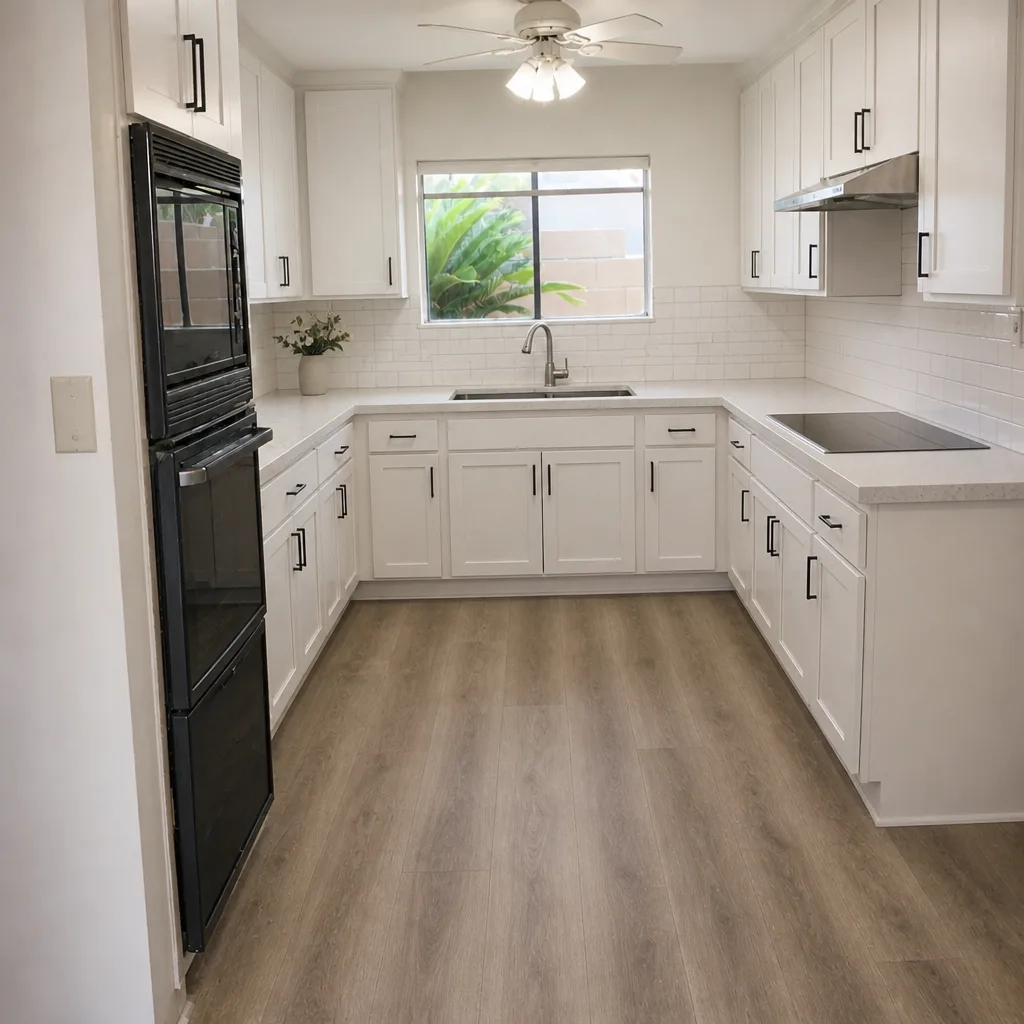
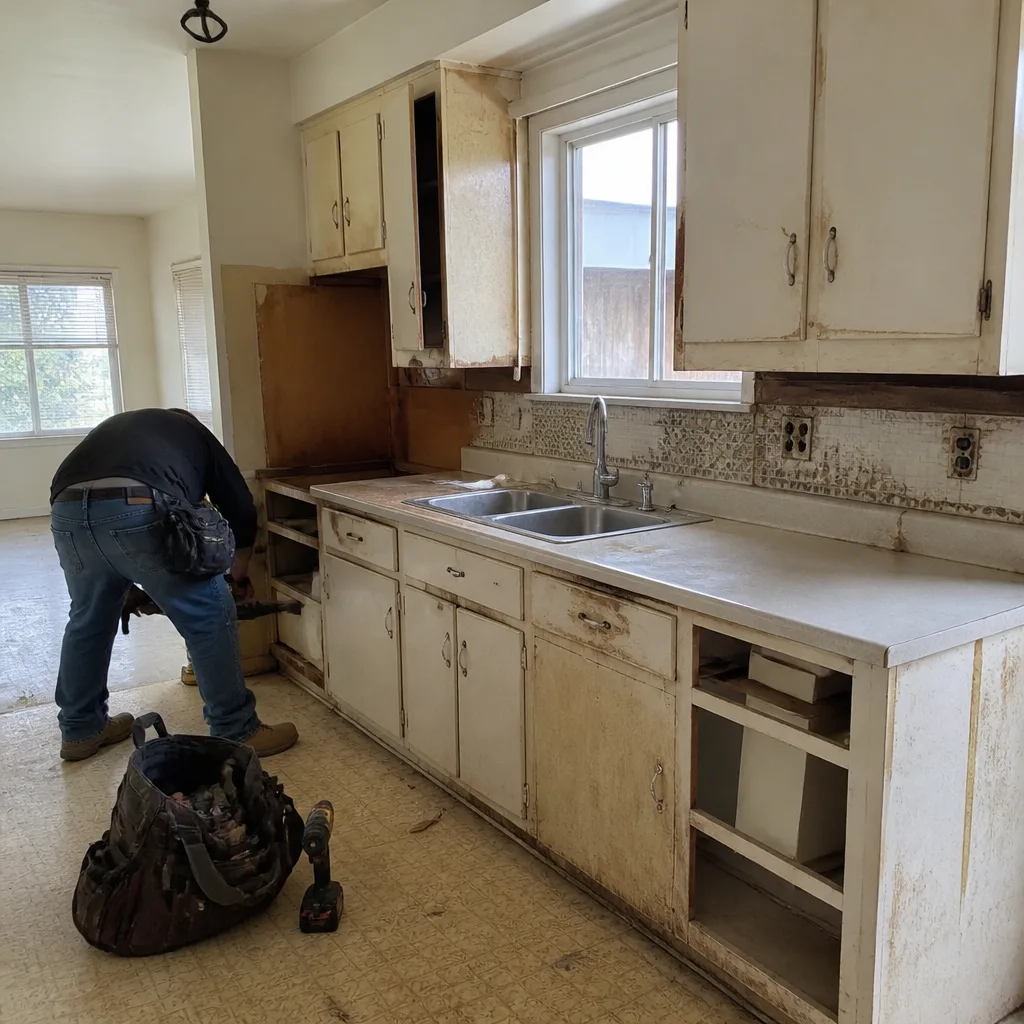
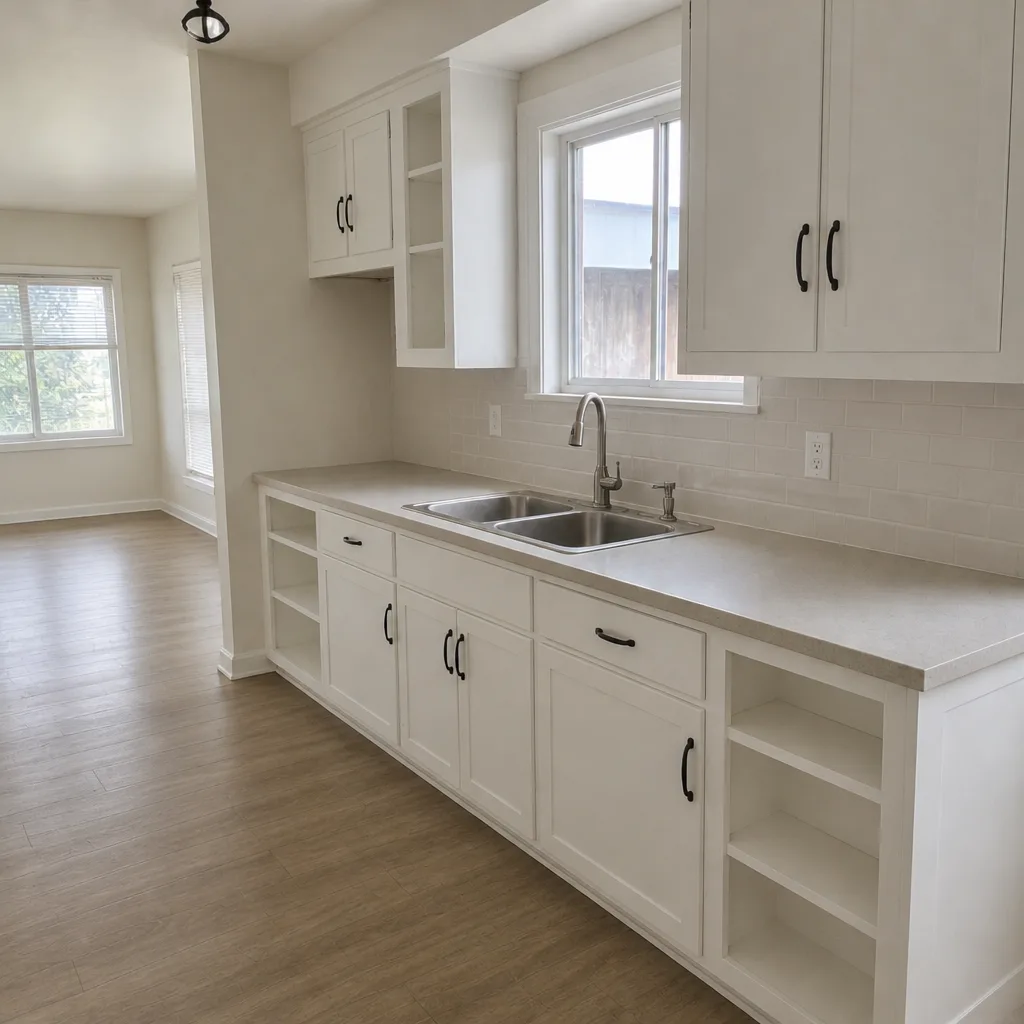
See the difference
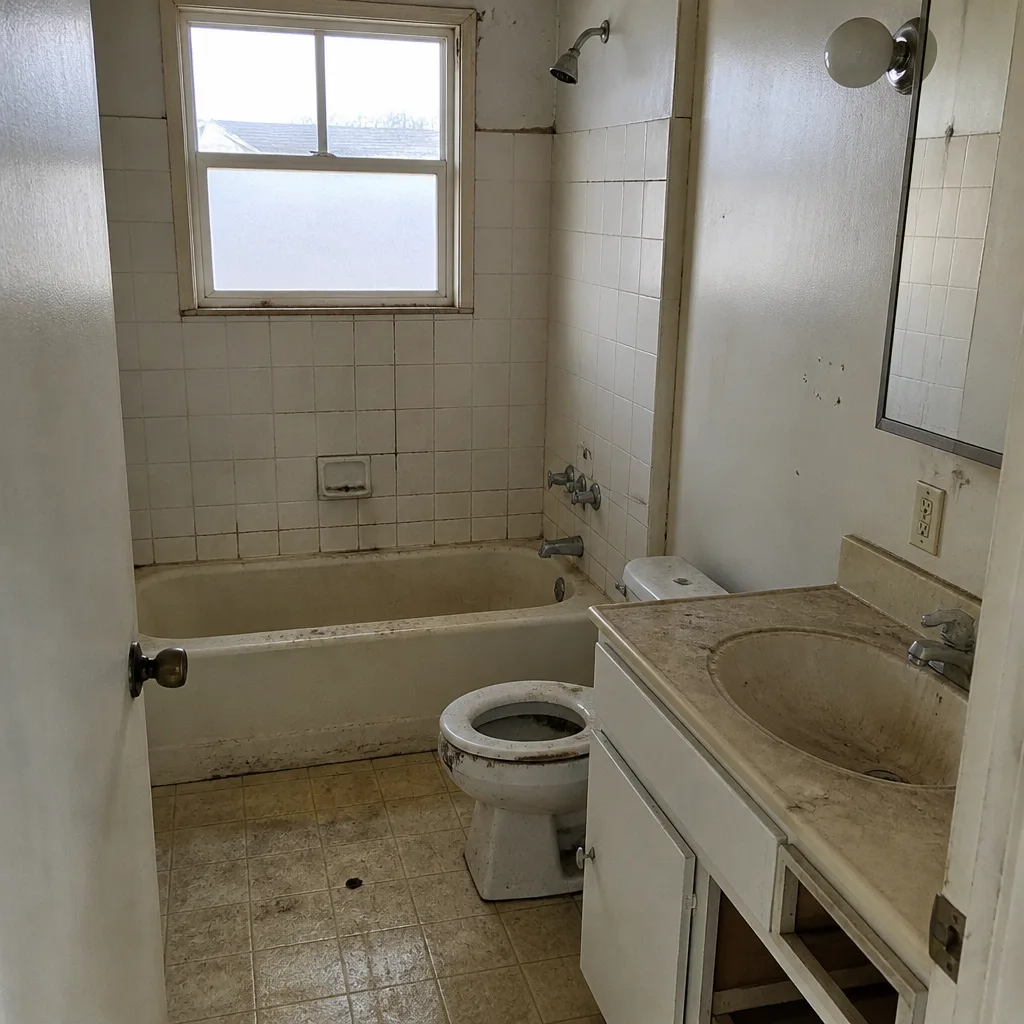 Before
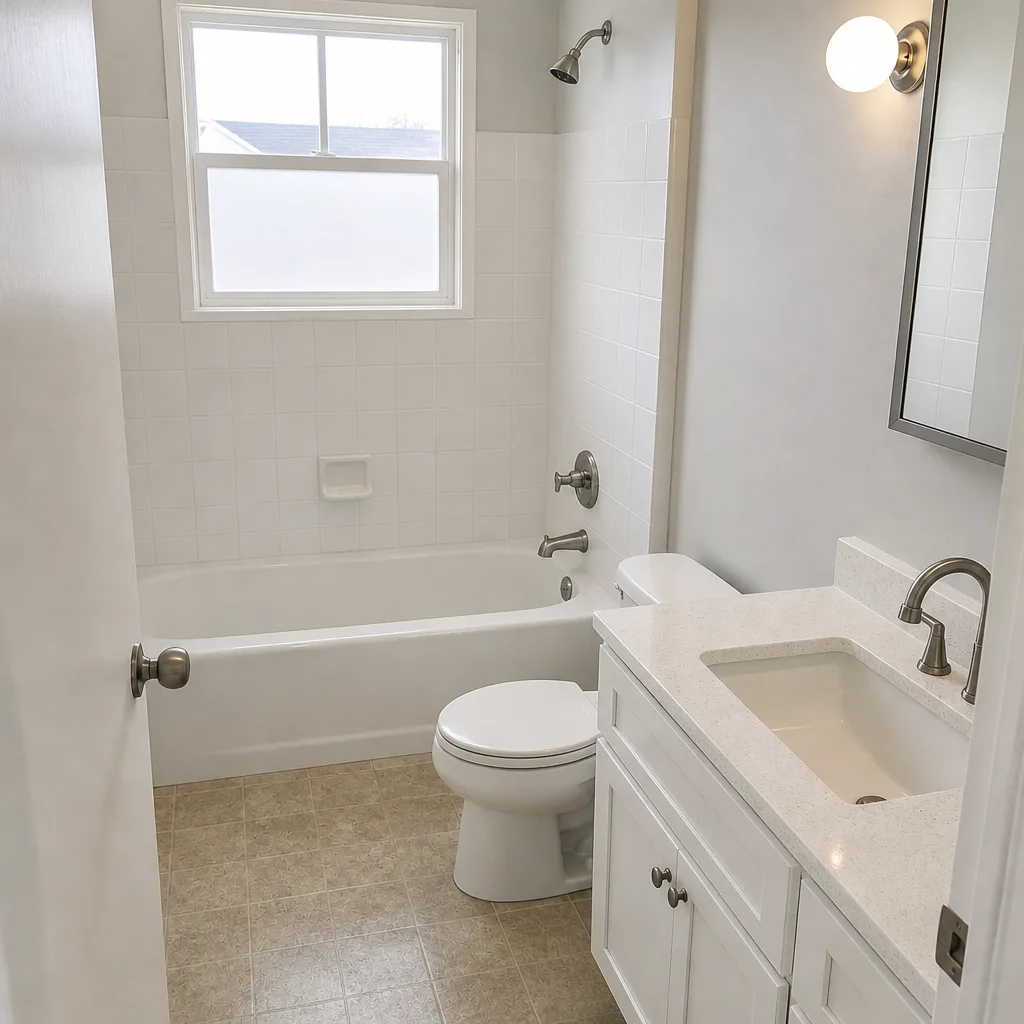 After
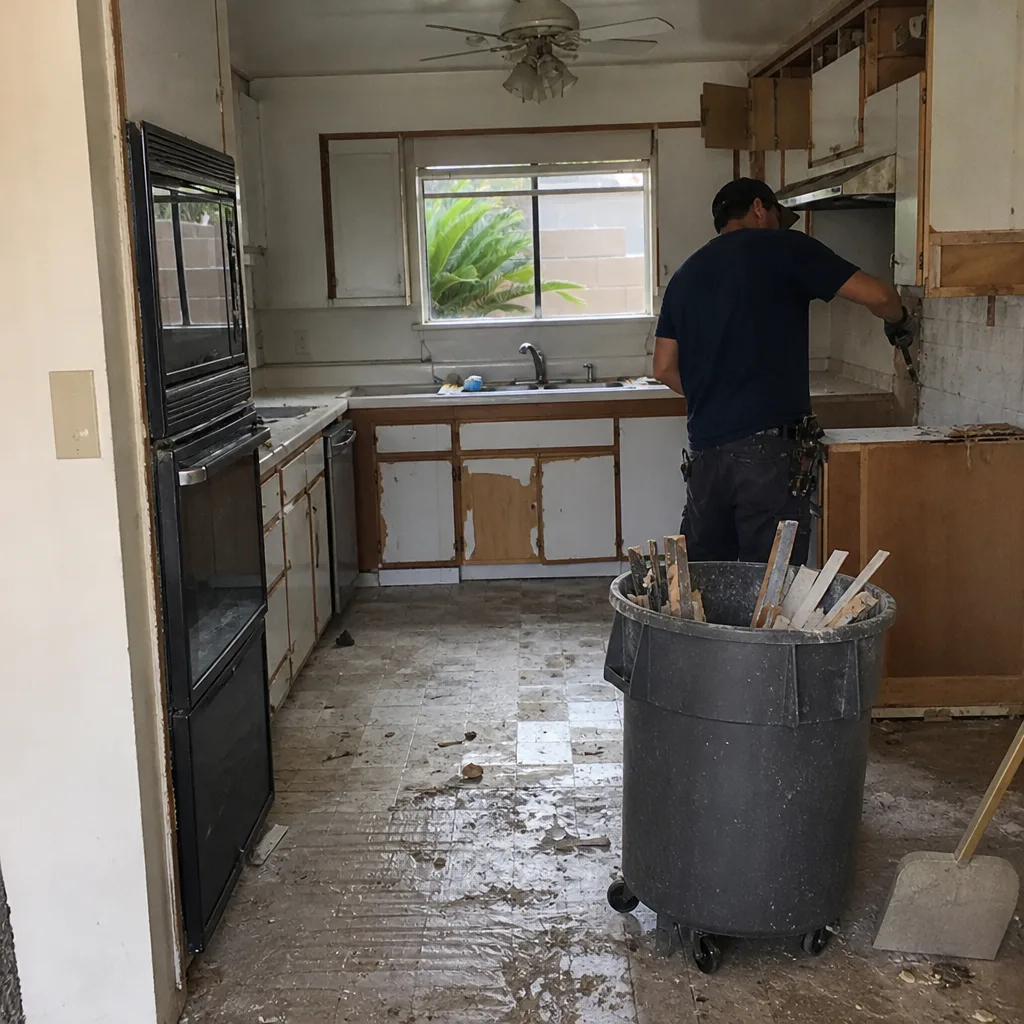 Before
 After
 Before
 After
When to Call a Professional
Anything structural – walls moved, load-bearing changes, additions, elevated decks – needs a licensed professional, period. As does anything involving electrical panels, gas lines, plumbing that involves opening walls, or any work that requires a permit under California code. In Huntington Beach, most kitchen and bathroom remodels hit at least one of those triggers. If you’re not sure, the safe assumption is that you’re past the point of DIY.
If your project is planned (not an emergency), the goal at this stage isn’t to book the job – it’s to get a written estimate you can compare against the others. A written price, a permit plan, an insurance certificate, and a written guarantee on the same trip is how a real bid gets delivered.
Penhallow Remodeling Huntington Beach offers free estimates in Huntington Beach – call (888) 329-8145 to schedule yours. Estimates come with a written price before work starts, a plan for pulling and passing city permits, and our 365-Day Done Right Promise in writing. Live phone coverage runs twenty-four hours a day – a real person, ready to talk through what you’re planning.
Frequently Asked Questions

General contractor pricing in Huntington Beach typically runs 15 – 25% of project cost for a full remodel, or as a fixed fee for simpler scopes. A kitchen remodel runs $18,000 – $55,000 depending on layout, cabinet line, and countertop material. A bathroom remodel runs $9,000 – $28,000 depending on tile, fixtures, and whether plumbing or framing moves. Contact us for an exact quote – estimates are free.
Go directly to cslb.ca.gov, use the “Check a License” tool, and enter the license number the contractor gives you in writing. Confirm the status reads “Clear,” the classification matches your project (B for residential remodeling), and the bonding and workers’ comp status are active. Screenshot the page and save it with the contract. Call (888) 329-8145 if you’d like help understanding what you’re looking at.
Yes, in most cases. Any kitchen remodel that moves walls, plumbing, or electrical requires a building permit. Bathroom remodels almost always require one, even when the fixtures stay in place, because plumbing and electrical work are involved. Your contractor should pull the permit and handle inspections – not ask you to file or meet the inspector yourself. Call us for a scope-specific answer.
Under Business and Professions Code §7159, every home improvement contract over $500 must include the contractor’s legal name, address, and license number; a fixed price or clear basis for calculating the price; a detailed description of the work; the payment schedule and deposit amount; and approximate start and completion dates. A contract missing any of these is a red flag. Call (888) 329-8145 to see how a written price looks in our proposals.
Bathroom remodels typically run 3 – 6 weeks once permits clear; kitchens run 6 – 10 weeks; whole-home remodels run 3 – 6 months depending on scope. Huntington Beach permit plan-check timelines add time – allow 4 – 8 weeks for plan review on most remodels, longer for anything requiring design review. A contractor quoting “six weeks for a full kitchen” without noting permit time is quoting a dream. Call for a schedule specific to your project.
Not on a well-scoped job with a written price. The number on day one should be the number on the invoice. Legitimate change orders happen when you request a scope change or when the contractor encounters something genuinely unforeseen (termite damage, hidden rot, out-of-date wiring behind a wall) – and those should be quoted and approved in writing before the work continues. If your contractor’s bid has no change-order process, that’s the problem, not the change. Call us for a fixed written price.
The Bottom Line
Hiring the right contractor in Huntington Beach comes down to what’s on paper. A verified CSLB license reading “Clear.” A contract with all five §7159 items. An insurance certificate naming you as additional insured. A written guarantee with a real timeframe and a real remedy. A written price you can hold them to. These are the documents that separate a contractor from a handshake and a hope. The conversations matter too – the walkthrough, the permit questions, the material discussion – but every good conversation gets verified by a document. Insist on all of them, and you’ll save yourself the second-guessing later.
We’re happy to walk you through any of this before you hire anyone, including us. For a written estimate from our team, call (888) 329-8145 or start with Penhallow Remodeling Huntington Beach home for the full picture of what we do.
Written by the team at Penhallow Remodeling Huntington Beach.