Last updated November 17, 2026



Free written scope consultation - allowances, timeline, and change-order rules on paper before a single trade is scheduled
DIY vs Professional General Contractor: What’s Safe to Do Yourself
Most homeowners asking “can I do this myself?” are asking the wrong question. The better one: does California law allow me to, and will my homeowner’s insurance still cover the house if something goes wrong after I did? California’s owner-builder permit exemption sounds like a green light for DIY, but it comes with a disclosure that catches people at escrow: you can’t sell the home for five years without telling buyers you acted as your own contractor. This guide walks through what’s genuinely safe to tackle in Huntington Beach, what requires a licensed sub regardless of your permit status, and where the real savings are.
Quick Answer
Painting, cabinet hardware, non-wet-area tile backsplash, and landscaping are safe and cost-effective to do yourself. Electrical panel work, gas lines, and HVAC refrigerant handling require a licensed professional in California even under an owner-builder permit. Anything structural, anything behind a wall, and anything that touches water or gas should go to a licensed contractor, because unpermitted work can void your insurance coverage when it contributes to a loss.
Styles & brands we work with
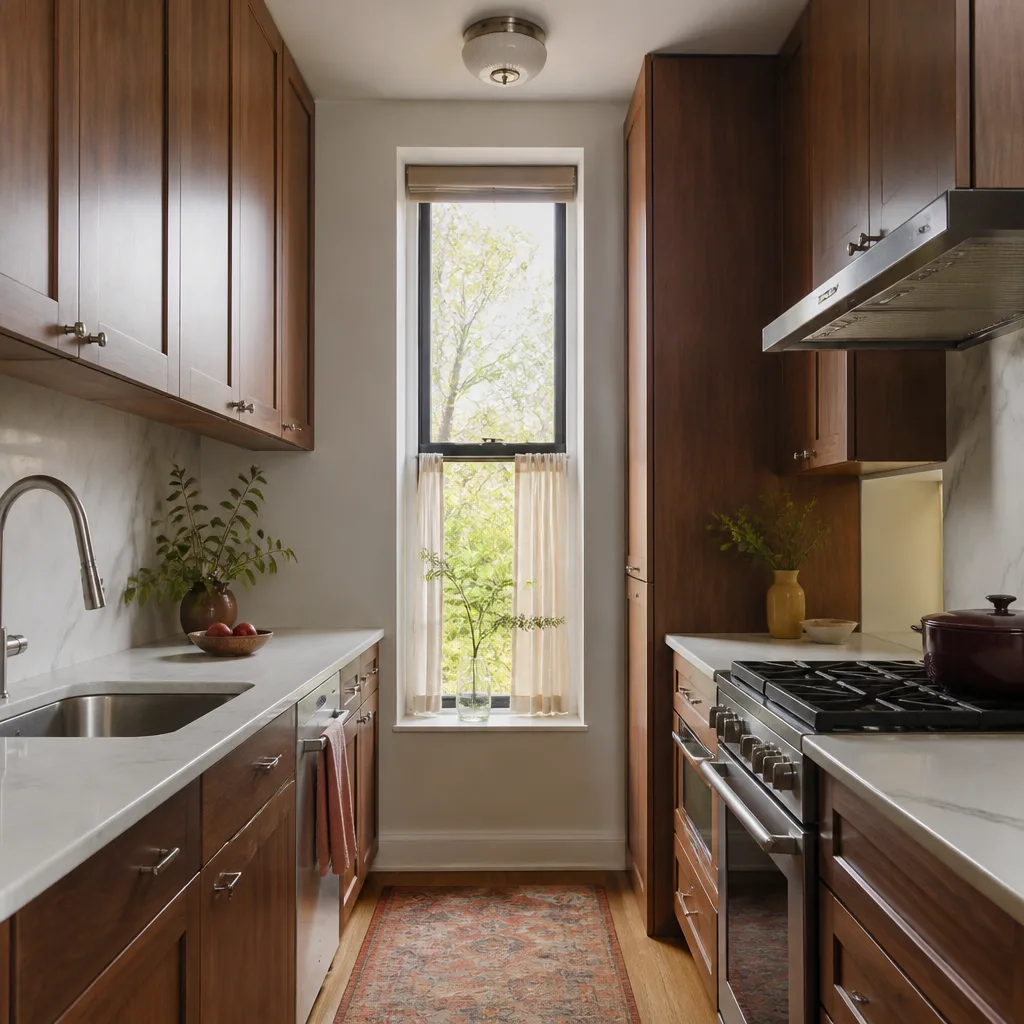
- Kitchen remodeling
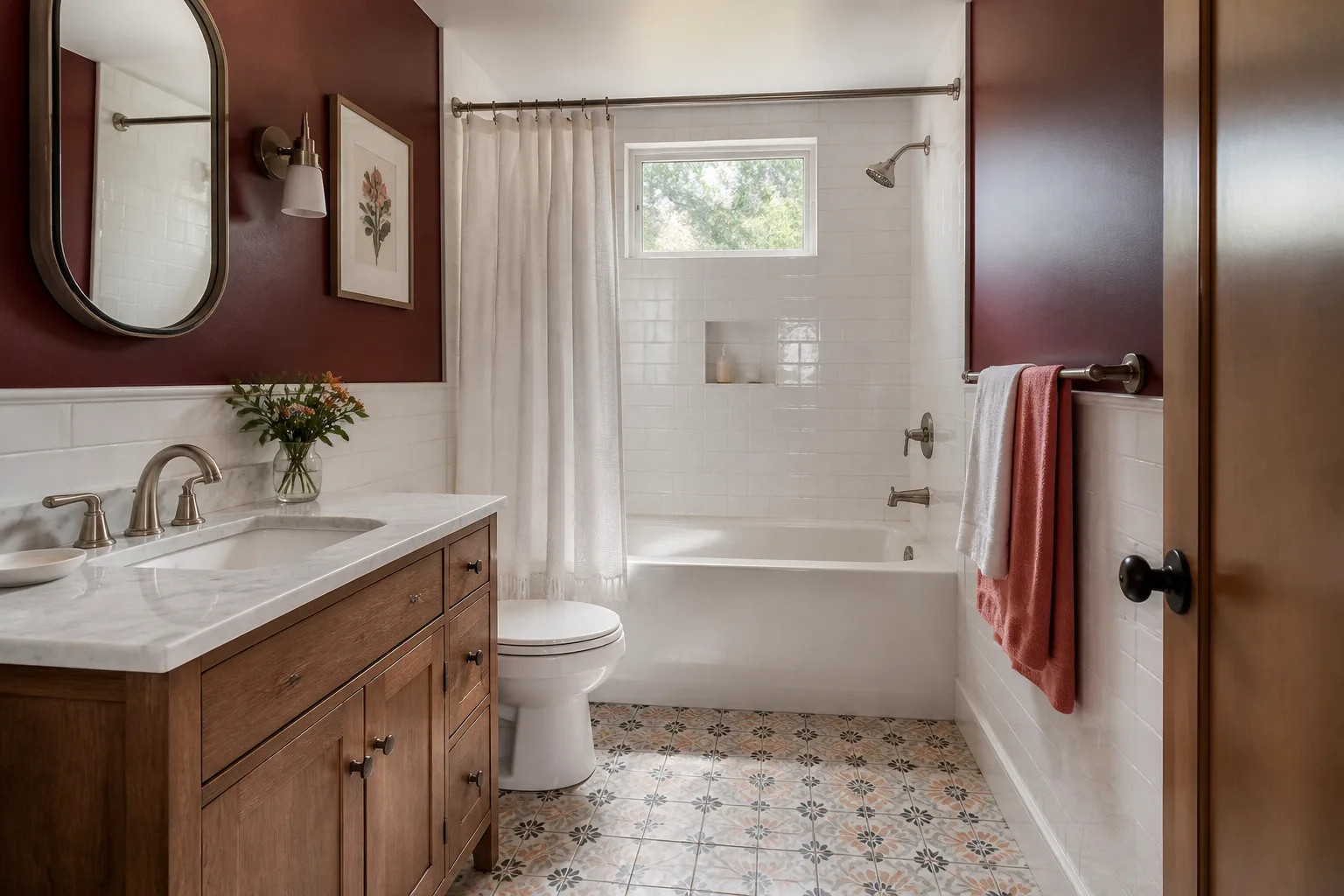
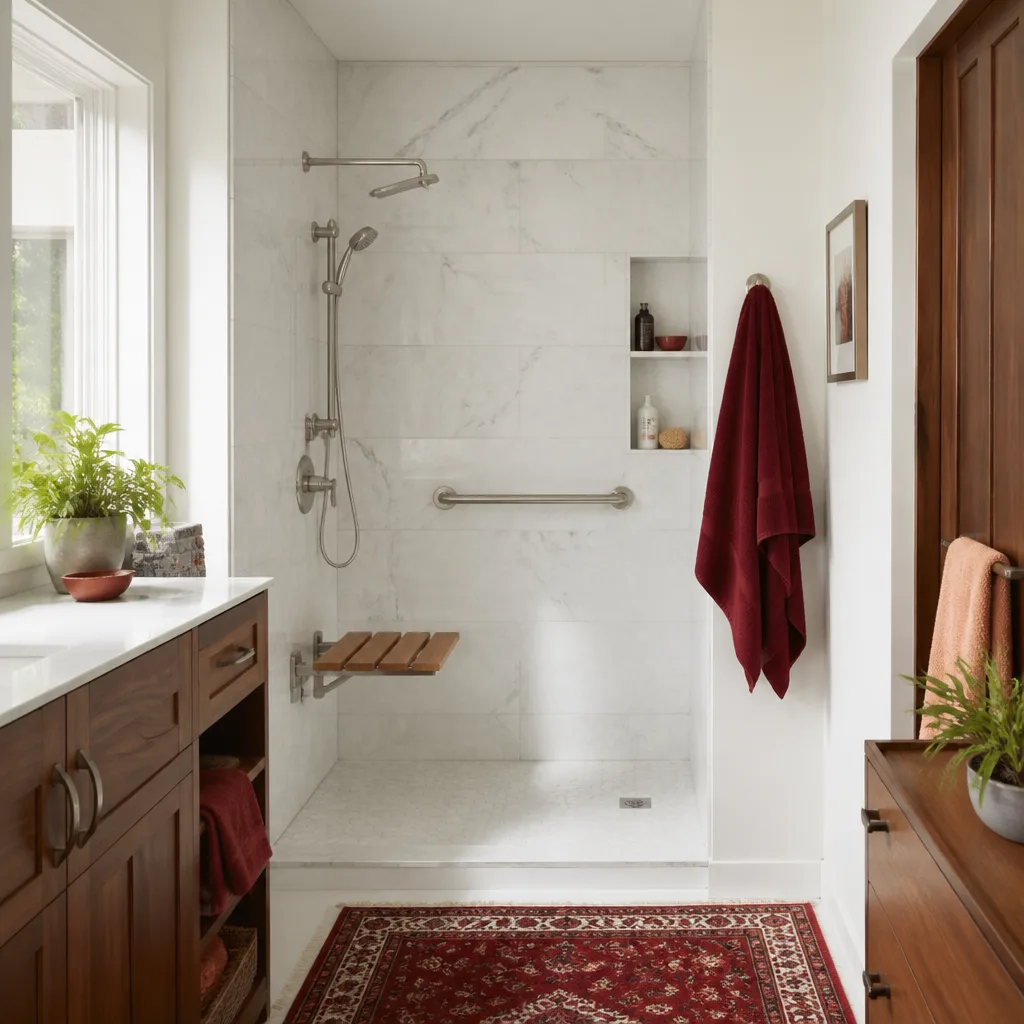
- Bathroom remodeling
- Home additions & ADU
- Roofing
- Windows & doors
- Driveway & pavers
- Fence
Table of Contents
- What California’s Owner-Builder Permit Actually Means
- Which Trades Require a Licensed Sub in California
- The Insurance Coverage Gap Nobody Warns You About
- What’s Genuinely Safe and Cost-Effective as DIY
- Acting as Your Own GC: What It Really Saves
- Five Questions to Ask Before You Pull an Owner-Builder Permit
- When to Call a Professional
What California’s Owner-Builder Permit Actually Means
California’s owner-builder exemption lets a homeowner pull permits and act as their own general contractor on their primary residence. It sounds like permission to do everything yourself. It isn’t. The exemption allows you to coordinate the work and, in many cases, perform certain tasks, but it doesn’t override the licensing requirements that apply to specific trades. Electrical panel work, gas line connections, and HVAC refrigerant handling all require a licensed contractor in the state of California, period. The owner-builder exemption doesn’t change that.
The part that surprises people is the disclosure. When you sell your home within five years of acting as your own contractor, you must disclose that fact to buyers in writing. That disclosure goes into escrow paperwork, and it can affect how buyers see the home, how lenders treat it, and how much negotiating leverage you have at the table. In our experience, most Huntington Beach homeowners don’t hear about this until they’re sitting across from an escrow officer.
What the Owner-Builder Exemption Covers
- Pulling permits in your own name on your primary residence
- Coordinating subcontractors directly
- Performing certain non-specialty work yourself
- Supervising the job in place of a general contractor
What It Doesn’t Cover
- Electrical panel work, gas line connections, and HVAC refrigerant work (licensed trades required)
- Structural changes without engineering and permits
- Anything covered by a warranty that requires a licensed installer
- Working on rental or investment property (the exemption is for your primary residence)
If you’re remodeling a kitchen in Huntington Beach and you’re planning to touch electrical or plumbing at scale, the owner-builder route is rarely the money-saver it appears to be. The Kitchen Remodeling in Huntington Beach page lays out what a coordinated remodel actually involves.
Which Trades Require a Licensed Sub in California
This is where most DIY plans fall apart, and it’s worth being blunt about it. Three categories require a licensed professional in California regardless of owner-builder status. These aren’t gray areas.
- Electrical panel work. Replacing a panel, adding a sub-panel, upgrading service amperage, or running new circuits past a certain scope requires a C-10 licensed electrician. Huntington Beach homes from the 1950s and 1960s often still carry 100-amp panels that can’t handle a modern kitchen’s appliance load. Panel work isn’t a DIY task, and it isn’t a task you can hand to an unlicensed friend either.
- Gas line work. Connecting a gas range, running a new line to a dryer, or relocating a water heater all require a licensed plumber (C-36) or contractor with the appropriate gas certification. Gas leaks are invisible and dangerous. The safety caveat here is real: if you smell gas or suspect a leak, leave the house and call your utility and a licensed plumber.
- HVAC refrigerant handling. Any work involving refrigerant (recharging, reclaiming, connecting lines) requires an EPA Section 608 certification, which only licensed HVAC contractors hold. You cannot legally handle refrigerant yourself, and installing a new system without a licensed tech voids the manufacturer’s warranty.
Plumbing beyond simple fixture swaps, structural work, and roofing fall into a similar category. Each of these trades carries permit requirements and inspection sequences that a licensed contractor knows how to route. The General Contractor in Huntington Beach page explains how we sequence these trades on a typical remodel so inspections pass the first time.
Safety Caveat for High-Stakes Work
Electrical, gas, and refrigerant are genuinely dangerous components. A miswired panel can start a fire years after the work was done. A gas leak can be lethal. Refrigerant mishandled can cause serious injury or environmental damage. We don’t give step-by-step instructions for these categories for a reason. If your project touches any of them, bring in a licensed professional.
The Insurance Coverage Gap Nobody Warns You About
Here’s the question that decides most DIY projects before a single tool comes out: if you do the work yourself, and something goes wrong two years from now, will your homeowner’s policy cover it? The honest answer is often no.
Most homeowner’s insurance policies contain language excluding losses caused by faulty workmanship, unpermitted construction, or work performed outside code. That exclusion usually surfaces at the worst possible time, when you’re filing a claim after water damage from a shower you tiled yourself, or after a fire traced to an electrical outlet you installed. The insurer investigates the cause, finds unpermitted work, and denies the claim. In some cases the insurer cancels the policy after paying a partial claim.
What Your Policy Likely Says
- Losses caused by faulty workmanship are typically excluded
- Unpermitted structures and modifications may not be covered
- Work that doesn’t meet current code can void coverage on the affected area
- Undisclosed DIY work found during a claim investigation can trigger a cancellation
This matters most for water and fire claims, which are the two most common catastrophic home losses. Water damage from a DIY shower pan that wasn’t properly waterproofed can cost $15,000 to $40,000 in Huntington Beach to repair, and if the insurer determines the failure traces to unpermitted work, that number lands on you.
Wet-area tile work is an example where DIY looks safe but often isn’t. A bathroom remodel requires a proper waterproofing membrane system, like Schluter’s Kerdi or Ditra, installed correctly before any tile goes down. Getting the membrane wrong by half an inch produces a leak that takes months to show and years to dry out. The Bathroom Remodeling in Huntington Beach page covers how we build wet areas to avoid exactly this.
What’s Genuinely Safe and Cost-Effective as DIY
There is real money to be saved on tasks that don’t touch code, water, gas, or structure. These are the categories where the DIY math works.
Painting
Interior painting is the highest-return DIY task in a house. Prep work, masking, and rolling walls requires patience more than skill. A whole-house interior repaint runs $6,000 to $14,000 in Huntington Beach depending on square footage and ceiling height. If you can handle a roller and a brush, that’s real money you keep. Exterior painting on a single-story home is a bigger time commitment but still fair game. Exterior work on anything over one story hits our safety caveat, and we’d recommend a professional.
Cabinet Hardware
Swapping kitchen cabinet pulls and knobs is a two-hour job with a drill, a template, and a level. A kitchen’s worth of hardware runs $200 to $600 in materials. The savings here is the labor, not the material, and it’s substantial. Do use a template, because a crooked pull is impossible to un-drill.
Tile Backsplash in Non-Wet Areas
Kitchen backsplash behind a counter, away from the sink and cooktop, is manageable for a careful homeowner. The key is the surface prep. If your backsplash substrate is in good shape and the tile is a simple shape, a first-timer can produce a genuinely good-looking result. Wet areas are a different story. Anything inside a shower, around a tub, or within the direct splash zone needs proper waterproofing and should go to a professional.
Landscaping and Hardscape Prep
Planting, mulching, sod, garden beds, and fence repair are all reasonable. Paving, retaining walls over 4 feet, and anything structural are not. Huntington Beach’s sandy soil and coastal salt air mean drainage and material choice matter more here than in inland cities, but a homeowner can absolutely handle a flower bed installation.
Cabinet Painting and Refinishing
Painting existing cabinets is achievable with proper prep: degreasing, sanding, and a bonding primer. It’s a real time investment (two to three weekends for a full kitchen) but saves $4,000 to $9,000 compared to replacement. We install KraftMaid and Wellborn cabinetry on new cabinet projects, and we still tell homeowners that painting is a reasonable weekend project if the boxes are solid and the layout works.
If you’re looking for a broader remodel overview, the Penhallow Remodeling Huntington Beach home page is the right starting point.
Acting as Your Own GC: What It Really Saves
Some homeowners choose the middle path: pull the owner-builder permit, hire licensed subs directly for each trade, and coordinate the schedule themselves. This is legal, and it can save money. But the savings and the costs are both real, and most online guides only mention the savings.
What You Realistically Save
- General contractor markup (typically 15% to 25% of total project cost)
- Some overhead on smaller subs who can be more flexible pricing for a direct owner
- GC supervision fees on a well-scoped, straightforward project
What You Realistically Spend
- Time: 100 to 300 hours on a typical kitchen or bath remodel, depending on scope
- Schedule risk: subs who can’t coordinate means trades stack up and materials sit
- Permit and inspection mistakes: one failed inspection can set a project back two to four weeks
- Warranty gaps: when a sub’s work fails, there’s no single party accountable for the outcome
- Material sourcing: your sub will source materials, but the markup structure and coordination falls on you
In our experience in Huntington Beach, the owner-builder coordinator route works best on projects under about $40,000 and with a homeowner who has genuine flexibility in their schedule. On a full kitchen or whole-home remodel, the coordination burden tends to eat the savings. The trusted brands we install (Toto fixtures, Moen and Kohler plumbing, American Standard water heaters, James Hardie siding) all carry their own install specifications, and getting them wrong voids the manufacturer’s warranty.
How to Be a Smart Owner-Builder Coordinator
- Get a written scope from every sub before work starts, with a price and a schedule.
- Confirm licenses and insurance certificates in writing before any sub steps on site. California’s CSLB license lookup is free and public.
- Sequence inspections by trade: rough electrical and plumbing first, then framing, then insulation, then drywall.
- Build a 15% contingency into the budget for repair and change orders.
- Keep every permit and inspection card in one folder. You’ll need them at resale.
Five Questions to Ask Before You Pull an Owner-Builder Permit
Every online guide assumes you’ve already decided to DIY. These are the questions that should come first.
- Am I planning to sell within five years? If so, the disclosure requirement is real and will likely cost you more in buyer negotiation than you saved on the permit.
- Will the scope require a licensed sub in any category? If yes to any of electrical panel, gas, or HVAC, you’re not really the GC anymore, you’re the coordinator, and the savings math changes.
- Does my insurance cover this work? Call your carrier before you pull a permit. Ask specifically about unpermitted work and owner-performed work exclusions. Get the answer in writing if you can.
- Can I dedicate 100+ hours to coordinating contractors? Be honest. Some people can; most can’t fit it around a full-time job.
- What’s my real cost of failure? If the shower pan fails and the insurer denies the claim because the work was unpermitted, can you absorb a $25,000 repair? If not, that risk has to be priced into the decision.
See the difference
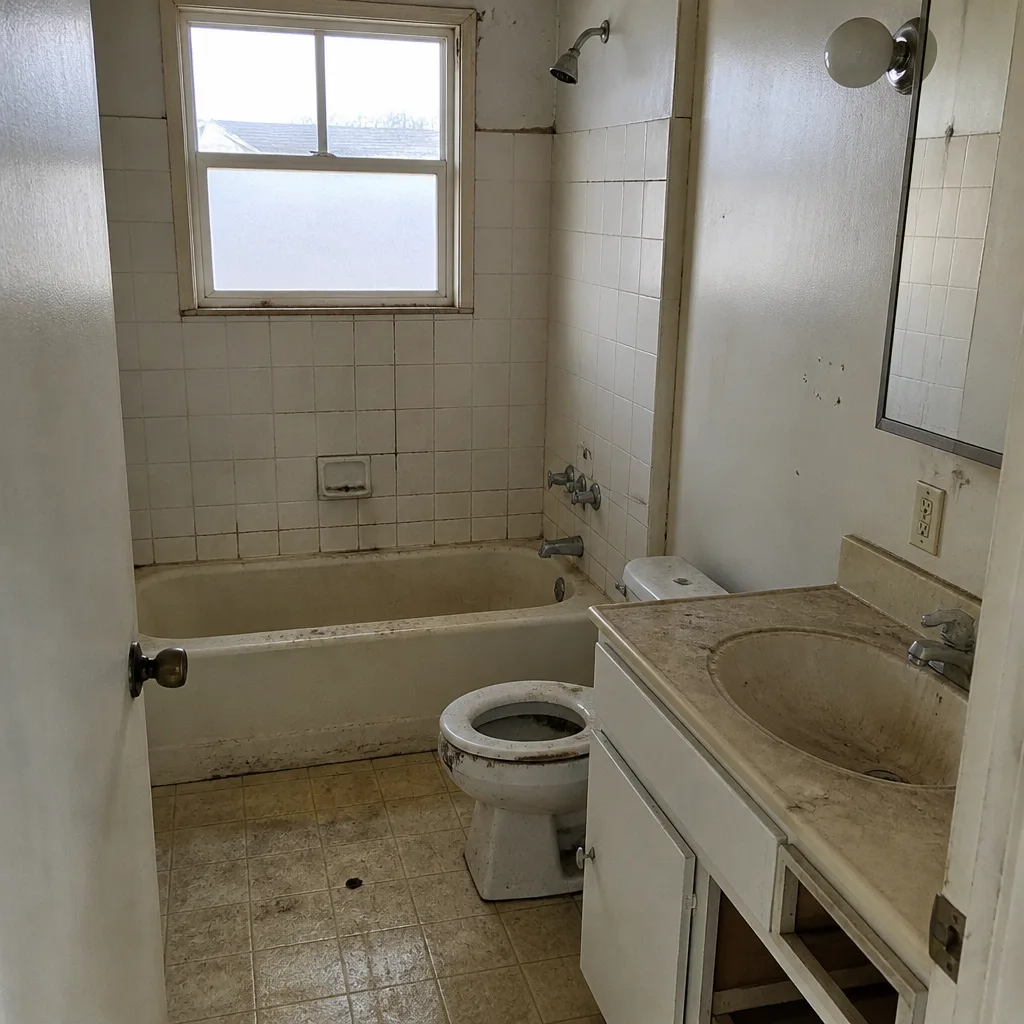 Before
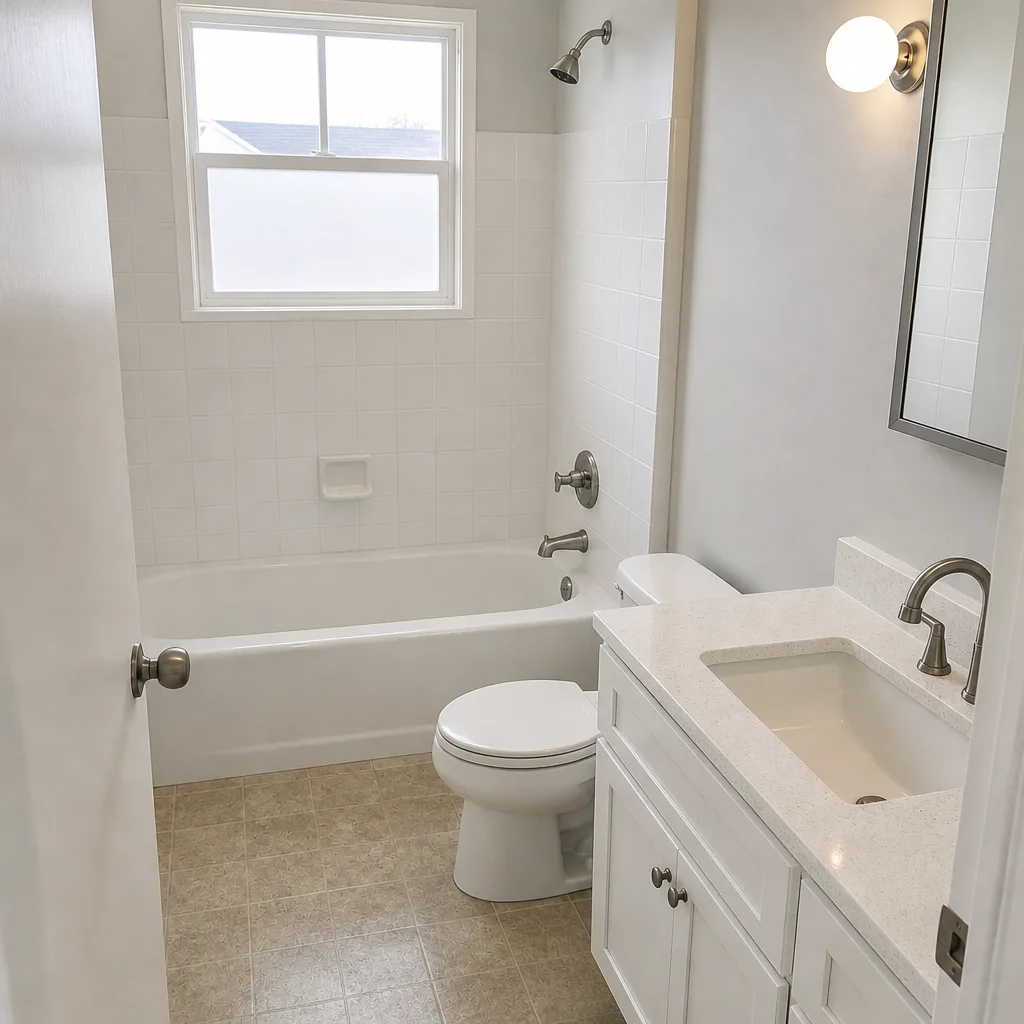 After
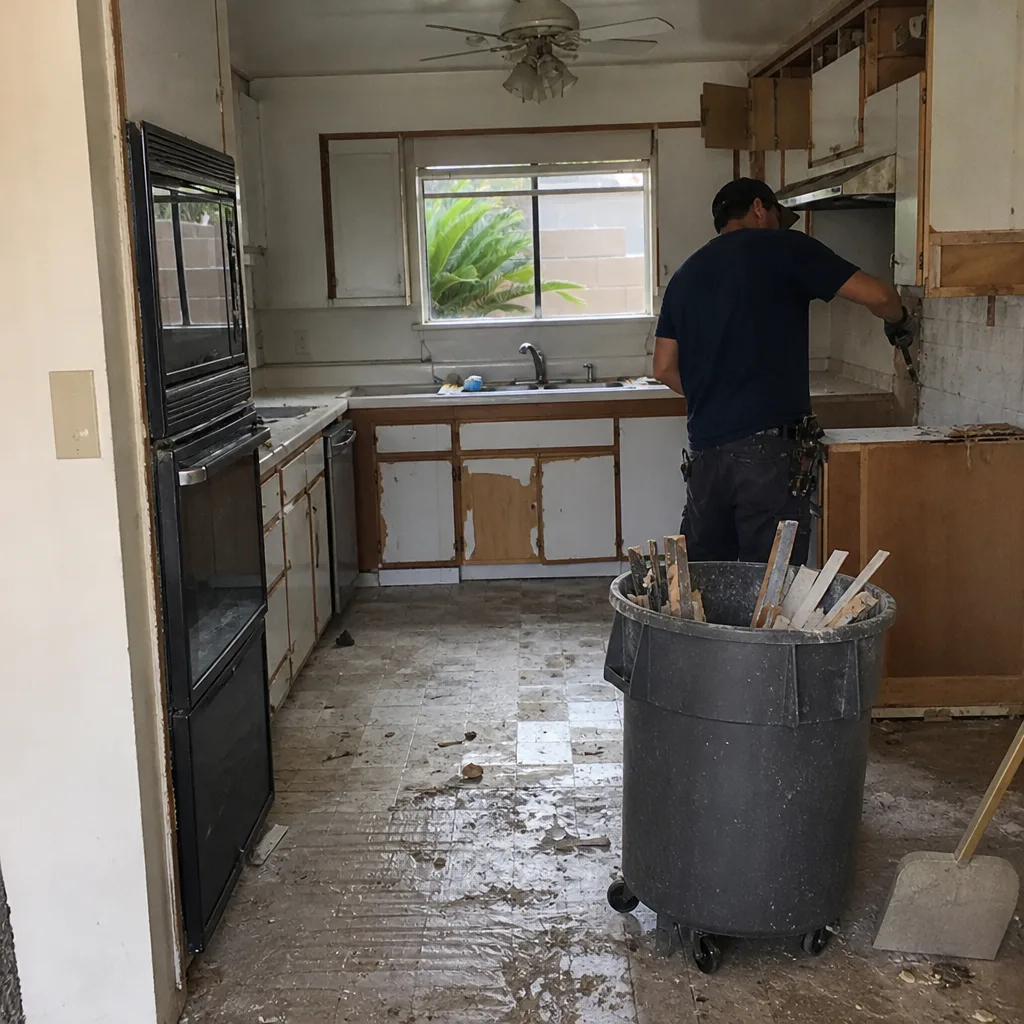 Before
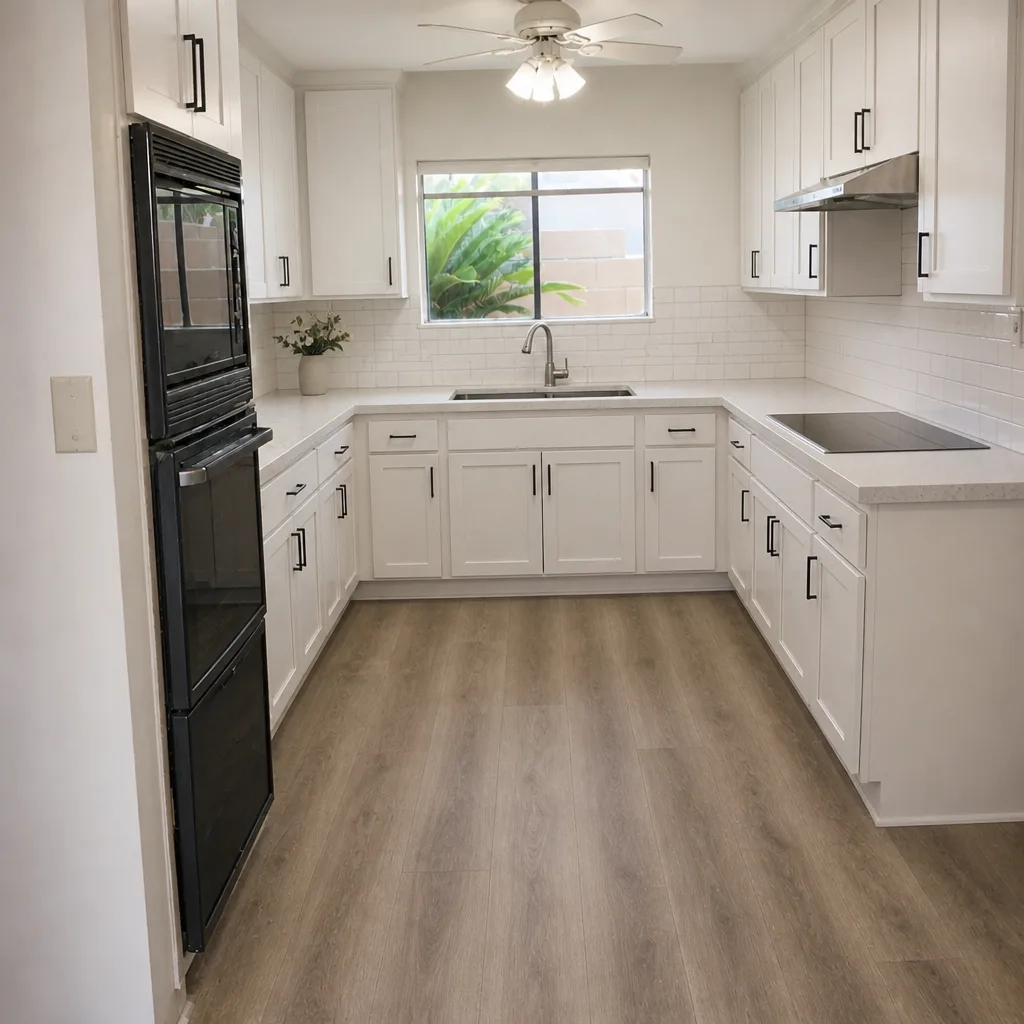 After
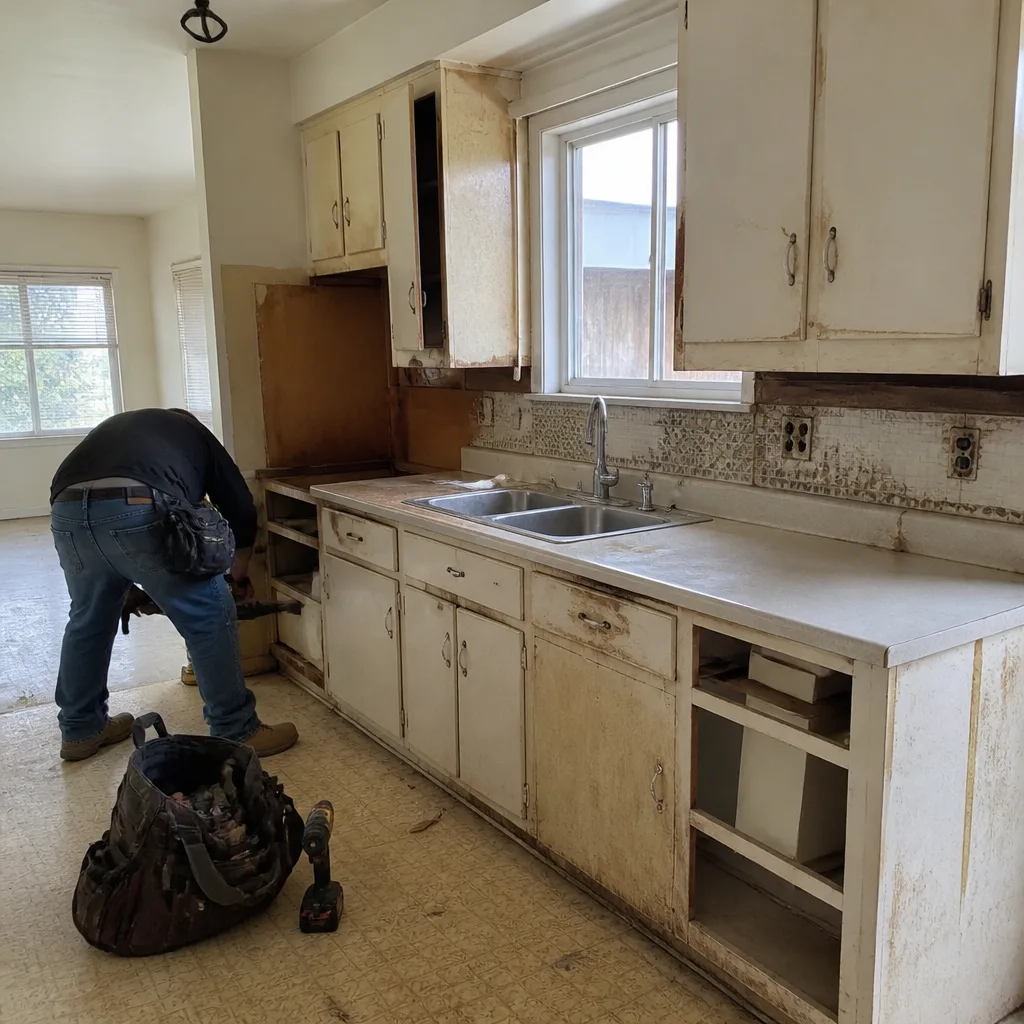 Before
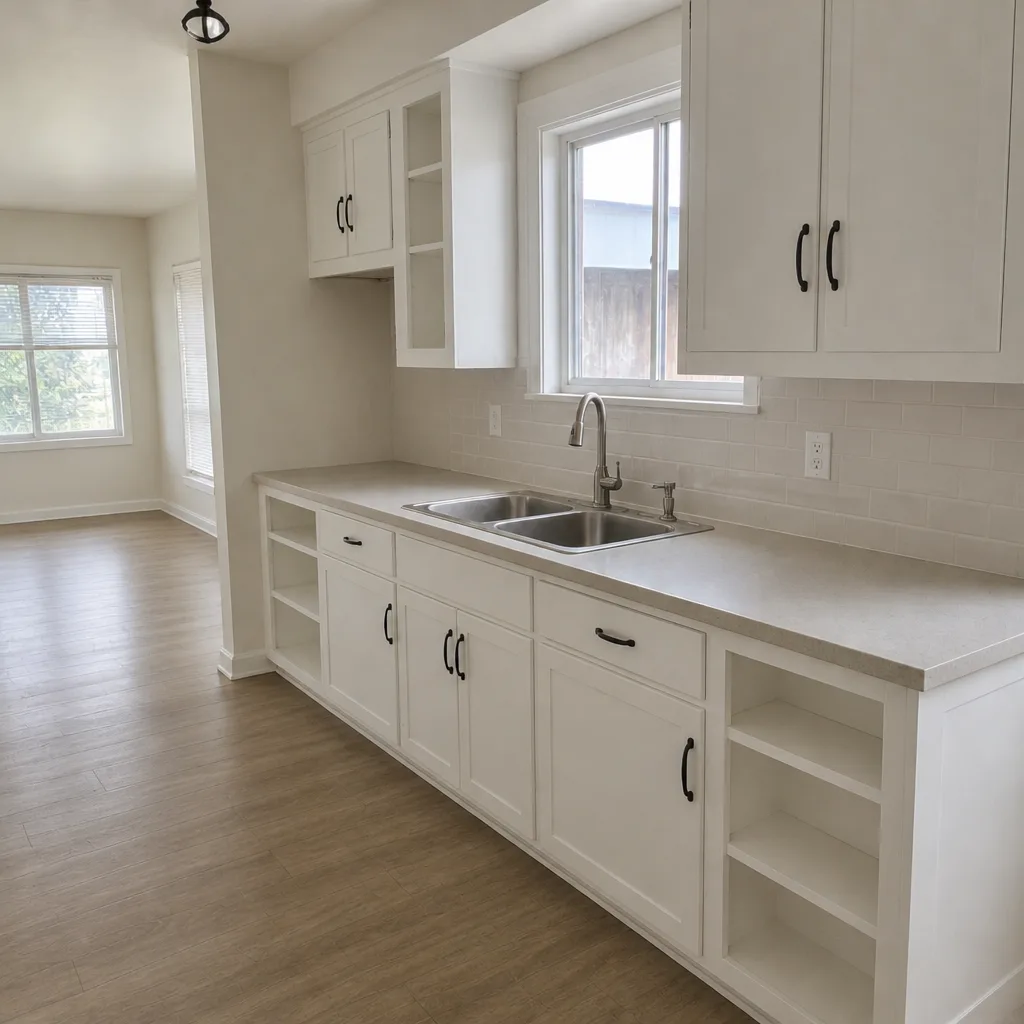 After
Common Mistakes to Avoid

- Assuming the owner-builder permit covers everything. It doesn’t override electrical, gas, or HVAC licensing. California requires a licensed sub for each of those categories, and inspectors will flag the work at the panel or at the gas meter.
- Skipping the insurance call. You need to know your policy’s stance on unpermitted work before the first nail goes in, not after a claim gets denied.
- DIY-ing the shower waterproofing. Huntington Beach’s coastal humidity is unforgiving, and a shower pan that isn’t sealed to Schluter-spec leaks over months, not days.
- Pulling a permit without reading the disclosure. The five-year sale disclosure requirement is buried in the paperwork most people skim once and sign. Read it twice.
- Hiring a sub without verifying the license. California’s CSLB lookup takes two minutes. An unlicensed electrician working for you as an owner-builder can leave you legally exposed for their work.
- Tiling a bathroom wall without checking the substrate. Cement board substrate (the moisture-resistant layer behind your tile) has to be installed correctly before any tile goes up. Getting it half an inch off causes a failure you’ll discover two years later.
- Underestimating schedule slip. A sub who cancels on you as an owner-builder has no financial consequence from a GC relationship. You’ll rebook, call another sub, and lose two weeks each time it happens.
When to Call a Professional
Call a professional if your work touches electrical panels or circuits, gas lines, HVAC refrigerant, plumbing beyond simple fixture swaps, structure, roofing over a single story, or any wet area behind a wall. Call if you’re planning a kitchen or bathroom remodel that involves moving a wall, changing a layout, or replacing a shower or tub surround. Call if you plan to sell within five years and don’t want the owner-builder disclosure on your escrow file. And call if the scope of the project exceeds 100 hours of your time, because at that point the coordination burden is a full-time job.
We approach this work as a written contract with a written price before any work starts, and a 365-Day Done Right Promise that if we got something wrong inside the guarantee period, we come back and fix it at no charge. Every technician we work with is background-checked and arrives in uniform. If you’re weighing the DIY route against hiring Penhallow Remodeling Huntington Beach, we’re happy to walk through your specific project and give you an honest read on what’s safe to handle and what isn’t. Free estimates in Huntington Beach are available by calling (888) 329-8145. A live person answers the phone, and the arrival window we give you is real.
Frequently Asked Questions
Yes, on your primary residence, using the owner-builder permit exemption. It allows you to pull permits and coordinate subs in your own name. It does not allow you to perform electrical panel, gas line, or HVAC refrigerant work yourself; those require licensed professionals regardless of the exemption.
Painting, cabinet hardware, non-wet-area tile backsplash, landscaping, and cabinet painting are all safe and generally allowed without a permit or licensed sub. Any work requiring a permit (structural changes, electrical, plumbing, gas, HVAC) needs to go through the permit process, and the specialty trades need to go to licensed professionals.
Usually not, if the work contributed to a loss and was unpermitted or outside code. Most policies exclude faulty workmanship and unpermitted construction. Call your carrier before starting any permitted project and ask specifically about the exclusion language.
Yes. If you sell within five years of acting as your own contractor, you must disclose that fact to buyers in writing. In Huntington Beach’s market, that disclosure can cost you negotiating leverage at escrow. It’s worth pricing that into the decision before you start.
Typically 15% to 25% of the total project cost, minus the value of 100 to 300 hours of your time, schedule risk, and warranty gaps. On projects under $40,000, the math often works. On larger remodels, the coordination burden tends to eat the savings.
Yes, in a kitchen behind the counter, away from the sink and cooktop. Wet-area tile (showers, tub surrounds) requires proper waterproofing membrane installation and should go to a professional, because a failed membrane produces a leak you won’t discover for months.
The Bottom Line
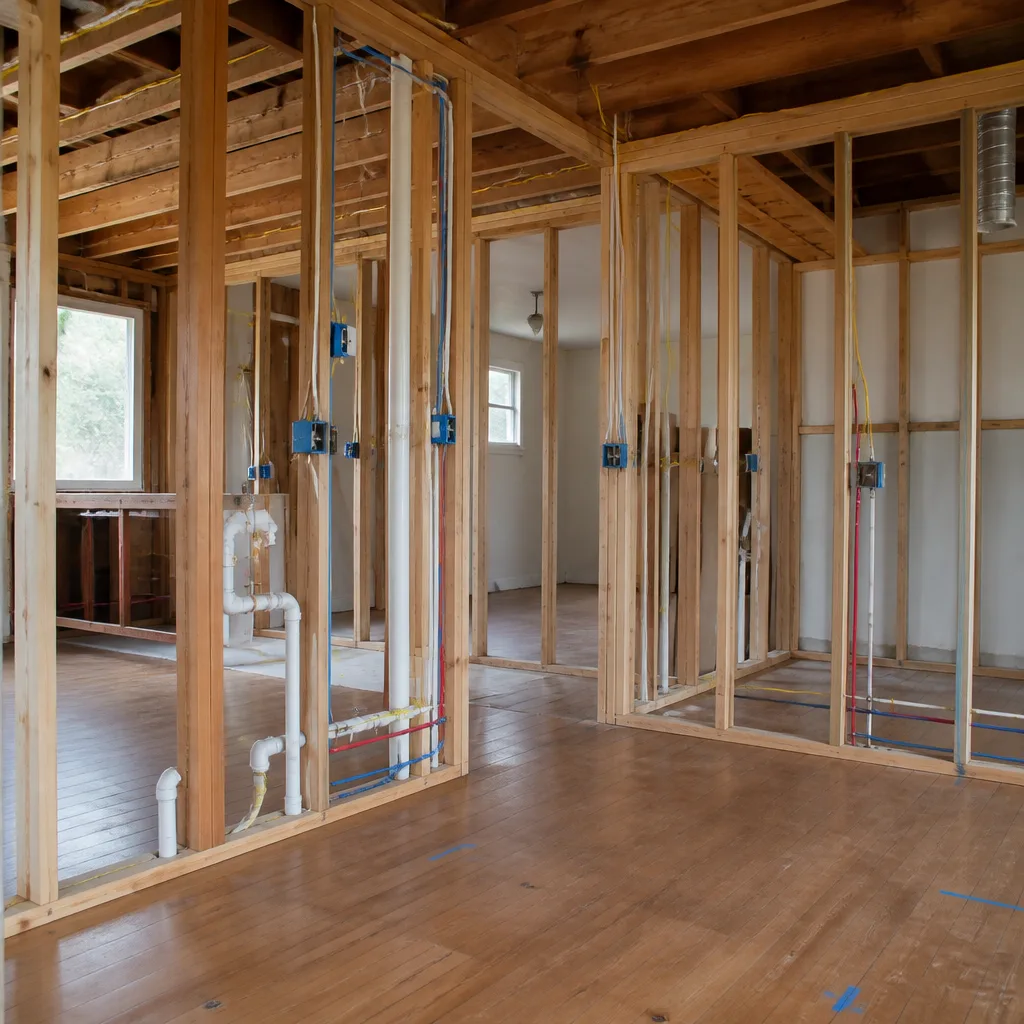
DIY is a good deal on painting, cabinet hardware, backsplash in non-wet areas, and landscaping. It’s a bad deal on electrical panels, gas lines, HVAC refrigerant, plumbing beyond fixture swaps, structural work, and anything involving waterproofing in a wet area. The owner-builder permit gives you coordination rights, not a blank check, and it carries a five-year disclosure requirement that catches most people at escrow. Before you pull the permit, call your insurance carrier and read the exclusions. If your project exceeds 100 hours of coordination or touches any licensed trade, bring in a professional. The savings you thought you’d keep are usually the cost of the risk you didn’t see.
If you’re ready to talk through your project, call Penhallow Remodeling Huntington Beach at (888) 329-8145 for a free estimate. We’ll give you a written price before any work starts, an arrival window you can plan around, and a guarantee you can hold us to.
Written by the team at Penhallow Remodeling Huntington Beach.