Last updated November 17, 2026







Free written scope consultation - allowances, timeline, and change-order rules on paper before a single trade is scheduled
General Contractor Maintenance Checklist for Huntington Beach Homeowners
A steel hinge that lasts 20 years in Phoenix can show rust in under three facing an ocean breeze. That single fact breaks most maintenance advice you’ll find online, because the checklists are written for a generic American house, not for a home two miles from the Pacific. Salt air, marine humidity, and a wet-dry cycle that never quite stops all push on your house in ways a Midwestern guide won’t mention. This checklist is built for Huntington Beach specifically: what fails first here, the signs that mean fix it now versus watch it, and real cost ranges so you know if a bid is reasonable before you sign.
Quick Answer
In Huntington Beach, the maintenance items that fail fastest are the ones exposed to salt air and marine moisture: fasteners, flashing, exterior caulk, window and door seals, and roof-edge metals. A practical annual plan is to inspect those coastal-failure points twice a year, service the roof and gutters before the rainy season, and keep every inspection in writing. Budget somewhere between $600 and $2,500 a year for routine maintenance on a typical Huntington Beach single-family home, more in years when you repaint or re-caulk the exterior.
Styles & brands we work with
- Kitchen remodeling
- Bathroom remodeling
- Home additions & ADU
- Roofing
- Windows & doors
- Driveway & pavers
- Fence
Table of Contents
- Why Huntington Beach Homes Age Differently
- The Coastal Failure Points: Fasteners, Flashing, and Caulk
- Room-by-Room and System-by-System Checklist
- How to Document Every Inspection
- What You Can Do Yourself vs. What Needs a Licensed Contractor
- Cost Benchmarks for Common Maintenance in Huntington Beach
- The Cascade Problem: How One Skipped System Gets Expensive
- Seasonal Timing for a Coastal Climate
Why Huntington Beach Homes Age Differently
The marine layer is the quiet factor in almost everything that goes wrong on a Huntington Beach house. Homes a few blocks from the sand sit in humid, salty air for much of the year, then get hit with dry Santa Ana winds that pull moisture out fast. That wet-dry cycling is what corrodes metal, opens caulk joints, and works nails loose. A house in inland Orange County sees a fraction of it.
The practical result: standard maintenance intervals don’t apply. A deck screw rated for 20 years inland might show surface rust in three near the water. Caulk that holds five years on a protected wall can crack in two on a west-facing one. Galvanized fasteners that are fine elsewhere will stain stucco here, and untreated steel near the coast can pit within a season or two.
What this means for you is a shift in priority. Instead of a generic “check the roof once a year” plan, a Huntington Beach homeowner should treat the exterior envelope and every metal fastener as the front line, and inspect those more often than the interior. If you’re planning bigger work, our guide to a General Contractor in Huntington Beach covers how a pro scopes a coastal home before a remodel, because the same salt-air factors come into play there. If you want the big-picture context on how we approach homes here, our Penhallow Remodeling Huntington Beach home page lays it out.
The Coastal Failure Points: Fasteners, Flashing, and Caulk
Three items do most of the premature damage on a coastal home, and all three are cheap to inspect and expensive to ignore. Here’s how to tell “watch it” from “fix now.”
Fasteners
- Watch it: light surface rust on exterior screws and hinges that wipes away and hasn’t spread to the surrounding material.
- Fix now: rust bleeding into stucco or wood, screws that feel loose when you test them, or any steel fastener that has pitted. Replace with corrosion-rated stainless or hot-dipped galvanized.
Flashing
Flashing is the metal that directs water away from joints, most importantly where the roof meets a wall, around chimneys, and at window heads. Look for lifted edges, gaps, or rust-through. Watch it if the metal is intact but the sealant at its edge is cracking. Fix now if you see staining below the flashing or daylight through a gap, because that’s water already getting behind the envelope.
Caulk and Sealant
Exterior caulk is your cheapest defense and fails first on sun-facing and wind-facing walls. Watch it when the bead is dull but still bonded. Fix now when it pulls away from the surface, cracks through, or feels soft underneath, which usually means moisture is trapped behind it. Re-caulk before the rainy season, not after.
Room-by-Room and System-by-System Checklist
Work through this list twice a year. It’s organized by area so you can hand it to any contractor and get a straight answer on each line.
- Roof and gutters: check the field for lifted or cracked shingles, clear debris from gutters, confirm downspouts discharge away from the foundation. Near the coast, look closely at every metal edge for rust.
- Exterior walls and stucco: walk the perimeter looking for cracks wider than a hairline, bubbling paint, or stains that suggest water tracking. Test caulk joints at windows and doors.
- Windows and doors: open and close every one, check weatherstripping, and look for fogged double-pane glass, which means a failed seal.
- Attic: check for daylight through the roof, look for damp insulation or staining on rafters, and confirm vents aren’t blocked.
- Kitchen: check under-sink cabinets for moisture, test the shutoff valves, look for loose or re-cracked caulk at the backsplash and sink, and inspect the range hood vent.
- Bathrooms: look for soft spots at the tub and shower edges, re-caulk as needed, check the exhaust fan actually moves air, and watch for any grout cracking that lets water behind tile. A failing bathroom is one of the most common reasons homeowners eventually need Bathroom Remodeling in Huntington Beach.
- Plumbing and water heater: check the water heater for rust at the base, test supply lines for brittleness, and know where your main shutoff is.
- Electrical: test GFCI outlets, confirm the panel has no scorch marks, and note any breaker that trips repeatedly. This is a stop-and-call item.
If your walk turns up a kitchen that needs more than a re-caulk, it’s worth reading up on Kitchen Remodeling in Huntington Beach so you understand what a real scope looks like versus a patch.
How to Document Every Inspection
The single most useful habit on a coastal home is keeping a written record. When a warranty or insurance claim comes up later, a dated record of what you inspected and what you found is what settles the argument.
- Date and photograph every inspection, especially close-ups of flashing, fasteners, and caulk joints.
- Note what you found in plain language: “west wall caulk cracked, re-caulked” beats a vague “checked exterior.”
- Keep receipts and warranty paperwork for every material you install, since products like Silestone and Caesarstone counters carry their own coverage alongside the installer’s.
- Save any contractor’s written findings and the guarantee that came with the work, ideally in one folder.
A written record also protects you on the front end: any reputable contractor here should give you a written price before work starts, and you should keep it. That’s the standard we hold to on every job, and it’s what makes the record worth something.
What You Can Do Yourself vs. What Needs a Licensed Contractor
Plenty of maintenance is safe for a careful homeowner. Some of it isn’t, and the line matters both for safety and for permits.
Safe to do yourself
- Clearing gutters and downspouts from a stable ladder.
- Re-caulking accessible exterior joints and interior fixtures.
- Replacing weatherstripping, air filters, and smoke detector batteries.
- Photographing and documenting conditions for your records.
Call a professional, and don’t touch the permit
- Electrical panel or wiring work. A panel is genuinely dangerous; even a confident homeowner shouldn’t open it. Hazards here cause fires and shock, not just inconvenience.
- Gas line work. Any gas connection is a licensed-trade job with inspection requirements.
- Roof work at height, and structural repairs. Falls are the real risk, and a structural fix done wrong is a bigger problem than the one you started with.
- Anything that requires a permit. Huntington Beach, like most Orange County cities, requires permits for work that changes structure, electrical, plumbing, or gas systems. Pulling a permit isn’t red tape; it’s the inspection that confirms the work is right.
When in doubt, ask a licensed contractor to look before you start. It’s cheaper than undoing a mistake.
Cost Benchmarks for Common Maintenance in Huntington Beach
Knowing a rough range before you get bids is the best way to tell a fair price from an inflated one. The numbers below are typical for a Huntington Beach single-family home; your exact cost depends on scope, materials, and access.
- Exterior re-caulk (whole house): $400 – $1,200, more for a large or two-story home.
- Gutter cleaning and minor repair: $150 – $450.
- Roof inspection and small flashing repair: $150 – $600 for the inspection and minor fix; larger repairs run higher.
- Attic ventilation service or repair: $300 – $900.
- Bathroom exhaust fan replacement: $150 – $400 installed.
- Water heater replacement: $1,200 – $2,800 depending on type and size.
- Exterior repaint (full house): $4,000 – $12,000, driven by prep and square footage; coastal prep for corrosion adds cost.
Treat any bid far below these ranges as a question, not a bargain, and ask what’s excluded. A written, itemized price is what lets you compare apples to apples. We give one before any work starts, and you can hold us to it. For a real number on your specific home, call (888) 329-8145.
The Cascade Problem: How One Skipped System Gets Expensive
Maintenance failures don’t stay in their lane. The clearest example is attic ventilation. A blocked or undersized vent traps heat and moisture up top, which cooks the roof deck from below, warps sheathing, and can push moisture down into ceilings and walls. Two seasons later you’re looking at roof repair, insulation replacement, and possibly drywall work, all from a vent nobody looked at.
The same cascade happens with caulk and flashing. A cracked bead lets water behind stucco, the trapped moisture rots the sheathing, and by the time you see a stain inside, the repair has grown from a $200 re-caulk to a wall repair. Coastal homes are especially prone because the salt air attacks the seals and fasteners that hold everything together.
The lesson is simple: fix the small, cheap items on schedule and you avoid the big, expensive ones. That’s the whole case for a written, repeatable maintenance plan.
Seasonal Timing for a Coastal Climate
The best time to protect a Huntington Beach home is just before the wet season, which here means late fall. Aim for two real inspections a year.
- Spring: post-winter check on the roof, gutters, and exterior caulk; note any storm damage while it’s fresh.
- Early fall: the big one. Re-caulk exposed joints, clear gutters, check flashing and fasteners, and service the water heater before the rains.
- Throughout: spot-check the exterior after any Santa Ana wind event, which dries and loosens caulk and can lift flashing.
Marine humidity means you also want to keep an eye on the attic year-round, since trapped moisture shows up as musty smells and staining long before it becomes visible inside a room.
Common Mistakes to Avoid
- Using inland products on a coastal home. Standard fasteners and cheap caulk fail fast here; always specify corrosion-rated stainless, hot-dipped galvanized, and marine-grade sealant.
- Re-caulking over a wet joint. Sealant won’t bond to trapped moisture, so it fails within weeks. Fix the underlying moisture before you re-seal.
- Skipping the attic entirely. Ventilation problems are invisible until they’re expensive, and a coastal home traps moisture up there.
- Not documenting anything. Without dated photos and receipts, a later warranty or insurance claim becomes an argument you can’t win.
- Treating a permit as optional. Unpermitted electrical, gas, or structural work can void coverage and complicate a future sale.
- Accepting a verbal price. If the number isn’t in writing before work starts, it will change.
- Ignoring small interior signs. A soft spot at a shower edge or a fogged window is early warning, and both get more expensive the longer you wait.
See the difference
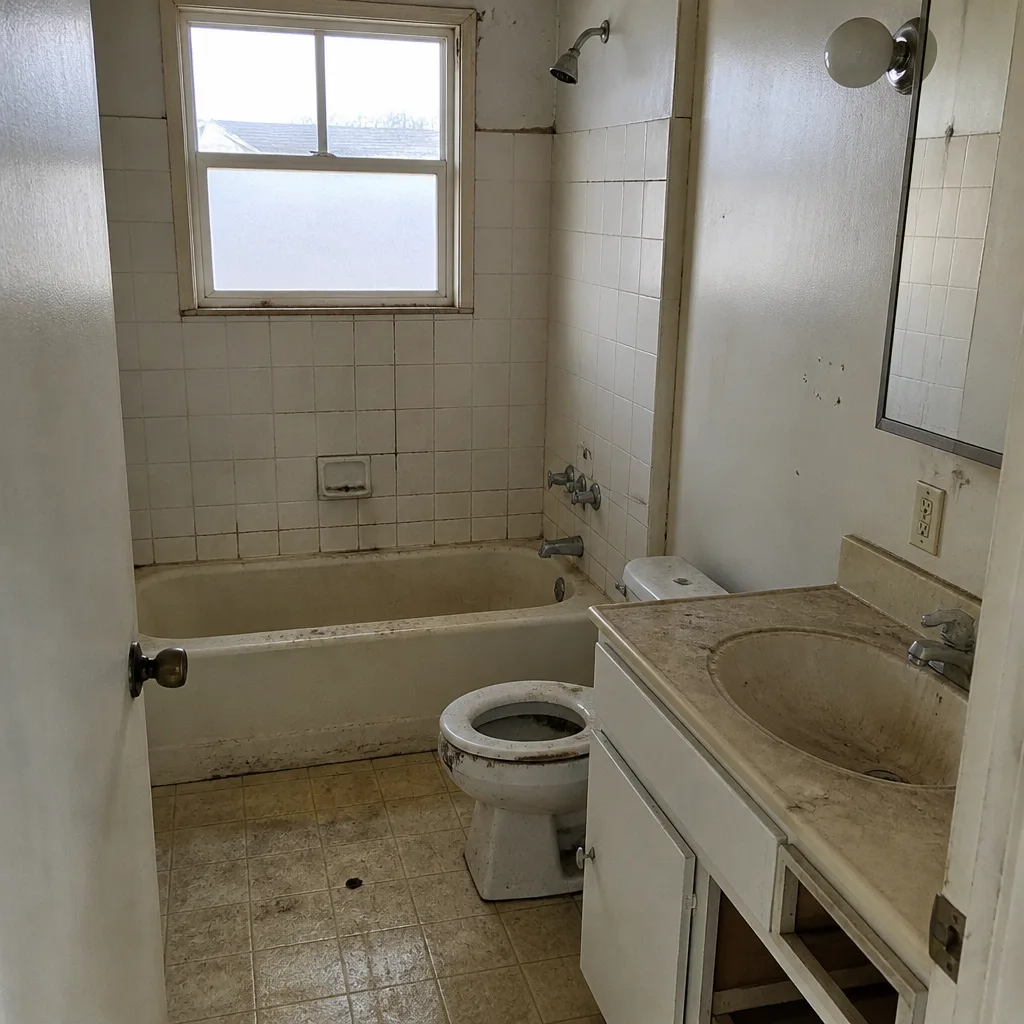 Before
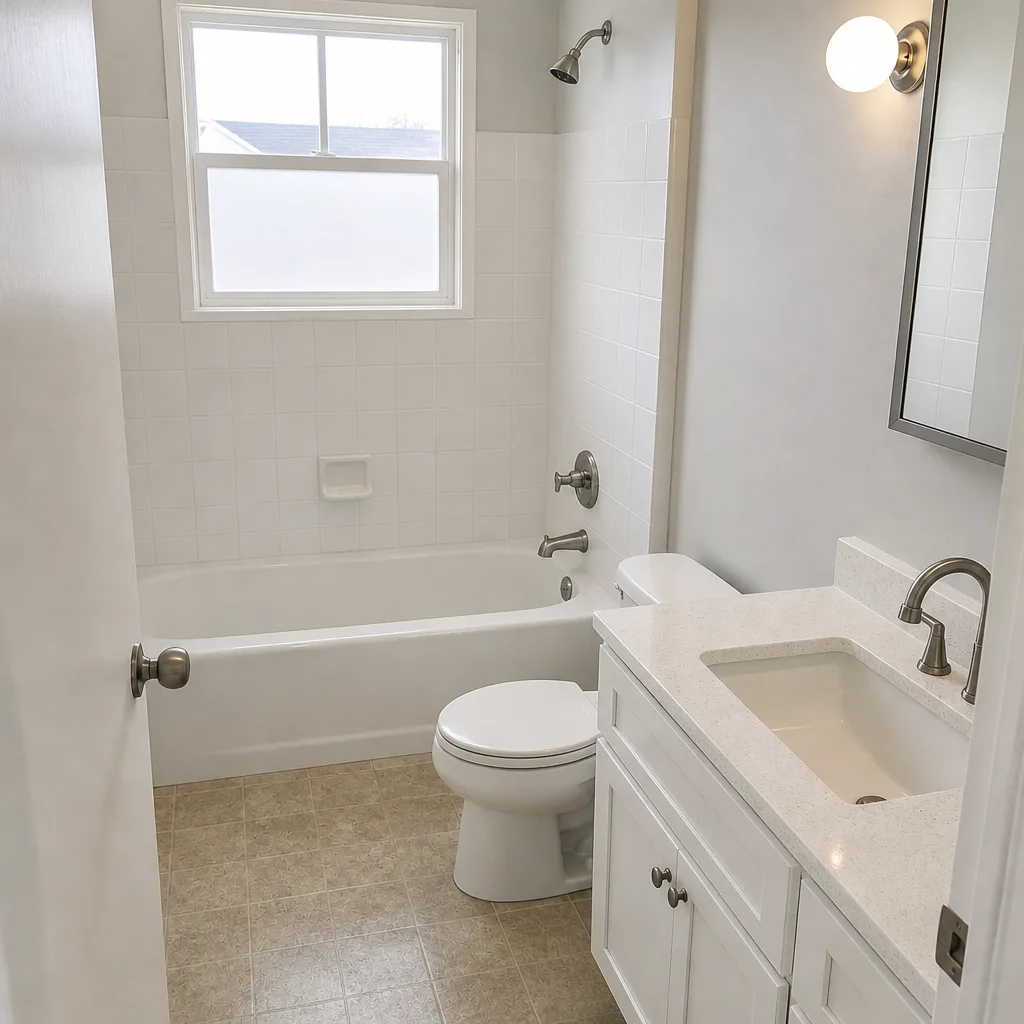 After
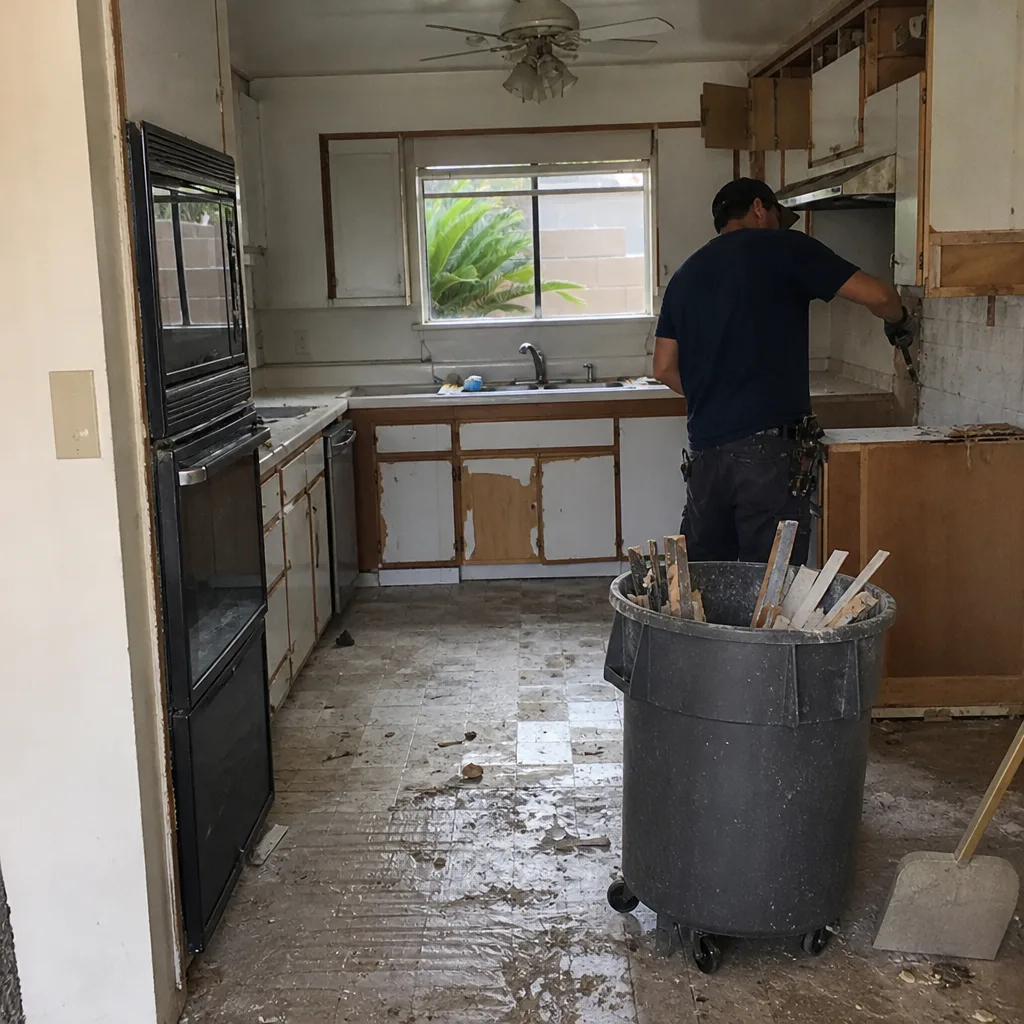 Before
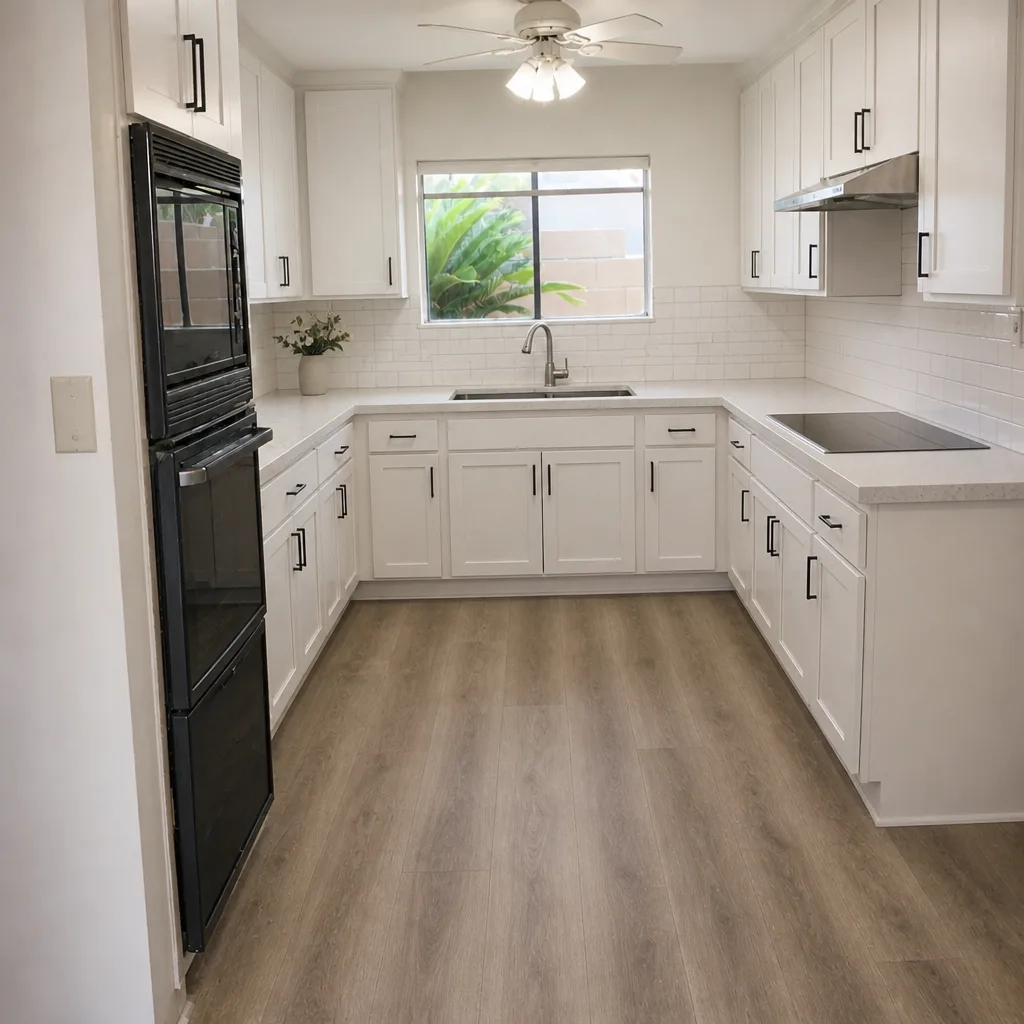 After
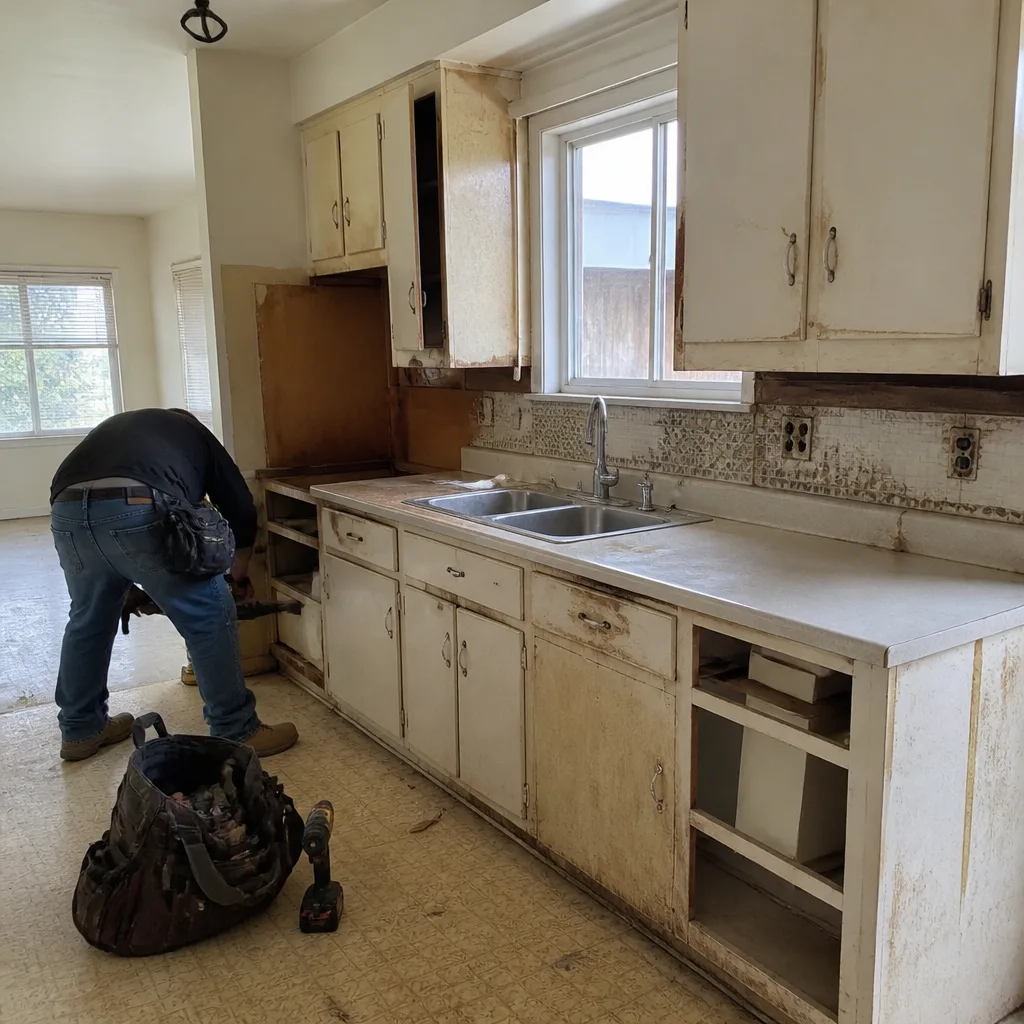 Before
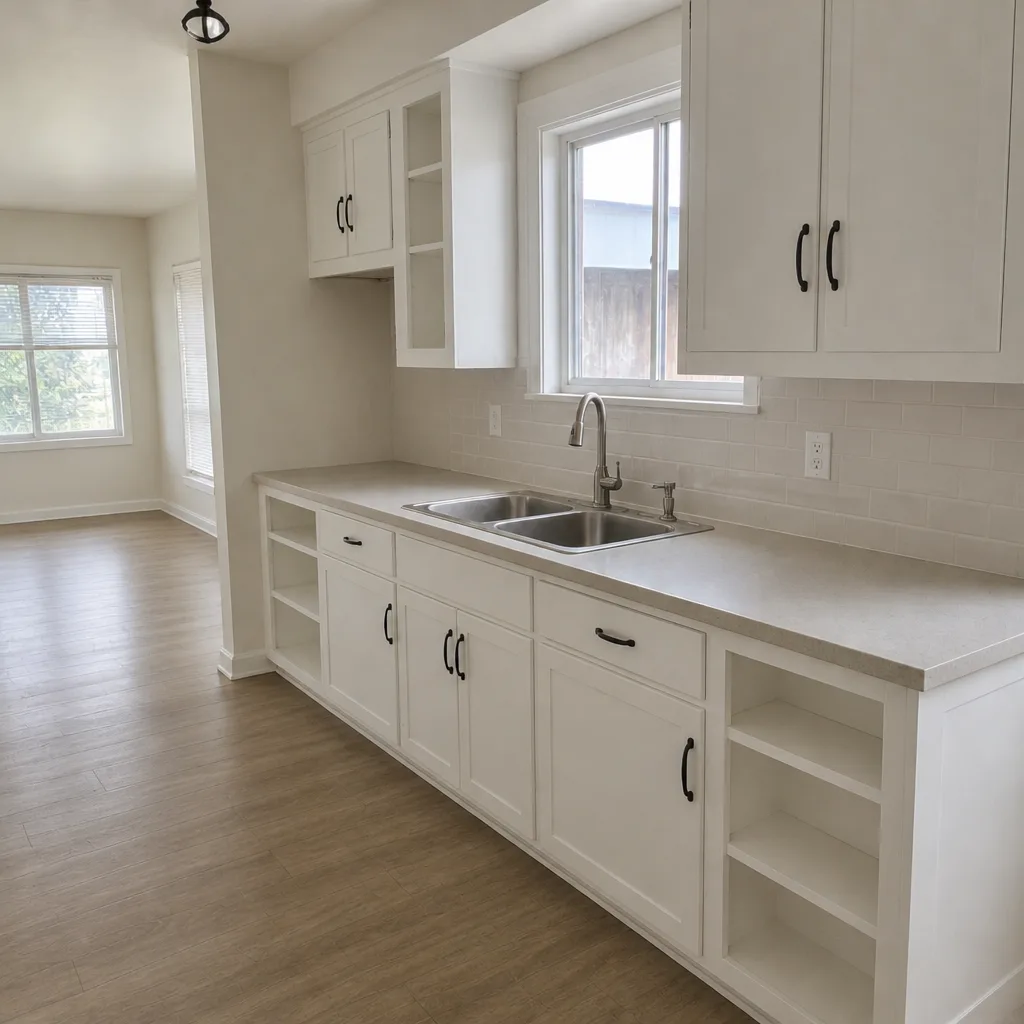 After
When to Call a Professional
Call a licensed general contractor when the work touches electrical panels, gas lines, structural framing, or anything at height, and when a small repair has already started to cascade into a bigger one. Also call when you’re not sure whether a permit is needed, because getting that wrong costs more than asking. If your walk turns up a bathroom or kitchen that’s failing at the seams, that’s the moment to get a real scope and a written price rather than another patch. Penhallow Remodeling Huntington Beach offers free estimates in Huntington Beach – call (888) 329-8145 and a live person will answer. If this is your first bigger project, it’s also worth reading our guide on starting bathroom remodeling in Huntington Beach so you know what to expect.
Frequently Asked Questions

Twice a year is the practical minimum, with the fall inspection just before the rainy season as the most important one. Homes within a few blocks of the sand benefit from an extra spot check after Santa Ana wind events, since that dry wind loosens caulk and flashing faster than inland weather.
Exterior caulk, flashing, and metal fasteners fail first, because salt air and marine humidity attack them directly. Watch for cracked or pulled-away caulk, rust bleeding into stucco, and loose screws. Fix these early; they’re the cheapest items on the list and the most expensive to ignore.
Work that changes structure, electrical, plumbing, or gas systems generally requires a permit and inspection. Routine maintenance like caulking, cleaning gutters, and replacing filters doesn’t. When it’s unclear, ask a licensed contractor before you start – an unpermitted repair can complicate insurance and a future sale.
Plan on roughly $600 to $2,500 a year for routine upkeep on a typical home, with higher years when you repaint or re-caulk the exterior. Line items run about $400 to $1,200 for a whole-house re-caulk and $150 to $450 for gutter cleaning. Call (888) 329-8145 for a free written estimate.
A blocked or undersized vent traps heat and moisture, which cooks the roof deck, warps sheathing, and pushes moisture into ceilings. Fixing it costs a few hundred dollars; ignoring it can trigger roof and insulation repairs two seasons later. Coastal humidity makes the risk higher than inland.
Yes, and you should insist on it. A written, itemized price before work starts is what lets you compare bids and hold the contractor to the number. If a contractor won’t put the price in writing, walk. We put every price and guarantee in writing before a tool comes out.
The Bottom Line
A Huntington Beach home needs a maintenance plan built for the coast, not a generic national checklist. Inspect the exterior and every metal fastener twice a year, prioritize the fall pass before the rains, and treat caulk, flashing, and fasteners as your first line of defense. Document each inspection in writing so a future warranty or insurance claim has something to stand on, know which tasks are safe to do yourself, and use real cost ranges to judge a bid before you sign. Do the small, cheap items on schedule and you skip the expensive cascade. And when the work calls for a licensed pro, get a written price and a written guarantee – that’s the standard every job should meet.
Written by the team at Penhallow Remodeling Huntington Beach.