Last updated November 17, 2026








Free written scope consultation - allowances, timeline, and change-order rules on paper before a single trade is scheduled
General Contractor Warning Signs Every Homeowner Should Know
Most homeowners hire a contractor maybe three times in their life, so the learning curve is brutal and expensive. Here’s the counterintuitive part: the failures that cost people the most money rarely show up on the job site first. They show up in the paperwork habits, or the absence of them. A contractor who won’t commit the price to paper before work starts creates the exact conditions for an honest disagreement that turns into a $12,000 dispute. We’ve watched this play out across Huntington Beach, and it almost always telegraphs itself weeks before demo day. This guide covers the documents, phrases, and math that let you catch trouble before a tool leaves the truck.
Quick Answer
The biggest red flags when hiring a contractor are a refusal to put the price and scope in writing before work begins, an upfront deposit above 10% or $1,000 (whichever is less, which is the California legal limit), and vague verbal scopes that invite disputes later. Craftsmanship problems are hard to predict. Paperwork habits are not, and you can screen for them in a single conversation.
Styles & brands we work with
- Kitchen remodeling
- Bathroom remodeling
- Home additions & ADU
- Roofing
- Windows & doors
- Driveway & pavers
- Fence
Table of Contents
- The Seven Documents You Need Before Demo Day
- Why a Low Bid Is More Dangerous Than a High One
- The Verbal Phrases That Predict Future Problems
- How to Verify Insurance for Real, Not Just on Paper
- The Payment Schedule Red Line
- Permits, Inspections, and the Huntington Beach Code Picture
- What Huntington Beach Climate Exposes in Cheap Work
- Lien Waivers and Warranty Terms
The Seven Documents You Need Before Demo Day
A licensed general contractor should hand you seven distinct documents before anyone swings a hammer. Not six. Not a handshake and a napkin. Here’s the full set, and why each one earns its place:
- Written estimate. A specific number, not a range and not a ballpark. It should list line items.
- Scope of work. What’s included, what isn’t, what materials are specified. This is where “we’ll figure it out” gets shut down.
- Payment schedule. Tied to milestones (demo complete, rough-in passed, cabinets set), not to random dates.
- License and insurance certificates. Both current, both verifiable.
- Permit plan. Who pulls them, who pays for them, when they’re submitted.
- Lien waiver process. How you’ll be protected from a subcontractor putting a lien on your house for a bill the GC didn’t pay.
- Warranty terms. What’s covered, for how long, and what actually happens if something fails.
If a contractor bristles at handing over any of these, that’s information. It doesn’t mean they’re a crook. It usually means they’ve never had a system, and an unsystematic job is where money disappears. When we quote a kitchen in Huntington Beach, the price lives in writing before a single cabinet is ordered, and the guarantee is spelled out alongside it. That’s the standard you should expect from any general contractor in Huntington Beach you’re considering.
Why a Low Bid Is More Dangerous Than a High One

A surprisingly low bid isn’t a gift. It’s a pricing error waiting to be corrected on your dime. Here’s the math that explains why low-ball bids almost always climb. A contractor who’s underbid by 15% on a job with a $24,000 material-and-labor cost needs either to cut $3,600 of scope or recover it later. Since the estimate already showed the winning number, the recovery happens through change orders: “That’s not in the original scope,” “We hit a surprise under the tile,” “You wanted the upgraded fixture.”
By the invoice, the low bid has usually grown to meet, or exceed, the honest bid. And you’ve spent the interim in a dispute rather than a remodel.
In our experience across Huntington Beach, this pattern repeats well past kitchens and baths. A whole-home remodel priced 20% under neighboring bids is typically missing a category of work, not a margin. Maybe the electrical panel upgrade was left out. Maybe the drywall patching and paint weren’t in the original number. Look at the low bid and ask specifically: what’s not in this? The answer tells you whether the number is real.
The Verbal Phrases That Predict Future Problems
Craftsmanship you can judge from photos. The words you hear in the kitchen conversation are the tells you can’t get from a portfolio. Here are three phrases that consistently line up with project trouble:
- “We’ll figure it out as we go.” A vague scope creates honest disagreements. On demo day, “figure out” becomes “you didn’t specify.” That’s a change order, not a conversation.
- “Permits slow everything down, we can skip them.” A contractor willing to skip permits is willing to gamble with your house’s resale and your insurance coverage. Pulling permits and passing inspections protects you, not them.
- “I can start tomorrow.” A booked contractor with a real schedule doesn’t cold-call you and start tomorrow. That’s usually a contractor with no pipeline, who needs your deposit before they can buy the material.
The pattern behind all three is a contractor willing to trade future risk for present convenience. That trade-off is exactly what ends up in your lap. A real written price is what prevents “we’ll figure it out” from ever becoming a line item.
How to Verify Insurance for Real, Not Just on Paper
A certificate of insurance (COI) is a piece of paper. Whether it actually covers the person walking into your home is a different question, and the only way to answer it is to call the insurer directly. If a contractor hands you a COI showing general liability coverage, the next step is to call the insurer listed on the paperwork and confirm three things:
- The policy is current (not expired, not cancelled).
- The coverage limits shown are accurate.
- The contractor’s legal business name matches what you were told.
Ask if the policy includes workers’ compensation. If a worker without workers’ comp gets hurt on your property in California, you can be exposed. This verification step takes about ten minutes on the phone with the insurer and eliminates a category of costly risk.
The same principle applies to licensing. You can check a contractor’s license status and current standing in California through the state’s licensing database. Do it. A lapsed license, an expired bond, or a suspended registration is disqualifying, no matter how good the portfolio looks. Our technicians are background-checked and arrive in uniform because we think the identity of who enters your home is a baseline, not a bonus.
The Payment Schedule Red Line
California has a specific rule, and it’s a hard line: any contractor asking for more than 10% or $1,000 upfront, whichever is less, is violating state law. That’s not a gray area. It’s codified.
So when a contractor asks for 50% down on day one, you’re not seeing a payment preference. You’re seeing a contractor who either doesn’t know the law or doesn’t follow it. Neither scenario is a good sign at the start of a $40,000 remodel.
A legitimate payment schedule usually looks like this:
- A small deposit within the legal limit (tied to materials ordering or a start date).
- A milestone payment when demo is complete.
- Another when rough-in passes inspection.
- More when cabinets or finishes are installed.
- A final payment (often 10-15%) after punch list and final walkthrough.
If any milestone is tied to a date rather than to work completed, ask why. When we quote a kitchen remodeling in Huntington Beach, the payment schedule tracks the milestones, not the calendar. That’s the standard a Houston homeowner paying cash deserves; it’s the standard a Huntington Beach homeowner deserves too.
Permits, Inspections, and the Huntington Beach Code Picture
Permits exist because local inspectors are the only independent check on the work. If your contractor wants to skip them, they’ve just removed the only mechanism that keeps a future buyer’s inspector from finding a problem years down the line. For Huntington Beach, several remodel categories routinely require permits: structural changes, additions, panel upgrades, plumbing relocations, new gas lines, and many electrical modifications. Minor cosmetic work (paint, wallpaper, refacing) usually doesn’t, but the categories aren’t always obvious.
Ask the contractor to show you the permit plan in writing: who’ll pull the permit, what the permit covers, when the inspection is scheduled. If any project inspection fails, the contractor should be the one to correct it and cover the re-inspection cost, not you. When we take on a bathroom remodeling in Huntington Beach, the permit is spelled out in the scope and the inspection schedule is on the calendar before work starts. That’s the standard that keeps a project from stalling at final inspection.
What Huntington Beach Climate Exposes in Cheap Work
Huntington Beach lives with something that reveals shortcut work quickly: coastal humidity and marine air. We’ve seen shortcuts in both baths and kitchens that look fine for the first 60 days and fail by month ten. The typical failure points are:
- Cheap cement board substrate behind tile, which wicks moisture and shows as bulging grout lines soon after.
- Unsealed exterior penetrations, where marine air pushes its way into wall cavities and rots framing.
- Untreated door frames and trim, which swell and split within a single wet season.
In our experience in Huntington Beach, tile work commissioned in summer and inspected the following spring often shows the difference between cement board and gypsum in the shower pan. That’s where we specify materials from brands with a real warranty, whether that’s Cambria quartz on the counter or Kohler fixtures in the bath. The brand is part of the defense. The substrate behind it is the other part.
The 365-Day Done Right Promise exists because we know what the coastal climate does to a project. If it’s not done right in the first year, we come back and fix it at no charge. In writing.
Lien Waivers and Warranty Terms
Two document categories most homeowners don’t think to ask about until it’s too late:
Lien waivers. In California, a subcontractor or material supplier who doesn’t get paid can file a mechanic’s lien against your property. That’s not the subcontractor’s fault. It’s the GC’s failure to pay. Ask the contractor to provide conditional lien waivers from each sub and supplier as work is completed and paid, and a final unconditional waiver at project close. That structure protects your title from a bill you never owed.
Warranty terms. “We stand behind our work” is not a warranty. A warranty is a document that says what’s covered, for how long, and what happens if a covered item fails. Ask for it in writing, separately from the estimate. Any guarantee that’s only verbal is unenforceable. Ours spells out the coverage, the fix, and the timeline in writing, included with every job.
A Penhallow Remodeling Huntington Beach home project is typical of what we mean: written price up front, written warranty on the same page count.
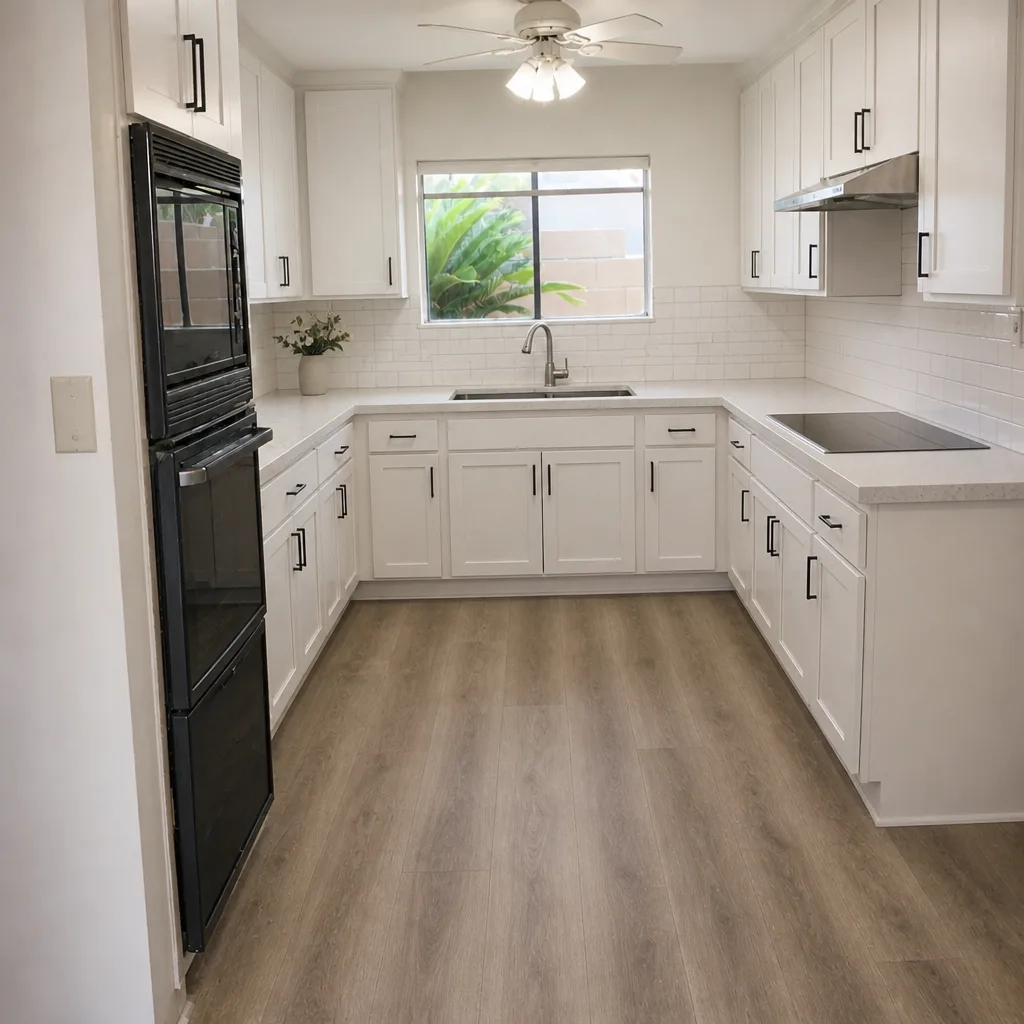
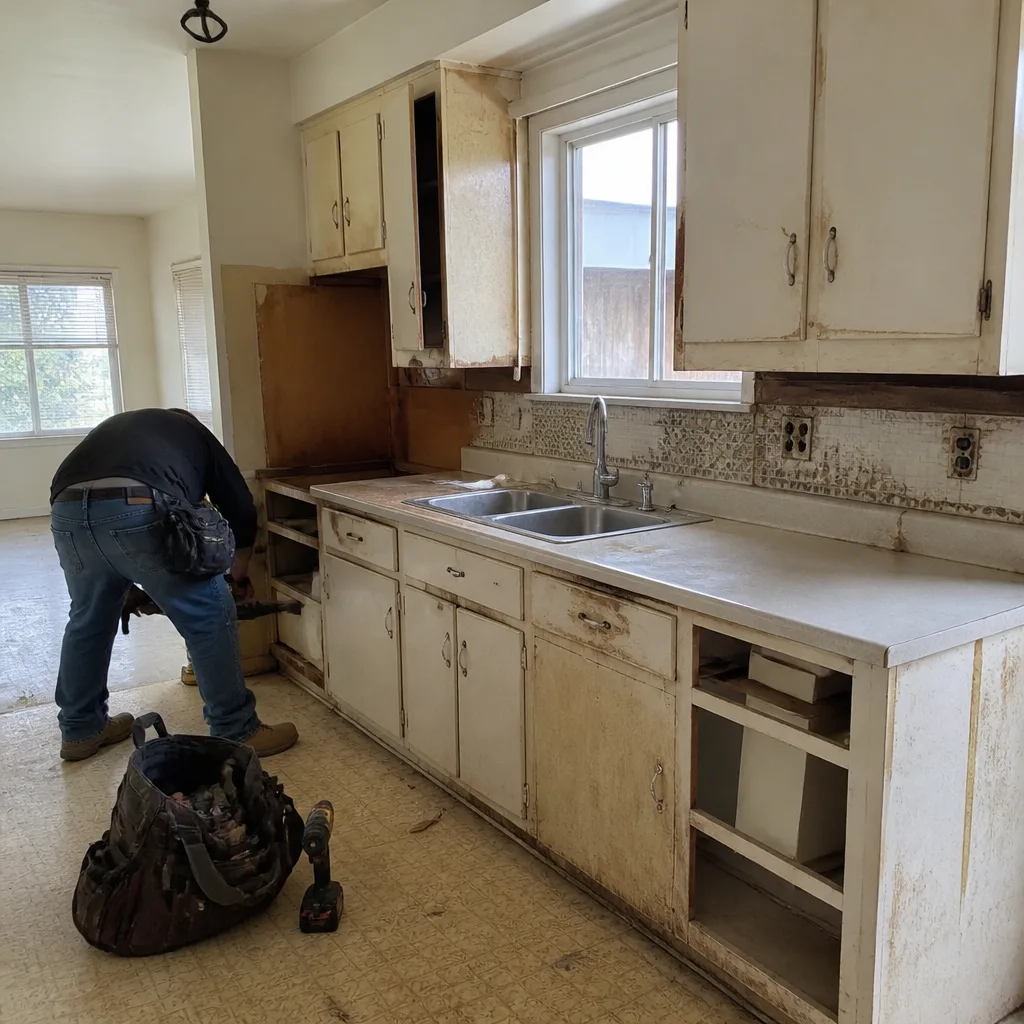
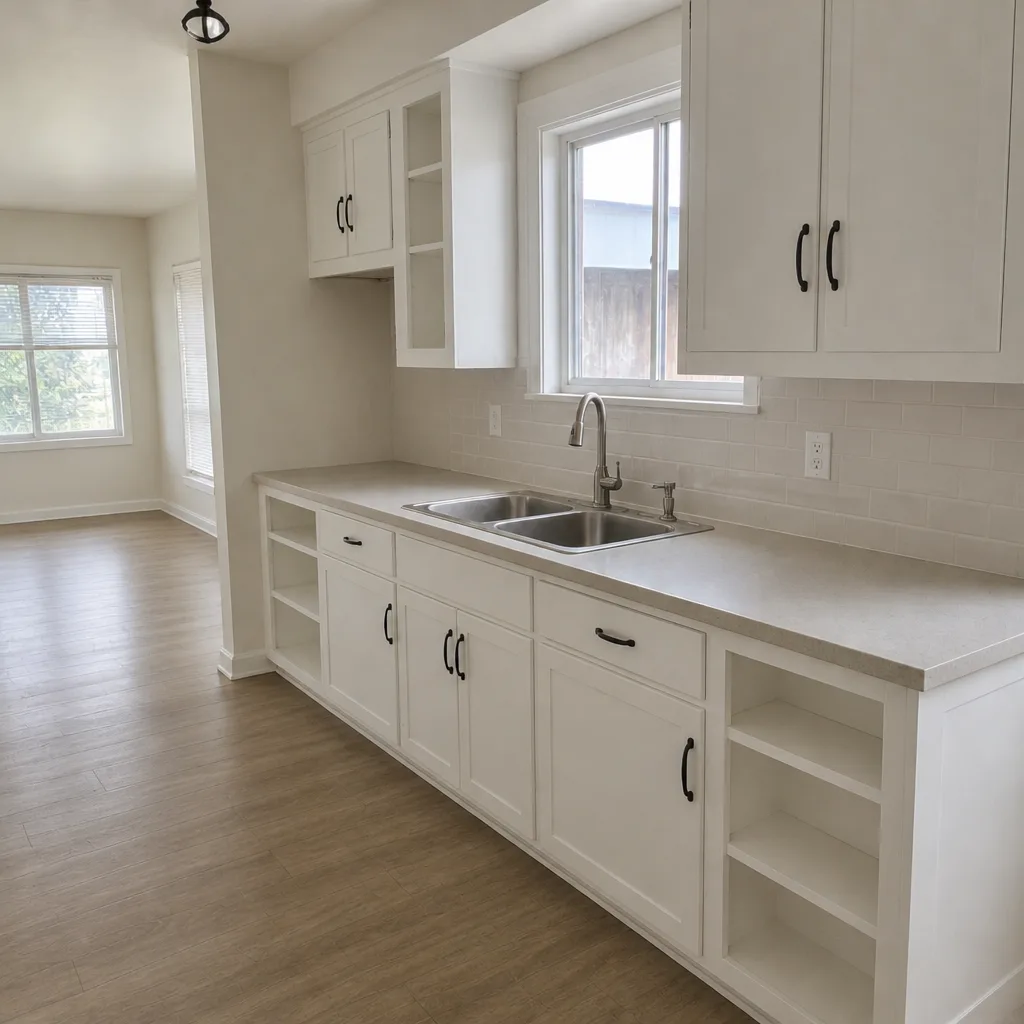
See the difference
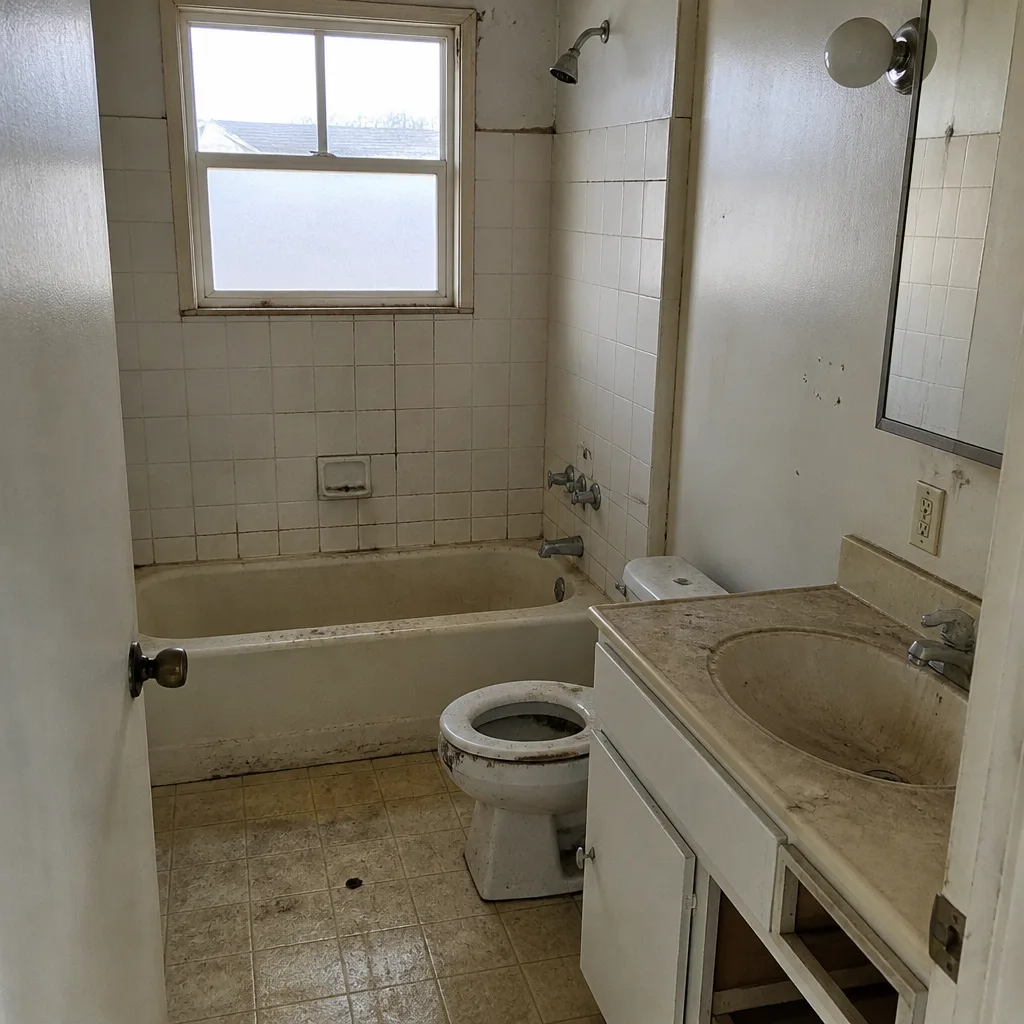 Before
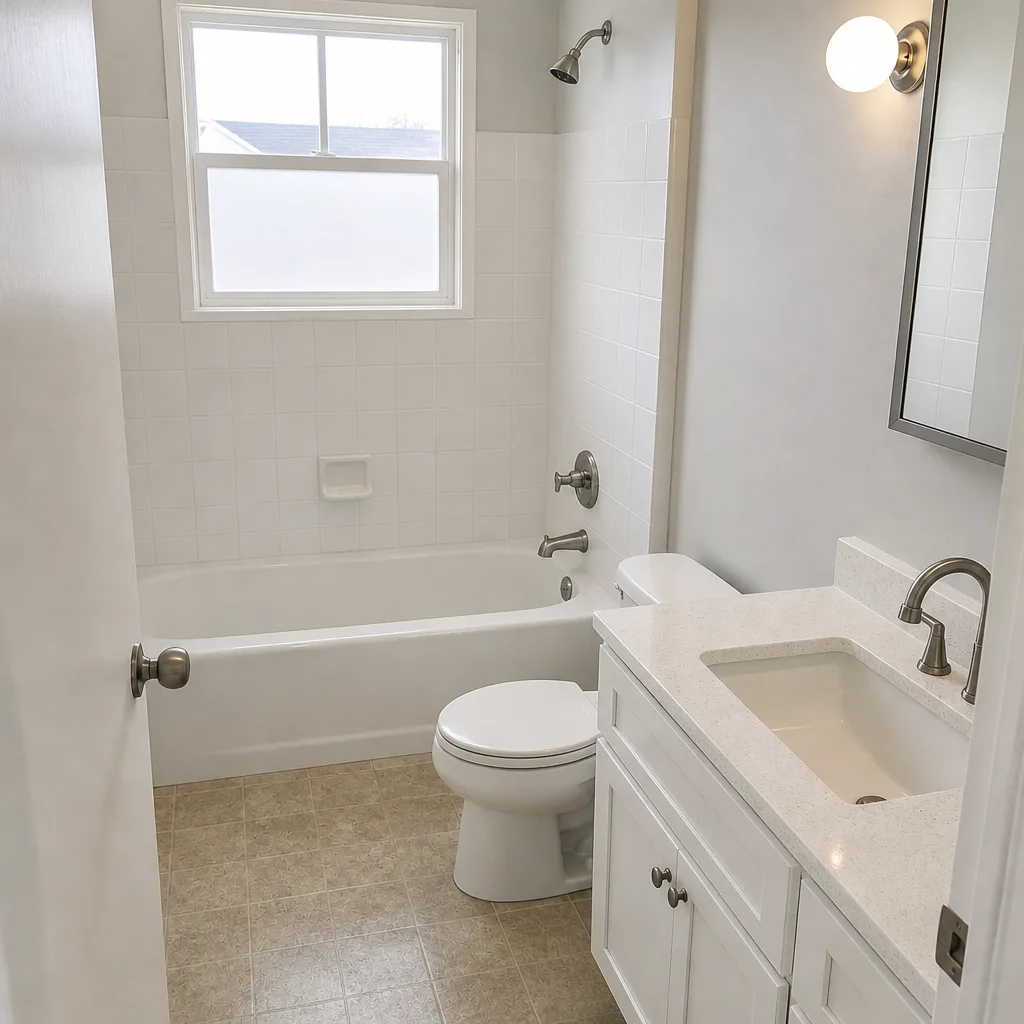 After
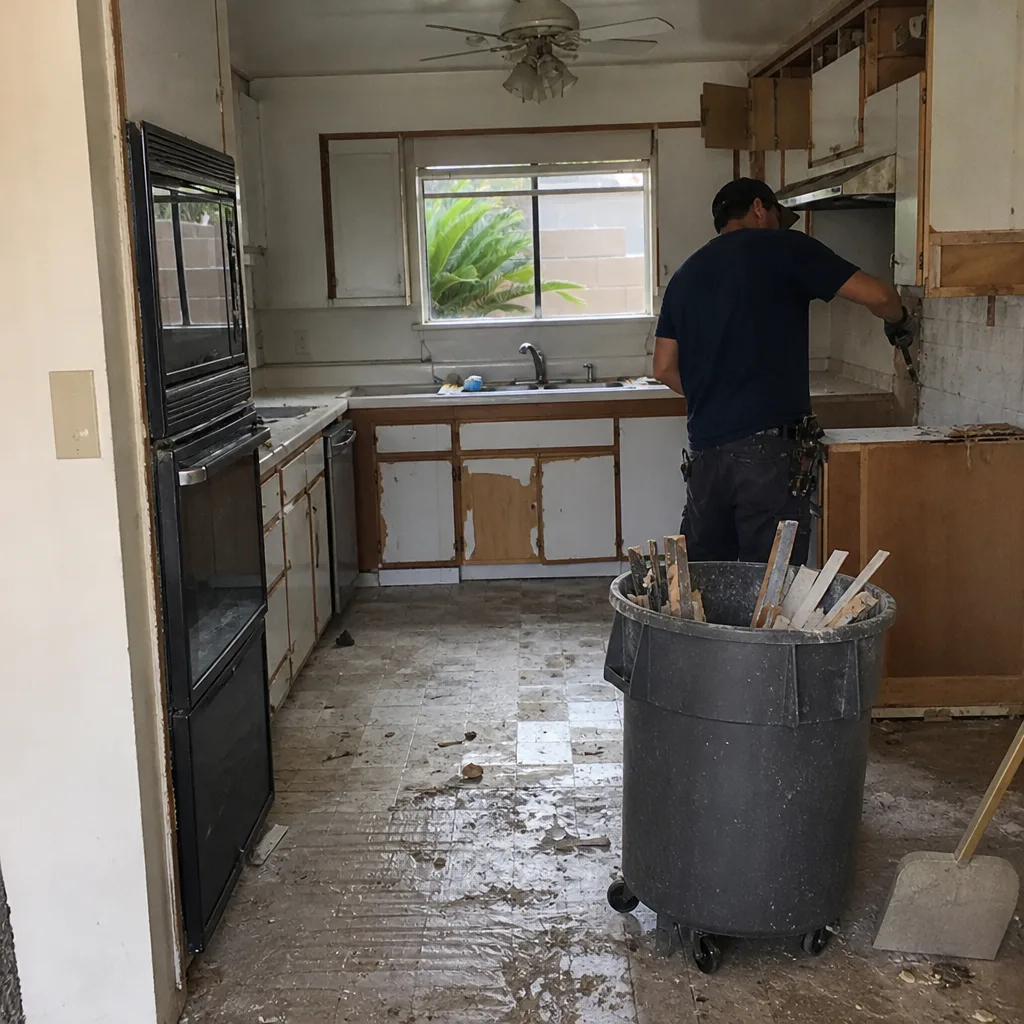 Before
 After
 Before
 After
Common Mistakes to Avoid
- Choosing the lowest bid without examining what’s missing. The cheapest bid is usually cheap because a category of work (electrical, patching, paint) isn’t in it. Ask directly: what did you leave out?
- Paying more than 10% or $1,000 down (whichever is less). California law caps it. A contractor who asks for more is either unaware or disregardful of the rule.
- Accepting a certificate of insurance without calling the insurer. A COI is a snapshot, not proof of active coverage. Ten minutes on the phone changes the risk picture.
- Skipping the lien waiver process. In Huntington Beach, a material supplier who doesn’t get paid by the GC can lien your house. Get waivers as the project moves.
- Letting a verbal scope stay verbal. If the “figure it out later” phrase lands, the upgrade price will always be yours.
- Confusing a warranty with a promise. “We stand behind it” is a phrase. A warranty is a document with coverage terms and a fix timeline.
- Ignoring what marine air does to cheap exterior work. One Huntington Beach wet season is enough to reveal shortcuts behind tile and around door frames.
When to Call a Professional
If any of the following situations matches yours, hiring a licensed general contractor is the right move, not a DIY patch: a permit-required structural change, an electrical panel upgrade, a bathroom re-tile where the substrate failed once already, a kitchen where cabinet and countertop removal is part of the scope, or a project where the last contractor walked off mid-job. Those are all situations where the paperwork, the guarantee, and the permit paperwork are the thing that protects you from doing the work twice. Penhallow Remodeling Huntington Beach offers free estimates in Huntington Beach. Call (888) 329-8145 to schedule yours.
Frequently Asked Questions
The single biggest red flag is a contractor who resists putting the price and scope in writing before work starts. That behavior predicts expensive disputes more reliably than anything else. Call (888) 329-8145 for a free estimate with a written price.
No more than 10% of the total project or $1,000, whichever is less, is the California legal limit for an upfront deposit. Any request above that line violates state law. Call (888) 329-8145 to ask about our written payment schedule.
Call the insurer listed on the certificate and confirm the policy is current, the limits are accurate, and the legal business name matches. The insurer’s phone number on the COI is the actual verification. This takes about ten minutes. Call us for a walkthrough of what to ask: (888) 329-8145.
Seven documents: written estimate, scope of work, payment schedule, license and insurance certificates, permit plan, lien waiver process, and written warranty terms. If you don’t get all seven, that’s the warning sign. Call (888) 329-8145 for a written quote that covers every one.
Low bids typically leave a work category out of scope, and the missing cost gets recovered through change orders later. In our experience, the low bid often exceeds the honest bid by the time it reaches the invoice. Call (888) 329-8145 for a written quote that lists what’s included.
It means the scope is undefined, and undefined scope turns every later decision into a change order. In Huntington Beach coastal humidity, that includes substrate, waterproofing, and trim decisions behind tile. Call (888) 329-8145 to lock the scope before work starts.
Yes. Marine humidity exposes shortcuts in substrate, exterior penetration sealing, and trim material, usually by the wet season after installation. The 365-Day Done Right Promise covers the fix at no charge if it fails inside that first year. Call (888) 329-8145 to talk through the materials we specify.
The Bottom Line
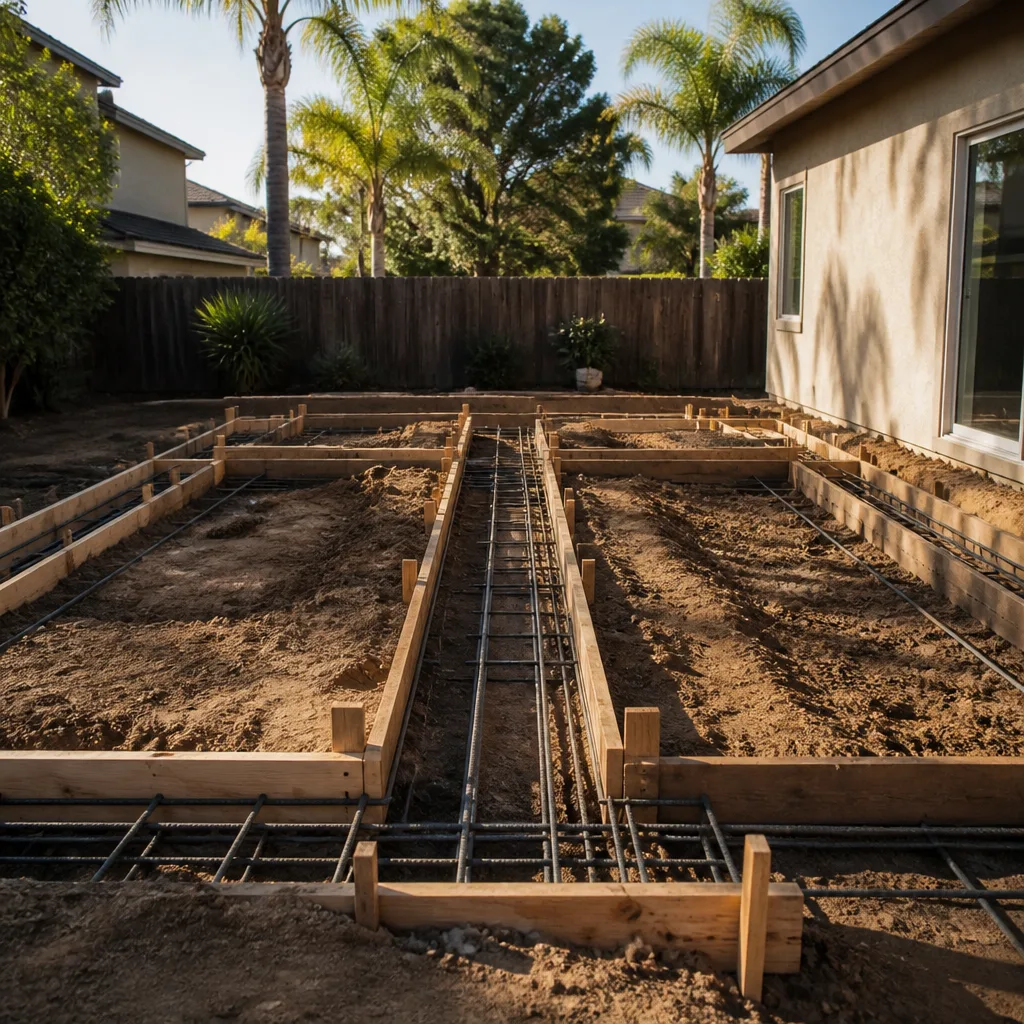
The warning signs are almost never artistic. They’re structural: no written price, no scope, deposit over the legal cap, no permit plan, no lien waiver process, no written warranty, insurance you never called about. Those absences predict expensive trouble far better than a portfolio does. In Huntington Beach, add one more: shortcuts behind the tile that the marine air will find first. Read the paperwork first, and hire only the contractor who gives you all seven documents before demo day. If you’re looking at a whole-home project, that standard applies to a Penhallow Remodeling Huntington Beach home too, and our written price and 365-Day Done Right Promise are on every quote.
Ready to see a written price before anyone picks up a tool? Call Penhallow Remodeling Huntington Beach at (888) 329-8145 for a free estimate. A live person answers 24/7, no voicemail maze, and you’ll have the written number and written guarantee in hand before work starts.
Written by the team at Penhallow Remodeling Huntington Beach.