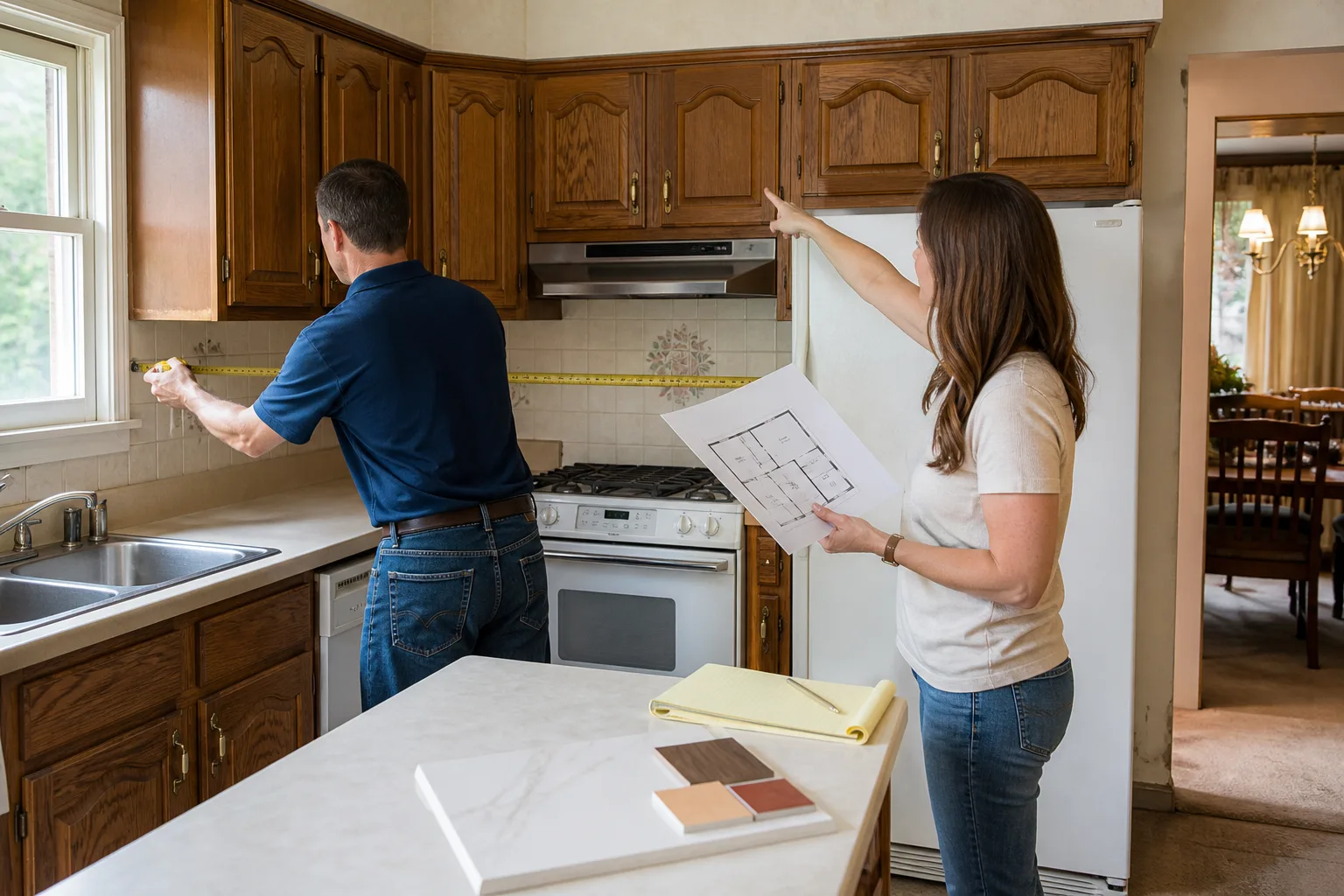
Last updated November 17, 2026







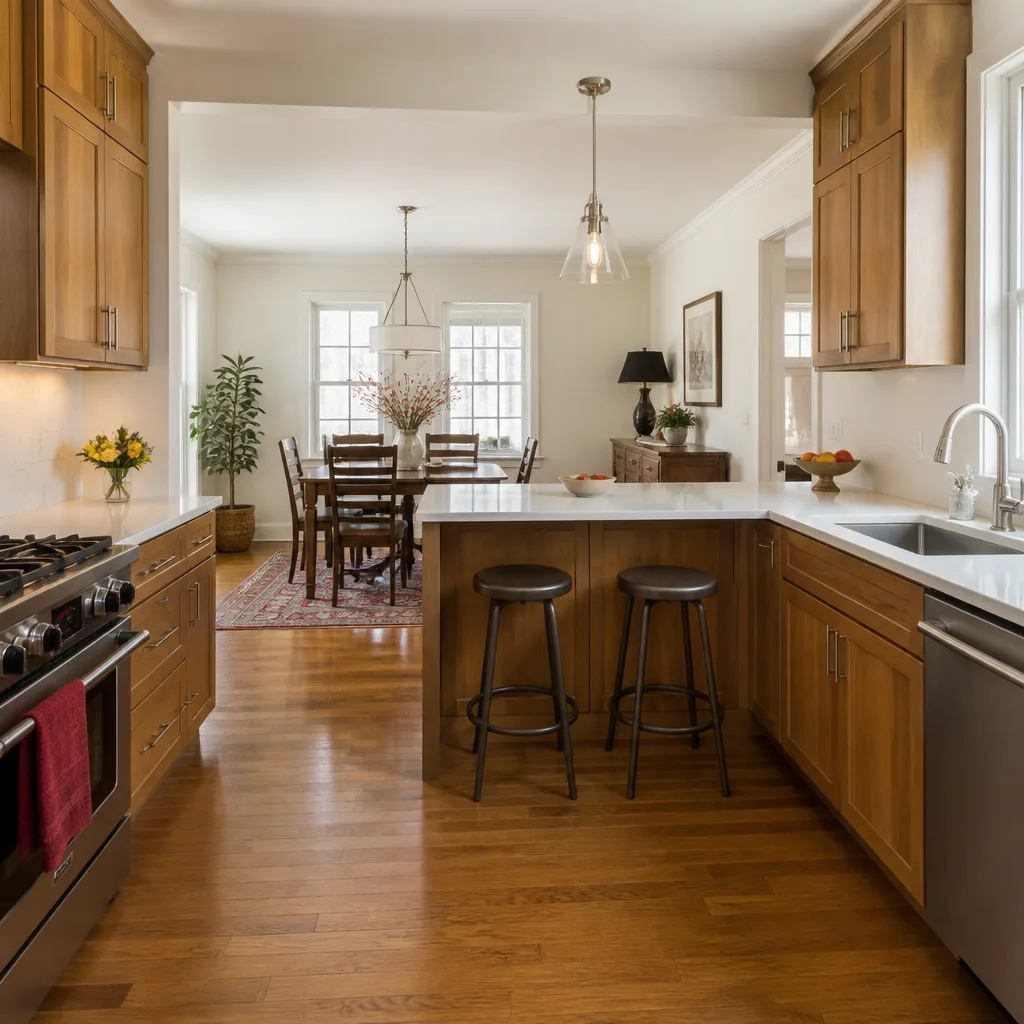
Free written scope consultation - allowances, timeline, and change-order rules on paper before a single trade is scheduled
Home Remodeling Warning Signs Every Homeowner Should Know
That hairline crack in your new tile grout isn’t a settling issue. It’s often the first visible sign that whoever set the tile didn’t float the substrate (the flat layer beneath the tile) level, and the fix isn’t re-grouting. The fix is pulling the tile and starting the floor over. Catching it at six months costs $800. Catching it at three years, after moisture has reached the subfloor, costs $6,000.
Most warning-sign guides point at contractor behavior. That matters. But the signs that cost the most are the ones already inside your home, quietly telling you a past remodel was done wrong. This guide covers both, in order of financial consequence, with the specifics we’ve learned working on homes across Huntington Beach.
Quick Answer
The most expensive home remodeling warning signs are inside the house: cracked grout lines that keep returning, doors and cabinets that won’t stay square, soft spots near showers, and outlets that trip a breaker when nothing else is running. Those point to a prior remodel done wrong. Contractor warning signs matter too, and the clearest one is a verbal estimate or a scope with no written price before demo starts. Catch either kind early and the repair stays small.
Styles & brands we work with
- Kitchen remodeling
- Bathroom remodeling
- Home additions & ADU
- Roofing
- Windows & doors
- Driveway & pavers
- Fence
Table of Contents
- Warning Signs Inside Your Home That a Past Remodel Was Done Wrong
- Reading Tile, Drywall, Cabinetry and Trim Like a Contractor
- What a Contractor’s First Three Days Predict About the Rest of the Job
- Written Estimate vs. Verbal: The Language That Signals a Price Change
- Unpermitted Work in Huntington Beach: Resale, Insurance and Structural Signs
- The 365-Day Check: What to Inspect at 30, 90 and 365 Days
- Common Mistakes to Avoid
- When to Call a Professional
Warning Signs Inside Your Home That a Past Remodel Was Done Wrong
Start with the floor. A remodel done right stays flat and quiet. A remodel done wrong announces itself in small ways that add up.
Here’s what to look for, ordered from least to most expensive if you leave it alone:
- Grout cracks that return after re-grouting. If you’ve re-grouted the same line twice, the problem is underneath, not in the grout. That usually means the substrate flexed because it wasn’t properly secured or leveled.
- Hollow-sounding tile. Tap a few tiles with a screwdriver handle. A dull thud instead of a sharp click means the thinset (the adhesive under the tile) didn’t bond. Those tiles will eventually pop loose.
- Doors that swing open or won’t latch. One door is a hinge issue. Three doors in the same hallway means the framing moved, often because a wall was opened and never properly re-supported.
- Hairline cracks at drywall corners and above door frames. Some settling is normal in the first year. New cracks every six months are not. They often trace back to a wall or header that was cut for a remodel and not rebuilt to code.
- Soft spots or a spongy feel near a shower or tub. This is the one worth acting on immediately. It usually means water has been getting behind the tile for a while.
- Cabinets that pull away from the wall or doors that rub. Cheap or missing blocking behind the cabinet is the usual cause. Fixing it means opening the wall.
- A breaker that trips when nothing new is running. A kitchen or bath remodel that added a disposal, a bigger hood or a heated floor without upgrading the circuit leaves you with an overloaded line.
In Huntington Beach, we see the shower and floor signs most often in homes near the beach, where salt air and humidity work on caulk and grout joints faster than they do a few miles inland. A joint that fails here in two years might hold for five in a drier climate. That’s why the inspection at 30, 90 and 365 days matters more than most homeowners expect.
Reading Tile, Drywall, Cabinetry and Trim Like a Contractor
You don’t need tools to spot most of this. You need to know what good looks like next to bad.
Tile. Run your hand across a tile floor. It should feel flat and even. If you can feel a lip where one tile sits higher than the next, the substrate wasn’t floated level. Look at the corners where tile meets tile. A clean, even grout line of the same width throughout is the mark of careful work. A grout line that’s wide in one spot and thin in another means the tile wasn’t laid to a true line. On a shower wall, check the caulk at the inside corners. If it’s already cracking or peeling, water is finding its way in.
Drywall. Hold a straight edge (a level or even a ruler) against a wall. A wall that bows in or out more than a quarter inch over eight feet wasn’t finished properly. Look at the seams. A seam that shows as a faint ridge means the tape lifted or the joint wasn’t feathered out. Run your hand along the base of a wall near the floor. A soft or bubbling spot is water damage.
Cabinetry. Open a cabinet door and look at the hinges. Good cabinets have hinges that adjust in three directions. Cheap ones wobble. Look at the gap between doors when they’re closed. It should be even top to bottom. If one corner of the cabinet box pulls away from the wall, the installer skipped blocking. Check the drawer slides. A drawer that racks (twists) as you pull it means the slides aren’t rated for the drawer size.
Trim. Baseboard that pulls away from the wall is often just seasonal movement. Baseboard that’s caulked with a thick, uneven bead is covering a gap the installer didn’t want to fix. Look at where trim meets the floor. If there’s a visible gap along one wall and none along the next, the floor wasn’t level.
When we walk a Huntington Beach home for a kitchen remodeling in Huntington Beach estimate, these are the first things we check. They tell us what’s behind the walls before we open anything.
What a Contractor’s First Three Days Predict About the Rest of the Job
Days one through three are the clearest window into how a job will go. The patterns almost never change after that.
Here’s what to watch for, in order:
- Day one: no written scope on site. A contractor who shows up to start demo without a written scope, a written price and a schedule in hand is running the job from memory. Memory doesn’t hold up when the plan changes, and the plan always changes.
- Day one or two: demo before the permit is posted. In Huntington Beach, structural and most electrical and plumbing work needs a permit. If demo starts and the permit isn’t on site, ask why. A contractor who skips the permit is skipping the inspection that would have caught problems.
- Day two: unfamiliar faces with no introduction. Subcontractors are normal and often good. Subcontractors you weren’t told about, who aren’t introduced and whose scope you don’t know, are a sign the contractor is managing by text message.
- Day two or three: no protected work area. Floors should be covered, dusty work should be sealed off, and a path should stay clear. A crew that tracks demo dust through the house on day one will do it on day twenty.
- Day three: the schedule already slipped with no call. If the crew doesn’t show on day three and you hear about it after you call them, that pattern will repeat. A real arrival window means a call before the window closes, not after.
Our standard is simple, and we name it: say the price before the work, show up in the window we gave, leave the place cleaner than we found it. The first three days should look exactly like that.
Written Estimate vs. Verbal: The Language That Signals a Price Change
A verbal estimate is not a price. It’s a conversation. The number you hear on the phone and the number on the invoice are rarely the same thing, and the gap is usually built into the estimate language from the start.
Here’s the language that signals room to change the number at the door:
- “Starting at.” Starting at what, and what moves it up? Without a list, the answer is “whatever comes up.”
- “Allowance” with no figure. An allowance is a set-aside for a material you pick later. A real allowance has a dollar number and a defined list of what it covers. An allowance without a number is a blank check.
- “Plus materials.” A labor-only price plus materials leaves the total wide open. You want materials named and priced.
- “Contingency” with no percentage or explanation. Some jobs genuinely need a contingency for hidden damage. A written estimate states the percentage and what triggers it.
- “To be determined at demo.” A few items do get confirmed at demo, but the estimate should say which ones and give a range for each.
- No line items. A single lump number with no breakdown is the clearest signal. You can’t compare bids or hold anyone to a scope you can’t see.
A written price before any work starts, with line items and a defined scope, is the whole point. When the number on day one is the number on the invoice, there’s nothing to argue about at the end. That’s the standard we work to under The Kingswell Way, and it’s how we price a bathroom remodeling in Huntington Beach before a single tile comes off the wall.
Unpermitted Work in Huntington Beach: Resale, Insurance and Structural Signs
Unpermitted work is common in Huntington Beach, especially in older homes that got a quick remodel before a sale. It’s also the warning sign that costs the most at resale, because it can hold up a sale and can leave you uncovered when you file a claim.
Here’s how to spot it:
- A finished room that doesn’t match the building records. Pull the permit history at City Hall. A converted garage, a bumped-out kitchen or an added bath that isn’t on record is unpermitted until proven otherwise.
- Electrical that looks newer than the rest of the house. A remodeled kitchen with old wiring elsewhere is a sign the kitchen was done without a permit and an inspection.
- A header over an opened wall that looks too small. If a wall was opened and the beam looks undersized, that’s a structural question a licensed contractor needs to answer. Don’t guess on this one.
- A bathroom with no vent fan or a fan that vents into the attic. Both are common shortcuts and both fail inspection.
- An addition with no visible foundation or a slab that doesn’t match the house. This is the sign that most often means a real structural review.
Why it matters in Huntington Beach specifically: a buyer’s lender and insurer both look at permit history. An open or missing permit can stall a sale and can leave you uncovered when you file a claim. If you’re buying, ask for the permit history before you sign. If you’re selling, get it cleaned up first. In our experience, sorting out an unpermitted addition before listing costs far less than negotiating it away at the closing table.
The 365-Day Check: What to Inspect at 30, 90 and 365 Days
A remodel done right should hold. A remodel done wrong shows its first signs inside a year, and the difference between a small repair and a big one is catching it. Here’s what to inspect, and when:
At 30 days:
- Look for any new crack in grout, caulk or drywall.
- Open and close every door and drawer; check that they still line up.
- Run every fixture and check under the sinks for moisture.
- Look at the caulk line where the counter meets the backsplash.
At 90 days:
- Re-check the same grout and caulk lines for movement.
- Tap the tile floor for any hollow spots that weren’t there at 30 days.
- Check the cabinet boxes for any gap where they meet the wall.
- Look at the paint at the corners and seams for any new cracking.
At 365 days:
- Walk the whole job with the same list, room by room.
- Check the shower for any soft spot or grout loss.
- Look at the floor at every door threshold for any lift or gap.
- Write down anything you find and call the contractor before the guarantee period ends.
This is the check our 365-Day Done Right Promise is built around. If something fails inside the first year, we come back and fix it at no charge, backed in writing on every job. Catching a soft shower joint at 365 days is a small repair. Catching it at three years is a floor.
Common Mistakes to Avoid
- Hiring on price alone. The lowest bid usually isn’t the lowest cost. It’s the bid that cut the most corners to get there, and you’ll pay for those corners later.
- Accepting a verbal estimate. A number on the phone isn’t a price you can hold anyone to. Ask for a written price with line items before any work starts.
- Skipping the permit. In Huntington Beach, a remodel without a permit is a remodel without an inspection. That can cost you at resale and at claim time.
- Re-grouting a cracked floor instead of finding the cause. If the crack keeps coming back, the problem is under the tile. Grout is the symptom, not the source.
- Letting a crew start demo with no written scope. A job run from memory is a job that changes at the door.
- Overlooking unpermitted work when buying. Pull the permit history before you sign. It’s the cheapest inspection you’ll ever do.
- Not using the guarantee period. A 365-day window is there to be used. If something is off at 30, 90 or 365 days, call. Don’t wait until it’s your problem.
When to Call a Professional
Some of these signs you can watch. Some you shouldn’t touch. Call a professional if you find a soft spot near a shower or tub, a wall that’s opened with a header you can’t verify, electrical work that trips a breaker, or a bathroom vent that ends in the attic. Those involve structure, water or the electrical system, and each one is a job for a trained, licensed contractor, not a weekend project. Guessing on structure or wiring is how a small repair becomes a large one.
Penhallow Remodeling Huntington Beach offers free estimates in Huntington Beach. Call (888) 329-8145. We’ll walk the house with you, point out what we see, and give you a written price before any work starts. Material choices like Cambria quartz and Kohler fixtures are discussed at that visit, not after demo. If you’re planning a full project, our general contractor in Huntington Beach team can scope the whole job, or start with a Penhallow Remodeling Huntington Beach home consultation.
See the difference
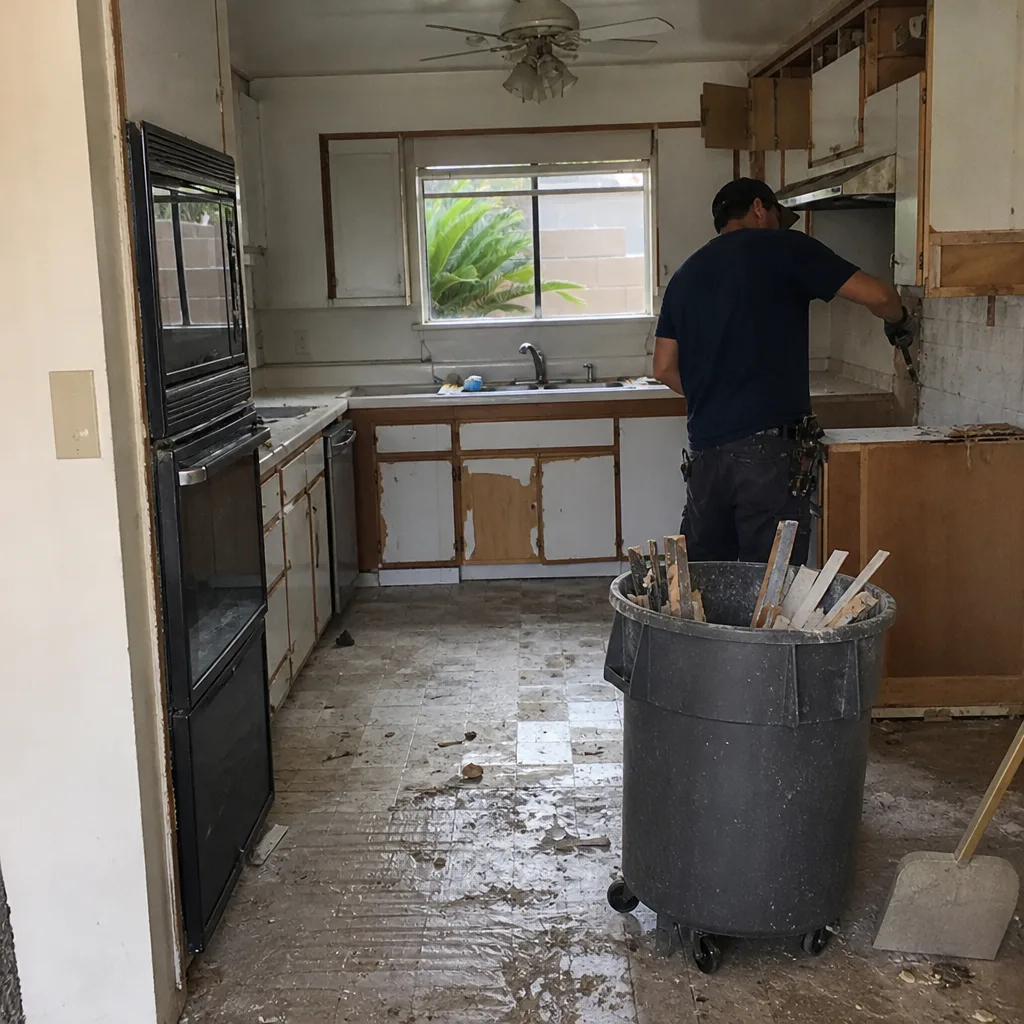
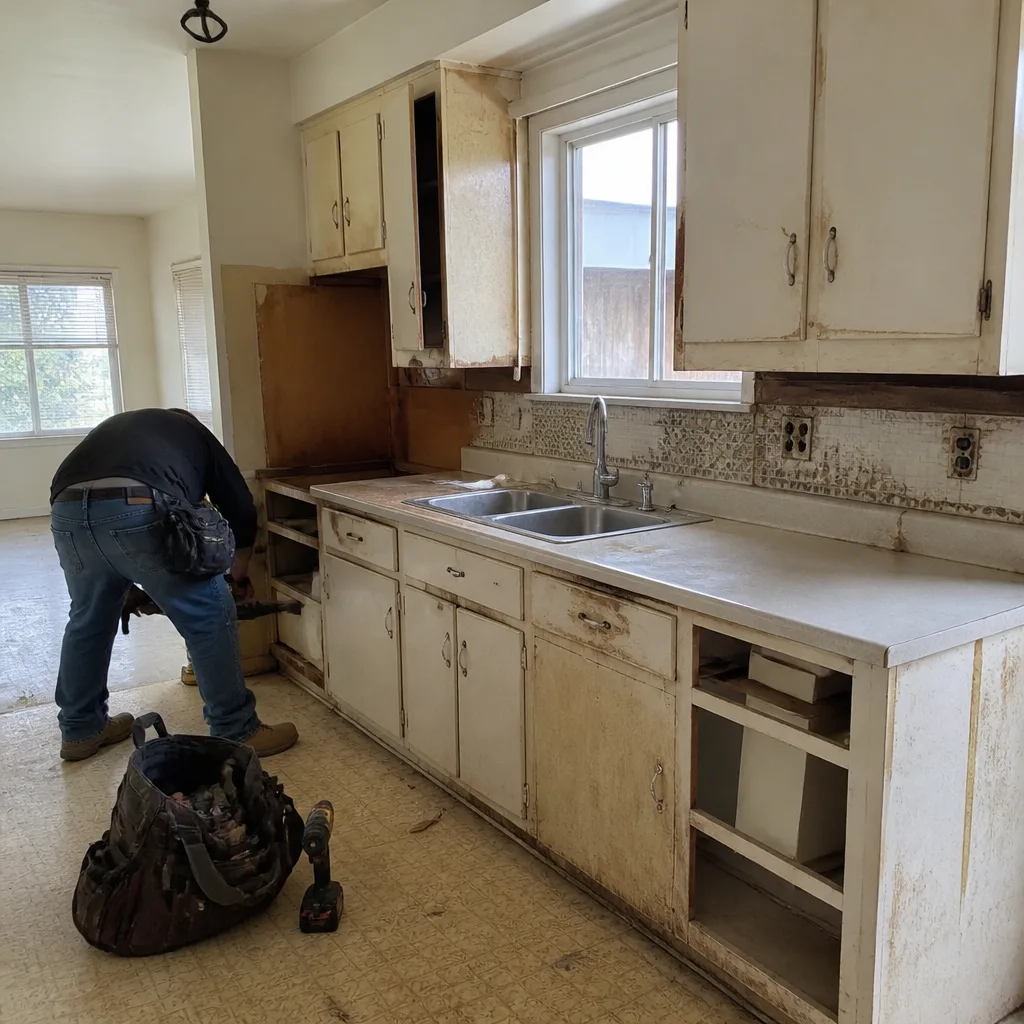
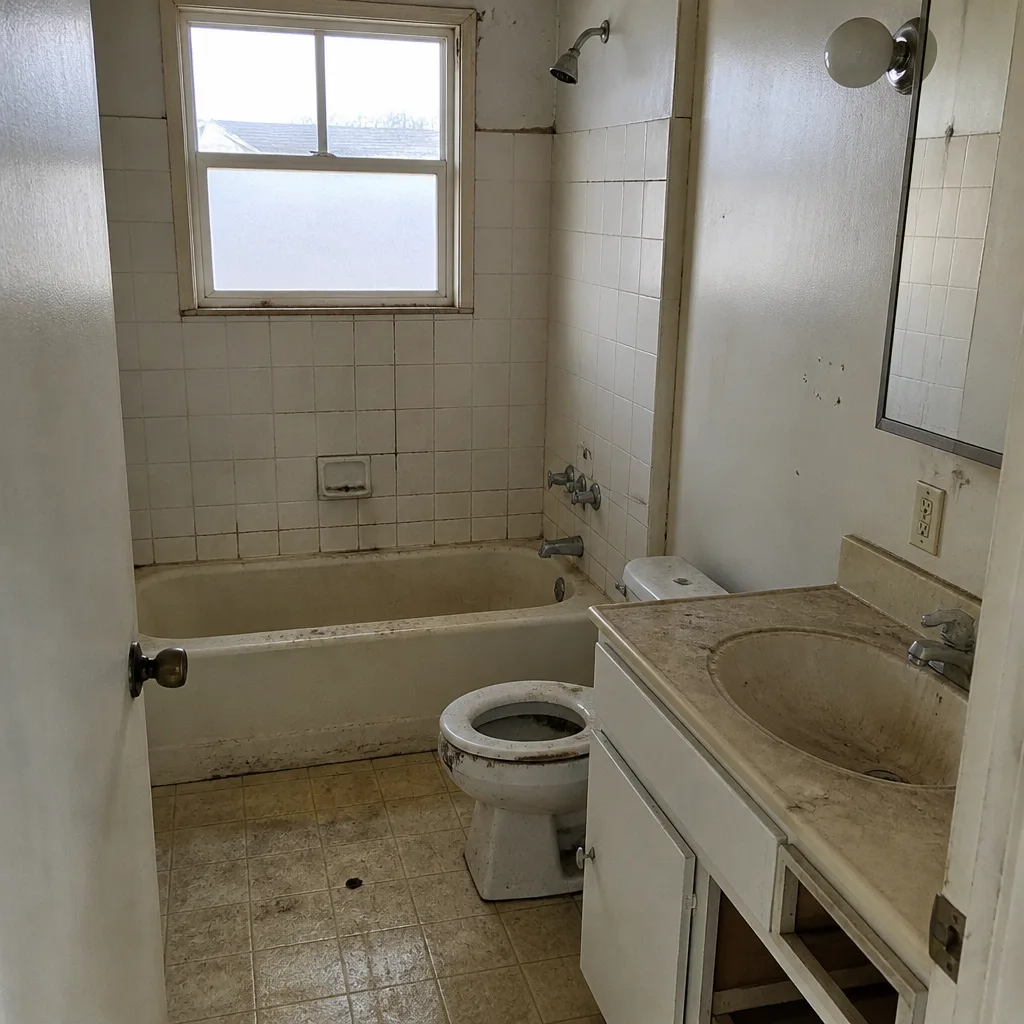 Before
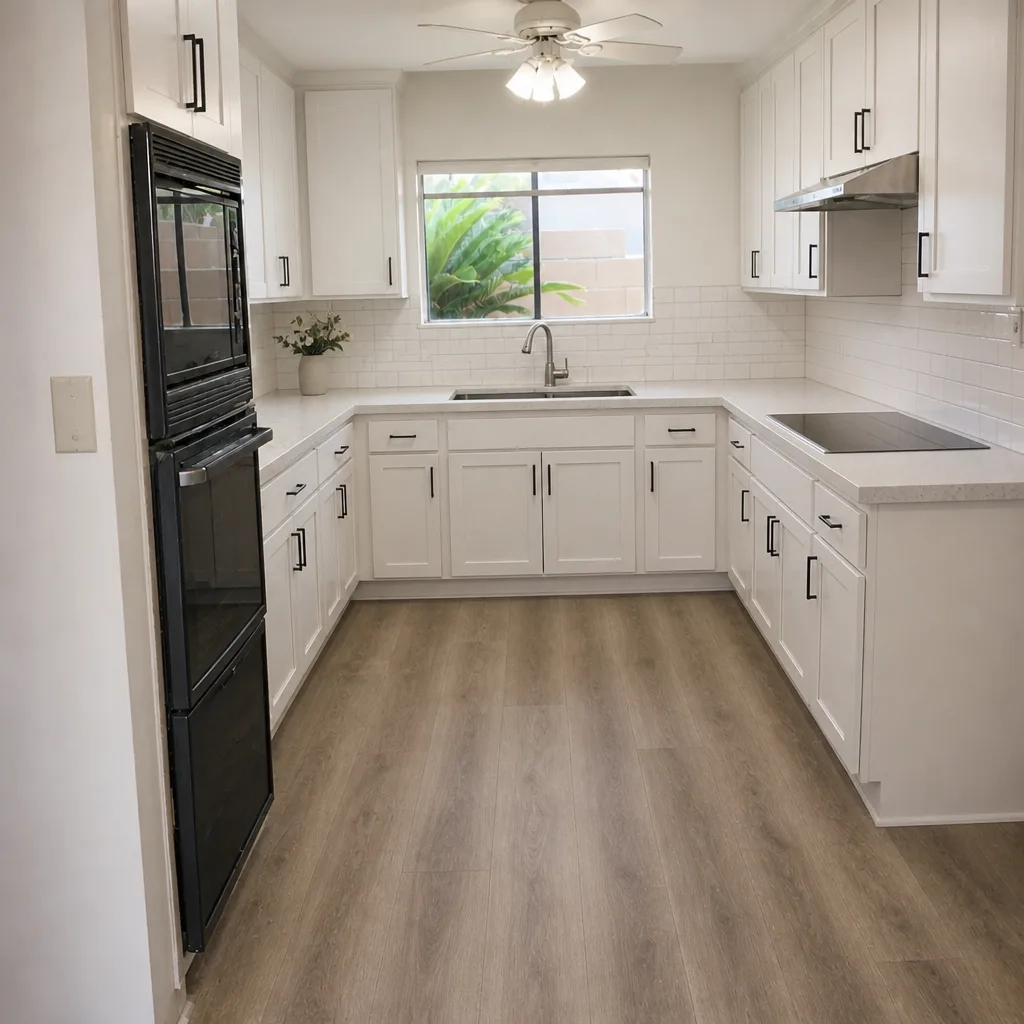
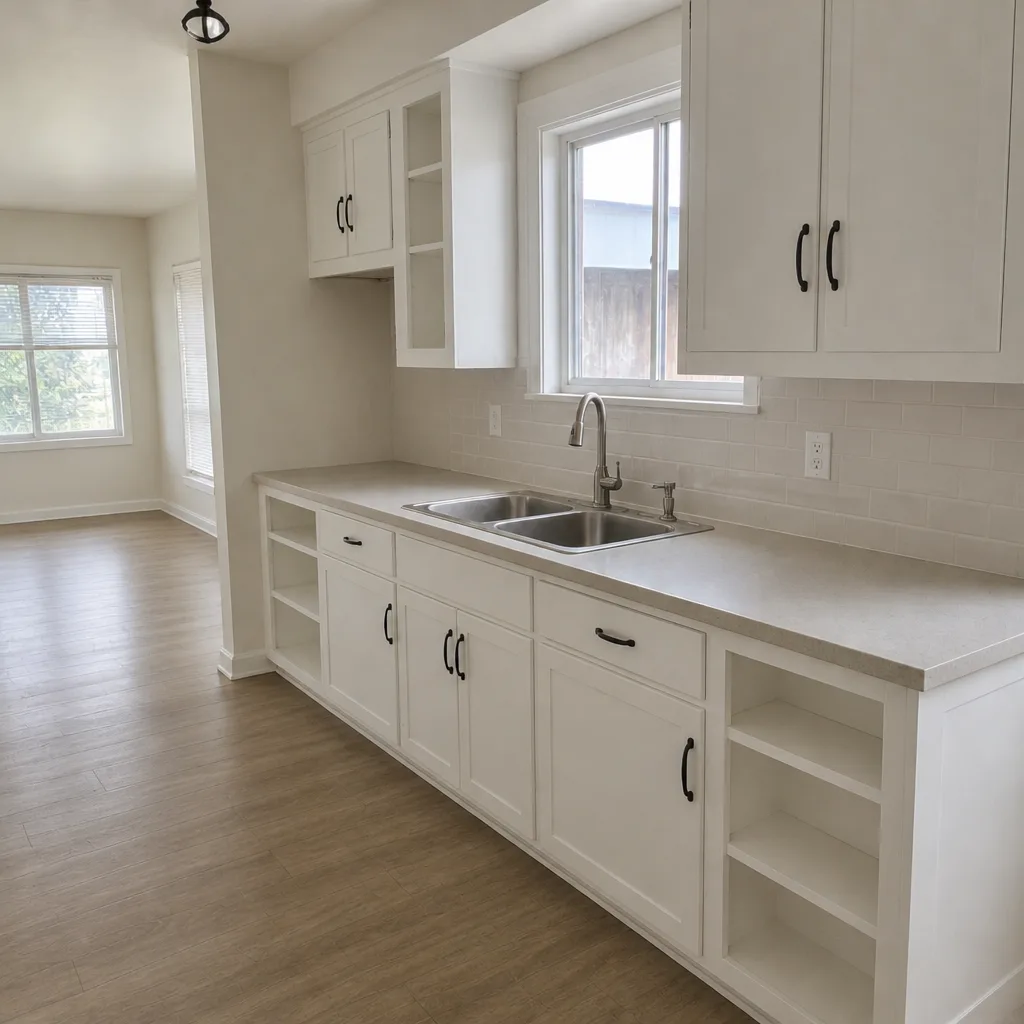
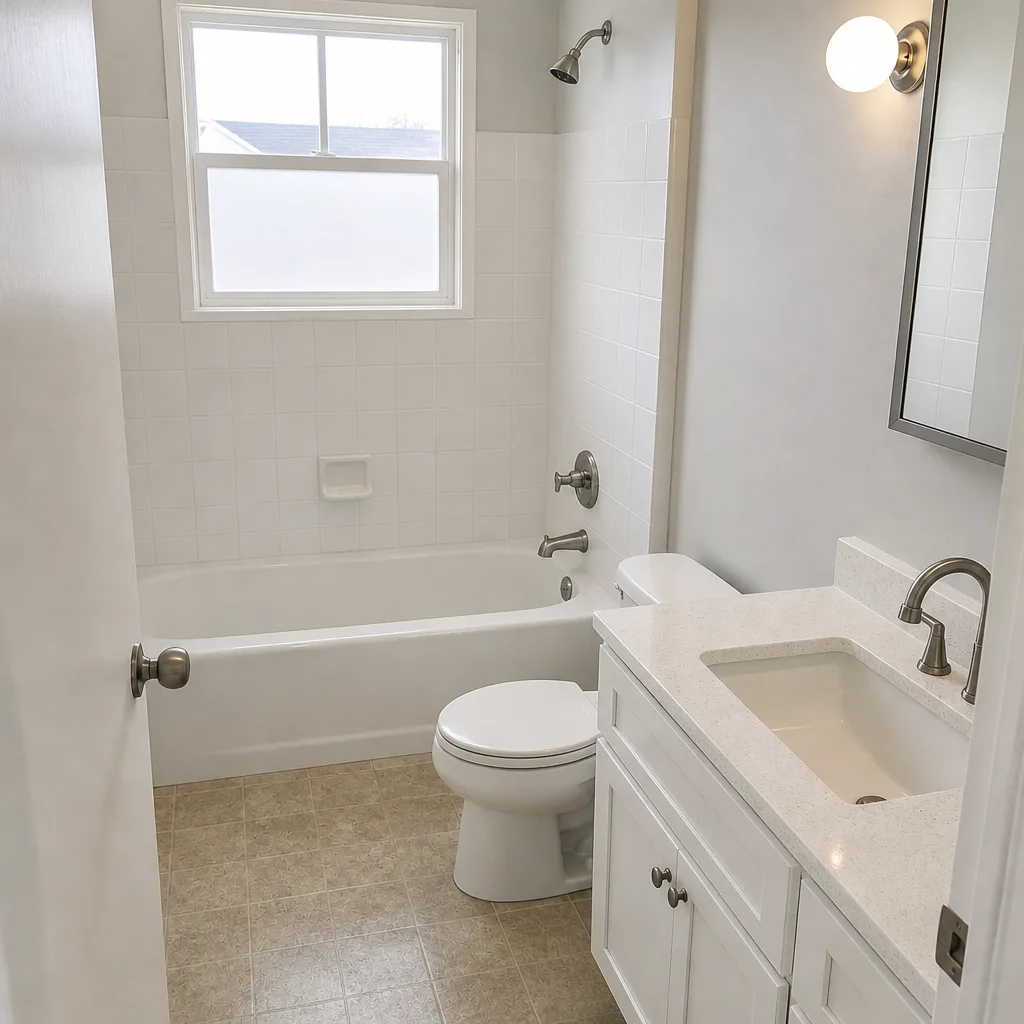 After
 Before
 After
 Before
 After
Frequently Asked Questions
Fixing a badly set tile floor in Huntington Beach typically runs $800 to $2,000 for a small bathroom and $3,000 to $6,000 or more for a kitchen or larger area, because the floor has to come up, the substrate has to be re-floated, and new tile goes down. Catching it at six months is far cheaper than catching it after moisture reaches the subfloor. Call (888) 329-8145 for an exact quote. Estimates are free.
Not if the contractor gave you a written price with line items before work started. A written price is the number on day one and the number on the invoice. A verbal estimate is where price changes at the door come from. Ask for a written price with a defined scope and defined allowances before demo, and you won’t get surprised.
Yes. We pull the permits and schedule the inspections, and we post the permit on site before demo starts. In Huntington Beach, a permit and an inspection are how you know the work meets code, and skipping them is how unpermitted work becomes a resale and insurance problem. If a contractor tells you a permit isn’t needed, ask for that in writing.
A bathroom remodel typically takes two to four weeks, and a kitchen remodel typically runs four to eight weeks, depending on scope, cabinet lead times and tile work. We give you a written schedule with the written price so you know what to expect, and we call before the window closes if anything shifts. You’ll always know where the job stands.
Check grout and caulk lines for new cracks, tap tile for hollow spots, open and close every door and drawer, and look under sinks for moisture. At 365 days, do a full room-by-room walk with the same list. If anything fails inside the guarantee period, call and we fix it at no charge under the 365-Day Done Right Promise.
Sometimes. A finished room that doesn’t match the building records, electrical that looks newer than the rest of the house, or an addition with an unusual foundation all point to unpermitted work. The reliable answer comes from pulling the permit history at City Hall. We check that history on every Huntington Beach estimate, because it protects you at resale and with your insurer.
The Bottom Line
The warning signs that cost the most are inside your home, and they’re small at first. A returning grout crack, a hollow tile, a soft spot near a shower, a door that won’t stay square. Catch them at six months and the repair is modest. Catch them at three years and it’s a floor or a wall. Pair that with the contractor signs that matter most: a written price before work starts, a permit posted before demo, a defined arrival window and a guarantee you can hold someone to. That’s what protects you, in Huntington Beach or anywhere.
Call (888) 329-8145 to schedule your free estimate. If you’d like to compare options first, our Penhallow Remodeling Huntington Beach home and kitchen remodeling in Huntington Beach pages walk you through what a written job looks like.
Written by the team at Penhallow Remodeling Huntington Beach.