Last updated November 17, 2026





Free written scope consultation - allowances, timeline, and change-order rules on paper before a single trade is scheduled
DIY vs Professional Home Remodeling: What’s Safe to Do Yourself
A homeowner who tiles their own backsplash and does it badly wastes a weekend and $200 in tile. A homeowner who moves a load-bearing wall themselves creates a defect no licensed contractor can legally sign off on without a structural engineer’s re-inspection, turning a $4,000 DIY save into a $15,000 remediation. The gap between those two outcomes isn’t skill. It’s liability. In this guide, we’ll draw the line by downstream consequence rather than confidence: which projects a Huntington Beach homeowner can take on without creating a defect nobody will guarantee later, and which ones you should hand to a licensed professional before a permit inspector does it for you.
Quick Answer
Cosmetic work (paint, hardware, non-structural shelving, patching drywall) is safe to DIY. Anything that touches electrical, plumbing, gas, HVAC, or structural framing is not, because the issue isn’t whether you can physically do it, but whether it can pass code inspection, be covered by your homeowner’s insurance, and be guaranteed by a licensed contractor afterward. In Huntington Beach, most system work requires a permit, and permitted work done by an unregistered homeowner-builder creates disclosures that follow the house at sale.
Styles & brands we work with
- Kitchen remodeling
- Bathroom remodeling
- Home additions & ADU
- Roofing
- Windows & doors
- Driveway & pavers
- Fence
Table of Contents
- The Real Line: Liability, Not Skill
- The Permit Line in Huntington Beach
- Cosmetic vs. Systems: Two Very Different Categories
- The Phase 1 / Phase 2 Problem
- The Hidden Cost Calculator
- What You Can DIY Alongside a Contractor
- Common Mistakes to Avoid
- When to Call a Professional
The Real Line: Liability, Not Skill
The question most Huntington Beach homeowners ask is “can I do this myself?” The better question is “if I do this wrong, what happens next?” Those two questions produce very different answers.
Skill is a spectrum. A patient first-timer can learn to hang drywall, set tile, or install a vanity. But skill doesn’t transfer into liability. When you touch a system in your home, you’re taking on a chain of consequences that runs well past the work itself. A licensed contractor walking into a kitchen where the homeowner already moved a wall can’t just pick up where the homeowner left off. They have to verify the work meets code, and if it doesn’t, they have to tell you it needs to be redone before they’ll touch the rest of the job. That’s not obstruction. It’s how the guarantee works.
We’ve seen this in Huntington Beach more than once: a homeowner demoed a half-wall between the kitchen and living room, poured a new floor, then called us for cabinets and counters. The wall turned out to be structural. The number for the structural engineer, the beam, the re-inspection, and the patched floor came in four times what the homeowner saved on demo. The cabinets couldn’t be templated until the floor was re-leveled after the beam went in. Nobody was at fault. The math just stopped working.
The line isn’t “hard work vs. easy work.” It’s work that leaves a good contractor able to guarantee the rest of the project vs. work that doesn’t. Once you frame it that way, deciding what to take on becomes much simpler.
The three-question test
Before you pick up a tool, run your project through these three questions:
- Does the work touch a system? Electrical, plumbing, gas, HVAC, structural. If yes, the answer is a professional, every time.
- Will the work need a permit? In Huntington Beach, permitted work requires a licensed contractor or a registered homeowner-builder, and that registration has downstream effects on insurance and future sale disclosures.
- If I do this wrong, will a licensed contractor refuse to guarantee the finished project? If the honest answer is yes, that’s your ceiling.
The Permit Line in Huntington Beach
Huntington Beach follows California code. That means most interior system work requires a permit: electrical panel changes and new circuits, plumbing relocations, gas line work, HVAC replacement, structural alterations to walls and beams, and additions. Cosmetic work rarely does. Painting, replacing cabinet hardware, swapping a faucet under a permitted sink (in many cases), and installing floating shelves into existing studs typically go without a permit.
Here’s the part that catches homeowners: California allows a homeowner to pull their own permits as an “owner-builder,” provided the home is their primary residence and they’re not doing the work for sale or rent. On paper, that means you can legally act as your own contractor for your own projects. In practice, the owner-builder route has consequences most people haven’t considered.
What owner-builder registration actually means
- Your homeowner’s insurance may not cover the work. Many policies exclude damage arising from work done without a licensed contractor, especially system work. If a permit was pulled, that changes the paper trail but often not the coverage.
- You carry the warranty obligation on the work. If the drain you installed leaks and damages the subfloor three years later, that’s yours. There is no contractor’s guarantee to call.
- You may need to disclose it when you sell. California requires sellers to disclose known defects and, in many cases, unpermitted work. Owner-builder permits don’t always eliminate that disclosure, and a buyer’s inspector will find the difference between permitted and unpermitted work eventually.
- You can’t hire unlicensed subcontractors. California law requires anyone you hire for $500 or more in labor to be licensed, even when you hold the permit. If they’re injured on your property and they aren’t licensed and insured, that’s a problem that can land on you.
We’re not saying never pull an owner-builder permit. We’re saying the “cheaper” math collapses fast if any of the four bullets above turn against you. For most Huntington Beach homeowners, working with a licensed general contractor in Huntington Beach is the simpler route, and it’s how you keep a real guarantee attached to the work.
Cosmetic vs. Systems: Two Very Different Categories
The cleanest way to sort a project list is to separate cosmetic from systems. Most of the pain in DIY remodel stories comes from treating these as one category.
Cosmetic work (usually safe to DIY)
- Painting walls, ceilings, trim, doors, and cabinets (if you’re patient with prep).
- Cabinet hardware, drawer pulls, and knobs. Measure twice, drill once, use a jig.
- Non-structural shelving and storage systems anchored into studs.
- Swapping light fixtures and outlets in kind, without moving wiring or adding a circuit. If you don’t have a voltage tester and know what “in kind” means in code terms, hire out.
- Patching and priming drywall, wallpaper removal, and surface prep.
- Furniture assembly, rug and flooring transitions that clip in without adhesive or nails, and window treatments.
System work (not about skill)
- Electrical: panel changes, new circuits, relocated outlets, any work inside the panel. The fire liability here is real and the code inspection is not optional.
- Plumbing: moving supply or drain lines, replacing a water heater, anything behind a wall or below a floor.
- Gas: any gas line work, valve replacement, or appliance connection. Carbon monoxide and gas leaks do not care how carefully you read a YouTube tutorial.
- HVAC: duct runs, system replacement, and anything that changes airflow in the house.
- Structural: load-bearing walls, posts, beams, headers, and joist modification. This is where the story in the intro came from.
The reason systems require a licensed trade isn’t that you couldn’t learn. It’s that systems have an inspection chain, an insurance chain, and a liability chain. Those are not things skill can fix once you’ve skipped them. If you’re planning a bathroom or kitchen overhaul and part of the list touches a system, that’s a good moment to talk to a licensed bathroom remodeling team in Huntington Beach or a kitchen specialist before demolition starts.
The Phase 1 / Phase 2 Problem
Here’s the failure mode we see most often, and it’s the reason we wrote this guide. It’s what happens when a homeowner does the first phase of a project themselves, then brings in a contractor for phase two.
A real example: a Huntington Beach homeowner wanted new bedroom tile. They saved money by leveling and prepping the floor themselves, using a cement board substrate (the moisture-resistant layer behind the tile) installed over plywood. The install wasn’t wrong exactly, but the seams weren’t taped and the fasteners weren’t set to spec. Tile went down, grout went in, looked fine. Six months later, a hairline crack ran across three tiles near the doorway. A licensed tile setter called in to look at it can’t guarantee a fix without removing tile, verifying the substrate, and re-doing the prep. That means the homeowner paid for prep twice, plus the tile replacement.
This is the pattern:
- Phase 1 done by homeowner: demo, prep, substrate, framing, rough-in.
- Phase 2 done by contractor: finish work over the top of Phase 1.
- Phase 1 defect emerges: weeks or months later, in a way that traces back to the earlier work.
- Contractor can’t warrant Phase 2 without re-doing Phase 1, because the contractor can’t guarantee what they didn’t see installed.
This is why we’re careful about what we sign off on, and why we say so upfront. Our Huntington Beach home remodeling team operates under the 365-Day Done Right Promise, which is a written guarantee on every project, but that guarantee can only attach to work we performed and inspected. We can’t extend it over uncertified substrate, unseen rough-in, or framing we didn’t review. It’s the same reason a licensed electrician won’t sign off on a homeowner’s panel work without opening the panel and reviewing every termination.
The fix isn’t complicated. If you want to do phase 1 yourself, have the contractor spec it first. Get the substrate, fasteners, fastening pattern, and prep requirements in writing before you install. Then the contractor can verify the prep before phase 2 begins, and the guarantee can extend over the whole job.
The Hidden Cost Calculator
The honest comparison isn’t a written professional quote vs. the sticker price at the home center. It’s a written quote vs. a real DIY number. Here’s what most first-timers leave out.
Line items people forget to count
- Tool rental or purchase. A wet saw runs $50 – $80 per day. A tile snapper is cheaper but won’t do the cuts a wet saw will. A hammer drill, an oscillating tool, a miter saw, and clamps add up if you don’t already own them.
- Material waste. Professional installers figure 10 – 15% overage on tile, 5 – 10% on lumber, 10% on paint. First-timers should plan 20 – 25% on tile and 15 – 20% on lumber because the cuts aren’t as accurate.
- Redo cost. This is the big one. The probability that a first-timer redoes part of the job is not small. On tile, drywall, and cabinet installs, a partial redo is common. That means buying materials twice.
- Time value. A kitchen tile backsplash a pro installs in a day can take a homeowner three weekends. Weekend hours aren’t free if the project slips into a workweek.
- Permit and inspection costs. Permits are not free, and owner-builder permits often come with future disclosure costs at sale.
A quick cost check
Here’s the rough arithmetic for a small bathroom refresh. Cosmetic-only work (paint, hardware, mirror, lighting swap in kind) runs $600 – $1,500 in DIY materials. Add tile and a vanity with plumbing relocation and the DIY number swings to $2,500 – $4,500 once you count tools, waste, and a probable redo on the tile. A licensed bathroom remodel in Huntington Beach with a written quote for the same scope typically lands $9,000 – $22,000 depending on tile size, vanity, and whether the shower is reframed. The gap looks large until you subtract the redo probability and add the guarantee. If you want the honest comparison, get the quote in writing first and build the DIY number against the same scope.
What You Can DIY Alongside a Contractor
There’s real money in working alongside a contractor on the parts of the job that don’t create liability. Here’s where the savings are legitimate and nothing gets voided.
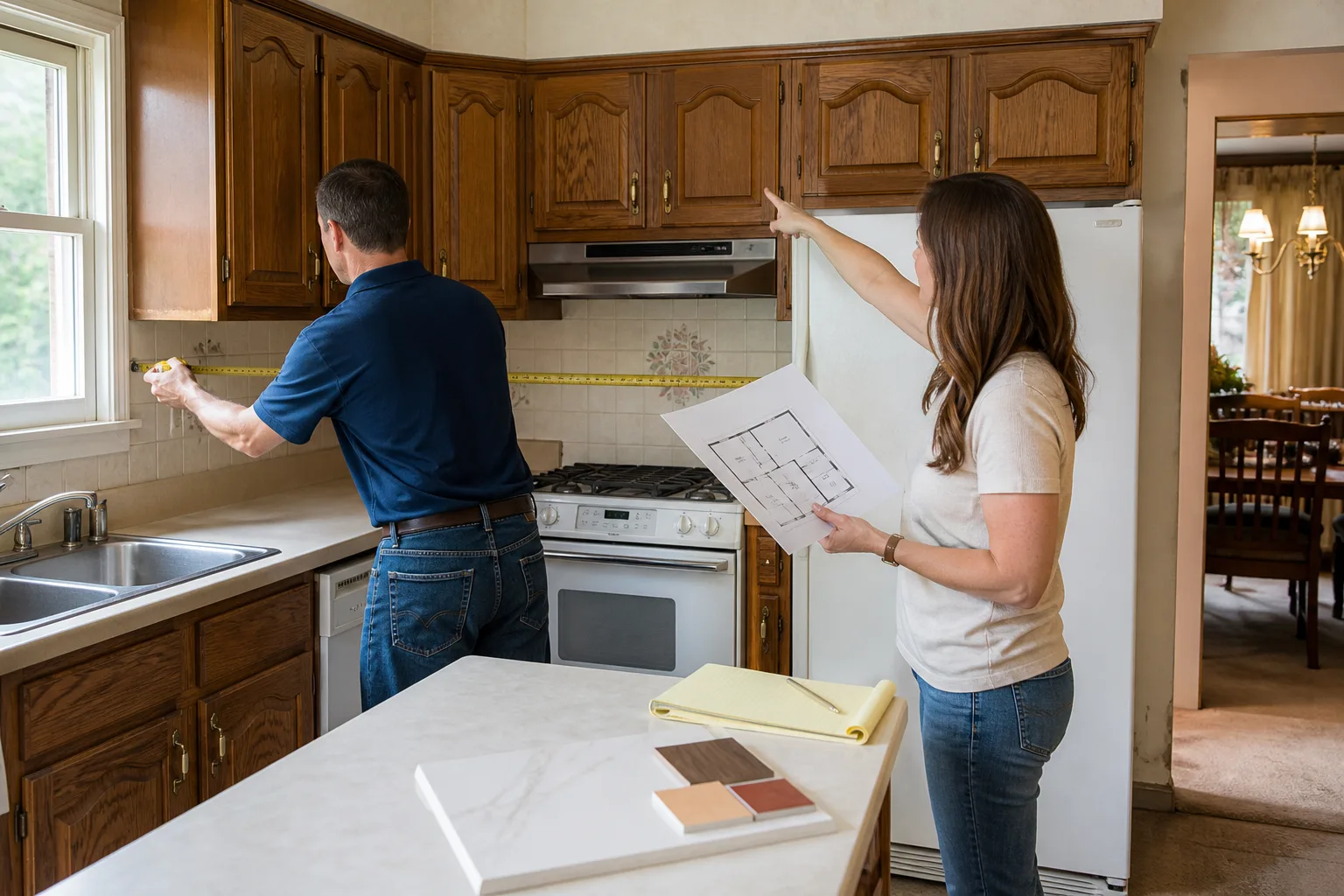
- Demo. Removing old cabinets, tearing out carpet, pulling baseboards, and hauling debris is physical work with no code implications, as long as you don’t cut structural members, hit a pipe, or disturb wiring. Get a written “demo only” scope from us first so you know what to leave standing.
- Final painting after the trade work. Once the electrical and plumbing are in, the drywall is patched, and the final texture is done, painting is safe to take on. Use the same brand and sheen the contractor specified if you want touch-ups to match.
- Punch list cleaning. Interior cleaning, appliance installation for plug-in units, hardware install on cabinet doors, and final wipe-down are all safe.
- Furniture and staging. Moving furniture back, hanging art, setting up shelving in non-structural spots, and any décor that doesn’t drill into tile or stone.
- Landscape finishing. If the project had a soft-good element (mulch, plantings, edging) that the contractor left off the scope, that’s fair game.
What stays with us: rough-in, substrate, tile setting, cabinet install, countertop templating, plumbing rough and finish, electrical, HVAC, structural, permits, and inspections. Those carry the guarantee, and the guarantee is the thing you’re buying.
We install Cambria quartz and Silestone countertops, and we set Kohler and Moen fixtures. Those brands carry their own manufacturer warranties. Combined with our 365-Day Done Right Promise, that’s three layers of protection on the finished work.
Common Mistakes to Avoid
- Moving a wall without confirming it’s non-structural. In Huntington Beach’s mid-century ranch homes, the wall between kitchen and dining is very often load-bearing. Confirm with an engineer before demo, not after.
- Doing rough-in and expecting a contractor to finish over it. A licensed contractor cannot guarantee undisclosed or uncertified work. Tell your contractor exactly what you did, in writing, before phase 2 starts.
- Skipping the permit to save a few hundred dollars. The permit is one of the cheapest parts of the project. The cost of an unpermitted system problem at resale is far higher.
- Buying tile or flooring before templating. Cabinets and countertops have to be templated before finish goods go in. Buying early often means buying twice.
- Choosing a substrate by price instead of spec. Cement board isn’t interchangeable with drywall in a wet area. HVAC-grade and moisture-resistant substrates exist for a reason.
- Reusing old plumbing shutoffs and supply lines. If you’re relocating a vanity in a 1970s Huntington Beach house, replace the shutoffs while you’re in the wall. It’s $30 in parts and saves $600 later.
- Not scheduling inspections in the right order. Rough-in inspection happens before drywall. Finish inspection after. Skipping rough-in means opening the walls again, and that’s where the “DIY save” evaporates.
When to Call a Professional
Call a licensed professional when the work touches a system, requires a permit, or involves anything in the wall, floor, or ceiling. That includes electrical panel changes, any new circuit, plumbing relocation, gas, HVAC, structural framing, load-bearing walls, and any tile or substrate work that will carry a water line. Also call when the project involves cabinetry that has to fit a specific opening (a kraft-paper template is not enough when the wall isn’t square), countertop templating, or any finish work you want warrantied. If you’re not sure whether your project is on the DIY side of the line, that’s the moment to ask. A ten-minute phone call is cheaper than a redo.
Penhallow Remodeling Huntington Beach offers free estimates in Huntington Beach. Every homeowner gets a written price before any work starts, a real arrival window, background-checked and uniformed technicians, and the 365-Day Done Right Promise in writing on every project. Call (888) 329-8145. A live person answers 24/7, so there’s no voicemail window to plan around.
See the difference
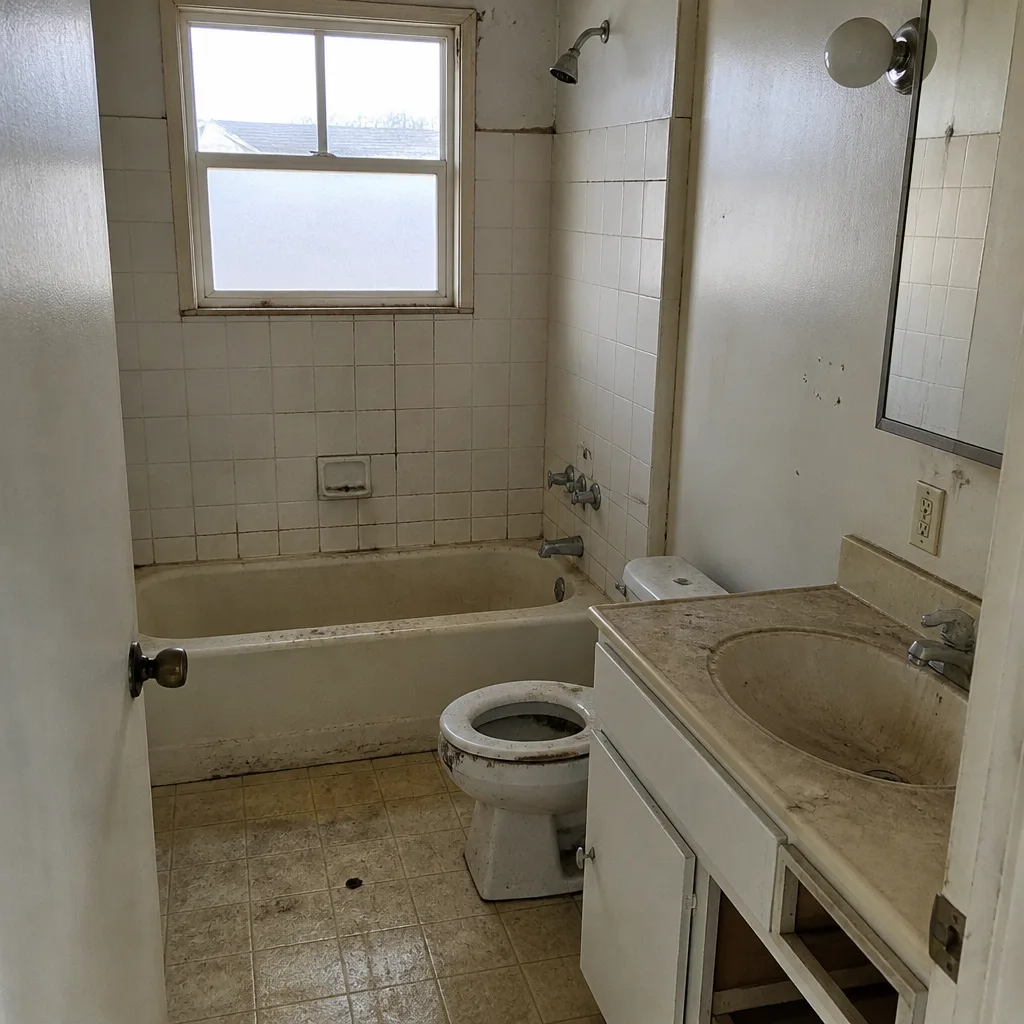 Before
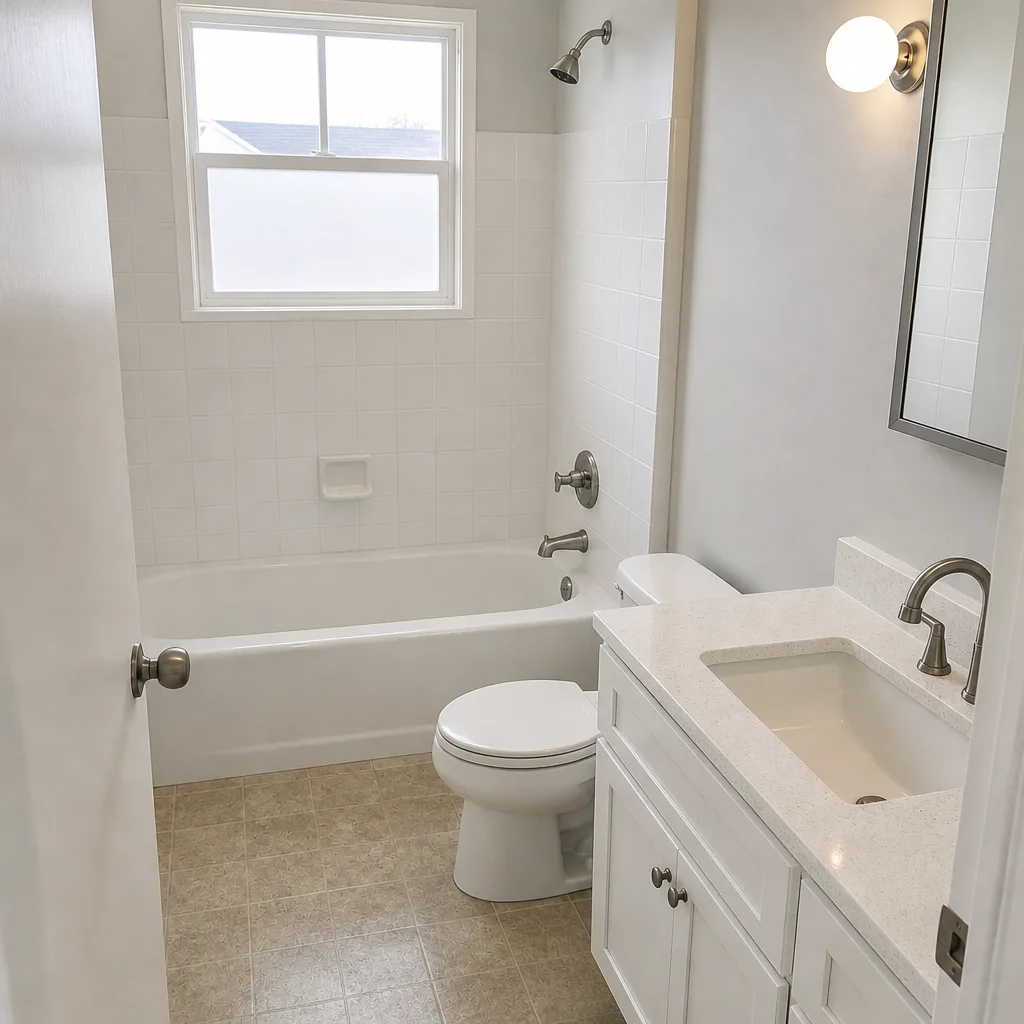 After
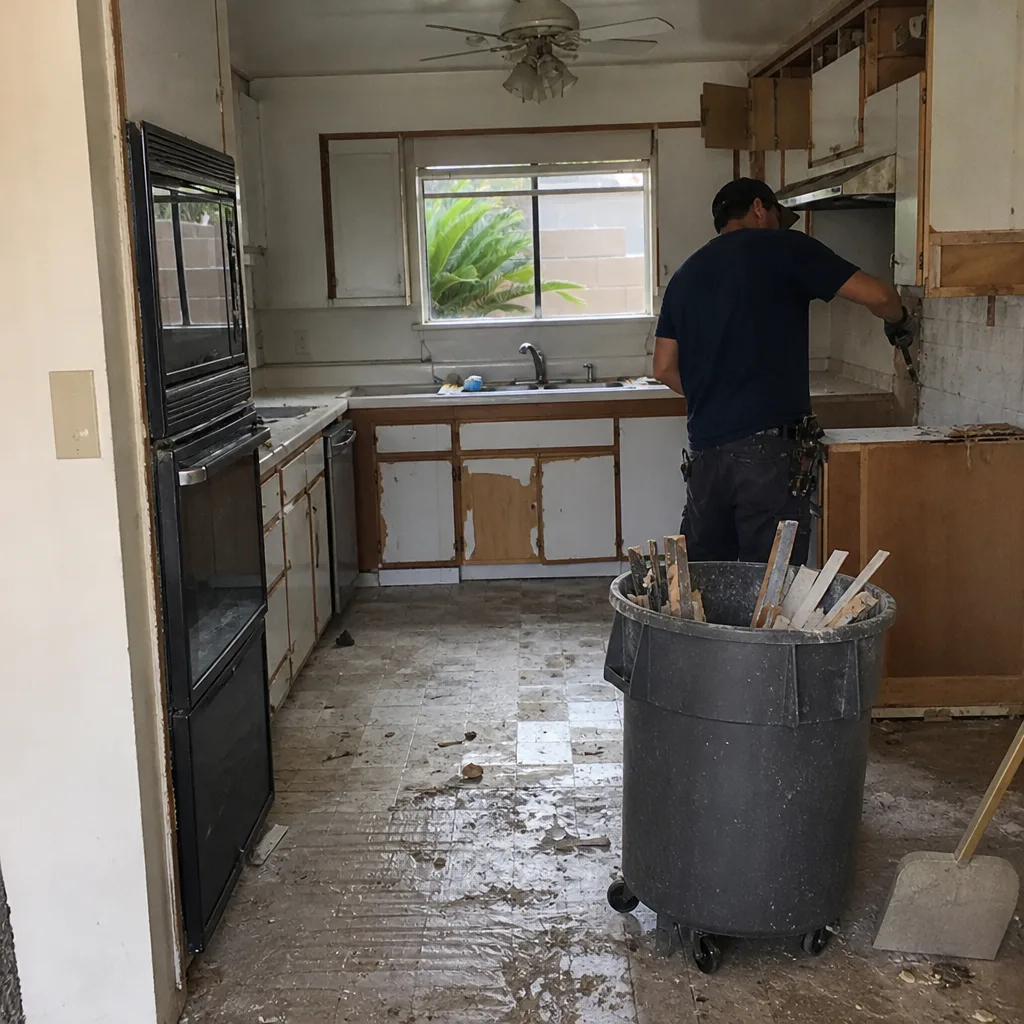 Before
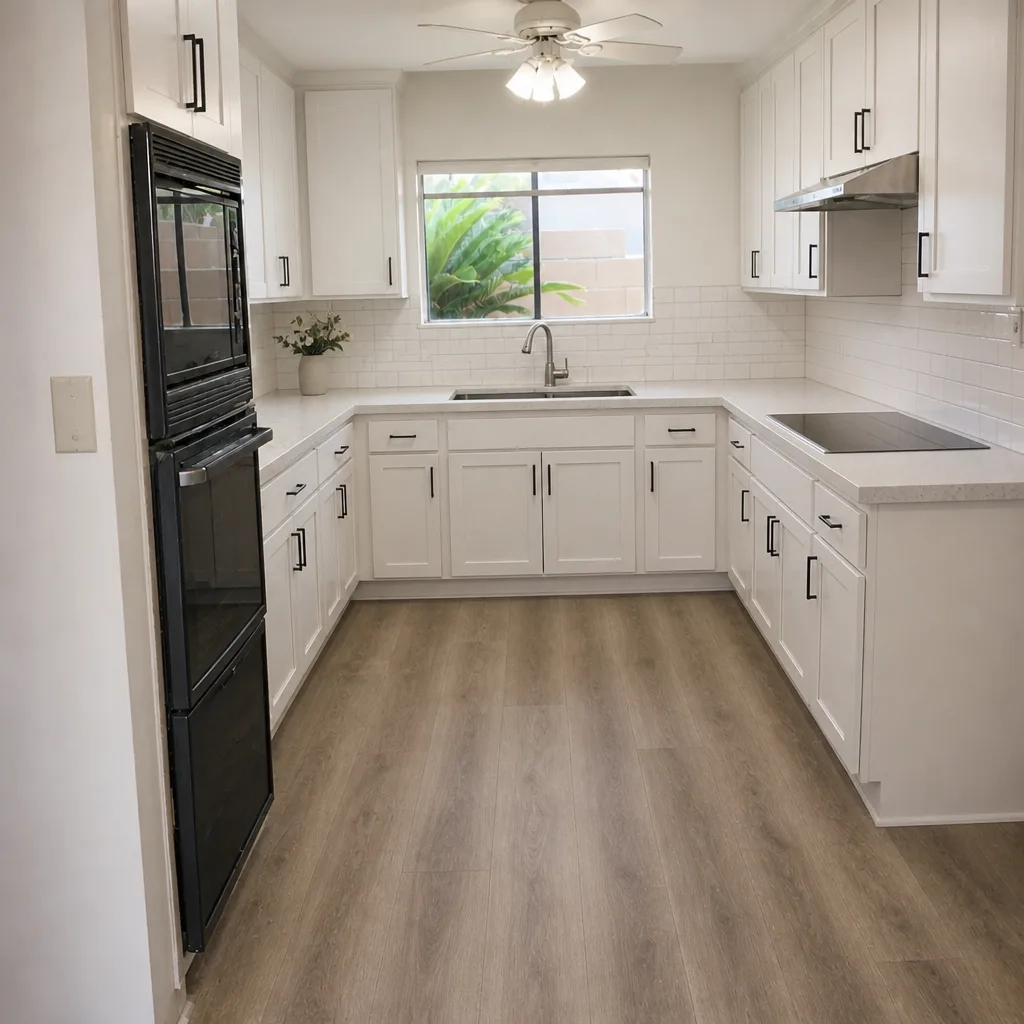 After
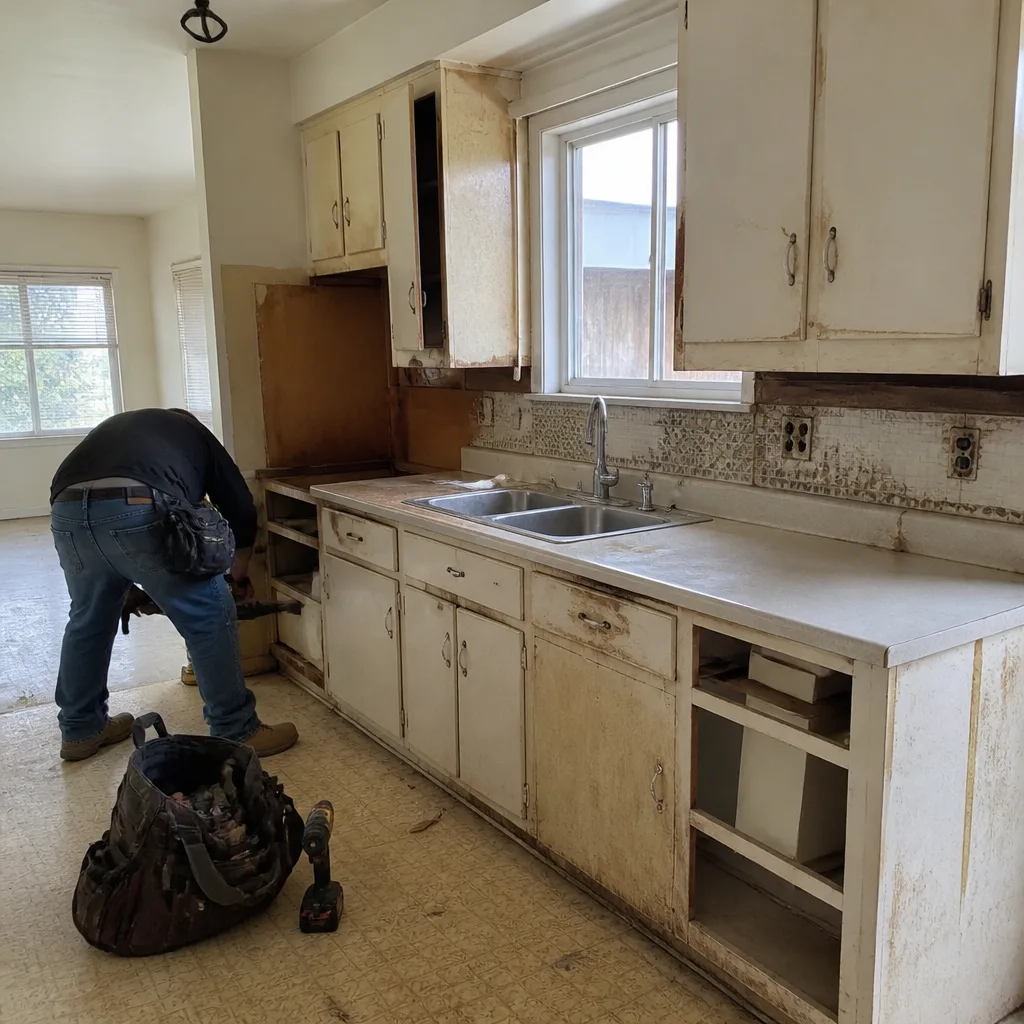 Before
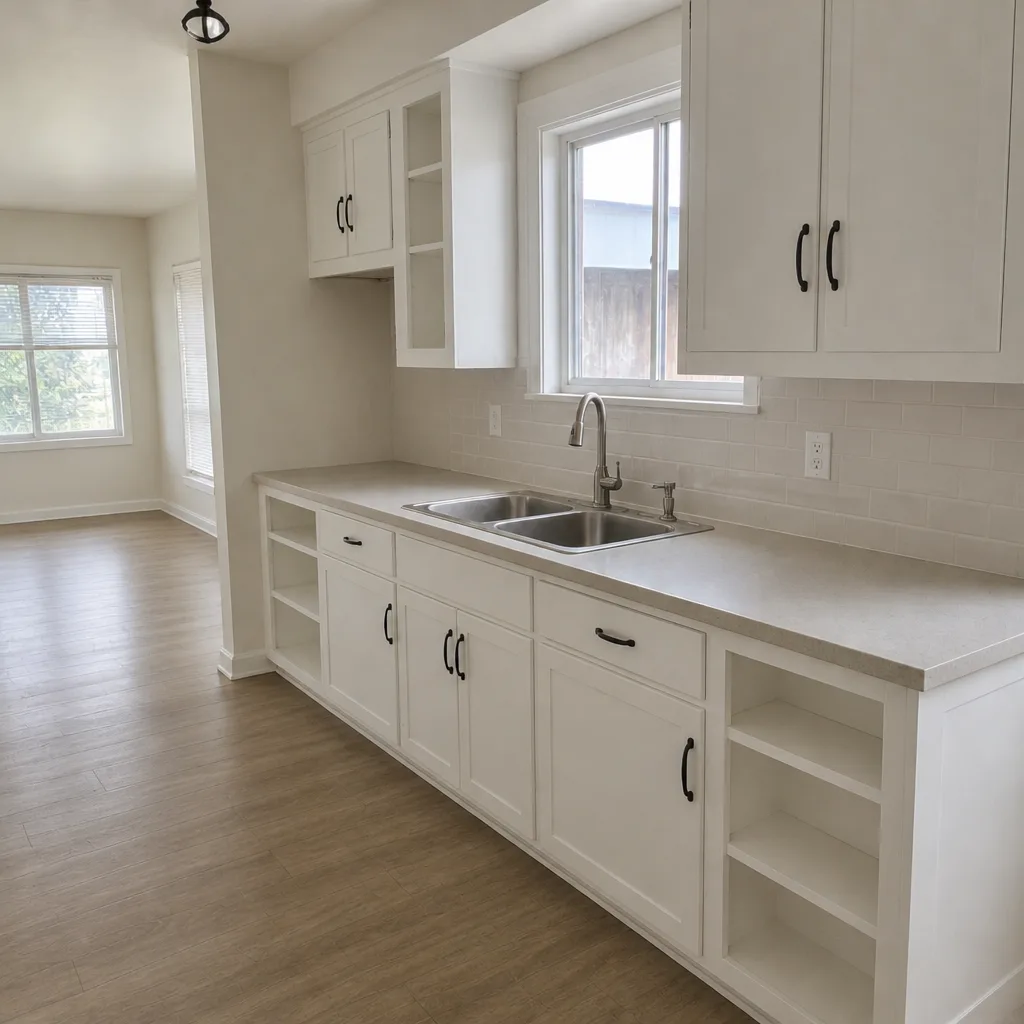 After
Frequently Asked Questions

You can do the cosmetic parts (painting, hardware, non-structural shelving) yourself, but any electrical, plumbing, gas, or structural work in a kitchen remodel requires a licensed contractor or a registered owner-builder permit. Most full kitchen remodels involve system work, which puts them on the professional side of the line. If you want to save on the labor, the safer route is doing demo and final painting yourself and having a licensed kitchen remodeling team in Huntington Beach handle the rest. Call (888) 329-8145 for a free written estimate on the scope you want us to cover.
Often no. Most homeowner policies exclude damage arising from work done by the homeowner without a licensed contractor, especially electrical, plumbing, and structural work. Read your policy’s exclusions section before you pick up the tool, and if the work is permitted, keep the inspection records. A written quote from a licensed contractor removes this question entirely.
Yes, if the project involves moving plumbing, electrical, or structural elements, which most bathroom remodels do. Cosmetic-only work (paint, hardware, fixture swaps in kind) generally doesn’t need a permit. If you’re not sure which side your project falls on, call (888) 329-8145 and we’ll help you read the scope before you file anything.
That’s usually a sign the contractor found a defect in the earlier work they can’t verify or warranty. It’s not obstruction. The remedy is to get the earlier work inspected and either brought to code or re-done. If you’re mid-project and unsure, our team can walk the scope with you and tell you exactly what needs correcting before we can guarantee the finish work.
Yes, demo is often the easiest DIY saving, as long as you don’t cut structural members, disturb wiring, or hit a pipe. Get a written “demo only” scope from the contractor first. That way the parts you save on and the parts they guarantee are both in writing before anyone swings a hammer.
A kitchen remodel in Huntington Beach typically runs four to eight weeks on site, plus six to eight weeks of lead time for cabinets and countertops. A small bathroom refresh runs three to five weeks. The schedule depends on cabinetry lead times and inspection windows, not just labor. Call (888) 329-8145 for a written timeline against your specific scope; estimates are free.
The Bottom Line
The right question isn’t whether you can do the work yourself. It’s whether doing it yourself leaves a licensed contractor able to guarantee the rest of the project. Cosmetic work (paint, hardware, shelving, non-structural finishes) is usually safe to DIY and can genuinely save money. System work (electrical, plumbing, gas, HVAC, structural) is a different category entirely: it’s about permits, code inspection, insurance, and the written guarantee on the finished job. In Huntington Beach, the safest split is diy on demo, final paint, and cleaning, and professional on everything in the wall or behind the tile. If you want the line drawn clearly for your project, start with a free written estimate and a real conversation about scope.
Written by the team at Penhallow Remodeling Huntington Beach.