Last updated November 17, 2026



Free written scope consultation - allowances, timeline, and change-order rules on paper before a single trade is scheduled
DIY vs Professional Bathroom Remodeling: What’s Safe to Do Yourself
A homeowner who tiles their own shower surround can save $800 to $1,500 in labor. But if the waterproofing membrane beneath that tile was installed wrong, the savings vanish into a $6,000 to $15,000 mold remediation and full re-do. That gap is the whole story of bathroom DIY. The question isn’t which phase looks hard. It’s which phase creates liability if it fails. This guide breaks a Huntington Beach bathroom remodel into phases, shows what California code actually requires, and maps a realistic hybrid split that saves real money without handing you a five-figure repair. We’ve walked through enough failed DIY bathrooms to know where the line sits.
Quick Answer
You can safely handle demo, painting, and fixture swaps yourself. You should hire licensed trades for rough plumbing and electrical, and hire a pro (or a very patient, well-researched DIYer) for waterproofing and tile in wet areas. In California, moving or adding plumbing and electrical lines requires permits and licensed trades, so the high-risk phases aren’t optional DIY territory – they’re regulated. The line isn’t difficulty. It’s reversibility and liability.
Styles & brands we work with
- Kitchen remodeling
- Bathroom remodeling
- Home additions & ADU
- Roofing
- Windows & doors
- Driveway & pavers
- Fence
Table of Contents
- The Phase-by-Phase DIY Risk Map
- What California Actually Requires You to Hire Out
- The Honest Savings Math on DIY Labor
- The Reversibility Test: Which Mistakes Have an Undo
- Waterproofing: The Phase That Decides Everything
- How to Hybrid the Job and Still Save Money
- Common Mistakes to Avoid
- When to Call a Professional
- Frequently Asked Questions
- The Bottom Line
The Phase-by-Phase DIY Risk Map
Every bathroom remodel moves through the same phases, and each one carries a different risk profile. Not harder or easier – riskier. Here’s how they actually sort out:
- Demo (low risk, real savings). Pulling out cabinets, drywall, and old tile is grunt work with a wide margin for error. Expect to save $600 to $1,200 in labor on a full gut. The main risk is water damage hidden behind walls – more on that below.
- Rough plumbing (high risk, licensed trade). Moving a drain or supply line wrong means leaks inside a wall you just sealed. California requires a licensed plumber and a permit for this work. The savings aren’t worth the liability.
- Rough electrical (high risk, licensed trade). GFCI protection, dedicated circuits, and fan wiring must meet code. A bathroom is a wet room; electrical mistakes can hurt someone.
- Waterproofing (high risk, invisible if wrong). This is where the $6,000 to $15,000 mold scenario lives. A membrane that looks fine on install day can fail behind tile for a year before you see it.
- Tile (moderate risk, recoverable mistakes). Layout and grout work are learnable. A poor tile job can be redone – it’s expensive and aggravating, but it doesn’t cause structural damage.
- Fixtures and finish (low risk, good DIY territory). Swapping a vanity faucet, hanging a mirror, or resetting a toilet is genuinely homeowner-friendly work. Brands like Kohler and Moen make installation straightforward and their parts carry their own warranties.
If you’re already planning the full scope of a Huntington Beach remodel and want to see how a licensed contractor structures these phases, our bathroom remodeling in Huntington Beach services walk through a typical project timeline.
What California Actually Requires You to Hire Out
This is where a lot of DIY guides go quiet. California has real rules about who can legally perform certain bathroom work, and ignoring them can cost you at resale, at inspection, or at an insurance claim. Here’s the honest version:
- Rough plumbing must be done by a licensed contractor. Adding or relocating a drain, supply line, or shower valve is regulated work. As the homeowner building your own home, the owner-builder exemption may let you pull the permit yourself – but the work still has to be done to code and pass inspection. Most homeowners legally can’t perform the plumbing itself without a license; they can only act as the owner-builder on the project.
- Rough electrical needs a permit and a licensed electrician. Same principle. GFCI outlets, dedicated bathroom circuits, and exhaust fan wiring all require a permit in most Orange County jurisdictions.
- Waterproofing of wet areas must meet California’s wet-area code. Shower pans, walls, and floors require a specific waterproofing assembly. A failed membrane isn’t just a durability issue – it’s a code violation if it wasn’t installed correctly.
- Structural changes require engineering and permits. Removing a wall for a walk-in shower? That’s a permit and possibly an engineer’s stamp.
If your project involves any of the above and you’re in Huntington Beach, this is the moment to bring in a licensed general contractor. We offer a written price before any work starts, so there are no surprises when the permit office comes calling.
The Honest Savings Math on DIY Labor
The single biggest lie in DIY bathroom content is “you’ll save 60%.” That figure ignores tools, waste, and redo rates. Here’s the real math on a full bathroom gut versus a cosmetic refresh:
Full gut remodel, $32,000 to $48,000. DIY demo, painting, and fixture install shaves $1,500 to $3,000 in labor. Now account for tool rental ($200 to $400 for tile saw, demo hammer), material waste (10 to 15% on tile for first-timers vs 5% for a pro), and redo risk (a first-time tiler needs a second attempt one time in three). Net realistic savings: $800 to $1,800.
Cosmetic refresh, $8,000 to $14,000. This is where DIY pays off with the least risk. Painting the vanity, swapping faucets, replacing cabinet hardware, and installing a new mirror can save $1,200 to $2,500 with minimal downside. The work is reversible and requires no permits.
The calculation inverts when you DIY waterproofing and tile on a full remodel. The savings on the tile labor is real – $1,200 to $2,400 in Huntington Beach depending on the tile. But if the waterproofing behind that tile fails, the remediation bill lands at $6,000 to $15,000. That’s not labor savings. That’s liability transfer.
The Reversibility Test: Which Mistakes Have an Undo
Before you pick up a tool, ask: if I get this wrong, can I undo it without calling someone? Most DIY decisions get simpler with that one question.
- Painting (fully reversible). Sand and repaint. Total recovery cost: a can of paint.
- Swapping fixtures (fully reversible). Reinstall the old faucet. Brands like Moen and Kohler design for straightforward replacement, and their retail cartridges and parts are easy to source.
- Installing a vanity (mostly reversible). If the plumbing lines already exist in the wall, dropping in a new vanity is recoverable. Moving them isn’t.
- Tile (reversible, expensive). A bad tile job can be chipped out and redone. You lose time and material, but the house survives.
- Waterproofing (not reversible). A failed membrane is invisible until it’s caused damage. Remediation means removing the tile you just installed and possibly rebuilding the framing.
- Rough plumbing (not reversible). A leak inside a wall is a full extraction-and-repair job.
- Rough electrical (not reversible, potentially dangerous). Rewiring errors in a wet room are a genuine safety issue.
If the mistake requires remediation rather than a do-over, hire it out. If it just requires another trip to the hardware store, it’s yours for the taking.
Waterproofing: The Phase That Decides Everything
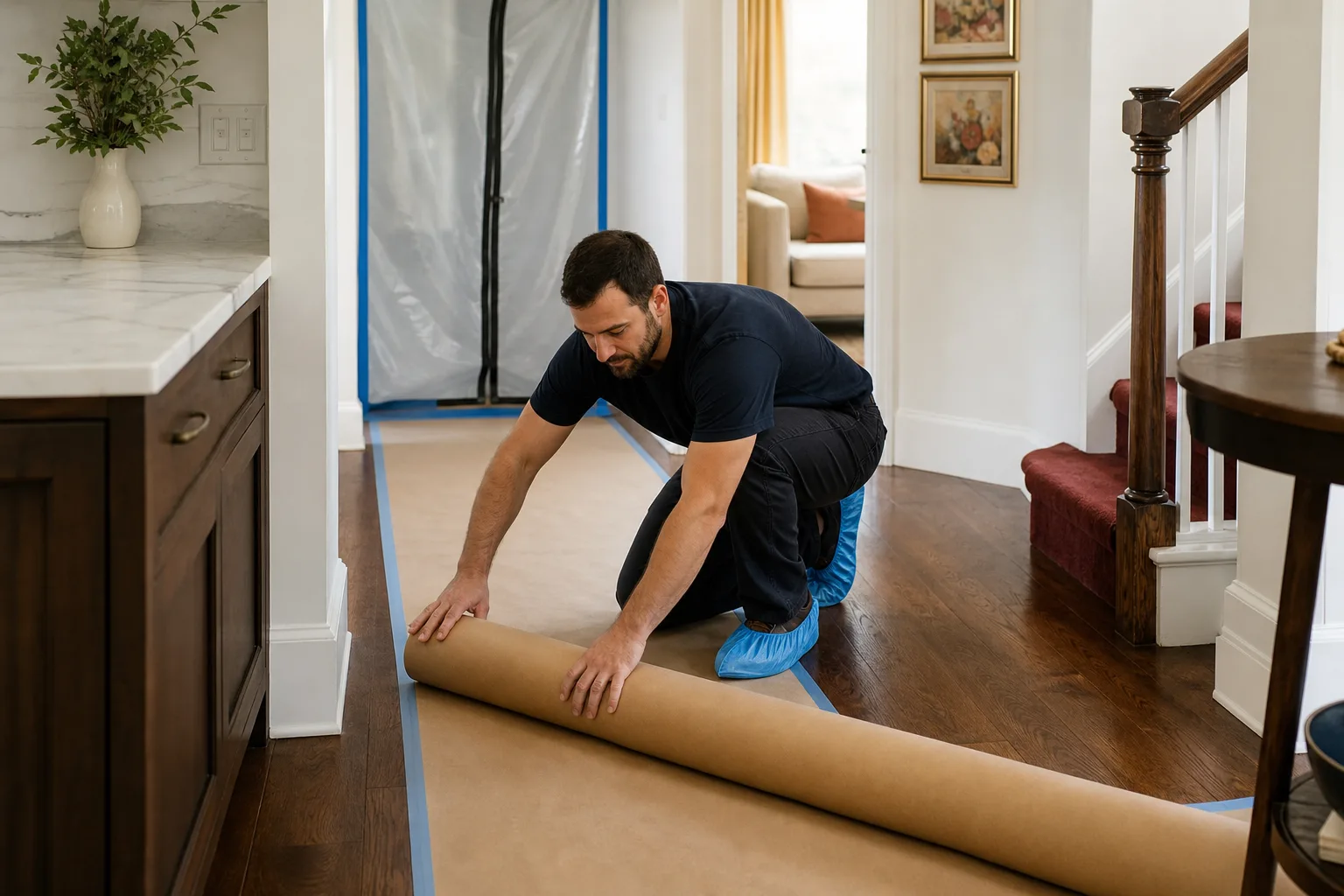
Here’s the phase almost every DIY guide underexplains. Waterproofing isn’t a step – it’s a system. In a wet-area code context, it includes a waterproof membrane bonded to a suitable substrate, correctly lapped corners, a sloped shower pan, and a waterproofed curb. Get any of it wrong and the tile above looks perfect while the structure behind it rots.
In our Huntington Beach experience, the recurring failure isn’t dramatic. It’s a small missed detail: a corner where the membrane was lapped in the wrong direction, a curb where moisture wicked in behind the tile, or a pan that wasn’t properly sloped. These failures take six to eighteen months to reveal themselves, usually as a soft spot near the shower base or a faint smell that shows up in the summer.
Here’s the key point for a DIY decision: waterproofing is genuinely within reach for a careful homeowner who researches the specific system they’re using and follows the manufacturer’s installation instructions to the letter. It’s also the phase where a mistake is most expensive. The math cuts both ways. If you’re comfortable with precision and patience, it’s doable. If you’re inclined to “figure it out as I go,” it’s not.
South Huntington Beach homes near the coast face an added challenge: salt air and higher ambient humidity accelerate moisture problems behind tile. A membrane failure that might take two years inland can show up in a year here. That’s not a reason to skip DIY – it’s a reason to install waterproofing correctly or not at all.
How to Hybrid the Job and Still Save Money
The smartest DIY bathroom isn’t all-DIY or all-hire. It’s a hybrid: you keep the low-risk phases, hire the high-risk ones, and save real money without inheriting real liability. Here’s the split we’ve seen work well for Huntington Beach homeowners:
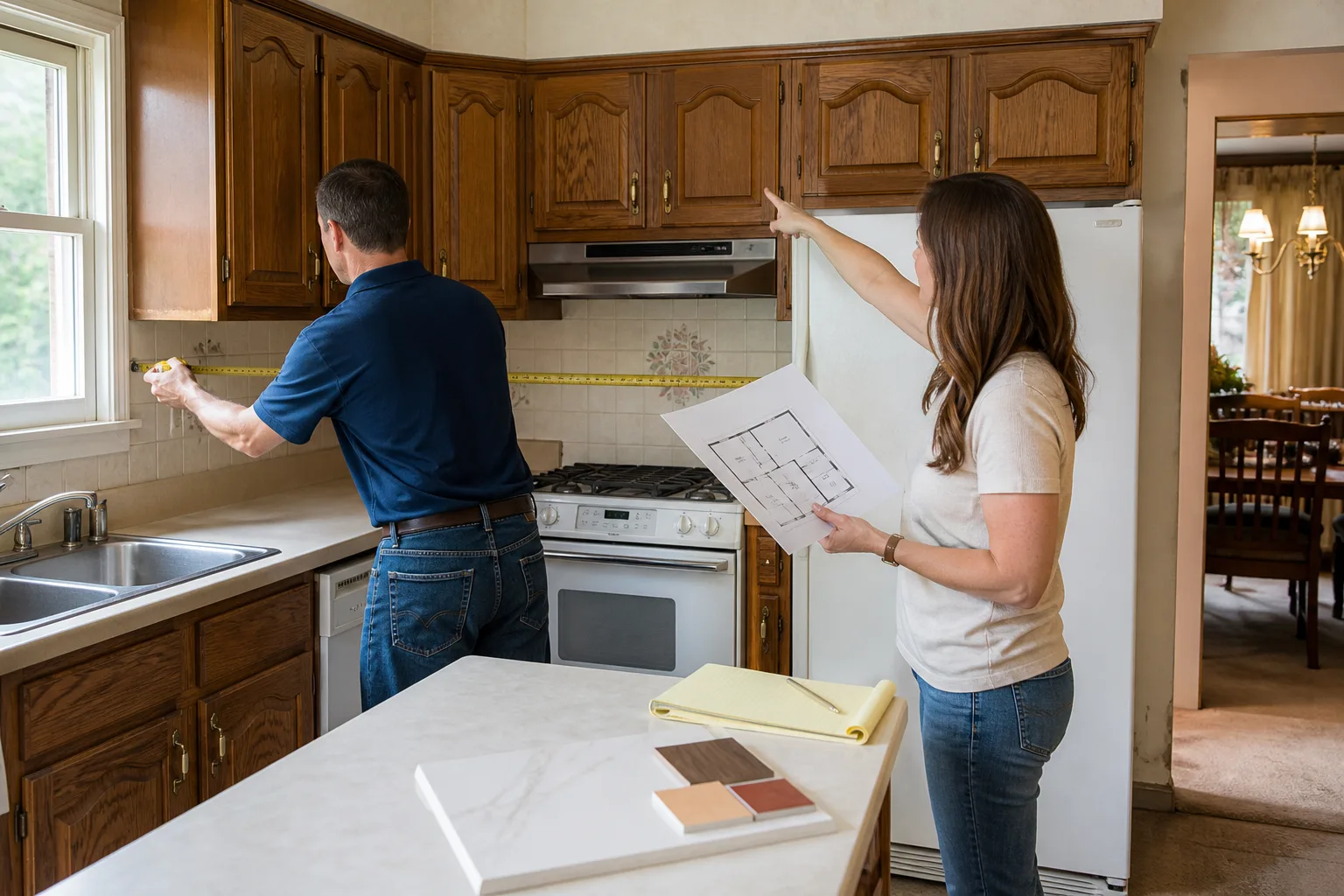
- You do the demo. Take out old cabinets, tear out the old tub, pull the old tile down to the substrate. This is where you keep $600 to $1,200 in savings and gain insight into what’s behind your walls – a hidden water stain, a rotten floor joist, or a surprise plumbing change.
- A licensed plumber handles the rough-in. Relocating a shower drain, installing a new valve, or moving a supply line is their work. You save nothing by DIYing it and gain a permit and inspection record.
- A licensed electrician handles the rough electrical. GFCI circuits, fan wiring, and lighting circuits. This is a permit item in every Orange County jurisdiction, and having the electrical inspected protects your re-sale and your insurance coverage.
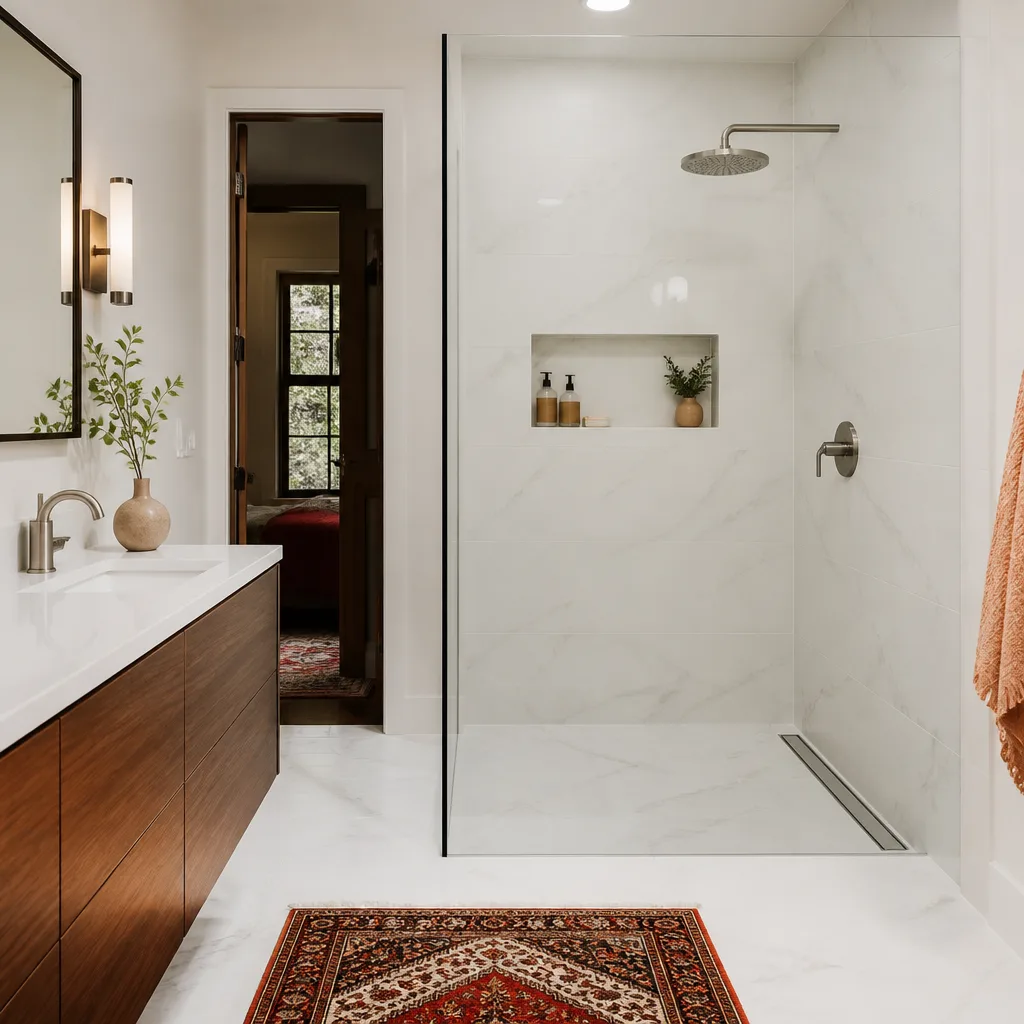
- A professional handles waterproofing and shower tile. This is the phase where the savings don’t outweigh the risk. A pro installs the membrane, pan, curb, and tile to wet-area code, and owes you a written guarantee if something fails.
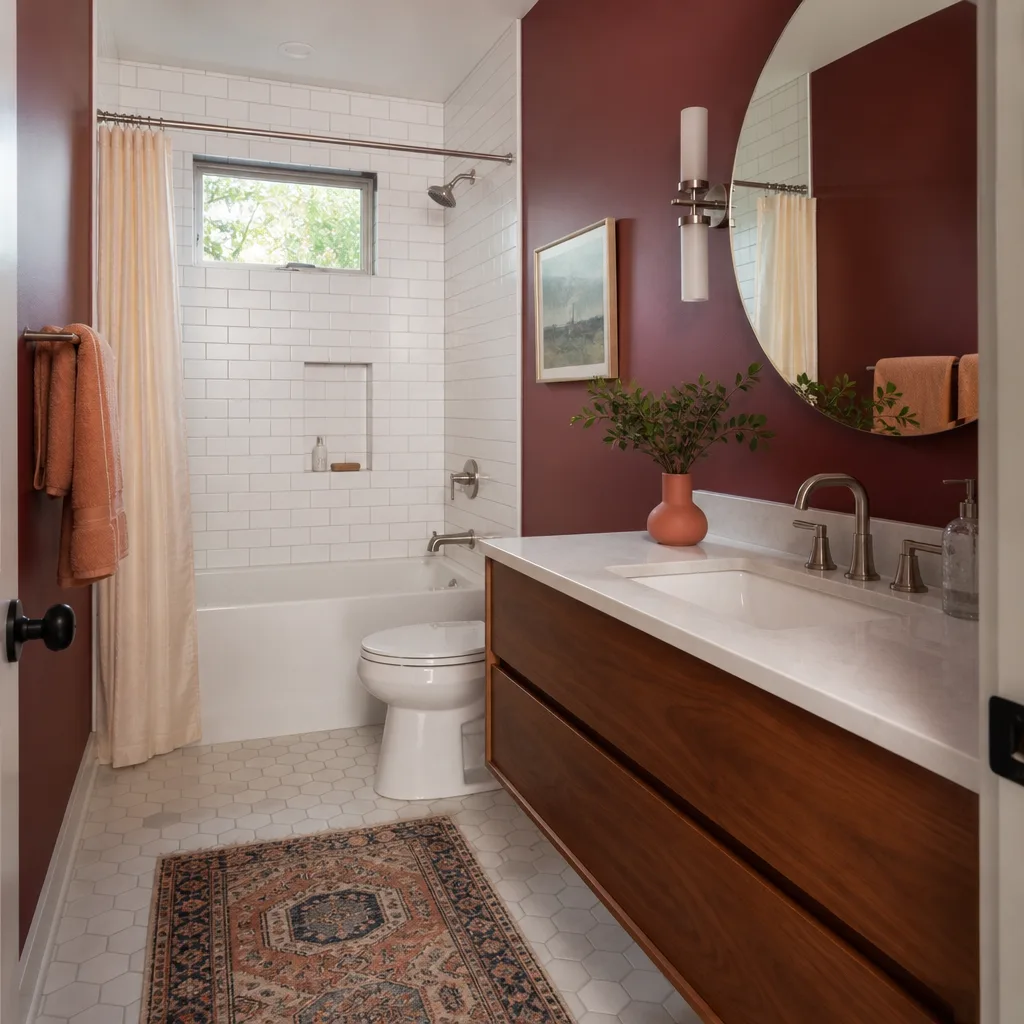
- You do the finishes. Paint, vanity install, faucet swaps, new mirror, cabinet hardware. This is where a homeowner with care and patience can match – and often improve on – the pro finish.
- You handle the walk-through and punch list. The best homeowner is a careful client: identify the details that need attention before the pro leaves the job site.
This hybrid is where a general contractor becomes a resource rather than a competitor. If you’re handling some phases yourself, working with a company that pulls permits and coordinates licensed trades on the rest changes the economic picture. That’s the structure we use on general contractor in Huntington Beach projects, and it’s often the difference between a bathroom that saves money and one that costs twice as much six months later.
If your bathroom is part of a larger whole-home scope – say, adjoining a kitchen you’re also remodeling – the coordination value of hiring a single general contractor goes up. Our kitchen remodeling in Huntington Beach services address the same permit, waterproofing, and rough-in logic on the other side of the wall.
Common Mistakes to Avoid
- Treating waterproofing as a paint-on step. Waterproofing is a system with specific details for corners, curbs, and pans. The most common failure path is treating the membrane like a quick coat, not the precise assembly it requires.
- Skipping the permit to save time. In Huntington Beach and broader Orange County, an unpermitted bathroom remodel can surface at resale, at insurance, or after a plumbing leak. The permit cost is small compared to the downside.
- Assuming your tile is waterproof. Tile and grout are not waterproof. The waterproofing membrane behind the tile is. First-time tilers often mistake one for the other.
- Buying cheap “just in case” fixtures. A builder-grade shower valve can fail in two years. If you’re already paying for the labor, use the brand layer behind the plumbing: Moen, Kohler, Grohe, and Toto all stand behind their products with their own warranties.
- DIYing a waterproofing job while ignoring the substrate. Cement board isn’t optional. It’s the moisture-resistant layer behind your tile, and skipping it means the membrane has nothing solid to bond to.
- Starting the job without a written scope. Even a hybrid project benefits from a written plan that separates your phases from the pro’s. Verbal plans drift.
- Not knowing what “California wet-area code” actually means. The details vary by system and inspection authority. Check with the installer or your permit office before you start – not after the tile is set.
When to Call a Professional
You should call a professional when the job touches rough plumbing, rough electrical, waterproofing in a wet area, structural changes, or permit-required work. You should also call when you’re uncertain about the substrate you’re tiling to, when the bathroom is part of a larger remodel with kitchen work nearby, or when hidden damage turns up after demo. And you should call when the savings don’t justify the risk – a homeowner who saves $800 in waterproofing labor but risks a $10,000 remediation has the math wrong. Penhallow Remodeling Huntington Beach offers free estimates in Huntington Beach – call (888) 329-8145. Every project gets a written price before any work starts, a defined arrival window, and a 365-Day Done Right Promise in writing. That’s the guarantee most DIY projects can’t offer the homeowner – the promise that if a repair fails, someone comes back and makes it right at no charge.
Frequently Asked Questions
You can legally perform cosmetic and finish work – painting, tile install on dry areas, fixture swaps – as a homeowner. Rough plumbing and rough electrical need a licensed trade and a permit in most jurisdictions. Wet-area waterproofing is regulated by code even when the homeowner performs it, and structural changes require a permit. As the owner-builder on your primary residence, you can pull some permits yourself, but you cannot perform licensed-trade work without the license. Call (888) 329-8145 if you’re unsure which phases apply to your project.
Typical demo labor on a full Huntington Beach bathroom gut runs $600 to $1,200. Demo is one of the safest DIY phases because it’s destructive work with no code requirements and no technical precision. The real value of demo is that it reveals what’s behind your walls – so plan to stop and reassess if you find hidden water damage or failed plumbing before you continue.
No. Skipping waterproofing is the single most expensive shortcut in a bathroom remodel. Tile and grout aren’t waterproof; the membrane behind them is. A failed membrane means water reaches the framing, and remediation costs typically run $6,000 to $15,000 in Huntington Beach because the shower has to be removed and rebuilt. If you’re set on DIY tile, do the waterproofing to code or hire it out.
For cosmetic changes – paint, fixture swaps, refinishing – no permit is generally needed. For rough plumbing, rough electrical, wet-area waterproofing changes, or structural modifications, a permit is required. Unpermitted work can surface at resale, during inspection, or after an insurance claim. Call (888) 329-8145 for a free estimate if you’re unsure of your project’s permit requirements.
A cosmetic bathroom refresh in Huntington Beach typically runs $8,000 to $14,000; a full gut remodel runs $32,000 to $48,000 depending on layout, tile, fixture line, and whether the rough plumbing needs relocating. The variables that move the number most are waterproofing complexity, fixture brand choice, and whether the wall behind the tile has to be re-framed. Call (888) 329-8145 for a written price before any work starts.
Hire a licensed bathroom professional for the waterproofing and shower tile phase – ideally the same one who’ll warrant the work if it fails. A hybrid project works well when you control the demo and finishes and the pro controls the waterproofing, tile, and rough-in. This is the split we run on many Huntington Beach projects. Call (888) 329-8145 to schedule a free estimate and get a written price before the job starts.
The Bottom Line
The DIY bathroom decision isn’t about difficulty. It’s about reversibility and liability. Demo, painting, and fixture swaps have an undo. Waterproofing, rough plumbing, and rough electrical don’t. The realistic hybrid – demo and finishes yourself, waterproofing and rough-in with a licensed pro – saves real money ($800 to $1,800 on a full gut) without inheriting the $6,000 to $15,000 remediation risk. That’s the split we’d recommend to a friend in Huntington Beach, and it’s the split we help homeowners structure when they work with us. If you want to see how a project comes together with written pricing and a written guarantee, our Penhallow Remodeling Huntington Beach home page is the best next stop.
Get Your Free Estimate
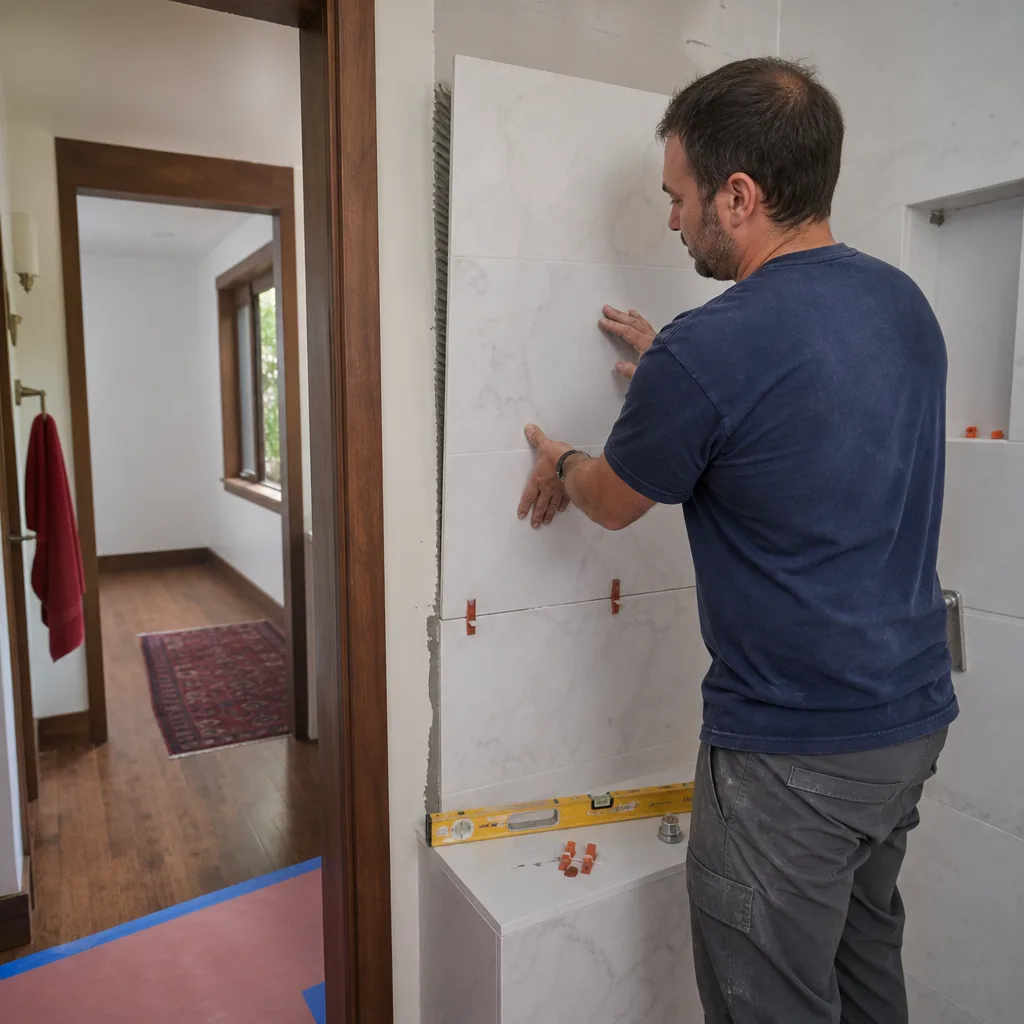
Every bathroom in Huntington Beach has a different risk profile, and the right DIY split depends on what’s behind your walls. Penhallow Remodeling Huntington Beach provides written prices before any work starts, licensed trades on rough plumbing and electrical, professional waterproofing and tile, and a 365-Day Done Right Promise on every project. Our technicians have up to 22 years of experience, and we draw on trade brands like KraftMaid, Wellborn, Cambria, Silestone, Kohler, and Moen so the products behind the guarantee are as solid as the promise. Call (888) 329-8145 for a free estimate and a written price in hand before you decide which phase to tackle yourself.
Written by the team at Penhallow Remodeling Huntington Beach.
See the difference
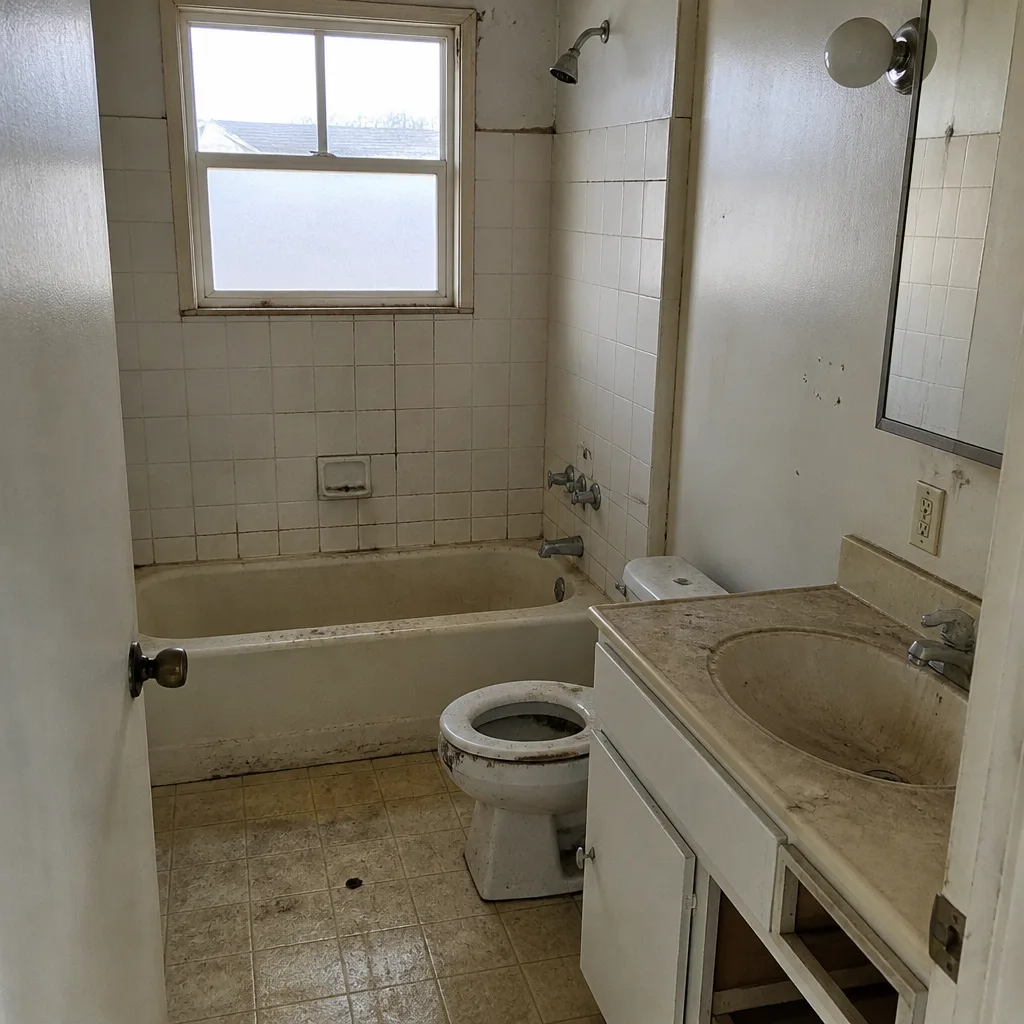 Before
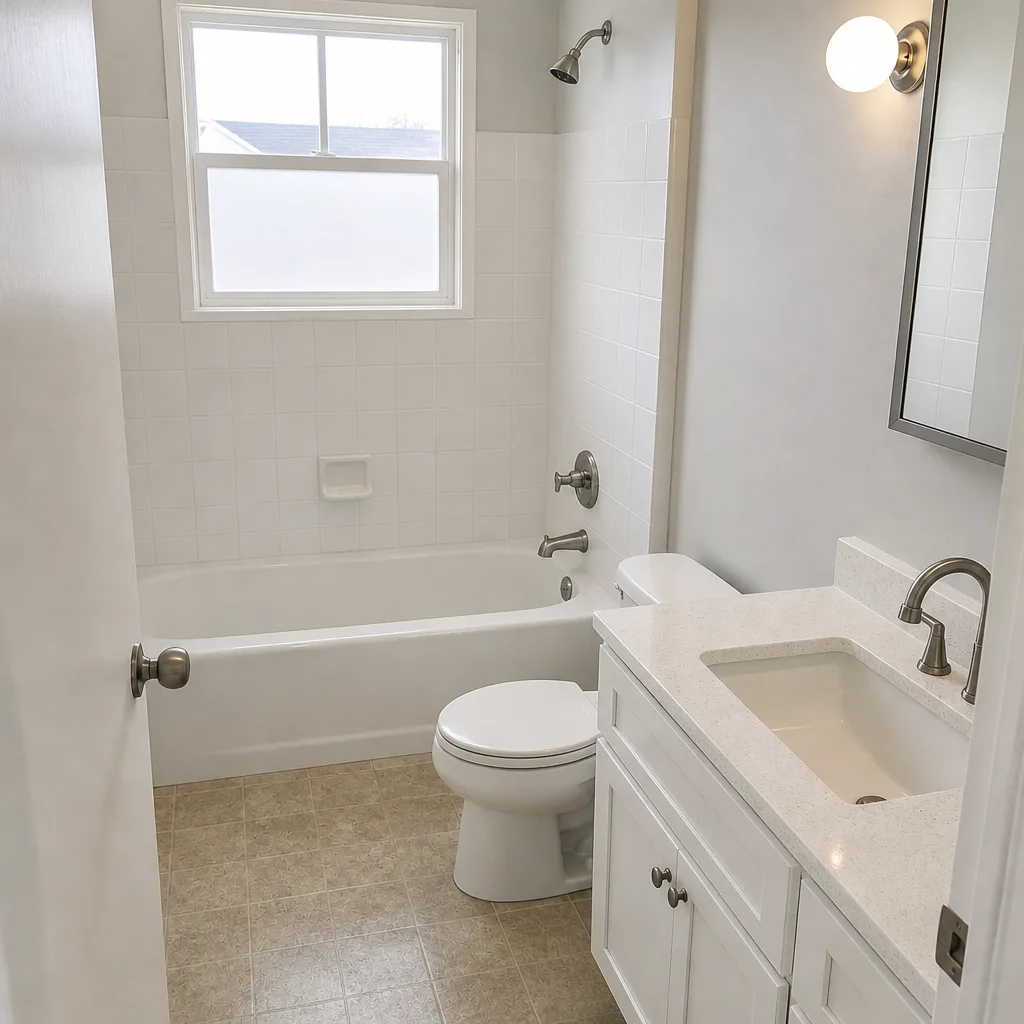 After
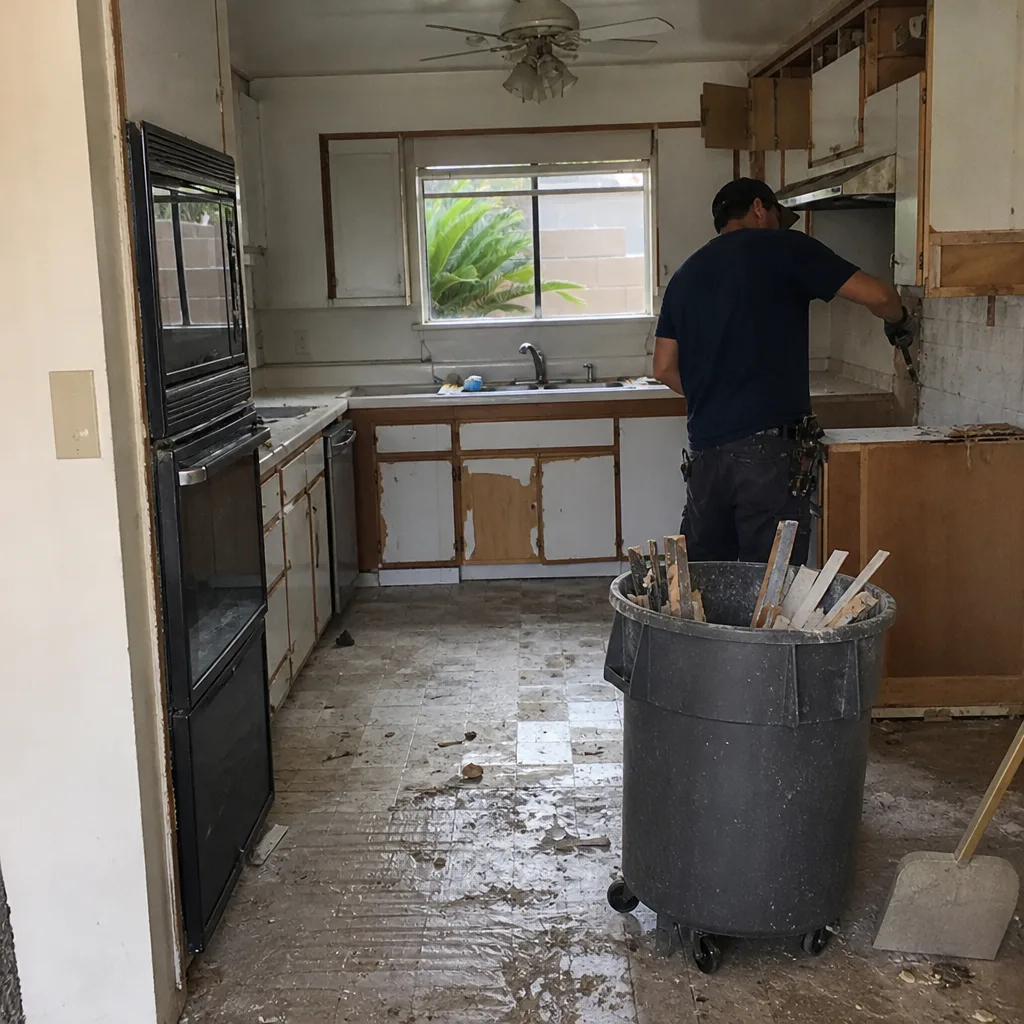 Before
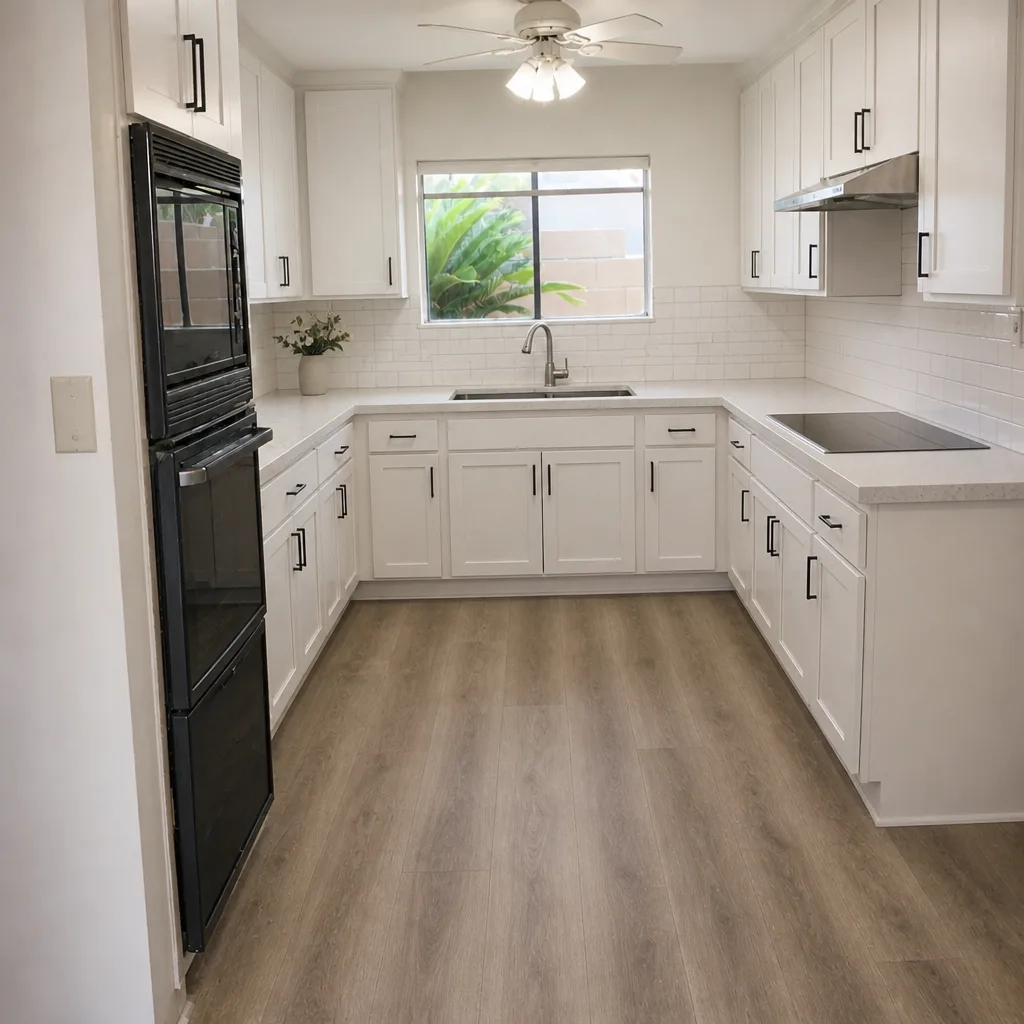 After
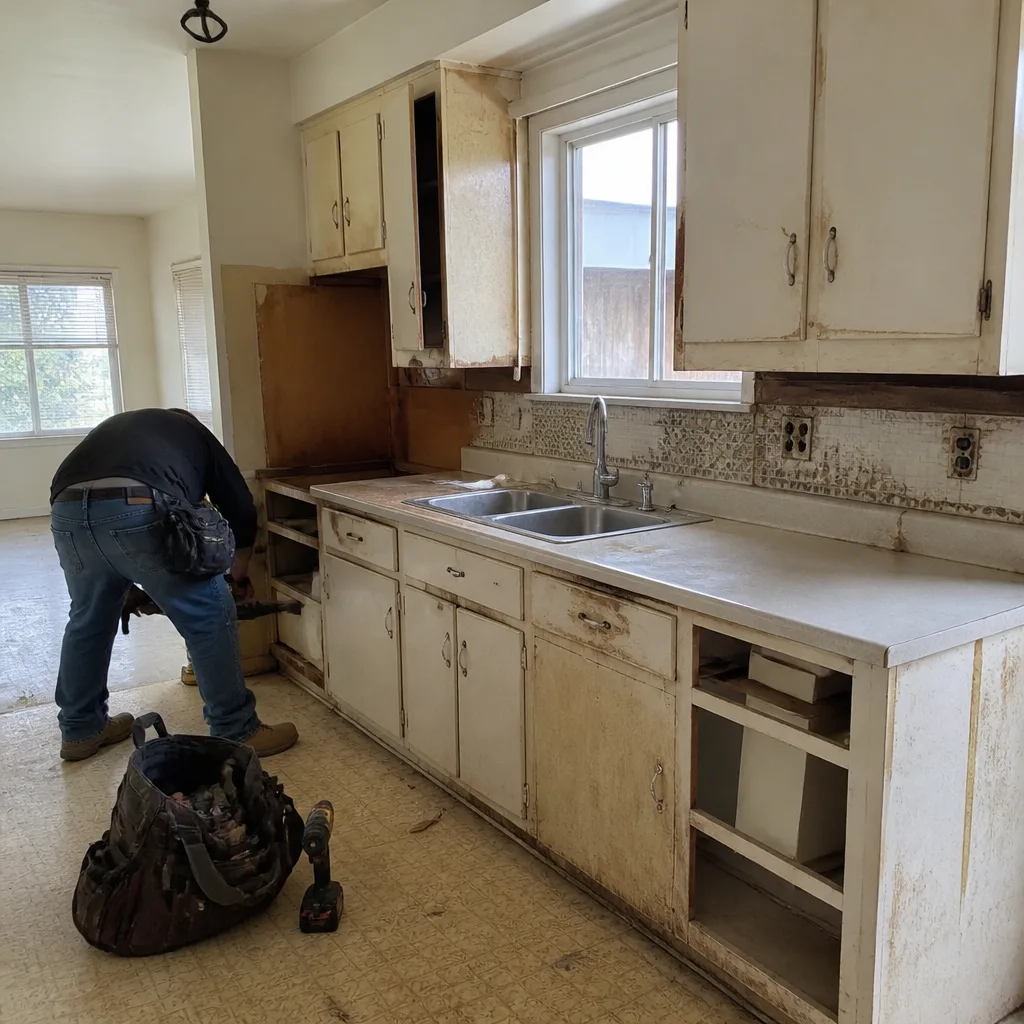 Before
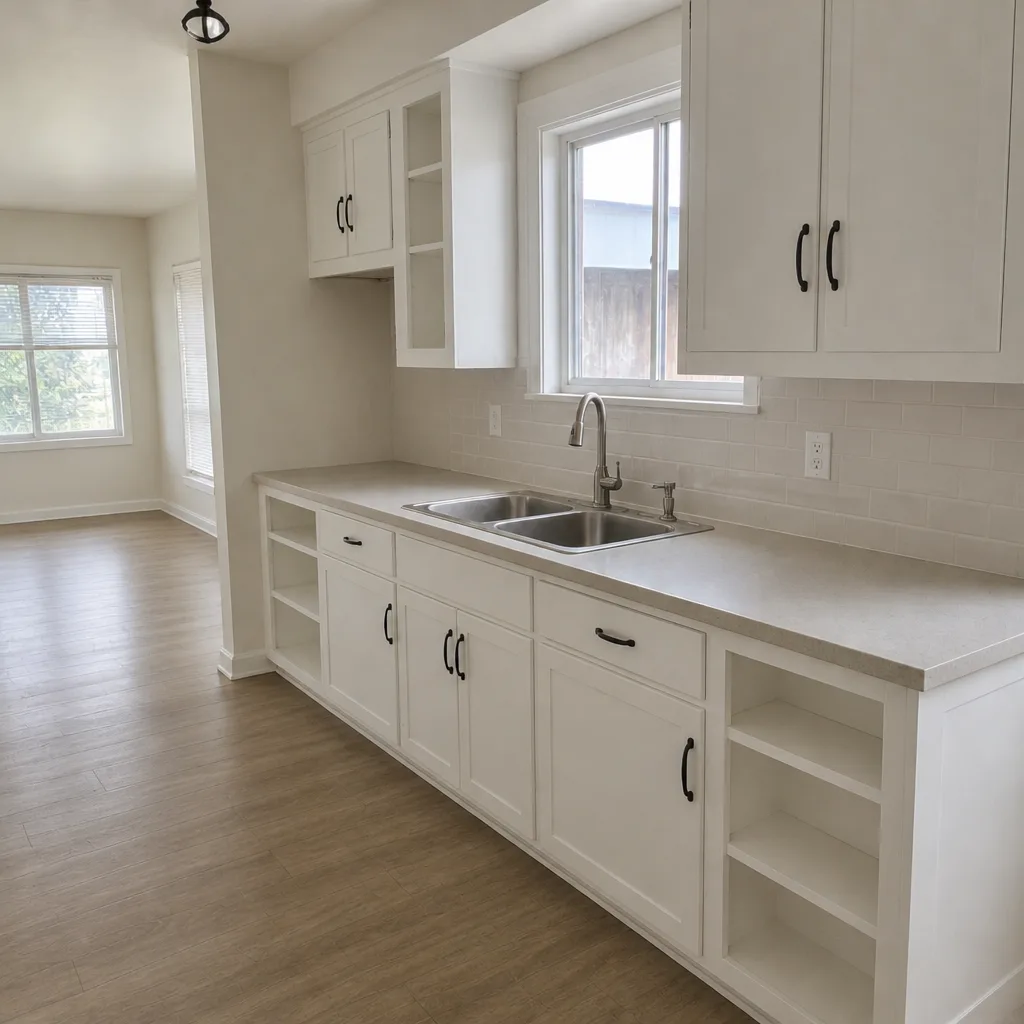 After