Last updated November 17, 2026

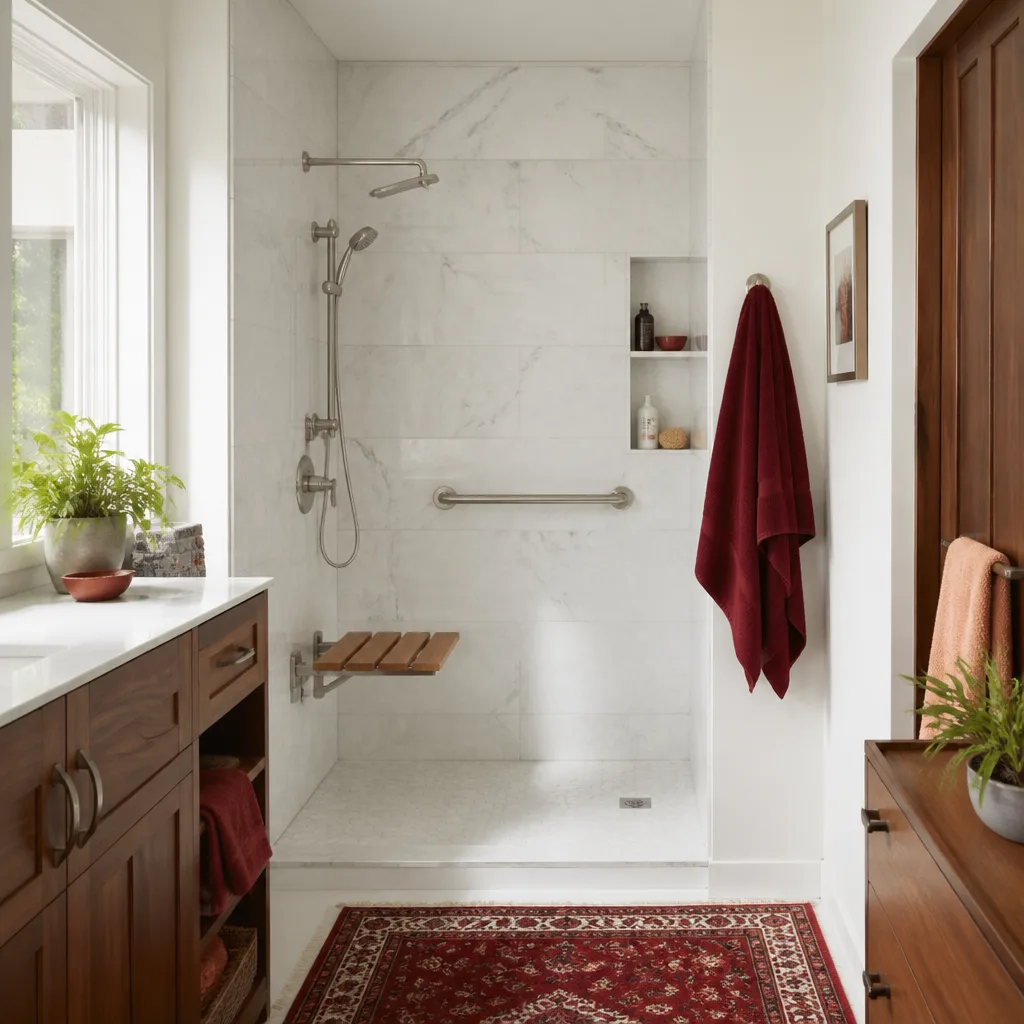
Free written scope consultation - allowances, timeline, and change-order rules on paper before a single trade is scheduled
The Complete General Contractor Guide for Huntington Beach Homeowners
The City of Huntington Beach issued more than 1,200 residential building permits last year, yet a surprising share of remodel disputes trace back to one moment: the homeowner never saw a written scope before demo day. That single gap causes more heartburn than any material delay or inspection snag. Coastal permitting, HOA overlays, and salt-air material specs make a Huntington Beach job genuinely different from an inland remodel. This guide gives you the specific checklist that filters out the contractors who don’t know the difference – and points you toward the ones who do.
Quick Answer
To hire a general contractor in Huntington Beach, verify their CSLB license is active and in good standing, confirm the project’s coastal zone and HOA requirements before you sign, and get a written line-item scope that states who pulls the permit and which subcontractors will be on site. A contractor who can’t explain how the California Coastal Commission overlay affects your timeline – or why salt air changes your fastener and siding choices – is a contractor learning on your dime.
Styles & brands we work with
- Kitchen remodeling
- Bathroom remodeling
- Home additions & ADU
- Roofing
- Windows & doors
- Driveway & pavers
- Fence
Table of Contents
- How Coastal Zone Rules Affect Your Huntington Beach Permit Timeline
- Licensed General Contractor vs. Handyman: Why the Line Matters
- What a Written Scope of Work Must Include Before You Sign
- HOA Pre-Approval in Seacliff and Huntington Harbour
- How to Read a CSLB License Record in 90 Seconds
- Salt-Air Material Specs That Hold Up on the Coast
- Comparing Bids Without Getting Fooled
- What a Real Guarantee Looks Like in Writing
How Coastal Zone Rules Affect Your Huntington Beach Permit Timeline
A large portion of Huntington Beach sits inside the California coastal zone, which means the California Coastal Commission and the City’s own coastal development provisions can add steps to what looks like a simple remodel. Projects near the shoreline – think the blocks off Pacific Coast Highway, the streets running down to Dog Beach, and the low-lying tracts near the Bolsa Chica wetlands – often trigger a coastal development permit review on top of a standard building permit. That review is not a rubber stamp. It can add four to twelve weeks to your plan-check timeline, depending on how the application is written and how much of the structure you’re touching.
What actually drives the timeline:
- How close the work is to the bluff edge or tidal zone. Wetlands-adjacent parcels get more scrutiny than lots several blocks inland.
- Whether you’re expanding a footprint. Second-story additions and lot-line moves draw more review than an interior kitchen gut.
- Floodplain and FEMA maps. Parts of Huntington Beach near the channels require elevation documentation even for interior remodels.
- Coastal Commission appeal windows. Some local approvals can be appealed to the state, which stretches the calendar further.
Before you sign anything, ask the contractor to walk the parcel against the City’s coastal zone map and tell you in writing whether a coastal development permit is likely. If they can’t answer that question, you’re about to discover the answer the slow way. For a deeper look at how we sequence Huntington Beach projects, see our General Contractor in Huntington Beach page.
Licensed General Contractor vs. Handyman: Why the Line Matters
California law caps a handyman’s unlicensed work at $500 per job, including labor and materials. That line exists for a reason: above it, the state requires a licensed contractor with proper workers’ comp and liability coverage. This isn’t bureaucratic trivia. If an unlicensed worker is injured in your home, your homeowner’s insurance may deny the claim, and if their work fails, you have far fewer options to recover. A homeowner remodel that bundles framing, electrical, plumbing, and tile into one project is exactly the kind of job where the gap between “handy” and “licensed” matters most.
Some things to confirm in writing:
- The general contractor’s CSLB license number and classification (a B license covers general building).
- Active liability insurance and workers’ comp – ask for the certificate, not just a verbal yes.
- Whether subcontractors on your job are licensed themselves (electrical and plumbing subs need their own licenses in California).
- That the general contractor is the contracting party you can hold accountable, not a series of one-off specialists.
A licensed general contractor also owns the permit responsibility in most cases, which matters when the City inspector shows up and asks a question you can’t answer. When a Huntington Beach permit sits under a licensed GC’s name, that GC is the one communicating with plan check, coordinating inspections, and closing out the job. That single structural point is why the license check we walk through below is the first filter we recommend – not the last.
What a Written Scope of Work Must Include Before You Sign
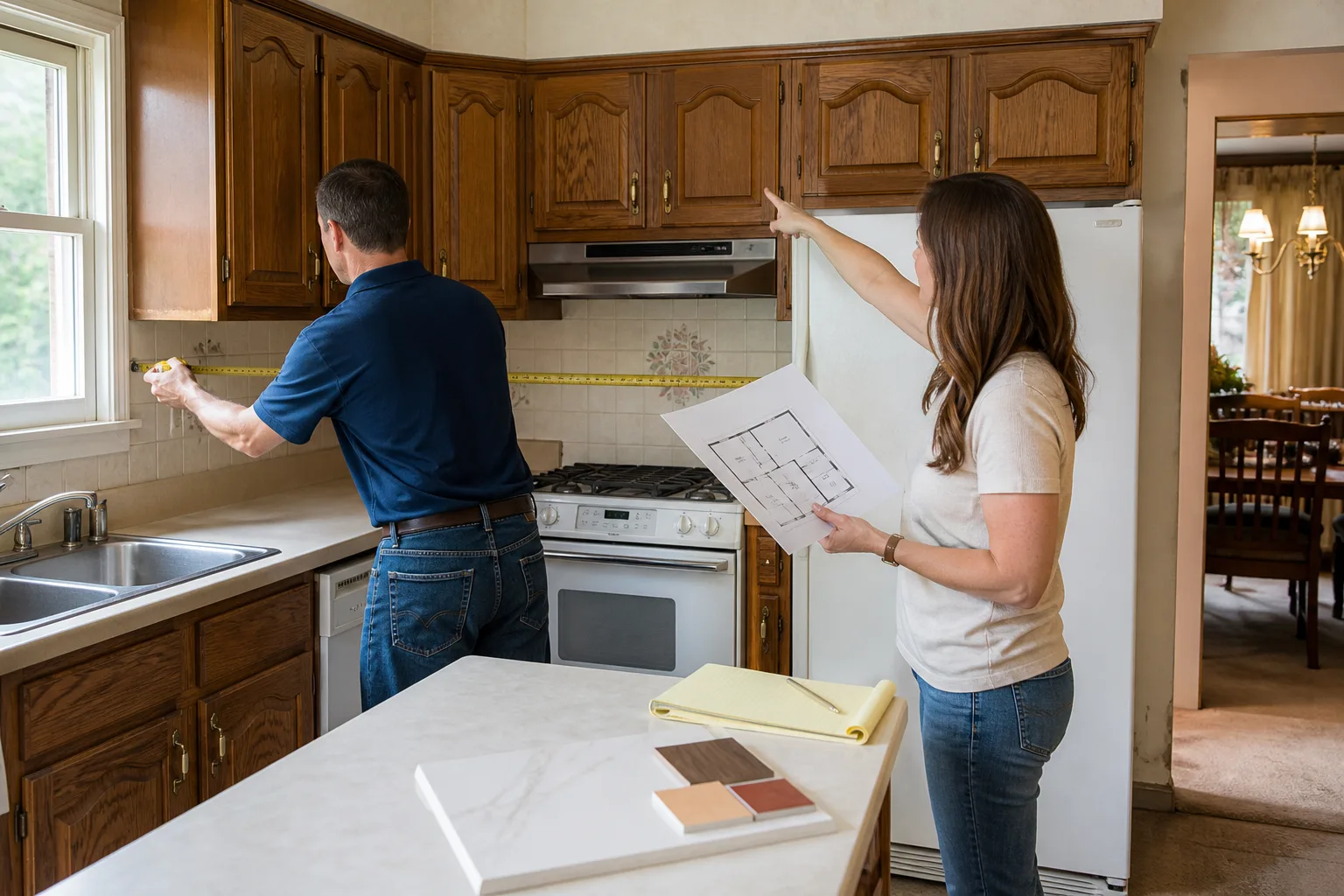
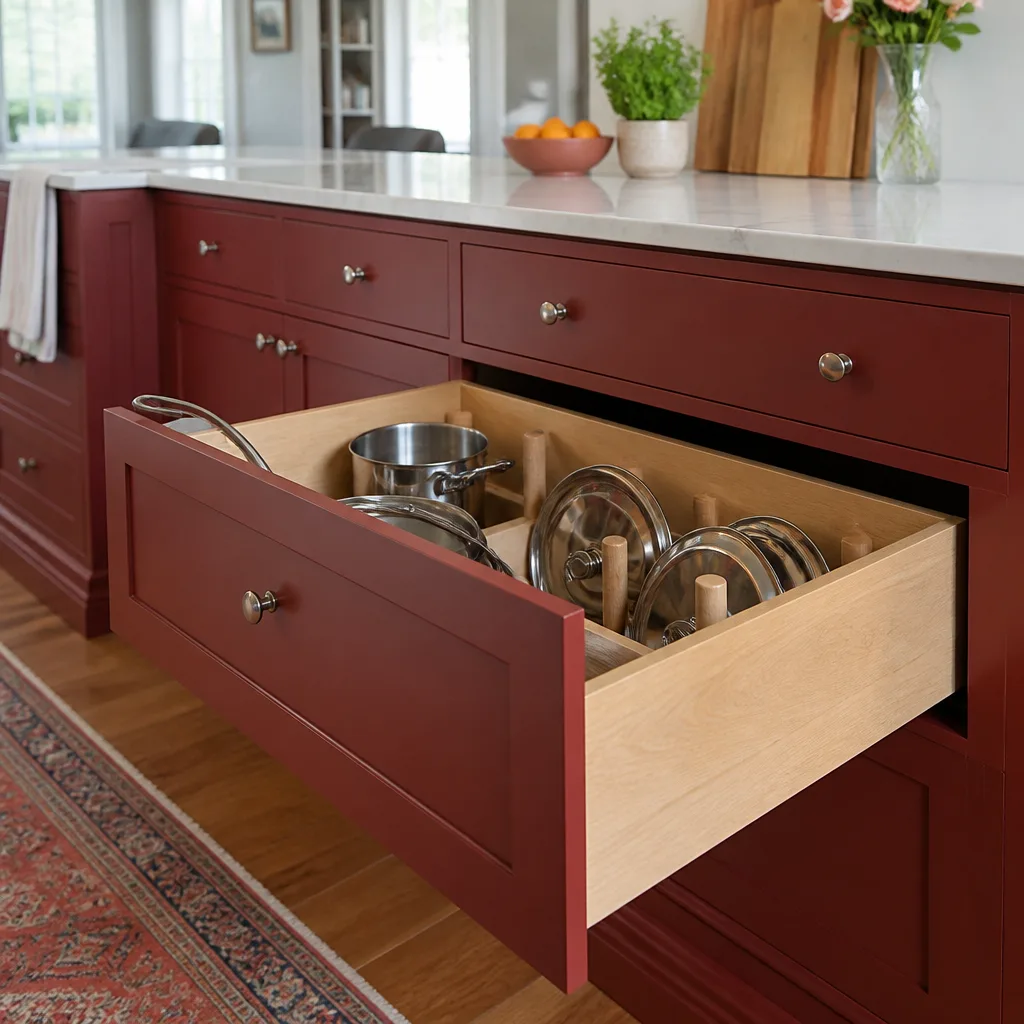
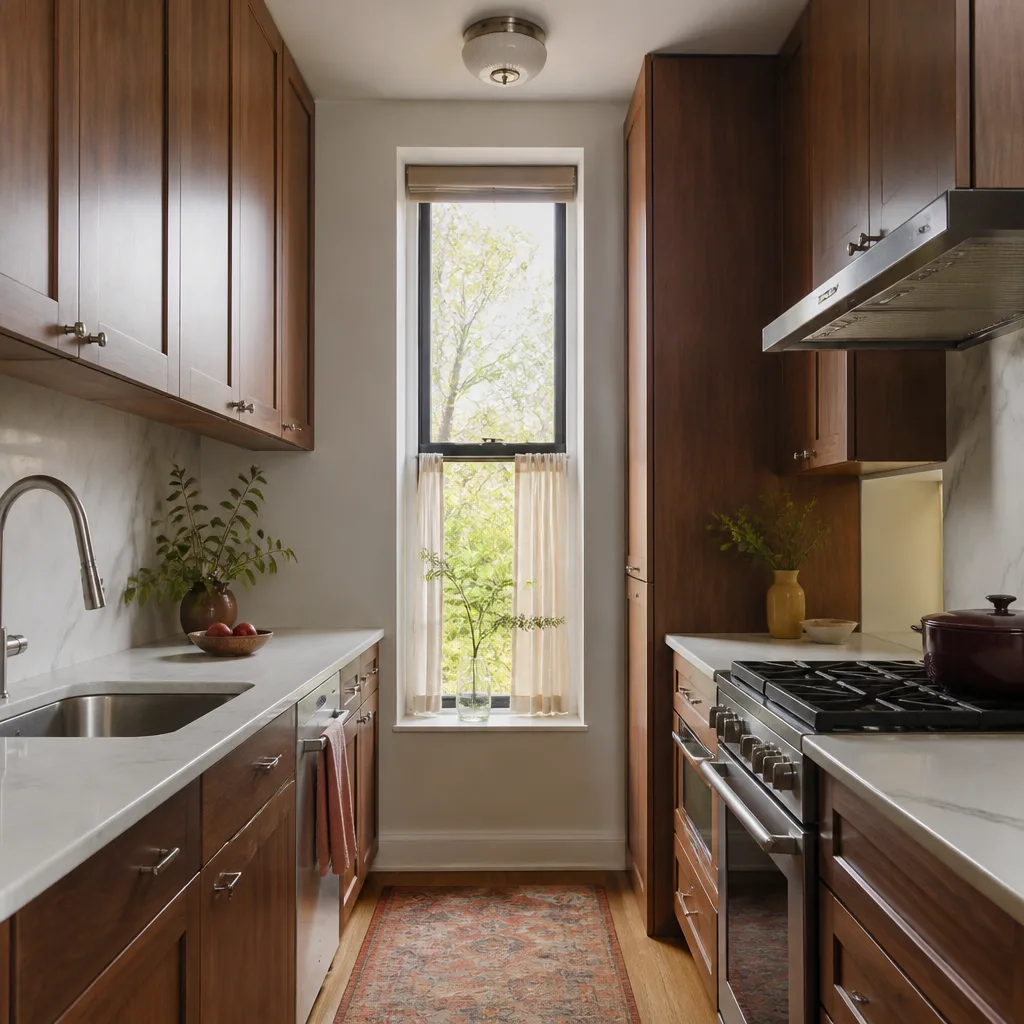
A remarketing brochure with a price range on the back is not a scope of work. A real scope is a document you can hold the contractor to when the job is half done and the change orders start arriving. If it isn’t written down before demo day, it isn’t a scope – it’s a wish. Our Kitchen Remodeling in Huntington Beach projects always start from a written scope, and we’ve seen what happens when competitors don’t.
Here’s the checklist we’d want a homeowner to hold against any contractor’s paperwork:
- Line-item costs. Each material group priced separately – cabinets, countertops, plumbing fixtures, tile, labor – not a single lump sum.
- Permit responsibility. Named in writing. In Huntington Beach, coastal zone projects need this clarified up front.
- Subcontractor disclosure. Which trades are doing which work, and whether those subs are licensed and covered.
- Explicit allowances. How much is budgeted for each material allowance and what happens if you go over.
- Change order process. Written change orders, approved before work continues – not a verbal “we’ll square it up at the end.”
- Payment schedule tied to progress. Money released against completed milestones, not before they start.
- Written guarantee terms. Duration, what’s covered, and how a claim is handled.
Anything less and you’re trusting a verbal promise at the moment you have the least leverage: after the crew has already broken ground.
HOA Pre-Approval in Seacliff and Huntington Harbour
Seacliff and Huntington Harbour are two of the more active HOA landscapes for remodeling in Huntington Beach, and both add steps that catch homeowners off guard. Architectural review committees in both communities can take two to six weeks to respond to a submission, and their requirements often overlap with, but don’t fully match, the City’s own review. Exterior changes – siding color, window style, roofline, patio covers, even some light fixture swaps – frequently need HOA sign-off before the City will accept the plans.
How to keep HOA review from eating your schedule:
- Request the CC&Rs (deed restrictions) and the architectural review application from your HOA before design even starts.
- Get a physical copy of the current approved color list, not a five-year-old photo of a neighbor’s house.
- Submit the HOA package as early as possible – sometimes in parallel with plan check, sometimes before.
- Keep records of every submission date, so you can hold the timeline if a review slips.
- Ask the contractor whether they’ve done HOA packages in your specific community before. Seacliff and Huntington Harbour requirements are not interchangeable.
Some communities near the water also impose view-row restrictions on second-story additions and height caps that are tighter than City code. If your contractor doesn’t know the local difference, they’ll find out after demo.
How to Read a CSLB License Record in 90 Seconds
The Contractors State License Board has a public lookup tool you can run a license number or a business name through in under two minutes. Every homeowner remodeling in Huntington Beach should do it before signing anything. Here’s the 90-second version:
- Search the license number. Confirm the number matches the contractor and business name, not a similar one that was retyped.
- Check the status. “Active” is what you want. “Expired,” “Canceled,” and “Suspended” mean the license is not currently valid.
- Look at the classifications. A “B” classification covers general building. Subspecialties like C-10 (electrical) and C-36 (plumbing) sit with the trades.
- Confirm the current license holders. Read the personnel listed, and make sure the name on your contract matches someone with a valid license tied to that entity.
- Review the complaint history. A single complaint can be a bad month. A pattern is a warning.
- Check the bond and workers’ comp status. Both should show as current.
The record is public, and contractors expect you to look. A contractor who gets visibly annoyed at a license lookup is telling you something important. For a broader view of how we approach projects before a single cabinet is pulled, our Penhallow Remodeling Huntington Beach home page lays out the standards we work to.
Salt-Air Material Specs That Hold Up on the Coast
Huntington Beach gets about 10 to 12 miles of open ocean exposure depending on the parcel, and the salt air is a material reality, not a marketing talking point. Screws, fasteners, flashing, and exterior hardware that hold up fine in Anaheim will show corrosion in Huntington Beach in five to eight years if they aren’t spec’d for coastal use. We’ve seen galvanized deck fasteners go chalky near the water while neighboring properties with stainless hardware are still tight. Spec matters.
What to ask your contractor to confirm in writing:
- Fasteners. Stainless (304 or 316) for exterior and near-shore applications; hot-dip galvanized only if rated for the exposure.
- Siding. Fiber cement siding such as James Hardie lines with coastal-rated finishes is standard for Huntington Beach exteriors; wood siding requires more maintenance and faster repaint cycles near the water.
- Window and door hardware. Coastal-grade finishes. Salt air eats cheap finishes first.
- Exterior paint. Higher-build, coastal-rated systems that hold up better under UV and salt.
- Roofing and flashing. Metal details, penetrations, and fasteners spec’d for the exposure; aluminum is preferred over steel where galvanic corrosion is a risk.
If your contractor’s material list looks identical to one for a job in Riverside or Chino, ask why. The best Huntington Beach GCs write specs that reflect where they’re building.
Comparing Bids Without Getting Fooled
Three bids that look $30,000 apart usually aren’t. What’s different is what’s inside them – one spec’d KraftMaid cabinets, two didn’t; one included the flooring and one didn’t; one carried an allowance for countertops at $65 per square foot while another priced Cambria quartz directly. Comparing lump-sum bottom lines across contractors is how homeowners end up picking the “cheapest” bid that isn’t actually cheaper.
How to compare like an owner:
- Put every bid into the same line-item categories – demo, rough-in, drywall, cabinets, countertops, flooring, fixtures, paint, cleanup.
- Mark every “allowance” and ask what specific product line it’s based on.
- Highlight anything missing from a bid. Silence on permits or final inspection is not a savings – it’s a risk transfer.
- Ask each bidder to price the same product spec (a specific cabinet line, a specific countertop material) so apples match apples.
- Confirm the written guarantee on each bid. A bid without written guarantee terms is a bid that expects to disappear.
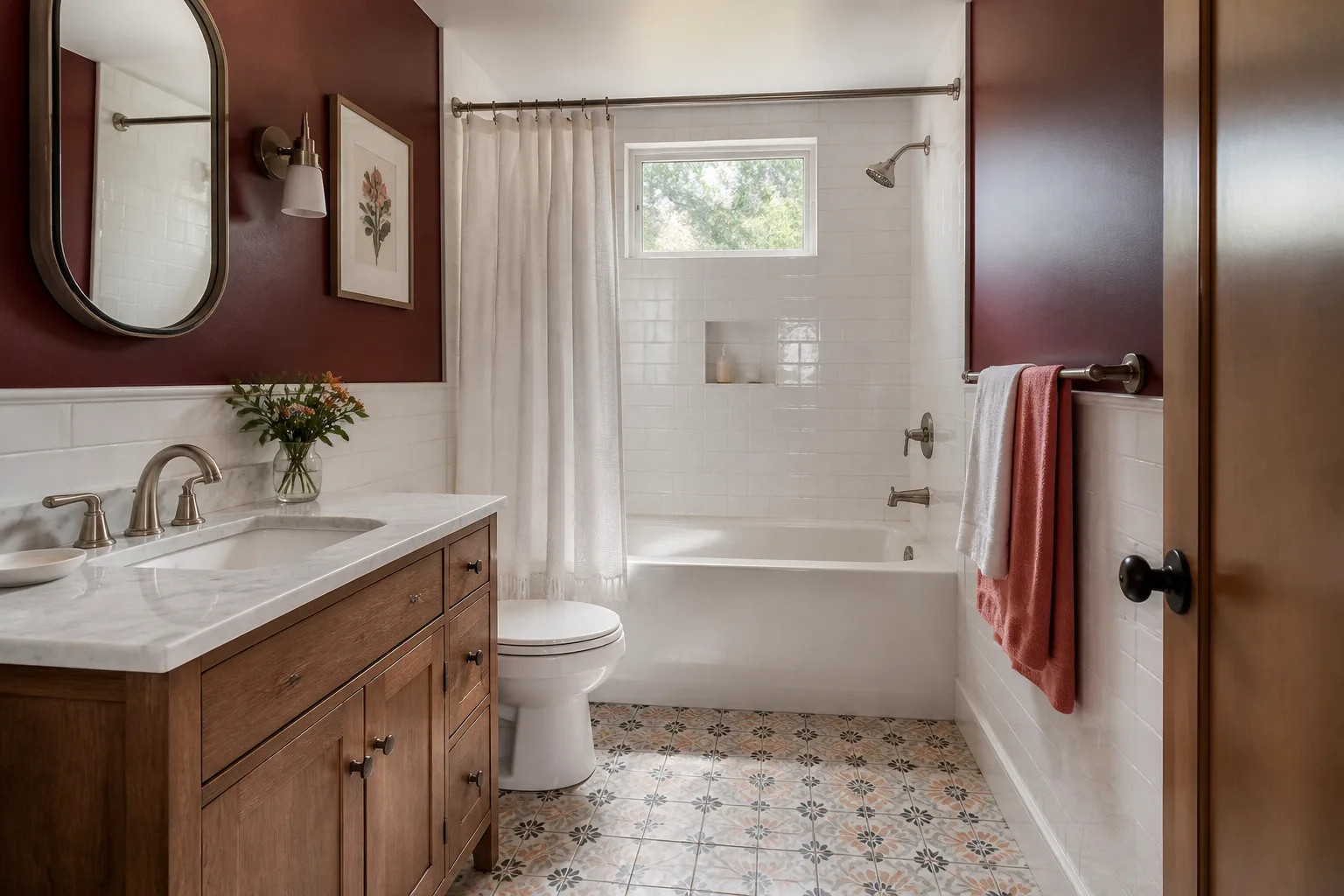
We recommend the Bathroom Remodeling in Huntington Beach cost conversation happen in the same framework: compare specifications, allowances, and guarantee terms before comparing prices.
What a Real Guarantee Looks Like in Writing
A guarantee isn’t a handshake and a smile. It’s a document. Ours is the 365-Day Done Right Promise – if the work fails inside the guarantee period, we come back and fix it at no charge, and the terms are written into every project. The question to ask any contractor is simple: what happens if the work cracks, leaks, or fails after you’ve been paid and gone? If the answer is verbal, it isn’t a guarantee.
What to look for in the written terms:
- How long the coverage runs (365 days is a real standard; “for life” usually means nothing in practice).
- What’s covered – workmanship, materials, or both – and what’s excluded.
- How a claim is filed and how quickly the contractor responds.
- Whether the guarantee transfers to a future buyer (this matters when you eventually sell).
- Whether it’s included with every job or only “premium” projects.
A contractor who puts the guarantee in writing before demo day is telling you they plan to be reachable after the last invoice clears. That’s the standard we work to on every Huntington Beach project.
Common Mistakes to Avoid
- Signing before you’ve seen the written scope. A verbal estimate is not a contract. Get the line items in writing before demo day, every time.
- Skipping the CSLB lookup. Ninety seconds of checking prevents months of recovery. A license number without a status check is just a number.
- Assuming the contractor handles the coastal review. In Huntington Beach, coastal development review is a separate track from a standard building permit. Confirm in writing who’s running that process.
- Forgetting the HOA entirely. Seacliff and Huntington Harbour review can add weeks. Submitting the HOA package after the City approves plans strands the timeline.
- Comparing lump-sum bids. Three bids that look $20,000 apart often aren’t – look inside the numbers to see what’s actually spec’d.
- Not asking about coastal fasteners and siding. Inland specs on a coastal home mean paying twice in five years.
- Accepting a verbal guarantee. If it isn’t in writing, it isn’t there. A real guarantee has terms, a duration, and a claim process.
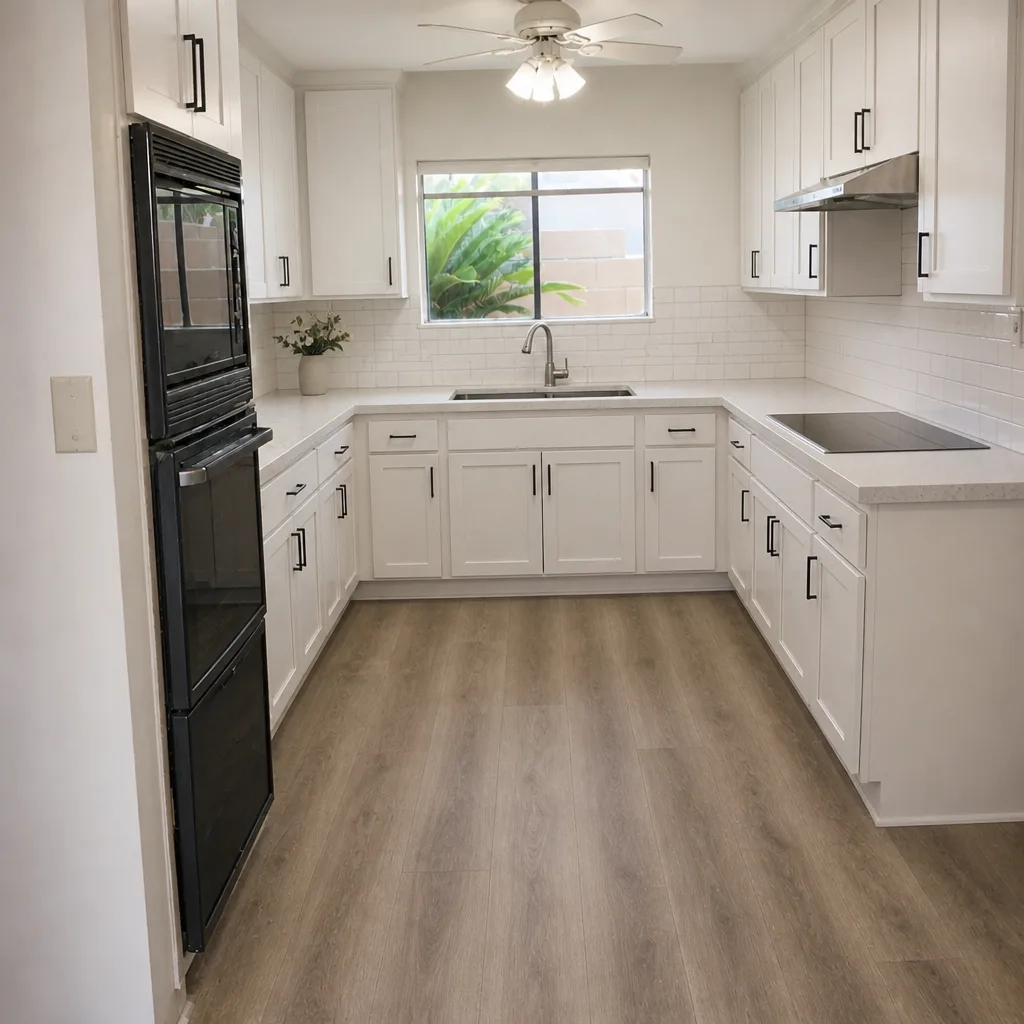
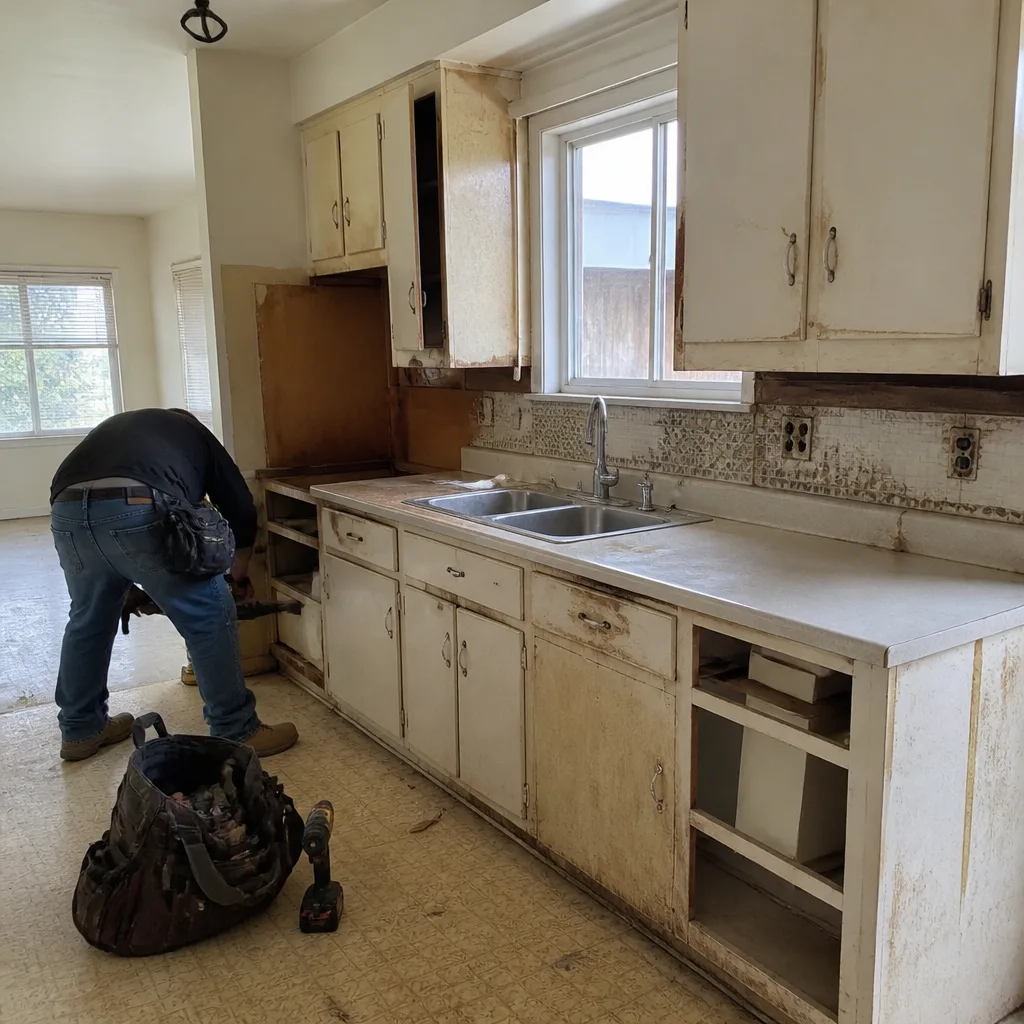
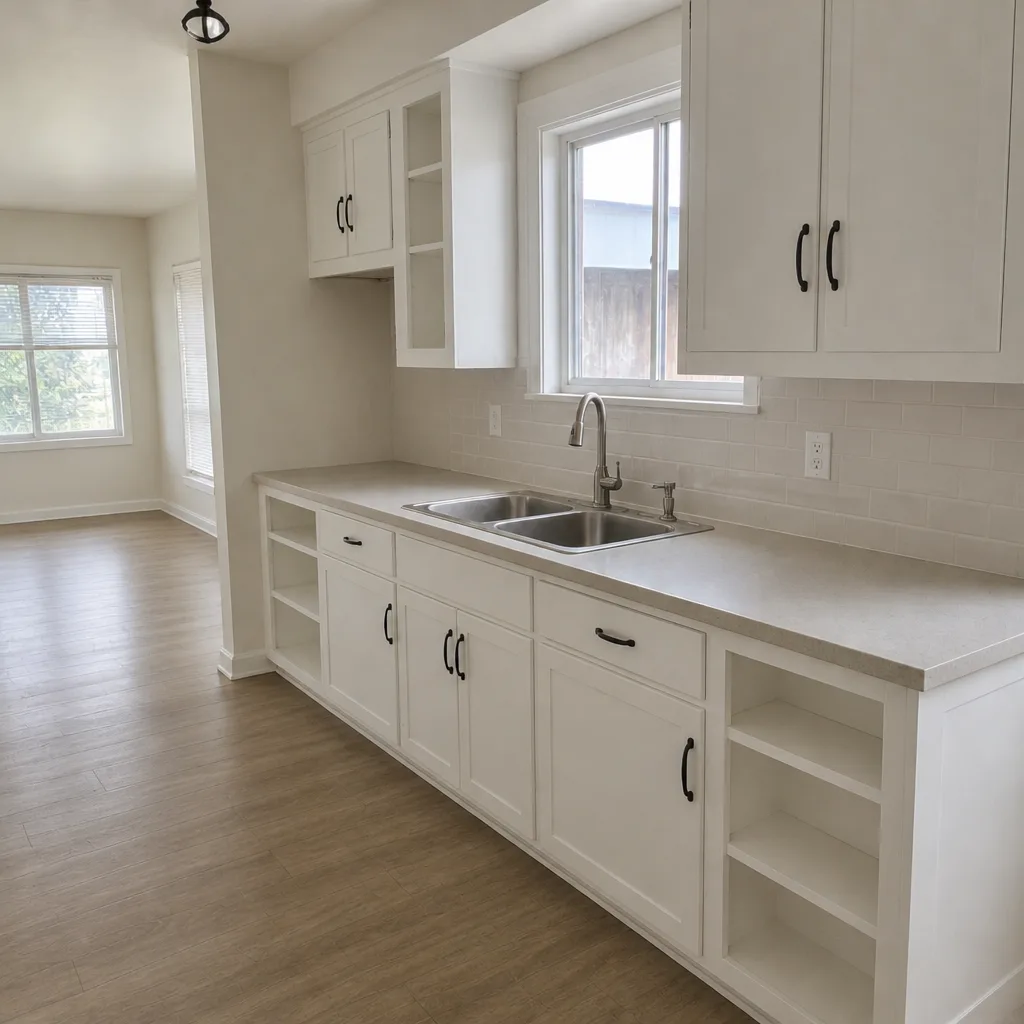
See the difference
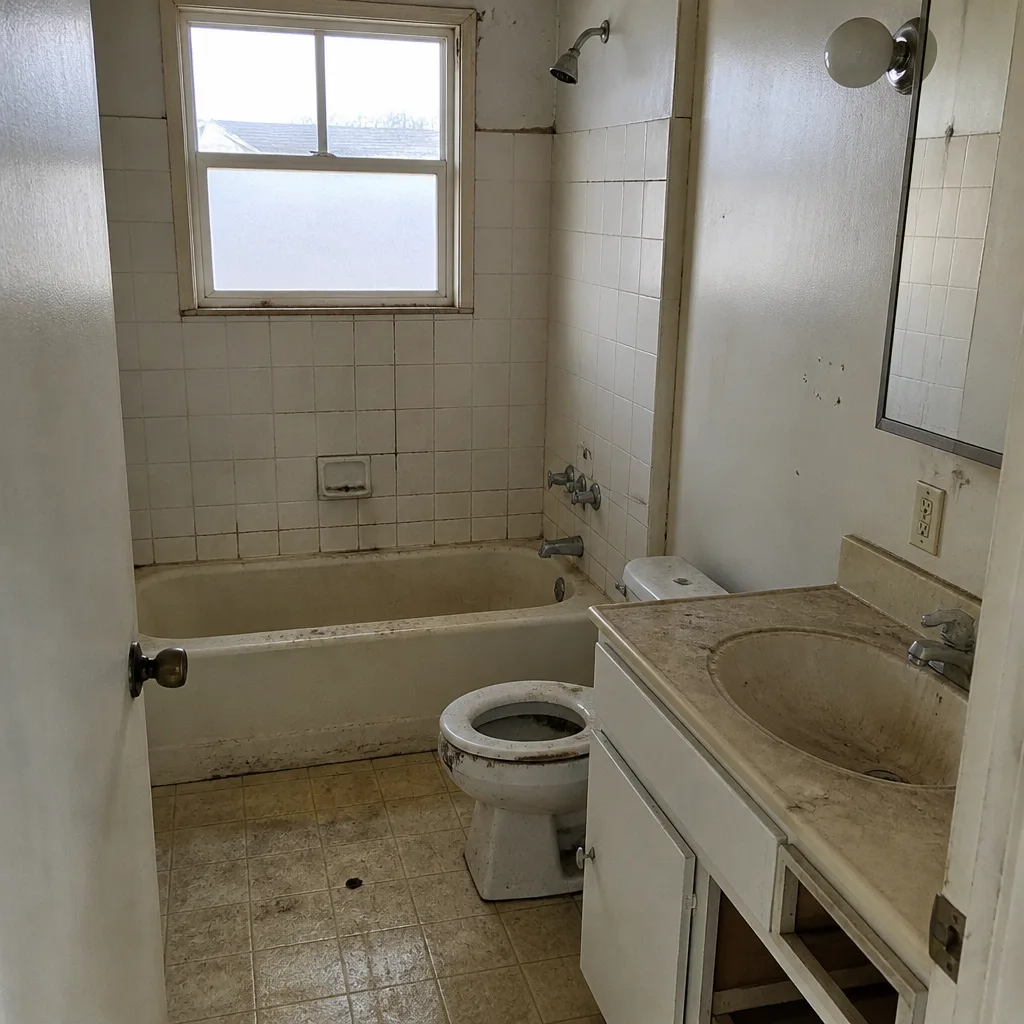 Before
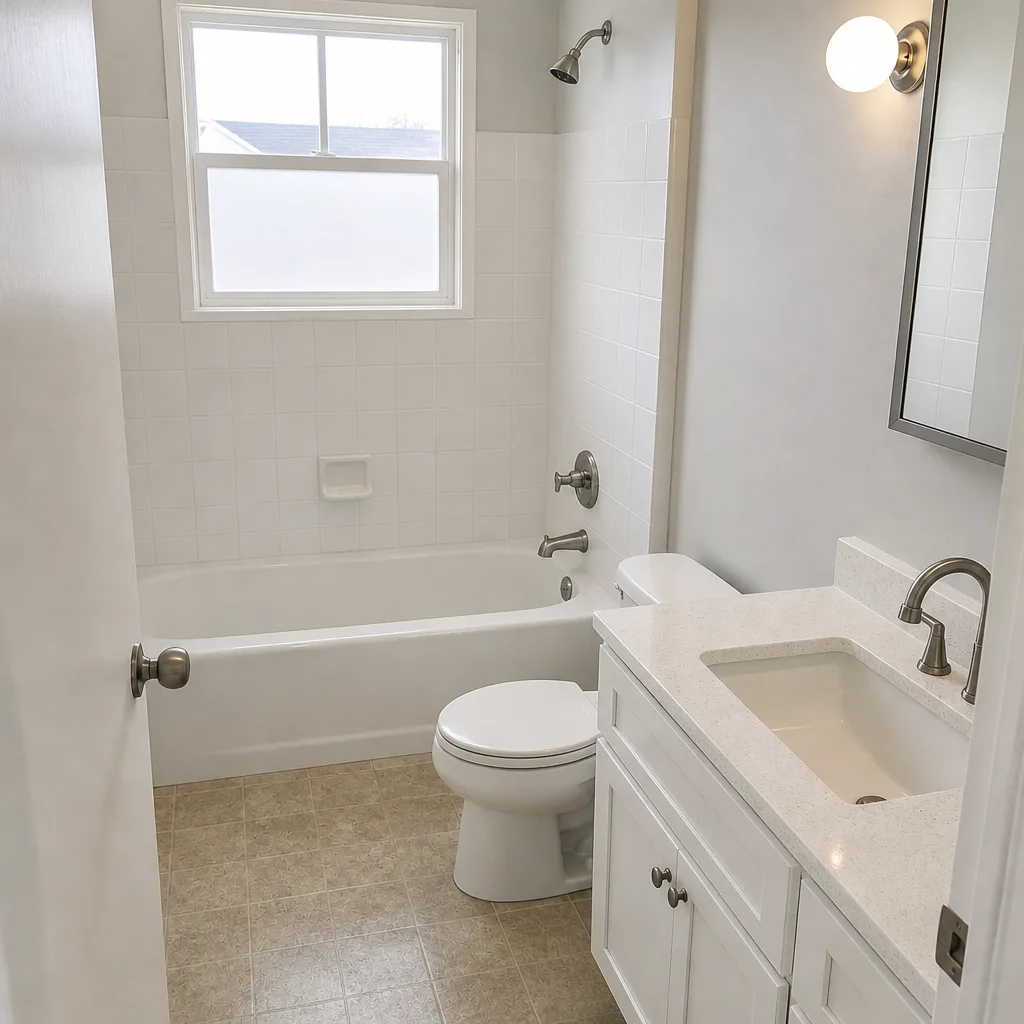 After
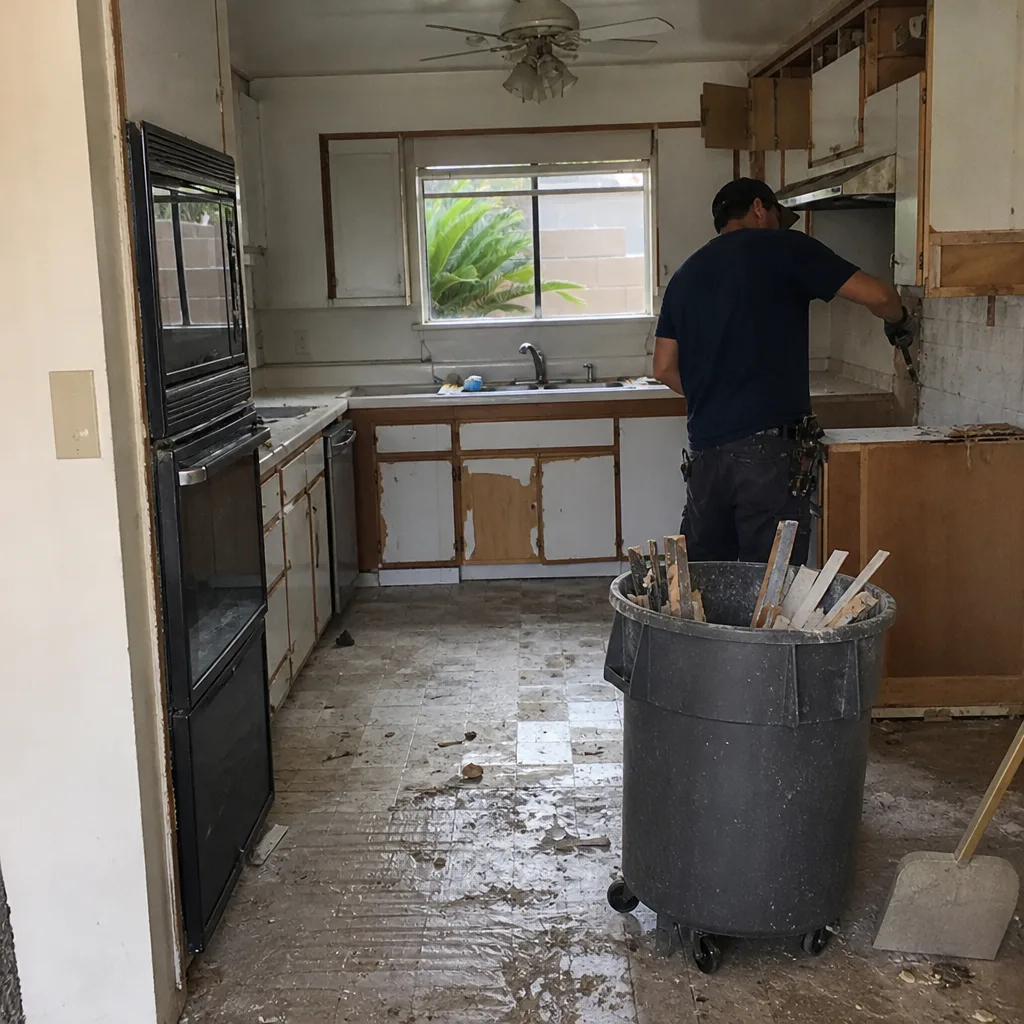 Before
 After
 Before
 After
When to Call a Professional
Call a general contractor the moment a project touches two or more building systems – a bathroom that needs tile plus plumbing plus electrical, a kitchen that involves cabinet removal and wall changes, or any remodel above the handyman’s $500 unlicensed limit. Call before you sign anything with an HOA, and call if you’ve already signed and now realize the scope didn’t include permits or a written guarantee. Coastal zone review is another trigger – if you don’t know whether your parcel sits inside the coastal overlay, that question alone is worth a call. Salt-air material specs are a conversation that’s cheaper before you buy the materials than after. Penhallow Remodeling Huntington Beach offers free estimates in Huntington Beach – call (888) 329-8145 to schedule yours.
Frequently Asked Questions

Use the CSLB’s public license lookup at cslb.ca.gov – search by license number or business name and confirm the status is Active, the classification covers the work (a B license for general building), and the personnel listing matches the name on your contract. The lookup takes under two minutes and is the single fastest way to filter out an unlicensed operator.
Sometimes – it depends on where the parcel sits inside the coastal zone and what the project touches. A project a few blocks inland is different from one near the bluff edge or the Bolsa Chica wetlands. Ask the contractor to check your parcel against the City’s coastal zone map and confirm permit scope in writing before signing. In our experience, plan-check or coastal review timelines for Huntington Beach coastal projects can run four to twelve weeks longer than an inland job.
A typical Huntington Beach kitchen remodel runs roughly $45,000 – $110,000 depending on layout changes, cabinet line, and countertop material; a smaller refresh with painted cabinets and new counters often lands in the $25,000 – $45,000 range. Coastal zone permitting, HOA reviews, and upgraded coastal-spec hardware can add cost that doesn’t apply to inland jobs. Call (888) 329-8145 for a written, line-item estimate specific to your home.
By state law, an unlicensed handyman’s work is capped at $500 per job including labor and materials. Above that, California requires a licensed contractor with workers’ comp and liability insurance. A licensed GC also typically owns the permit and carries the guarantee on the finished work – both of which matter if something fails after the crew leaves.
Architectural review in both communities typically takes two to six weeks, sometimes longer depending on the committee’s meeting schedule and how complete your submission is. The main delay driver is submitting an incomplete package – missing approved colors, unlabeled elevations, or unaddressed restrictions. Ask your contractor whether they’ve submitted to your specific HOA before submitting.
It shouldn’t if the scope was written properly. A real written scope accounts for material allowances, anticipated changes, and the change order process – so price changes only happen with your written approval. If a contractor’s bid was a verbal estimate without line items, the price will almost certainly move at demo day. Call (888) 329-8145 to schedule a free written estimate where the number on day one is the number on the invoice.
The Bottom Line
The version of “hire a general contractor in Huntington Beach” that actually protects you isn’t about finding someone licensed – it’s about finding someone who knows how the coastal zone, the HOA, and the salt air change the job. Verify the CSLB record. Get the written scope with line items, permit responsibility, and subcontractor disclosure. Submit the HOA package early. Ask about coastal spec on fasteners, siding, and hardware. And confirm the guarantee in writing before demo, not after. That’s the checklist that separates a five-figure remodel you’re proud of from a five-figure lesson you didn’t sign up for.
Schedule a Free Written Estimate
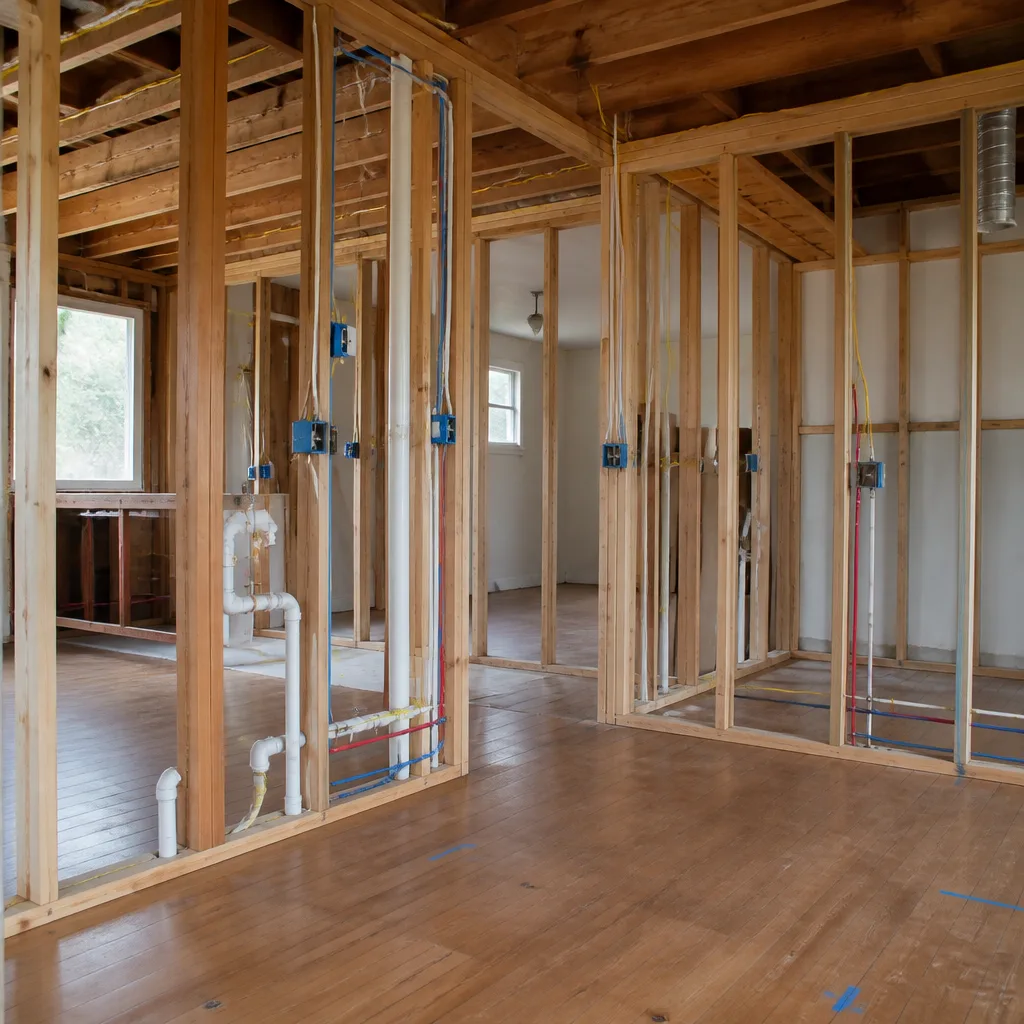
The best way to know what your Huntington Beach project really costs is to have a written number in hand. Penhallow Remodeling Huntington Beach brings a written price before any work starts, a real arrival window, background-checked technicians in uniform, and the 365-Day Done Right Promise in writing on every project – with materials from KraftMaid, Cambria, Kohler, James Hardie, and other recognized trade brands behind the work. Call (888) 329-8145 for a free estimate, and a live person answers 24/7 to schedule your visit.
Written by the team at Penhallow Remodeling Huntington Beach.