Last updated November 17, 2026





Free written scope consultation - allowances, timeline, and change-order rules on paper before a single trade is scheduled
Choosing the Right Construction Brand: A Buyer’s Guide for Huntington Beach
Here’s something no showroom will tell you: a fiber cement siding product the manufacturer rates for “coastal exposure” can still require a primer coat within about 180 days of installation to keep that warranty valid. Miss that recoat window and you’ve voided paper coverage on a material you paid a premium for. That gap between what a label promises and what a spec sheet requires is where most Huntington Beach homeowners get burned – not on brand choice, but on compatibility. This guide is about matching what a product is engineered to do with what the salt air, marine layer and UV load in Huntington Beach will actually do to it inside five years. You’ll learn which material categories matter most, how to read a coastal warranty, and what to lock into your contract so the product performs the way you were told it would.
Quick Answer
Choosing the right construction brand in Huntington Beach is less about picking a famous name and more about matching material specs to the coastal environment. The categories where brand choice has the highest real-world impact here are exterior fasteners, window frame material, roofing underlayment, and sealant chemistry – get those four right and the rest of the project has a fighting chance. Always ask whether a product’s warranty has a coastal zone exclusion, and confirm in writing that the contractor is specifying the same grade of the product the warranty protects.
Styles & brands we work with
- Kitchen remodeling
- Bathroom remodeling
- Home additions & ADU
- Roofing
- Windows & doors
- Driveway & pavers
- Fence
Table of Contents
- What “Coastal Rated” Actually Means on a Spec Sheet
- The Four Material Categories That Matter Most in Huntington Beach
- How to Read a Manufacturer’s Warranty for Geographic Exclusions
- Contractor-Grade vs. Homeowner-Grade: Same Brand, Different Product
- Material Substitutions Mid-Project: What Must Stay Constant
- Huntington Beach Climate: What the Marine Layer Does to Materials
- Permits, Inspections and the Paper Trail in Huntington Beach
- A Step-by-Step Evaluation Process for Any Brand
What “Coastal Rated” Actually Means on a Spec Sheet
“Coastal rated” is marketing language until you find the test standard behind it. On a real spec sheet, a coastal claim is backed by a standard number and a test method – something from ASTM International or the International Code Council (ICC) that the product was actually run against. When you’re comparing siding, windows or fasteners for a Huntington Beach home, look for the standard, not the adjective.
Here’s how to separate a real claim from a slogan:
- ASTM salt spray testing – fasteners and metal components are commonly tested against an ASTM salt fog standard, and the results are expressed in hours of exposure before corrosion. Ask for the hours, not just “corrosion resistant.”
- ICC Evaluation Service (ICC-ES) reports – these are third-party evaluations that list the exact conditions a product was approved under, including any restrictions on coastal use. These are the documents an inspector will reference.
- Wind-driven rain and pressure ratings – windows and doors carry a performance grade (PG) rating. In Huntington Beach, where marine-layer moisture and seasonal storms work on the envelope, a low PG number is a genuine performance gap, not a technicality.
- Explicit exclusion language – a spec sheet that says “not for use within X miles of salt water” is telling you the truth. That’s more useful than the word “coastal” on the box.
Often the product itself is fine and the installation context is the problem. A building envelope in Huntington Beach needs the right underlayment and flashing underneath even a premium cladding. If you want a sense of how we approach the envelope on a general contractor project in Huntington Beach, that’s where the material conversation usually starts – from the outside in, not from the finish out.
The Four Material Categories That Matter Most in Huntington Beach
You can spend months comparing paint colors and cabinet finishes. The choices that actually decide whether your home holds up in coastal Huntington Beach are mostly invisible once the job is done. Focus your brand research here.
1. Exterior Fasteners
Stainless steel fasteners cost more than galvanized, and in Huntington Beach’s salt air the difference is not cosmetic. Galvanized fasteners can begin to show corrosion faster in coastal exposure, and a corroding fastener can stain the material it holds and loosen over time. Ask for the fastener spec in writing: grade, coating and whether it’s stainless.
2. Window Frame Material
Vinyl, fiberglass, aluminum and wood-clad frames all behave differently near the ocean. Aluminum needs the right finish and thermal break to avoid corrosion and condensation; vinyl can be affected by sustained UV over years. The frame material and the performance grade matter more than the brand stamped on the glass.
3. Roofing Underlayment
Underlayment is the layer beneath the shingles that actually keeps water out when wind drives rain sideways. In Huntington Beach, a premium shingle over a budget underlayment is a mismatch. Ask what underlayment is specified and whether it’s rated for coastal moisture cycling.
4. Caulk and Sealant Chemistry
This is the cheapest line item and the one that fails first. Sealant chemistry (polyurethane vs. silicone vs. acrylic) determines how it moves, how long it lasts and whether it can be painted. Around windows and joints in coastal Huntington Beach, a sealant matched to the substrate and the movement it’ll see is what keeps water out of your walls for years.
When you’re planning a kitchen or bath, these exterior specs still matter because moisture drives the whole project. Our guide to bathroom remodeling in Huntington Beach covers how substrate and waterproofing choices mirror the same coastal logic indoors.
How to Read a Manufacturer’s Warranty for Geographic Exclusions
Many premium building products carry a coastal zone carve-out – language that voids or shortens coverage if the home sits within a certain distance of salt water. Huntington Beach properties can fall inside those zones depending on how close they are to the beach or the wetlands. Before you assume your product is covered, read the geographic section of the warranty, not just the headline term.
A step-by-step read:
- Find the term and what it covers. Ten years on what, exactly – the finish, the substrate, or both?
- Search for “coastal,” “salt,” “marine” or “geographic.” This is where the exclusions hide.
- Note the specified distance. Some products void coverage within a mileage threshold of salt water. Know whether your address is inside it.
- Check the maintenance requirements. Many coastal warranties require periodic cleaning or recoating (the primer coat example from the top of this page is real). Maintenance isn’t optional if you want the warranty to survive.
- Confirm transferability. If you sell, does the warranty follow the house? That matters for resale in the Huntington Beach market.
We install products whose coverage we understand, which is why the cabinets and counters we specify – KraftMaid and Wellborn cabinetry, Cambria quartz and similar lines – come with manufacturer warranties that layer on top of ours. That layering is the point: your protection should have more than one layer.
Contractor-Grade vs. Homeowner-Grade: Same Brand, Different Product
Two products can share a brand name and a logo and still not be the same product. Manufacturers make contractor-grade and retail/homeowner-grade versions of the same category, and they differ in thickness, coatings, warranty terms and sometimes the spec standards they’re tested against. The label on the box tells you the brand. The written contract tells you the grade.
How to tell which one is being specified for your Huntington Beach home:
- Ask for the model or line name, not just the brand. “James Hardie siding” is a brand; you want the specific product line and profile named in the contract.
- Compare the warranty term. If the contractor’s spec matches a retail-grade warranty term and you expected the premium line, you’ve found the gap.
- Confirm the fastener and trim. Contractor-grade installs use fasteners sized and rated for the material and the coastal exposure – not whatever’s in the truck.
- Get the written price before work starts. A written spec with line items makes substitution visible. A verbal ballpark hides it.
This is where Penhallow’s standard pays off for a homeowner: every job gets a written price before any work starts, so the material grade is on paper where you can hold us to it. Same number on day one as on the invoice. If the spec changes, you’ll see it change before it’s installed, not after.
Material Substitutions Mid-Project: What Must Stay Constant
Shortages happen. A cabinet line goes out of stock, a siding profile is back-ordered, a window frame is delayed. Substitution isn’t automatically bad – the problem is when a substitute quietly changes the spec that made the product perform. Lock these items down and a substitution can still be safe.
The spec items that must stay constant:
- Performance grade and standard numbers – a window substitute must meet the same performance grade on the same standard, or it isn’t equivalent.
- Fastener grade and coating – no swap to a lower corrosion rating in coastal Huntington Beach.
- Underlayment rated performance – a substitute underlayment must carry the same moisture rating and manufacturer approval.
- Sealant chemistry – don’t let a polyurethane callout become an acrylic because a tube was running low.
- Manufacturer warranty equivalence – the substitute must be warranted for coastal exposure at your address, in writing.
Before a substitution is installed, ask three questions: What changes? Does the warranty still cover it? Am I getting a written change with my price? If a contractor can’t answer those in writing, the substitution is a gamble you’re taking, not one they’re taking.
Huntington Beach Climate: What the Marine Layer Does to Materials
The marine layer that makes Huntington Beach mornings cool and gray is doing something to your building materials every day. Sustained moisture and humidity cycling attack sealant joints, drive moisture into poorly detailed walls, and stress the finish on metal components. Add the UV load from our sunny afternoons on top of that moisture and you get a cycle that ages materials faster than the manufacturer’s inland examples assume.
What that means in practice:
- Moisture cycling wants substrates that shed water and dry out. Cement board substrate (the moisture-resistant layer behind tile and siding) and correctly flashed assemblies matter more here than in dry climates.
- Salt in the air accelerates corrosion on any exposed metal. Near the beach and the wetlands it’s a longer, slower version of the same effect fasteners and hinges feel near the water.
- UV exposure perishes sealants, fades some finishes and turns “UV stabilized” into a claim worth verifying on the spec sheet.
If you’re remodeling a kitchen in Huntington Beach, the interior of the house is buffered, but the envelope still governs – water that gets into the walls will find a finished room eventually. That’s the logic behind our kitchen remodeling in Huntington Beach approach: envelope first, finishes last.
Permits, Inspections and the Paper Trail in Huntington Beach
The material conversation and the permit conversation are the same conversation. A product’s ICC evaluation report exists so that a building inspector can verify the product meets code for the specific condition of use. When a contractor pulls the permits and passes the inspections, the paper trail documents that what you paid for is what was installed. When permits get skipped, the material spec becomes whatever someone felt like using that week.
What to expect and ask for:
- Permits pulled before work starts – not mid-project, and not “we’ll handle it after demo.”
- Inspection records you can see – the signed-off inspections are your proof the assembly was verified.
- Product documentation retained – warranty cards, spec sheets and installation guides should end up in your hands, not the trash bin.
- Written guarantees – a 365-Day Done Right Promise, backed in writing, is only meaningful if the spec was right to begin with.
Huntington Beach sits in an active coastal environment, and permit reviewers here understand the difference between a product rated for the exposure and one that isn’t. That’s a feature of the process, not a hassle – the inspection is you getting a second set of eyes on the material spec.
A Step-by-Step Evaluation Process for Any Brand
When you’re standing in front of a stack of samples and a spec sheet, run this sequence. It works for siding, windows, underlayment, sealants and fasteners equally well, and it’s how we compare products before we’ll put them on your house.
- Find the standard, not the slogan. Identify the ASTM or ICC standard the product was tested against and the conditions of its evaluation.
- Read the coastal section of the warranty. Locate any geographic exclusion and confirm your Huntington Beach address falls outside it.
- Confirm the grade being specified. Get the product line and model number into the written contract, not just the brand.
- Check the fastener and trim pairing. The supporting materials must be rated for the same exposure as the product they hold.
- Read the maintenance requirements. Note any recoat, cleaning or recaulking window, and put it on a calendar.
- Get the written price and the written guarantee. Before work starts – with a defined arrival window and a guarantee on the work.
This is where the Kingswell Way earns its keep on a project: say the price before the work, show up in the window we gave, leave the place cleaner than we found it. That’s not a slogan – it’s the process that makes the material spec mean something.
Common Mistakes to Avoid
- Trusting the word “coastal” without a standard behind it. If a spec sheet doesn’t name the ASTM or ICC standard the product was tested against, treat the claim as unverified marketing.
- Missing the warranty geographic exclusion. A premium product with a coastal carve-out is a premium product with no coverage where you live. Read the geographic section before you buy.
- Spending the budget on the finish and skimping on the layers underneath. Premium shingles over budget underlayment, or premium siding over cheap fasteners, is a mismatch that fails first at the cheapest component.
- Accepting a verbal spec. If the product line, grade and fastener aren’t in the written contract, you have no way to check them after installation.
- Letting a mid-project substitution go through without a written change. A quiet swap to lower-grade material can void the warranty and the guarantee at the same time.
- Ignoring maintenance windows. Recoat and recaulk schedules are part of the warranty, not a suggestion. Miss them and the coverage lapses, and in Huntington Beach’s marine layer it happens sooner than you’d expect.
- Skipping permits to save time. Unpermitted work removes the inspection record and, in many cases, the manufacturer’s coverage. It’s the most expensive shortcut on the list.
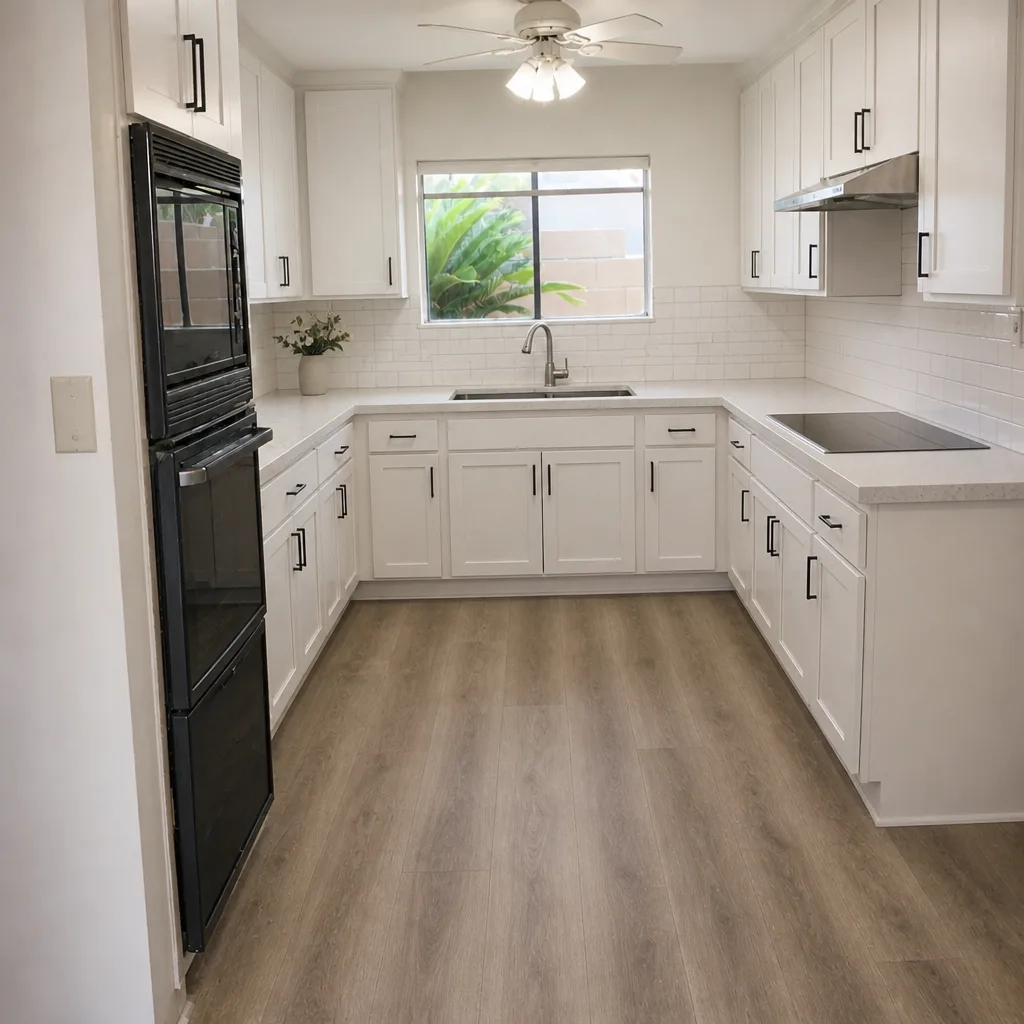
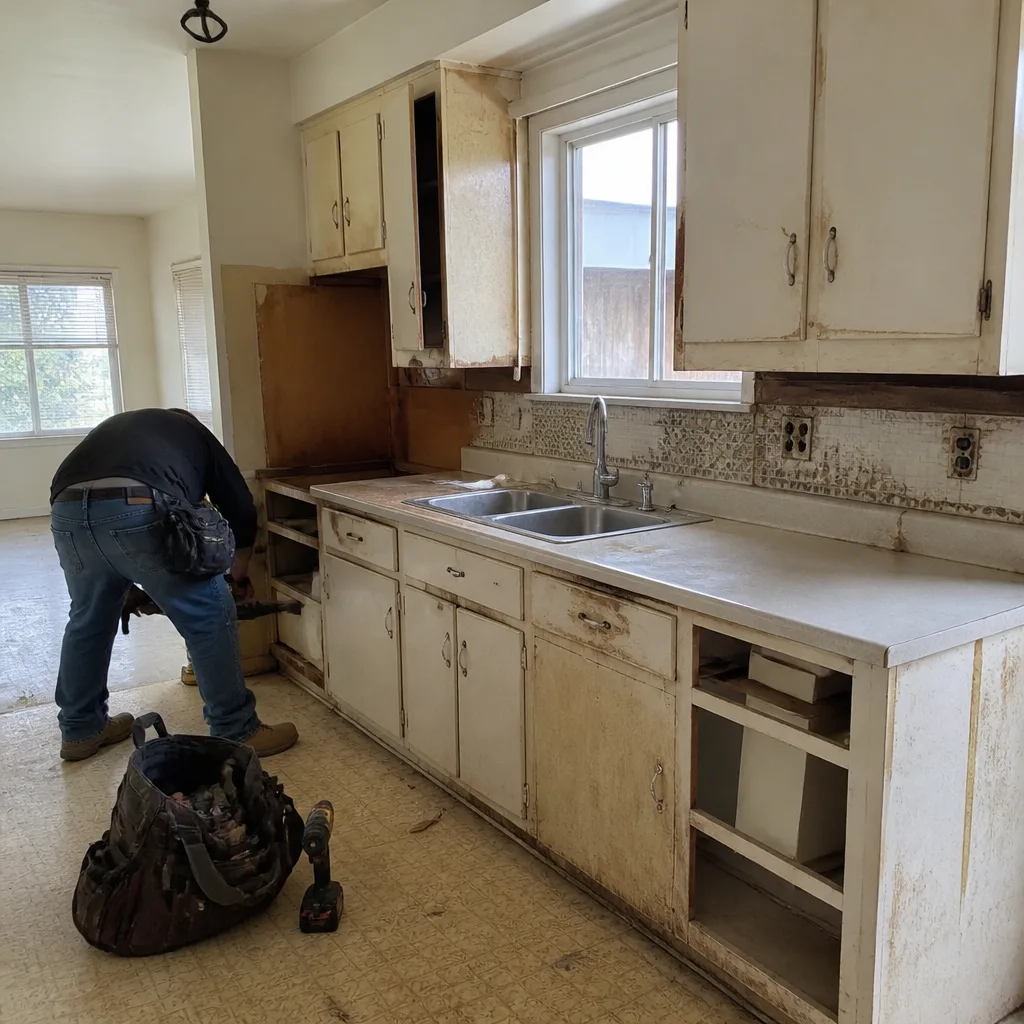
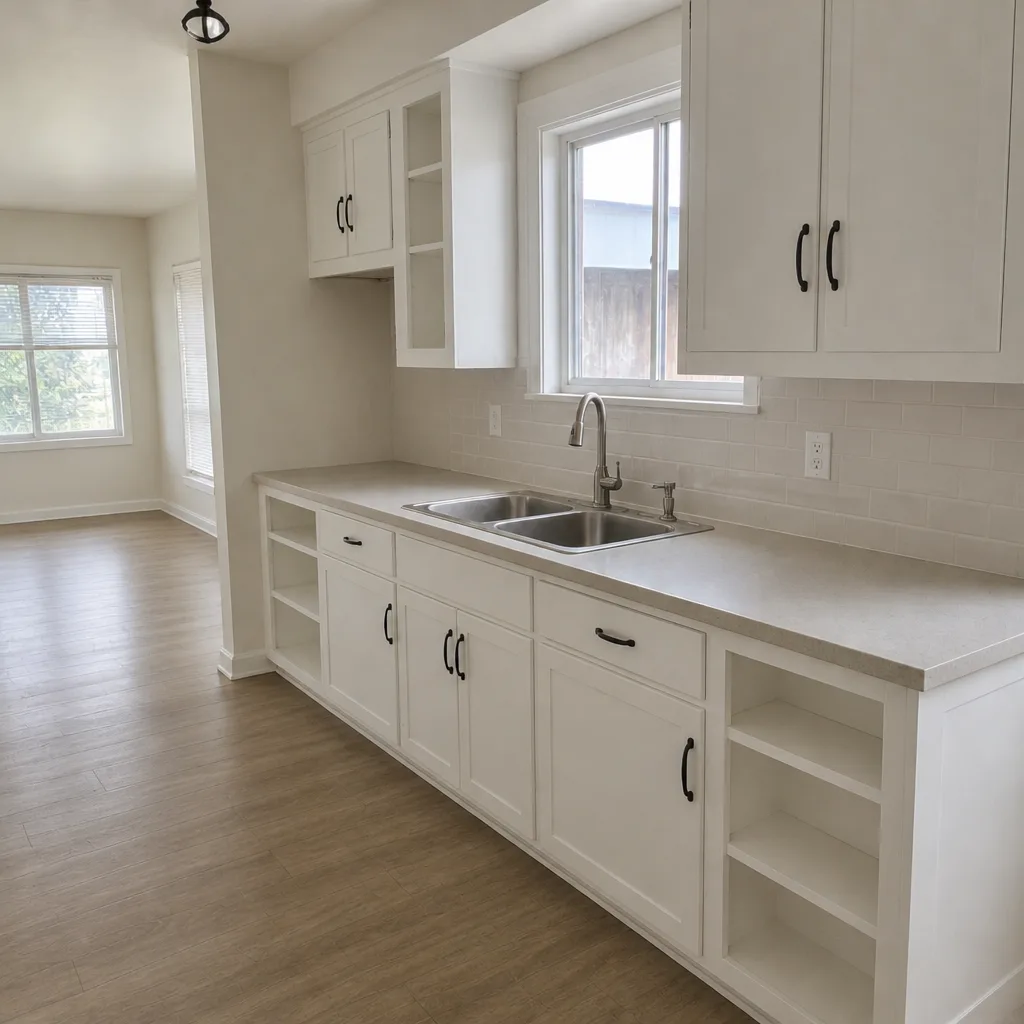
See the difference
 Before
 After
 Before
 After
 Before
 After
When to Call a Professional
Material selection is where a homeowner’s research stops paying off and a professional’s experience starts. Call when you’re comparing products for a full exterior reclad, a window replacement or a remodel that touches the envelope, because the compatibility question is too specific to answer from a spec sheet alone. Call when a warranty’s coastal language is ambiguous. Call when a contractor is proposing a substitution mid-project and you want a second opinion on whether the spec still holds. Call when the job involves anything structural, anything on a roof or high wall, or anything that requires a permit and an inspection record.
Our technicians have up to 22 years of experience reading specs and matching products to coastal conditions, and Penhallow Remodeling Huntington Beach offers free estimates in Huntington Beach. Call (888) 329-8145 to schedule yours.
Frequently Asked Questions

A coastal rating means the manufacturer claims the product was tested for salt air and moisture exposure, but the claim is only meaningful if the spec sheet names the ASTM or ICC standard the product was tested against. Marketing language without a standard behind it is unverified. Ask for the standard and the test results, and call (888) 329-8145 if you want help reading a spec sheet for a Huntington Beach project – estimates are free.
Some do. Many premium building products carry geographic exclusions that void or shorten coverage within a certain distance of salt water, and Huntington Beach addresses can fall inside those zones depending on how close the property is to the beach or the wetlands. Read the geographic section of the warranty before you buy, and confirm in writing that the product is warranted for coastal exposure at your address.
The four where brand choice has the highest real-world impact in Huntington Beach are exterior fasteners, window frame material, roofing underlayment and sealant chemistry. These are the components that fail first in a coastal environment, and they’re also the easiest to downgrade without a homeowner noticing if the contract doesn’t specify them. Get them in writing.
Look at the written contract, not the brand logo. The contract should name the specific product line and model – for example, a specific James Hardie siding profile or a specific Wellborn cabinet line – along with the fastener spec and the warranty term. If the spec matches a retail-grade warranty term and you expected the premium line, that’s your signal. A written price with line items makes the difference visible.
Five things must stay constant: the performance grade and standard numbers, the fastener grade and coating, the underlayment rated performance, the sealant chemistry, and the manufacturer warranty equivalence for coastal exposure. A substitute that changes any of those isn’t equivalent, even if it comes from the same brand. Insist on a written change that states what changed, whether the warranty still covers it, and what the price does. Call (888) 329-8145 for a free review of a proposed substitution.
There’s no single number – it depends on the product, the installation detail, and whether the maintenance schedule in the warranty is followed. What we do know from experience in Huntington Beach is that the maintenance window (recoat, recaulk, reseal) is where most failures start, not the product itself. If you keep the calendar the warranty requires, a well-specified coastal product can hold up for its full rated term; if you skip it, the marine layer starts working on it immediately.
The Bottom Line
Choosing a construction brand for a Huntington Beach home is a compatibility question, not a loyalty one. The four categories that matter most – exterior fasteners, window frame material, roofing underlayment and sealant chemistry – are the ones that fail first in our marine climate. “Coastal rated” only means something when a standard number backs it. Warranties have geographic exclusions you must read. Contractor-grade and homeowner-grade versions of the same brand are not the same product, and the written contract is where the difference lives. Get the spec, the written price and the written guarantee before work starts, and the brand on the box becomes the least of your concerns.
Get a Written Price Before the Work Starts

Material decisions are a lot easier when the price is on paper and the guarantee is in writing. If you’re planning a project in Huntington Beach and want a written price with the material spec named line by line, call Penhallow Remodeling Huntington Beach at (888) 329-8145 to schedule a free estimate. A real person answers the phone around the clock – no voicemail maze. Every project comes with the 365-Day Done Right Promise, backed in writing, so the number on day one is the number on the invoice. Start with our Penhallow Remodeling Huntington Beach home page to see how we work, then let’s talk about your spec.
Written by the team at Penhallow Remodeling Huntington Beach.