Last updated November 17, 2026






Free written scope consultation - allowances, timeline, and change-order rules on paper before a single trade is scheduled
DIY vs Professional Construction: The Huntington Beach Homeowner’s Decision Guide
In California, you can legally pull your own permits and build on your own property. That surprises most people. The owner-builder exemption lets a homeowner act as their own contractor on their own residence, no license required. But there’s a catch most guides skip: the moment you sell that Huntington Beach house, any permitted work you did as a non-licensed owner goes on a disclosure form that attaches to the property’s history. This guide draws the line between what’s genuinely safe to take on yourself and what quietly follows your title for years.
Quick Answer
Painting, cabinet hardware, non-structural demolition, and basic landscaping are fair game for a motivated Huntington Beach homeowner and rarely create lasting liability. Anything touching the electrical panel, gas lines, load-bearing elements, or the building envelope should go to a licensed contractor, because California law, your insurance carrier, and the buyer at your eventual sale all treat that work differently. The decision isn’t really about skill level. It’s about which tasks carry consequences that outlast the project.
Styles & brands we work with
- Kitchen remodeling
- Bathroom remodeling
- Home additions & ADU
- Roofing
- Windows & doors
- Driveway & pavers
- Fence
Table of Contents
- What California’s Owner-Builder Exemption Actually Allows
- Projects Where DIY Saves Real Money With Low Risk
- Projects Where DIY Creates Liability That Outlasts the Job
- How to Calculate the True Cost of DIY
- Huntington Beach Climate and What It Does to Materials
- Permits, Inspections, and Why the Paper Trail Matters
- How to Split Scope With a Contractor Cleanly
- Common Mistakes to Avoid
What California’s Owner-Builder Exemption Actually Allows
California law lets a property owner take out permits and perform work on their own single-family residence without holding a contractor license. That’s real. The exemption exists so a homeowner can improve their own home without hiring a licensed professional for every small task. What most people miss is the paperwork attached to it.
When you apply for a permit as an owner-builder, you sign a disclosure acknowledging that you’re acting as your own contractor and accepting the liability that comes with it. That disclosure doesn’t disappear when the job is done. It becomes part of the permit record for the property. If you sell within a certain window, you’re required to disclose that you acted as an owner-builder and that you’re not a licensed contractor. The buyer inherits the knowledge that the work wasn’t done by a licensed professional, and that affects how they value the house and how their lender and insurer look at it.
Here’s the practical layer most guides skip:
- The exemption applies to work on your own residence, not to a rental property you own or a flip you’re preparing for sale.
- You still need permits and inspections for structural, electrical, plumbing, and mechanical work. The exemption waives the license requirement, not the code.
- If you sell within one year of completing owner-builder work, additional disclosure requirements kick in.
- Your homeowner’s insurance may exclude coverage for work you performed yourself if it later causes damage. Read the policy before you pick up a tool.
In our experience working Huntington Beach homes, the owner-builder path works well for cosmetic and low-risk improvements. It works poorly for anything that touches the systems a future buyer’s inspector will flag. If you’re weighing a larger scope, our guide to hiring a general contractor in Huntington Beach walks through what the licensed side looks like.
Projects Where DIY Saves Real Money With Low Risk
Some projects are genuinely worth doing yourself. They don’t touch the building envelope, they don’t require a permit in most Huntington Beach cases, and a mistake costs you time rather than a claim. Here’s where the math works.
Painting
Interior painting is the classic DIY win. A 12-by-15-foot bedroom runs roughly $150 to $300 in paint and supplies for a homeowner. A professional crew charges $800 to $1,500 for the same room depending on prep and ceiling height. The skill benchmark: you can cut a clean line along the ceiling and trim without painter’s tape, and you know to sand and prime patched drywall before rolling. No permit, minimal risk, and a mistake means repainting, not rebuilding.
Cabinet Hardware
Swapping drawer pulls and knobs is a two-hour job with a drill and a template. The mistake people make is drilling new holes without accounting for the old ones from the previous hardware. Use a template, measure twice, and fill and paint any abandoned holes. Material cost for a standard kitchen is $80 to $200.
Non-Structural Demolition
Removing old cabinets, tearing out carpet, or pulling down a non-load-bearing partition wall is labor a homeowner can do. The line here is hard: anything structural, anything with wiring or plumbing inside it, or anything you’re not sure about belongs to a professional. Confirm with a structural engineer or permit office before you swing a sledgehammer into a wall in a 1960s Huntington Beach ranch home. Plenty of those walls carry load.
Landscaping and Hardscape Basics
Planting, mulching, edging, and building a low garden bed are low-risk. Installing a paver patio or retaining wall is where the skill benchmark matters more, because drainage mistakes pool water against your foundation. If you’re working with hardscape materials from Belgard or Unilock, the manufacturer publishes installation specs. Follow them exactly. For anything that alters grading or drainage, hire out.
Projects Where DIY Creates Liability That Outlasts the Job
Some work is more dangerous than it looks. Others are straightforward but carry consequences that follow the property for years. Here’s the list we’d draw for any Huntington Beach homeowner.
- The electrical panel and branch wiring. Opening a panel is genuinely dangerous. Energized conductors can kill, and a panel that’s improperly landed can overheat and start a fire inside a wall cavity. This is a licensed electrician’s work, full stop. California requires it, your insurer expects it, and the buyer’s inspection will scrutinize it.
- Gas lines. Any gas work carries fire and carbon monoxide risk. A leak you can’t smell, behind a wall, is a problem you find out about at the worst possible moment. Licensed only.
- Load-bearing elements. Removing or modifying a load-bearing wall without engineering is a structural failure waiting to happen. A cracked foundation or a sagging second floor is far more expensive to fix than the original project would have cost.
- The building envelope. Roofing, windows, doors, flashing, and siding are all about water. A single improperly flashed window in a coastal Huntington Beach home means moisture intrusion, mold growth, and rot. The repair cost dwarfs whatever you saved on installation.
- Water heater replacement and gas appliance work. These are permit-required, inspection-required tasks. Doing them unpermitted may void the appliance warranty and complicate a future sale.
If the project is on this list, the DIY path saves money up front and costs far more later. Our bathroom remodeling in Huntington Beach team handles nearly all of this work for the same reason: the trades involved are too consequential to hand to a homeowner with a YouTube tutorial.
How to Calculate the True Cost of DIY
Most homeowners compare the contractor’s quote to the price of materials and call that the savings. The real comparison is bigger. Here’s the formula we’d use to evaluate any project.
- Materials, full quantity. Add 15 to 20 percent for waste, especially if you’re learning as you go. Tile and drywall waste rates are higher for first-timers.
- Tool rental. Specialty tools you don’t own (tile saw, air compressor, jackhammer, hole saw) rent for $40 to $120 per day in the Huntington Beach area. If the job takes three days, that adds up.
- Time, honestly. Contractors estimate their own labor at 3 to 5 times the homeowner’s pace on an unfamiliar task. Multiply your estimate by 2.5 to get a realistic finish date.
- Mistake correction cost. Assume 10 to 20 percent of the project will get redone. Not 100 percent of it, just a chunk, because learning curves cost material.
- The permit and inspection path. If the work requires a permit (which it does for most of the items on the liability list), add the permit fee and the time to pull and finalize it. In Huntington Beach, that’s typically $200 to $800 depending on scope.
- Opportunity cost of a stalled project. A partially finished bathroom that blocks the only shower in the house is a real cost. Add a hotel or gym membership if you can’t live with the disruption.
If your true DIY cost still lands well below a licensed quote, do it yourself. If the savings turns into a rounding error once you count time, tools, and mistakes, the licensed path wins.
Huntington Beach Climate and What It Does to Materials
Huntington Beach sits close enough to the ocean that salt air and marine moisture shape which materials survive and which fail early. That matters for the DIY-versus-hire calculation because some work you can easily do yourself will fail in three or four years, and some work you’d never do yourself is where a local pro’s material knowledge pays off.
Wood exterior trim a homeowner installs without proper priming and back-sealing will cup and rot faster near the coast. Deck fasteners that aren’t hot-dipped galvanized or stainless corrode and stain. Painted surfaces facing west weather harder than the same paint facing east. If you’re doing exterior work yourself, use marine-rated products and follow the manufacturer’s spec exactly.
Inside the house, the climate story is different. Most Huntington Beach homes run 5 to 10 degrees cooler in summer than inland Orange County, which means less air conditioning load and less interior movement from temperature swings. That’s good news for painted finishes and cabinet joinery. It also means humidity control matters more than most homeowners expect, because the marine layer pushes moisture into the building. A bathroom exhaust fan that isn’t vented properly does more damage in HB than in Riverside.
If your project touches the exterior envelope or the moisture systems inside the house, our kitchen remodeling in Huntington Beach team builds those details to the local weather, not a generic spec sheet.
Permits, Inspections, and Why the Paper Trail Matters
A permit does two things. It gets a trained inspector into your project at the key stages, and it creates a record that protects you when you sell. That second one is what most DIY guides undersell.
Unpermitted work becomes a problem on three separate clocks. First, when the buyer’s inspector flags it and the buyer’s lender demands it be legalized before closing. Second, when a home warranty claim comes in and gets denied because the work was never inspected. Third, when a fire or water loss happens and your insurer checks whether the work was permitted. If it wasn’t, coverage can be denied or reduced.
Legalizing unpermitted work after the fact means opening walls for inspection, correcting whatever didn’t meet code, and paying retroactive fees. We’ve seen the process run two to three times what the original permit would have cost. In a hot Huntington Beach market where homes trade quickly, a buyer who sees unpermitted work will discount the offer for the risk, not just the cost.
Pull the permit. Have it inspected. Keep the sign-off with your house documents. This is the single simplest thing you can do to protect your investment.
How to Split Scope With a Contractor Cleanly
You can do part of a project yourself and hand the rest to a contractor. It works well when the split is clean, and it creates problems when it isn’t. Here’s how to structure it so the contractor’s guarantee stays intact.
- Agree on the split in writing before anyone starts. List every task and who owns it. “You do the cabinets and countertops, I do the backsplash” is a scope. “We’ll figure it out as we go” is a dispute waiting to happen.
- Understand what voids the guarantee. Every legitimate contractor warrants their own work. None of them can warrant work done by someone else. If your DIY backsplash fails and the water damage reaches the new cabinets, the cabinet warranty is going to have a specific, contractual answer. Get that answer in writing before you tile.
- Sequence matters. If you’re doing your own demo, do it before the contractor’s start date and confirm the finish expectation. A partially-stripped room the day the crew arrives costs everyone a week.
- Hand off cleanly. Your rough work has to be at a standard the contractor can build on. If you’ve pulled electrical wire that the contractor’s electrician has to redo, you’ve paid twice for the same work.
- Keep the storage sorted. Materials you bought for your own scope stay separate from materials the contractor brought. Mixing them creates ambiguity about what’s covered.
Our team structures partial-scope projects all the time. When the split is honest, the written price covers only the contractor’s scope, and the 365-Day Done Right Promise applies to what we actually did, in writing. That’s a cleaner, safer arrangement than pretending the whole project is a single-source job when it isn’t.
Common Mistakes to Avoid
- Pulling a permit as an owner-builder, then hiring unlicensed handymen to do the work. That voids the entire legal logic of the permit. The exemptions apply to you, not to people you hire. Any worker on a permit-required job in California needs to be licensed.
- Removing a wall without confirming whether it’s load-bearing. Huntington Beach has a lot of 1950s and 1960s single-story homes with interior load-bearing walls that look like ordinary partitions. Confirm with a structural engineer before demo.
- Doing your own electrical in a panel that isn’t labeled. You can’t safely work in a panel you can’t identify, and a lot of older HB homes have unlabeled panels. That’s your first call to an electrician.
- Installing window or door replacements with the wrong flashing sequence. A triple-digit percentage of exterior leaks come down to flashings installed in the wrong order. The building code spells this out. Follow it exactly if you’re doing the work yourself.
- Skipping the permit to save the fee, then getting caught at sale. The disclosure requirement on owner-builder work catches unpermitted jobs. Legalizing after the fact costs 2 to 3 times the original permit.
- Buying materials before the scope is final. A Huntington Beach homeowner who buys tile before confirming the substrate and layout often discovers the quantity is wrong or the tile is discontinued. Buy materials after the plan is locked.
- Assuming the contractor’s guarantee covers work you did yourself. No guarantee does. Split the scope in writing and understand exactly which work is covered by which party.
See the difference
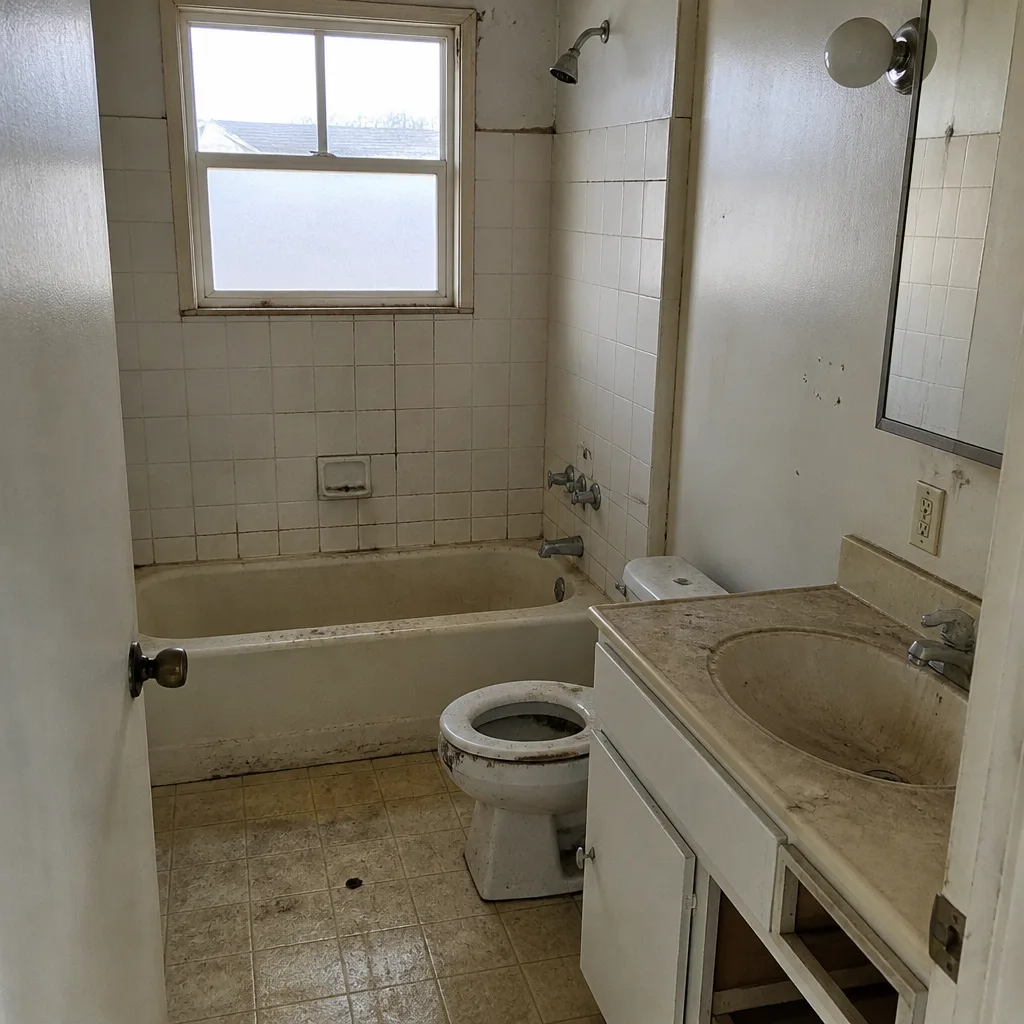 Before
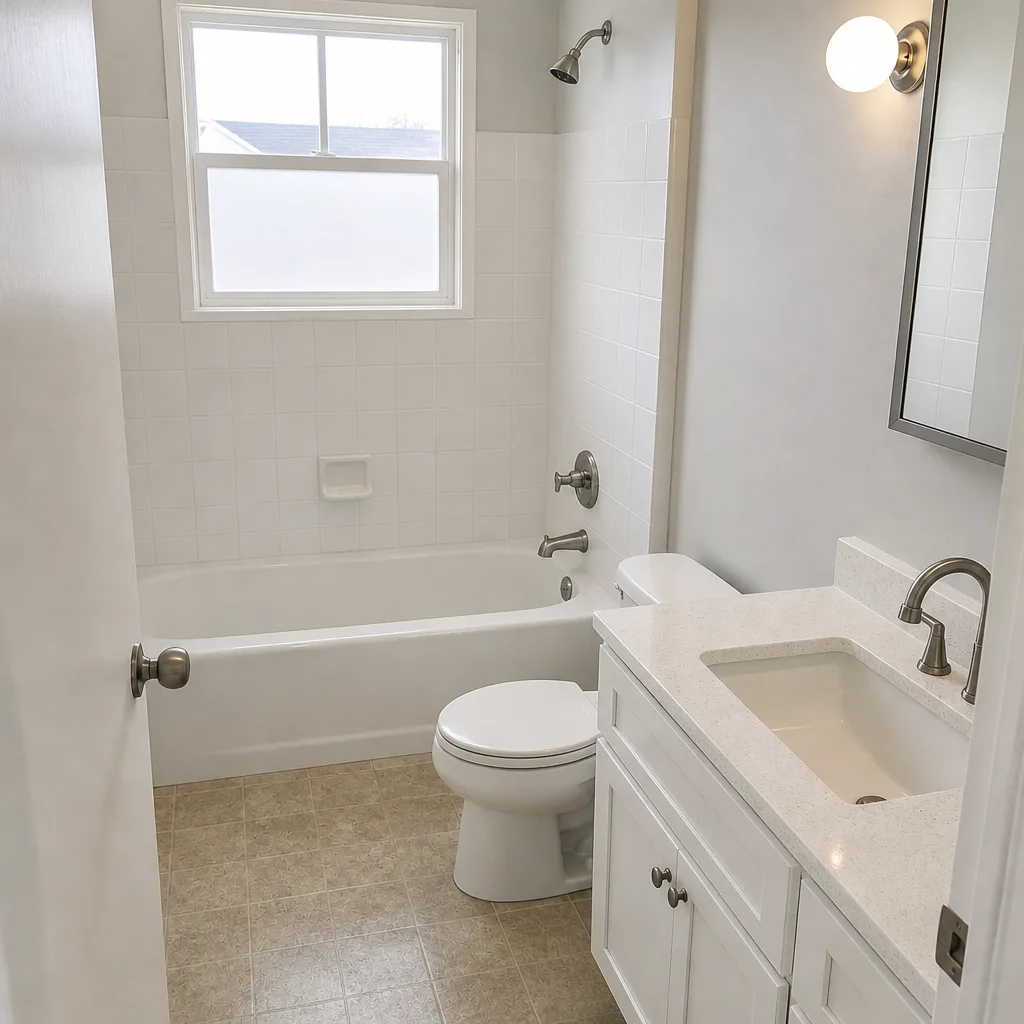 After
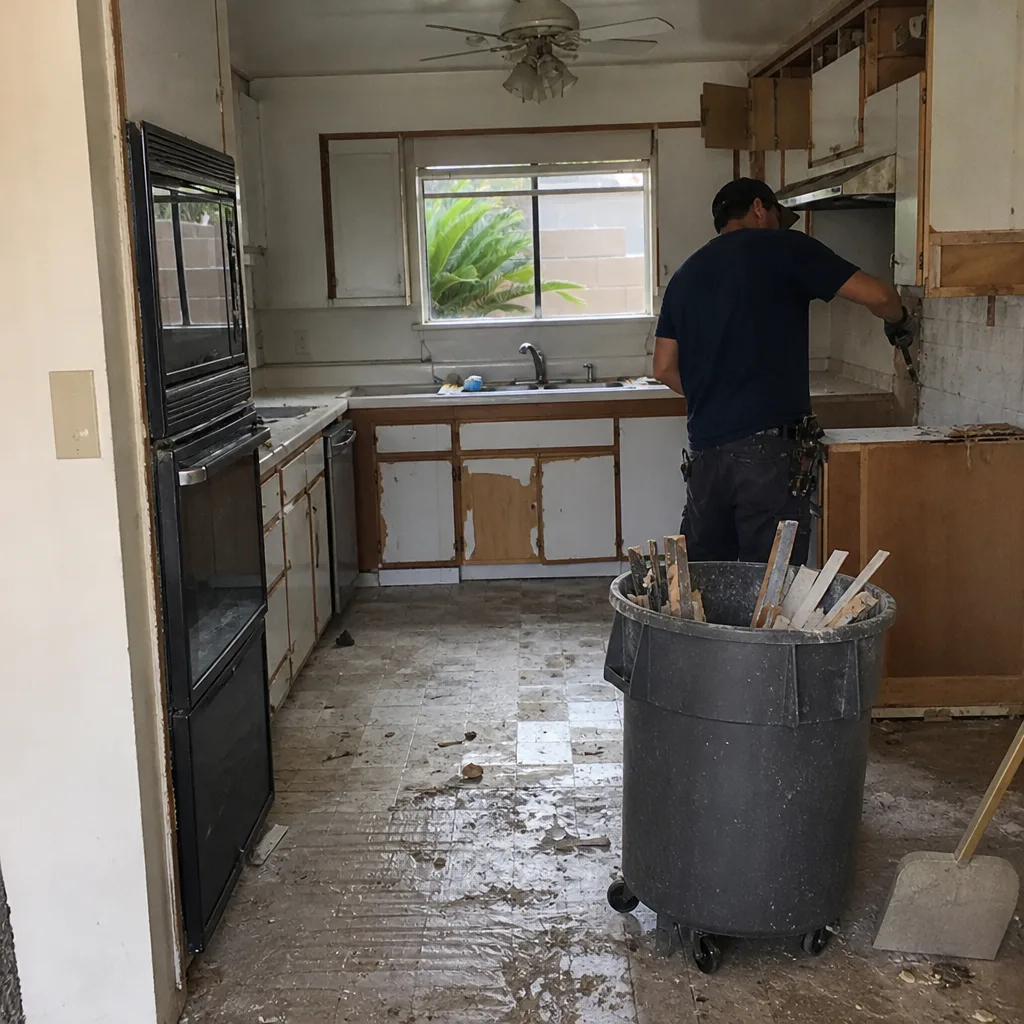 Before
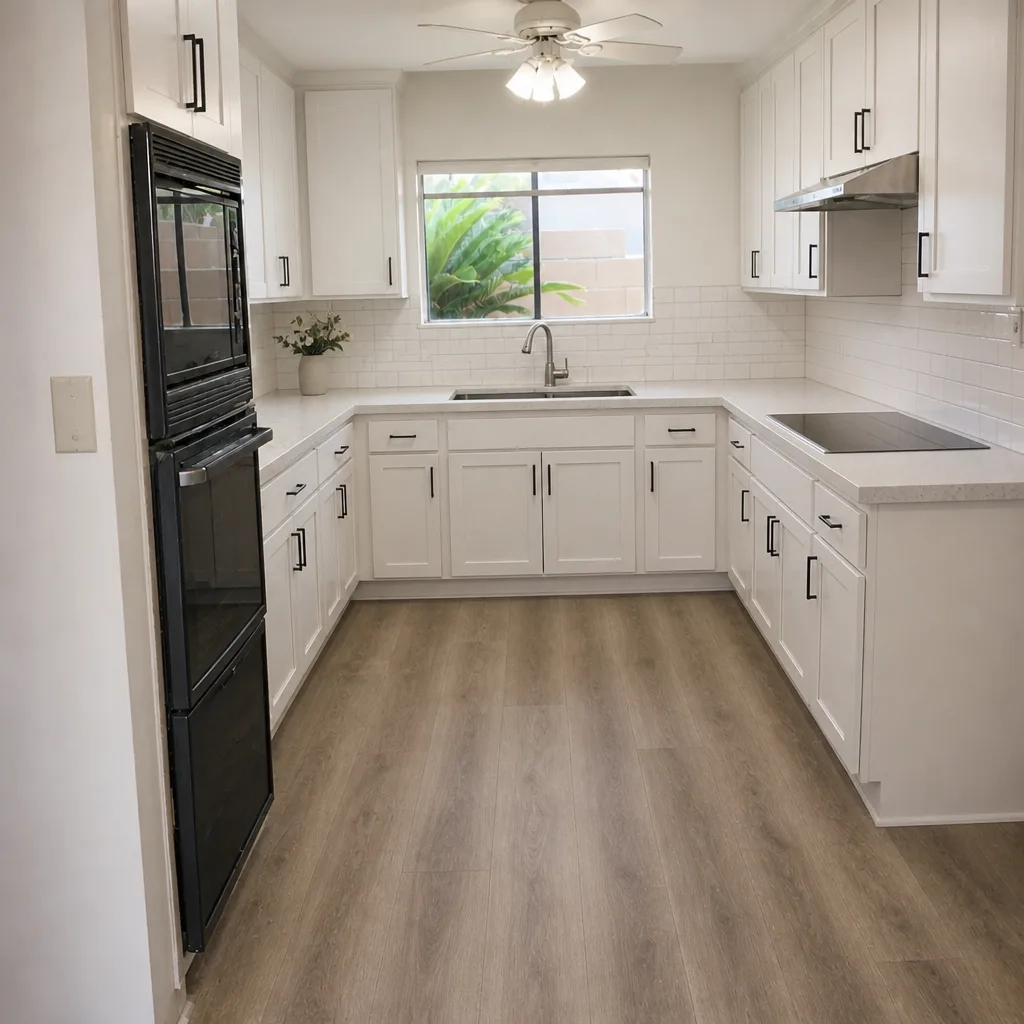 After
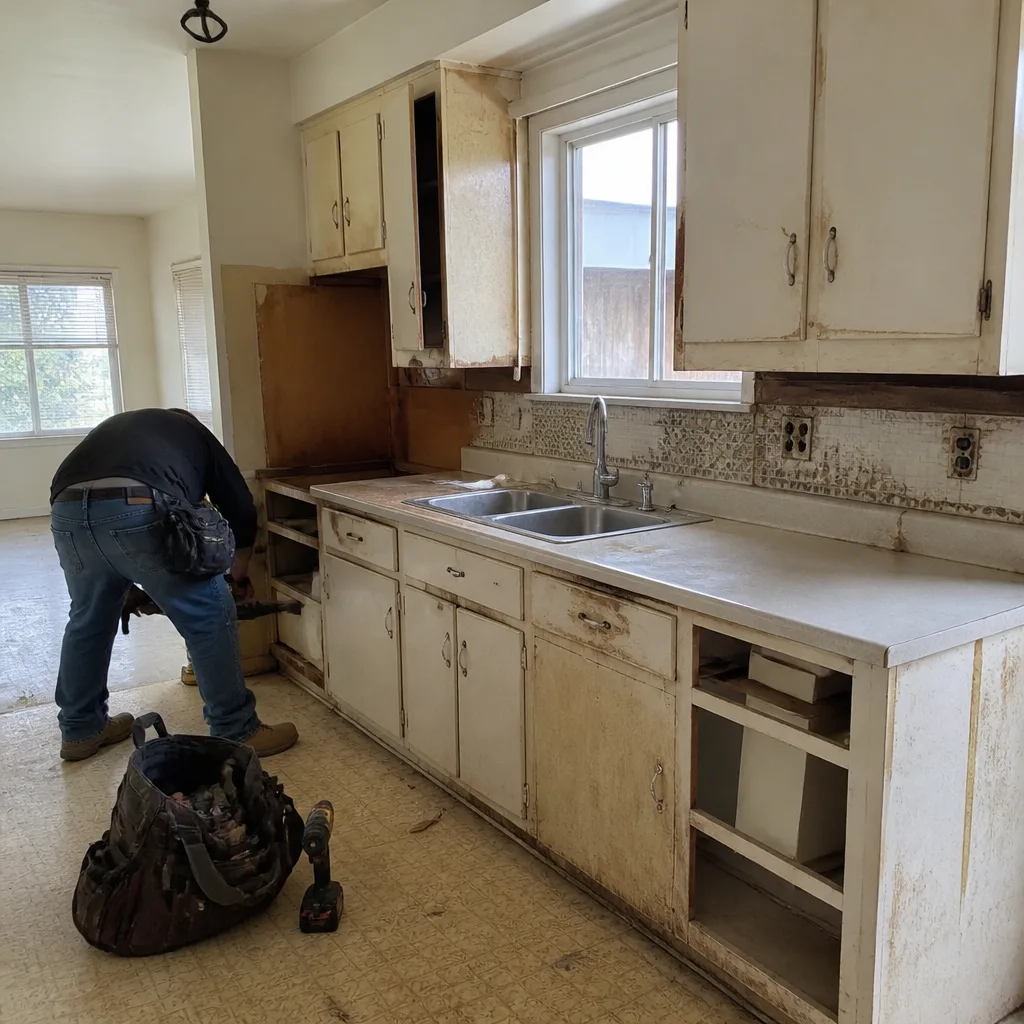 Before
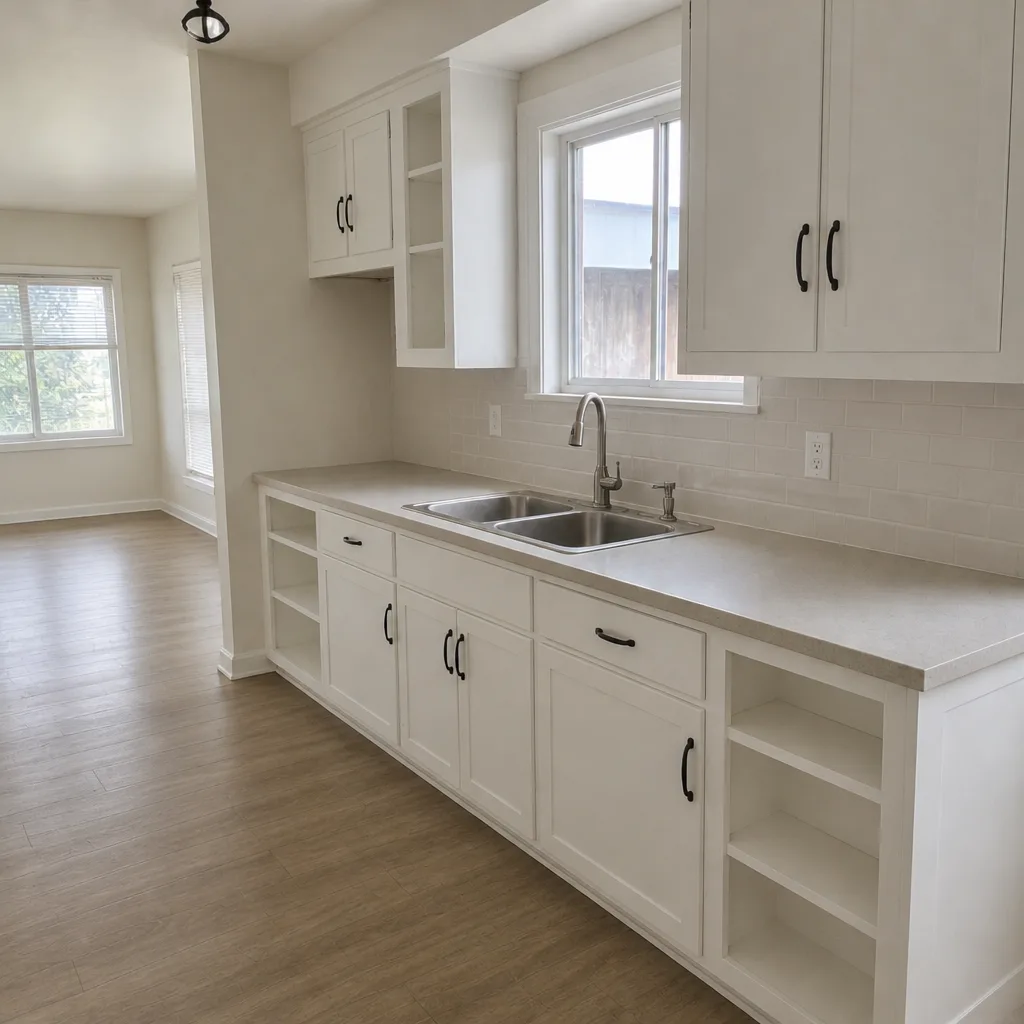 After
When to Call a Professional

Call a licensed contractor when the project touches the electrical panel, gas lines, load-bearing elements, roof, windows, doors, or the plumbing behind a wall. Call when the project requires a permit and inspection, because the paper trail protects your sale, your insurance, and your buyer’s financing. Call when the total true DIY cost, including tools, time, and rework, is within 30 percent of a licensed quote, because the risk premium you’re paying yourself isn’t worth the difference. Call when you’re renovating a rental property in Huntington Beach, because the owner-builder exemption doesn’t apply to you. And call when you’re working on a home over 40 years old with undocumented prior work, because that’s where the surprises live.
Penhallow Remodeling Huntington Beach offers free estimates in Huntington Beach – call (888) 329-8145. Every project starts with a written price before any work begins, a background-checked and uniformed crew on the job, and the 365-Day Done Right Promise covering the work we did. If a repair fails within the guarantee period, we come back and fix it at no charge, and the return visit itself is free.
Frequently Asked Questions
Yes, for work on your own primary residence, California’s owner-builder exemption allows you to pull permits and perform the work without a contractor license. The exemption doesn’t waive code requirements or inspections, and it triggers a disclosure at sale that follows the property’s title. For rental properties or homes you’re flipping, the exemption doesn’t apply and you need a licensed contractor. Call (888) 329-8145 for a free estimate if you’re unsure which side your project is on.
It’s a form you sign at permit application acknowledging that you’re acting as your own contractor and accepting the liability that comes with the work. It becomes part of the property’s permit history. If you sell the home, that record is disclosed to the buyer, and the buyer’s lender and insurer will factor it in. Some sales contracts require the buyer to acknowledge the owner-builder work explicitly. It’s not a deal-killer, but it’s a line item the buyer’s agent will read out loud.
Often, yes, for work that later causes damage. Many California homeowner policies exclude or limit coverage for work the homeowner performed themselves if it’s later shown to be the cause of a loss. Read your policy carefully before you take on a project with water or fire risk, because those are the losses that matter. Unpermitted electrical and plumbing work is the most common cause of a denied claim. A licensed contractor’s work is a different story, and the licensed contractor carries their own liability coverage. A free estimate from us at (888) 329-8145 will tell you whether your project needs that layer of protection.
DIY typically saves 40 to 60 percent against a licensed quote on cosmetic projects like interior painting, cabinet hardware, and non-structural demo. On projects that touch the building envelope or systems, DIY often costs more in total once you add permits, tool rental, material waste from learning curves, mistake correction, and the eventual cost of legalizing unpermitted work. Match the project to the right side of that line. Call (888) 329-8145 for a written number on the licensed scope so you can compare honestly.
Yes, and it’s a perfectly reasonable arrangement when the split is clean. Get the scope split in writing before anyone starts, understand that the contractor’s guarantee only covers the work they performed, and sequence the handoff so your portion is finished to a standard the contractor can build on. Vague splits cause the disputes. Call (888) 329-8145 to talk through a partial-scope project.
Yes, meaningfully. Marine moisture and salt in the air shorten the life of improperly primed exterior trim, non-galvanized fasteners on decks and fences, and paint that isn’t rated for coastal exposure. If you’re doing exterior work yourself, buy marine-rated products and follow the manufacturer’s spec on priming, back-sealing, and fastener selection. The installation detail matters more than the material. If a detail doesn’t match the spec, moisture gets in and the finish fails faster than it would inland. For anything that alters the building envelope, calling a pro at (888) 329-8145 for a free estimate is the cheaper path over ten years.
The Bottom Line
The DIY decision isn’t about your skill. It’s about what California law requires of a licensed professional, what your insurance carrier will and won’t cover, and what stays on your property’s disclosure record for the next owner. Painting, hardware, non-structural demo, and basic landscaping are genuinely yours to take on. Panels, gas lines, structural work, and the building envelope are not. The owner-builder exemption is real, but it’s a disclosure, not a shield. If you’re on the fence about a project in Huntington Beach, get a written price from a licensed contractor, compare it to your honest DIY total, and decide with both numbers in front of you. Our Penhallow Remodeling Huntington Beach home page outlines how we structure every project, and we’re glad to walk through the split before you pick up a tool. Our technicians have up to 22 years of experience navigating these decisions with homeowners, and we’re part of the Kingswell family of companies operating to The Kingswell Way since 2004, each location independently owned and operated.
Ready to get a written number? Call (888) 329-8145 for a free estimate. A live person answers around the clock, we give you the price before any work starts, and the 365-Day Done Right Promise comes in writing with every project. If something fails inside the guarantee, we fix it at no charge and the return visit is free.
Written by the team at Penhallow Remodeling Huntington Beach.