Last updated November 17, 2026








Free written scope consultation - allowances, timeline, and change-order rules on paper before a single trade is scheduled
Home Remodeling Maintenance Schedule: What to Do and When
Most remodeling warranties void themselves silently. A cracked caulk bead left 90 days too long gets classified as “owner neglect,” and the contractor owes you nothing. We’ve watched homeowners in Huntington Beach lose coverage on a $30,000 bathroom because nobody told them the clock was running. The schedule that protects your investment isn’t the one printed on a product label. It’s the one tied to your specific materials and the terms of your written guarantee. This guide maps every task to that timeline, with a coastal calendar built for Huntington Beach salt air and UV load rather than the inland assumptions most guides copy and paste.
Quick Answer
A home remodeling maintenance schedule should run on a 30-60-90 day post-completion inspection, then quarterly, then annually, with each task tied to your warranty’s “owner-maintained” clause. In Huntington Beach, salt air and coastal UV accelerate caulk, grout, and exterior finish wear by roughly 20 to 30 percent compared to inland Orange County, so coastal homes need closer intervals on exterior joints and window seals. The full schedule and the warranty logic behind it are below.
Styles & brands we work with
- Kitchen remodeling
- Bathroom remodeling
- Home additions & ADU
- Roofing
- Windows & doors
- Driveway & pavers
- Fence
Table of Contents
- Why Maintenance Is a Warranty Issue, Not a Chore
- The 30-60-90 Day Inspection Window
- The Huntington Beach Coastal Calendar
- Which Tasks You Can Do Yourself and Which Void Coverage
- Room-by-Room Maintenance Schedule
- Documenting Maintenance So a Dispute Never Happens
- Seasonal Tasks for Southern California
- Common Mistakes to Avoid
Why Maintenance Is a Warranty Issue, Not a Chore
A written guarantee and a verbal one behave completely differently when something fails. When we hand a homeowner our written guarantee, it spells out what’s covered, how long the coverage lasts, and what the homeowner has to do to keep it active. That last part is the one people skip. “Owner-maintained” means you agreed to keep joints sealed, keep drainage clear, and report defects within a set window. Skip it, and a leaky shower pan becomes a you problem, not a warranty claim.
Verbal guarantees are vague in both directions. Nothing is written down, so nothing can be enforced, and the homeowner has no way to prove they held up their end. Our 365-Day Done Right Promise is written on every project specifically so there’s no argument later: if the work fails within the guarantee period, we come back and fix it at no charge. But even that promise assumes the homeowner did the basic maintenance the guarantee asks for.
This is why we treat maintenance as a financial instrument. The cost of resealing grout every 18 months is trivial next to the cost of a failed shower pan repair, which in a Huntington Beach condo typically runs $1,800 to $4,500 once you open the substrate and rebuild. The maintenance schedule is what separates those two numbers.
The 30-60-90 Day Inspection Window
The 30-60-90 day window after a remodel is when defects are easiest and cheapest to catch, and it’s the window most homeowners skip entirely because the job “looks done.” This is a mistake. Materials settle, caulk shrinks, doors warp, and grout hairline-cracks in the first three months, especially in coastal homes where humidity swings.
Here’s the schedule we give every homeowner at project close:
- Day 30: Walk the job with a flashlight. Check every caulk bead at the tub, shower, sink, and window trim. Note any bead that has pulled away, cracked, or shrunk. Take dated photos.
- Day 60: Check cabinet doors and drawers for alignment drift. Check grout lines for hairline cracks. Look under sinks for moisture at the P-trap and supply lines. Open and close every window installed.
- Day 90: Check exterior joints and window seals for separation. Look for any new bubbling paint or soft spots on siding. Test every GFCI outlet in the remodeled space. Check that all drainage paths still slope away from the house.
- Report in writing: Send a dated email or text to your contractor listing anything you found. This creates a paper trail and triggers a warranty visit while the work is still fresh.
If your contractor offered a free return visit for any defect found in this window, use it. Many don’t. Ours does, and the day-30 walk is the reason most small issues never become expensive ones.
The Huntington Beach Coastal Calendar
Generic maintenance guides assume a climate that Huntington Beach doesn’t have. The salt air and UV load off the coast change the timeline for every exterior and semi-exterior surface in the home. A guide written for inland Riverside County will tell you to reseal exterior trim every three years. In Huntington Beach, on a west-facing wall two blocks from the sand, that same trim needs it every 18 months, sometimes sooner.
What the coast actually does:
- Salt air corrodes metal: Door hinges, window hardware, exterior outlet covers, and pressure-treated fasteners all oxidize faster within about a mile of the water. Stainless and powder-coated hardware lasts noticeably longer; we spec it for coastal projects for exactly this reason.
- UV load degrades caulk and exterior finish: The elastomeric caulk holding your window trim and siding joints will chalk and crack faster on the south and west faces. Plan to inspect exterior beads every six months, not annually.
- Marine layer moisture feeds mildew: The morning marine layer keeps surfaces damp longer than inland. Bathroom exhaust fans and the grout lines they protect need closer attention in coastal Huntington Beach homes than the same bathroom would need in Fullerton.
- Salt spray pits window glass: Mineral deposits etch glass and frames if left. ECO Window Systems and ES Windows both make coastal-rated units with better frame coatings, but even those need an annual wash and inspection.
We’ve seen hundreds of homes across Surf City, and the pattern is consistent: the homes with the fewest year-two repairs are the ones whose owners got on a coastal-adjusted calendar in the first six months.
Which Tasks You Can Do Yourself and Which Void Coverage
Not every maintenance task is safe or warranty-legal for a homeowner to do. The distinction matters more than most people realize. Here’s the honest split:
Safe for a homeowner
- Washing window glass and frames with a mild soap solution and drying them off.
- Resealing exterior window trim caulk on a clean, dry, painted surface (use a paintable exterior-grade caulk, not silicone on paint).
- Cleaning grout with a neutral pH cleaner and soft brush. Never an acid cleaner on cement board substrate (the moisture-resistant layer behind your tile).
- Replacing a toilet flapper, a sink aerator, or a showerhead gasket.
- Cleaning range hood filters, vacuuming refrigerator coils, resetting GFCI outlets.
- Clearing debris from exterior drainage paths and downspouts.
Requires a licensed trade – do not touch
- Re-caulking a shower pan or tub surround: This isn’t cosmetic. The joint between the pan and the wall tile is a waterproofing seam. A bad bead can trap water behind the tile and rot the substrate, and if you cause that, your warranty coverage on the shower is void.
- Any repair involving the shower pan liner itself: There is no surface fix. It requires opening the floor.
- Electrical panel work, adding outlets, or replacing switches: These are genuinely dangerous and require a licensed electrician and a permit.
- Gas line work: Same rule. Licensed plumber, permit, inspection.
- Water heater, plumbing rough-in, or any work inside a wall: Licensed plumber, permit.
- Roof, flashing, or siding above the first story: Height work. Trained professional only.
If you’re unsure which side of the line a task falls on, call us before you touch it. We’d rather answer a five-minute question than see a homeowner void a $4,000 shower repair right before they need it.
Room-by-Room Maintenance Schedule
Kitchen
Every 6 months: check cabinet hinges and drawer slides for drift; tighten hardware. Check the caulk bead at the sink perimeter and reseal if it’s pulling away. Clean the range hood filter. Check the dishwasher supply line for moisture (this is a common failure point at year two). Annually: check the grout lines on tile backsplash and floor; reseal natural stone if you have it. Inspect the seal around the countertop to the wall.
Kitchens remodeled with KraftMaid or Wellborn cabinetry carry cabinet warranties, but those warranties cover manufacturing defects, not hinge drift from a cabinet that’s been slammed a thousand times. Adjust hinges, and the warranty still does its job.
Bathroom
Every 3 months: check the caulk bead at the tub and shower; report any separation. Check grout lines for hairline cracks; report any that hairlines to the shower pan. Run the exhaust fan during and after every shower to pull moisture out. Every 6 months: check the toilet base seal for movement; check supply line connections. Annually: inspect the flush valve and fill valve; replace if the toilet runs. Inspect the grout at the shower floor. If you have Cambria or Silestone vanity tops, those surfaces are non-porous, but the seam where they meet the wall still needs inspection.
Whole-home and exterior
Every 6 months: inspect window seals, exterior trim beads, and door sweeps. Check the exterior siding for soft spots or bubbling paint. Annually: inspect the perimeter of the house for drainage failures (water pooling against the foundation); wash windows; check the roof if visible from the ground. Every 2 years: have exterior caulk on the south and west-facing walls professionally re-evaluated. In Huntington Beach, the UV load on those faces is the single most reliable predictor of when exterior surfaces need attention.
Documenting Maintenance So a Dispute Never Happens
If a warranty dispute ever arises, the burden is on the homeowner to show they complied with the maintenance terms. The simplest way to win that argument before it happens is to keep dated records.
- Create a maintenance log the day your project closes. A simple spreadsheet or a notes app works fine. Columns: date, task, who did it, notes, photo reference.
- Take dated photos of every task. Your phone’s photo timestamp is sufficient.
- Keep receipts for anything you hired out. A licensed plumber’s invoice proves the work was done by a trade.
- Report defects in writing, within the guarantee window. An email or text with a photo beats a phone call every time.
- Store the original written guarantee and written price with the maintenance log. When a contractor asks what was covered, you hand them the document.
When the paperwork is this simple, there’s rarely a dispute to have. The written price and written guarantee you got at the start of the project become the two documents that make the whole system work.
Seasonal Tasks for Southern California
Coastal Southern California doesn’t have the four-season maintenance calendar most guides assume, but it does have patterns worth building around.
- Spring (March-May): The marine layer is thickest, humidity highest. Check bathroom exhaust performance and grout lines now. Inspect for mildew before it spreads. This is the ideal season for the day-30 walk if your remodel wrapped in winter.
- Summer (June-August): UV load peaks. Inspect every exterior caulk bead on south and west faces. Wash windows monthly if they face the ocean. Check exterior paint for chalking.
- Fall (September-November): Santa Ana winds dry out caulk and wood. Inspect window seals and exterior trim. This is the cheapest window to schedule the annual professional re-evaluation.
- Winter (December-February): Rain exposes drainage failures fast. After every significant storm, walk the perimeter. Check that water is moving away from the house. Check under sinks and around window frames for the first sign of a leak.
Huntington Beach’s rainy season is short but real, and homes near the coast tend to develop window and door seal failures right around the first real storm of the season. A walk-around in early December catches them before they become interior repairs.
Common Mistakes to Avoid
- Skipping the day-30 walk entirely. This is the single most expensive mistake we see. Defects caught at day 30 cost a caulk bead. The same defect caught at year two costs a tile repair and possibly a substrate rebuild.
- Using acid-based cleaners on new tile grout. Acid eats the cement board substrate behind the tile and can void the tile manufacturer’s warranty. Use neutral pH cleaners only.
- Resealing the shower pan yourself. Re-caulking the shower pan joint feels like a five-dollar task and is actually a waterproofing seam. A bad bead voids the shower warranty and invites a leak. Have a licensed trade do it.
- Letting exterior window trim caulk go two-plus years on the coast. Inland guides say three years is fine. In Huntington Beach, on a sun-facing wall, two years is already too long.
- Trusting a verbal maintenance promise. If the maintenance obligations aren’t written into the guarantee, they don’t exist, and neither does your proof of compliance.
- Not keeping records. A maintenance log is the only evidence you’ll have if a coverage question comes up. It’s also cheap insurance: five minutes a month.
- Assuming a written guarantee covers maintenance failures you caused. A written guarantee doesn’t excuse a homeowner from reasonable care, and it shouldn’t. A contractor who promises otherwise isn’t being honest with you.
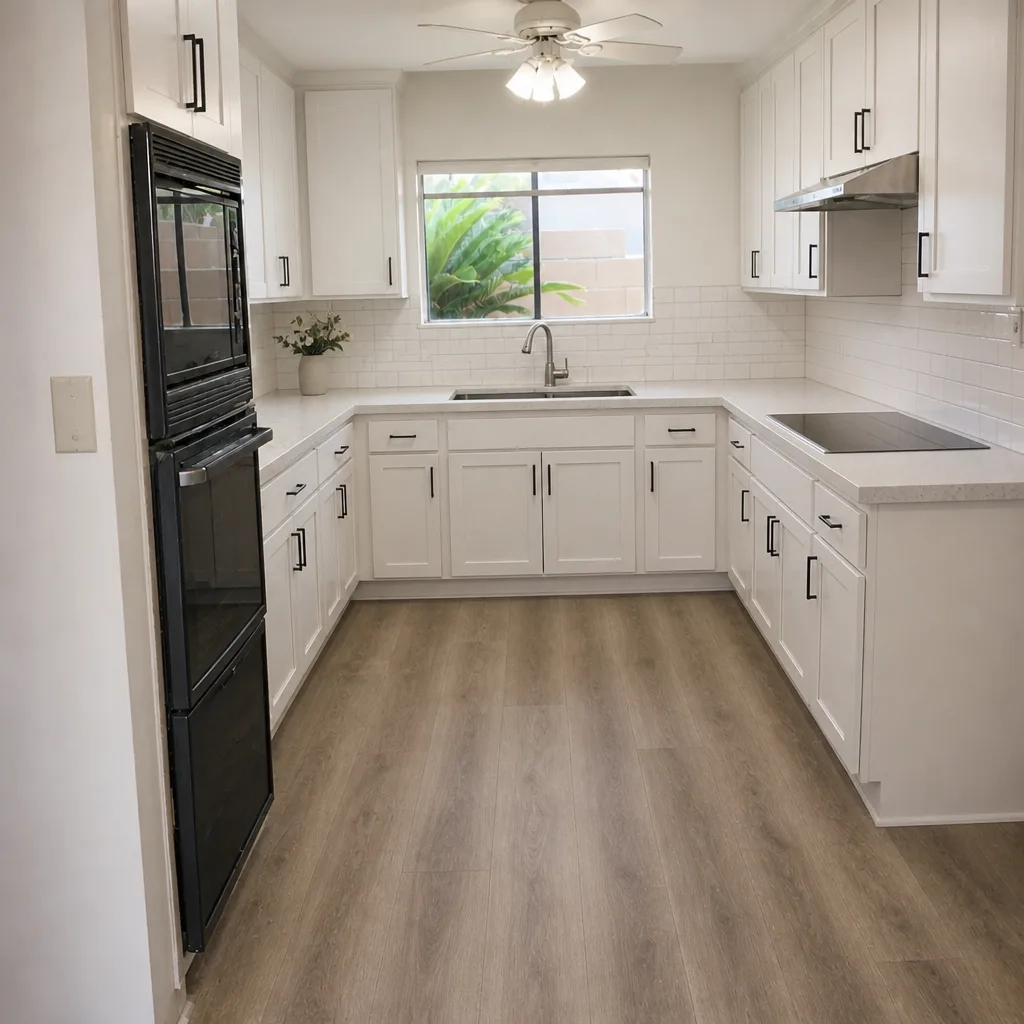
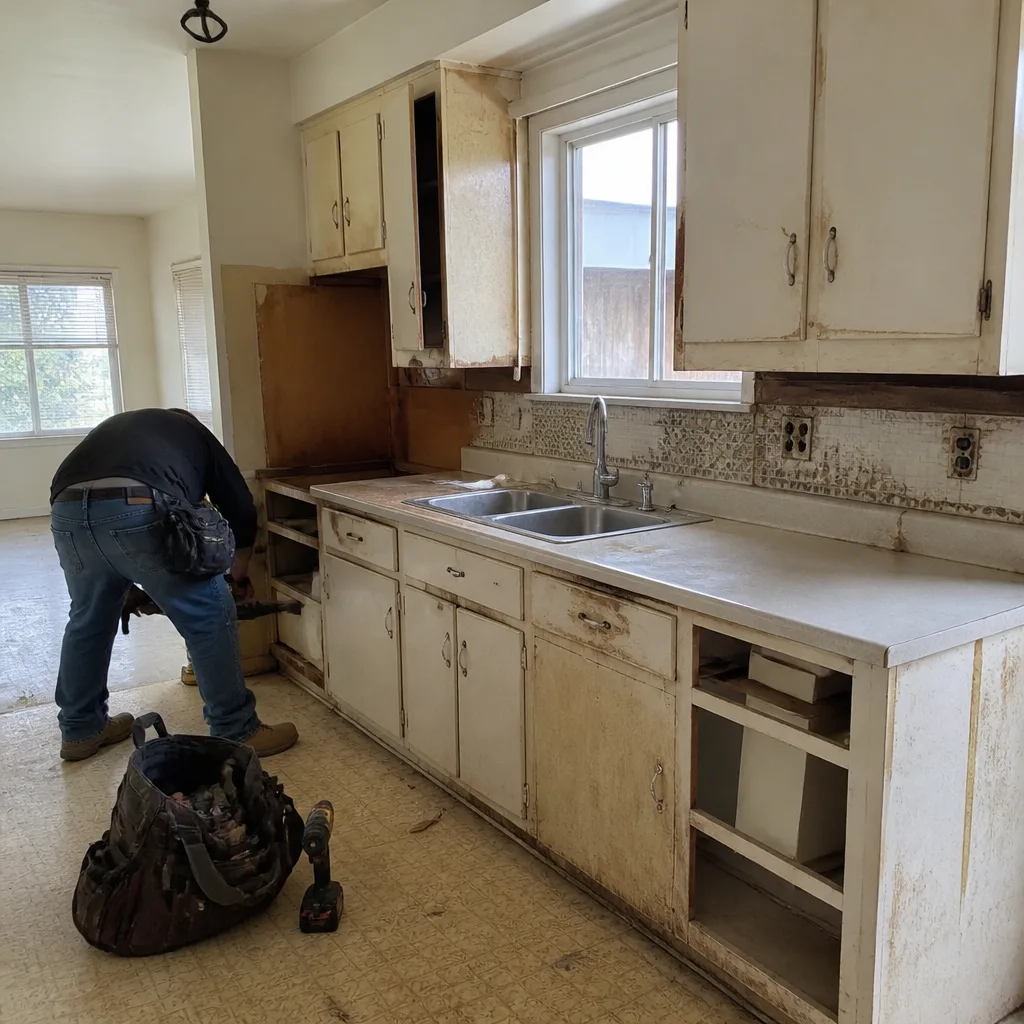
See the difference
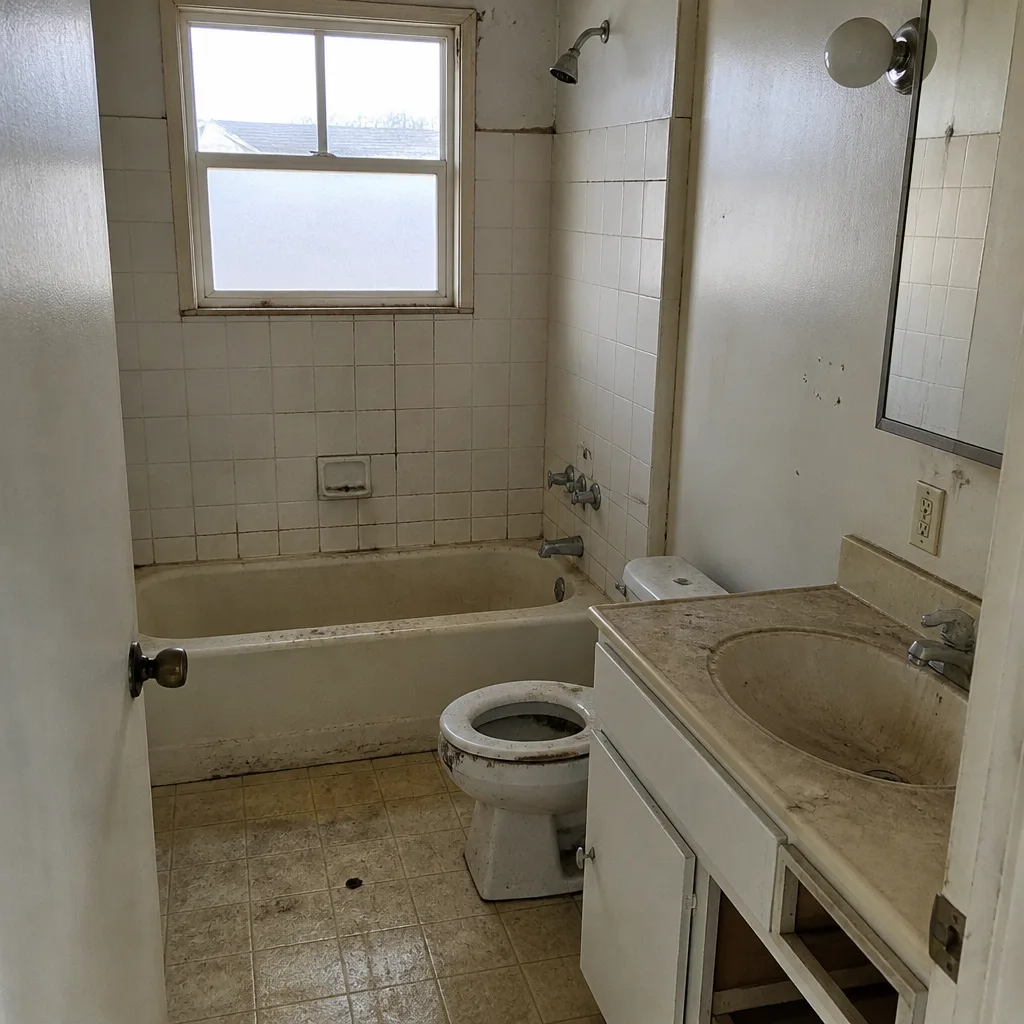 Before
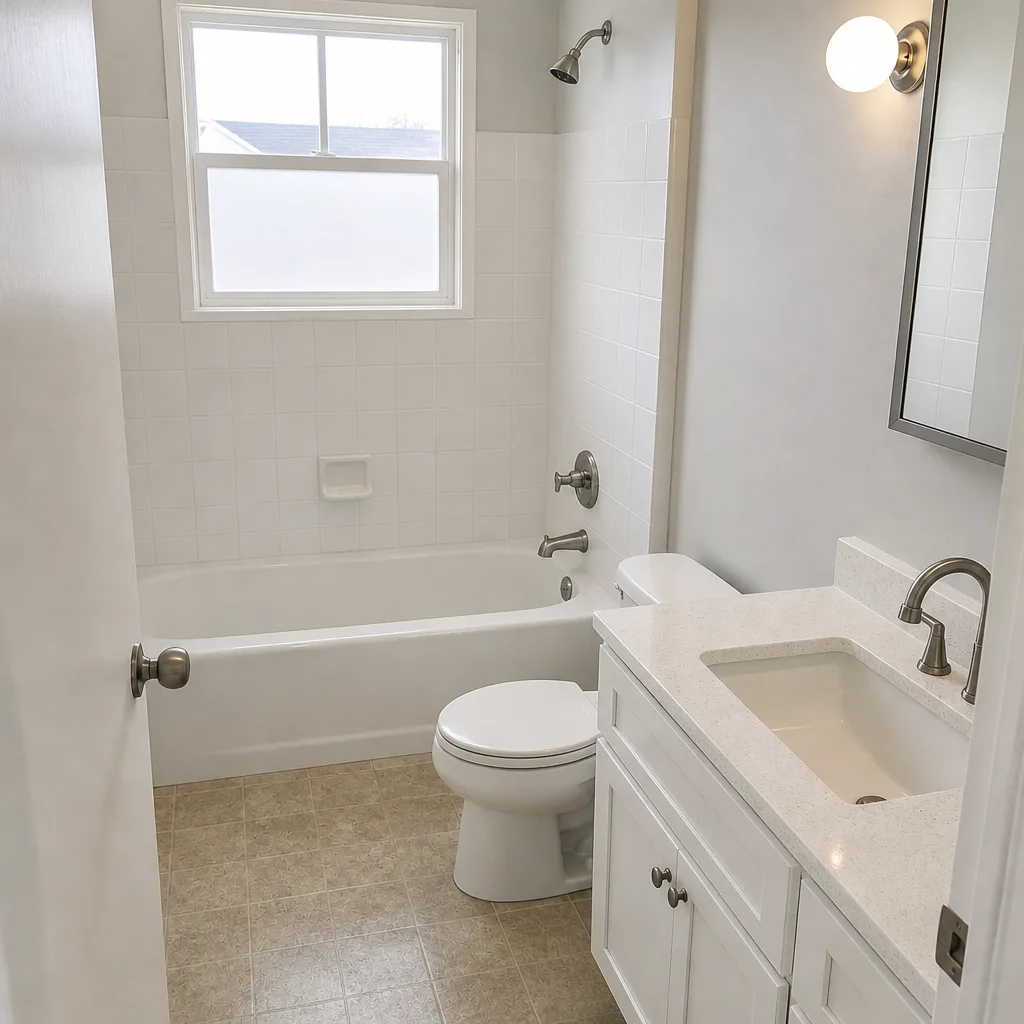 After
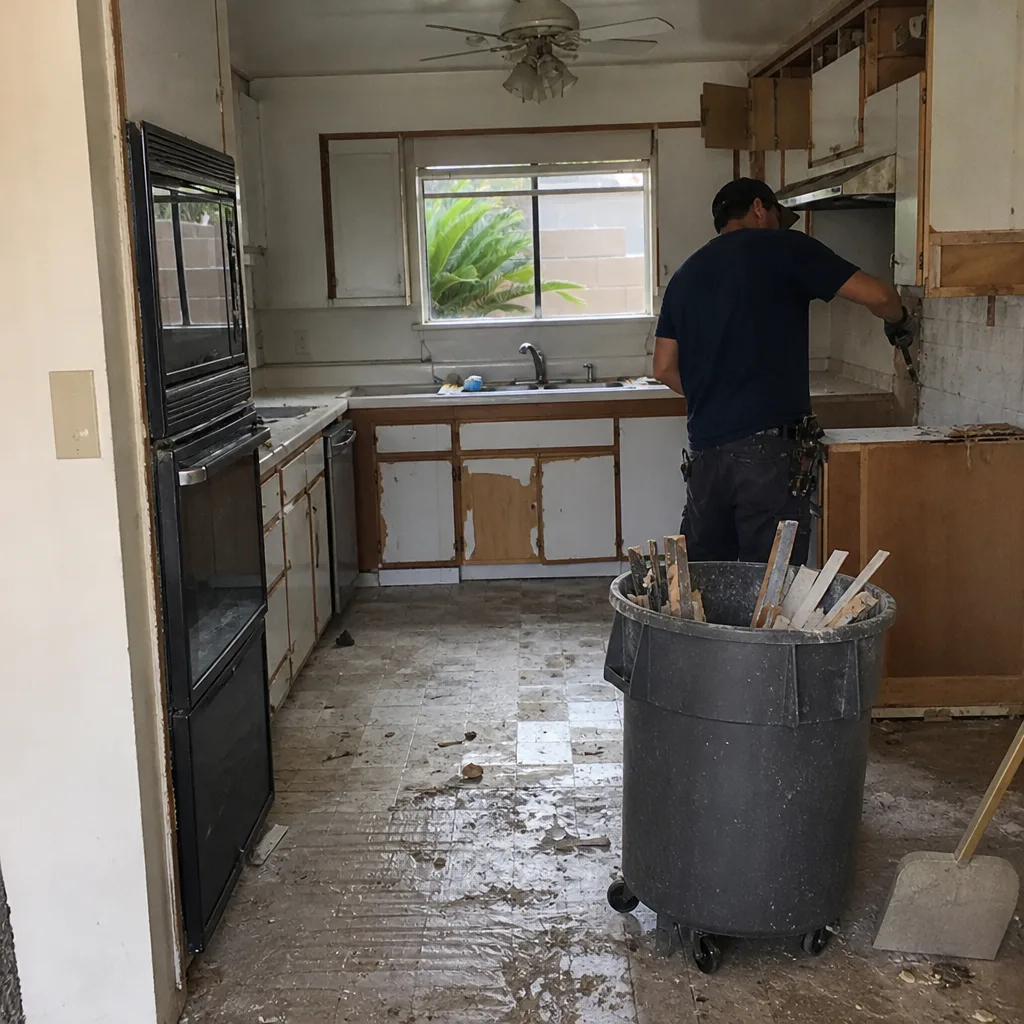 Before
 After
 Before
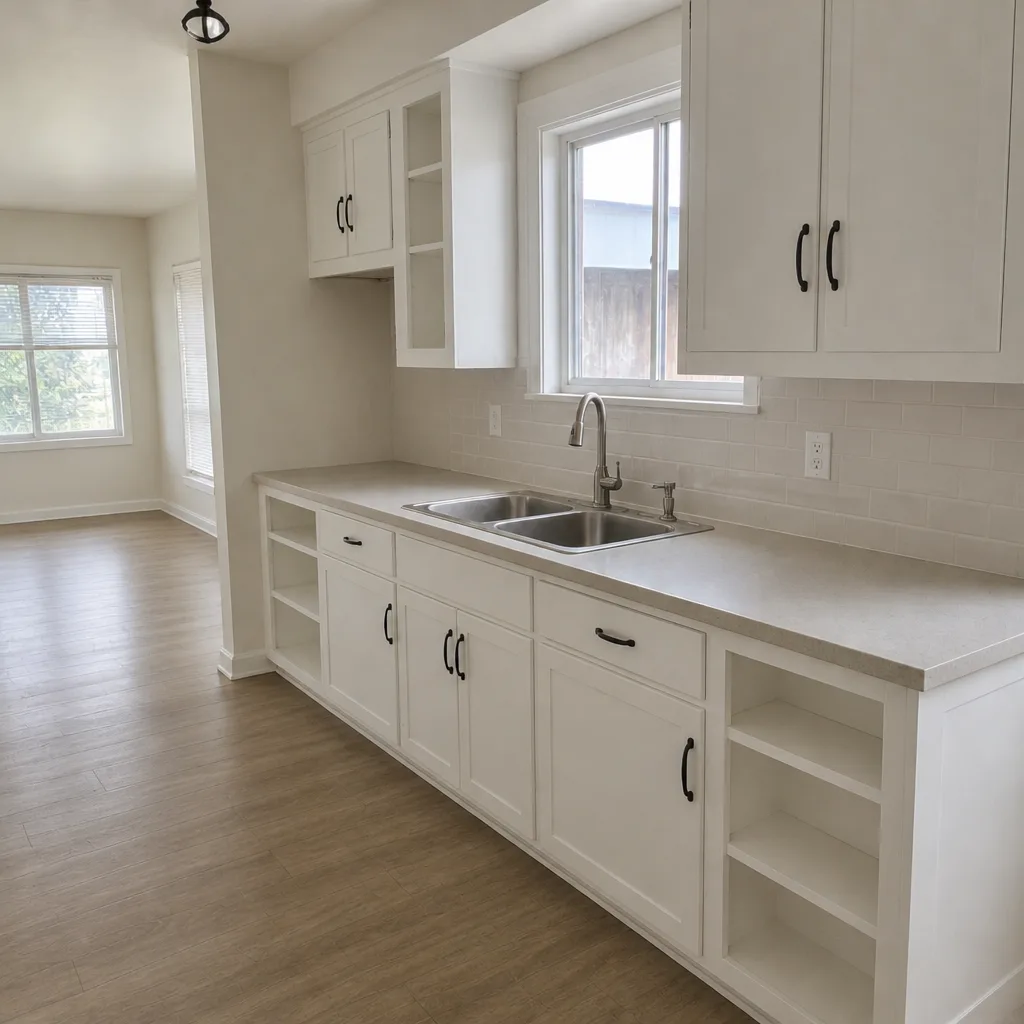 After
When to Call a Professional
Call us when the task involves a shower pan, a shower pan liner, any plumbing inside a wall, any electrical work, gas lines, or height work. Those are the calls that need a licensed trade and a permit, and doing them yourself voids coverage and risks injury. Also call when something fails inside the guarantee window rather than trying to fix it. A free return visit is a better outcome than a self-repair that complicates the record. If you’re planning a Huntington Beach remodel and want the maintenance obligations written down before the first cabinet comes out, we’ll walk you through it. Penhallow Remodeling Huntington Beach is the Penhallow Remodeling Huntington Beach home page for a full scope overview, and the General Contractor in Huntington Beach page covers how we structure the written price and guarantee on every project. Free estimates in Huntington Beach – call (888) 329-8145.
Frequently Asked Questions
Plan to inspect every three to six months and reseal every 12 to 18 months on floorand shower grout in a coastal Huntington Beach bathroom. Marine layer humidity and salt air wear grout faster than the two-to-three-year inland cycle. Call (888) 329-8145 for an inspection – estimates are free.
“Owner-maintained” means you agreed to do the ongoing maintenance tasks the guarantee specifies, and skipping them can void a claim. Typical tasks: keeping caulk and grout sealed, clearing drainage, checking exterior joints, and reporting defects in writing within the set window. If your guarantee doesn’t spell it out, ask before work starts. Call (888) 329-8145 and we’ll walk through what our written guarantee requires.
No, not the shower pan. Re-caulking the tub-to-wall joint is homeowner-safe, but the shower pan seam is a waterproofing joint that requires a licensed trade. A bad bead there traps water behind tile and rots the substrate, which typically costs $1,800 to $4,500 to fix. For our bathroom remodeling in Huntington Beach clients we spell this out in the guarantee, and we’ll spell it out for you too.
No, we provide a written price before any work starts, so the number on day one is the number on the invoice. If we find something under the surface that changes the scope, we stop, show you what we found, and give you a revised written price before proceeding. For a kitchen non-urgent task, call (888) 329-8145 – estimates are free.
A full kitchen remodel in Huntington Beach typically takes 6 to 10 weeks from demo to final walkthrough, depending on layout changes, cabinet line, and countertop material. Cabinet lead times (KraftMaid and Wellborn both run several weeks) drive much of the schedule. Pricing typically runs $18,000 to $55,000 for a full kitchen. For a written number on your kitchen, see our kitchen remodeling in Huntington Beach page and call (888) 329-8145.
Yes. We pull permits and pass inspection on every job that requires them, including electrical, plumbing, gas, and structural work. A reputable contractor pulls the permit; one who wants to skip it is protecting themselves, not you. Call (888) 329-8145 for a free estimate and we’ll walk you through the permit scope before anything starts.
The Bottom Line

Maintenance isn’t about keeping a remodel pretty. It’s about keeping the warranty active and preventing the specific failures that cost more at year two than the original job cost at day one. The three rules worth remembering: do the 30-60-90 day walk (most of your risk disappears there), adjust the cadence for Huntington Beach salt air and UV load (closer intervals than inland guides assume), and document everything in writing. If you’re remodeling in Huntington Beach and want the maintenance obligations spelled out before the first cabinet comes out, we’ll give you a written price and a written guarantee on day one. Call (888) 329-8145 for a free estimate.
Written by the team at Penhallow Remodeling Huntington Beach.