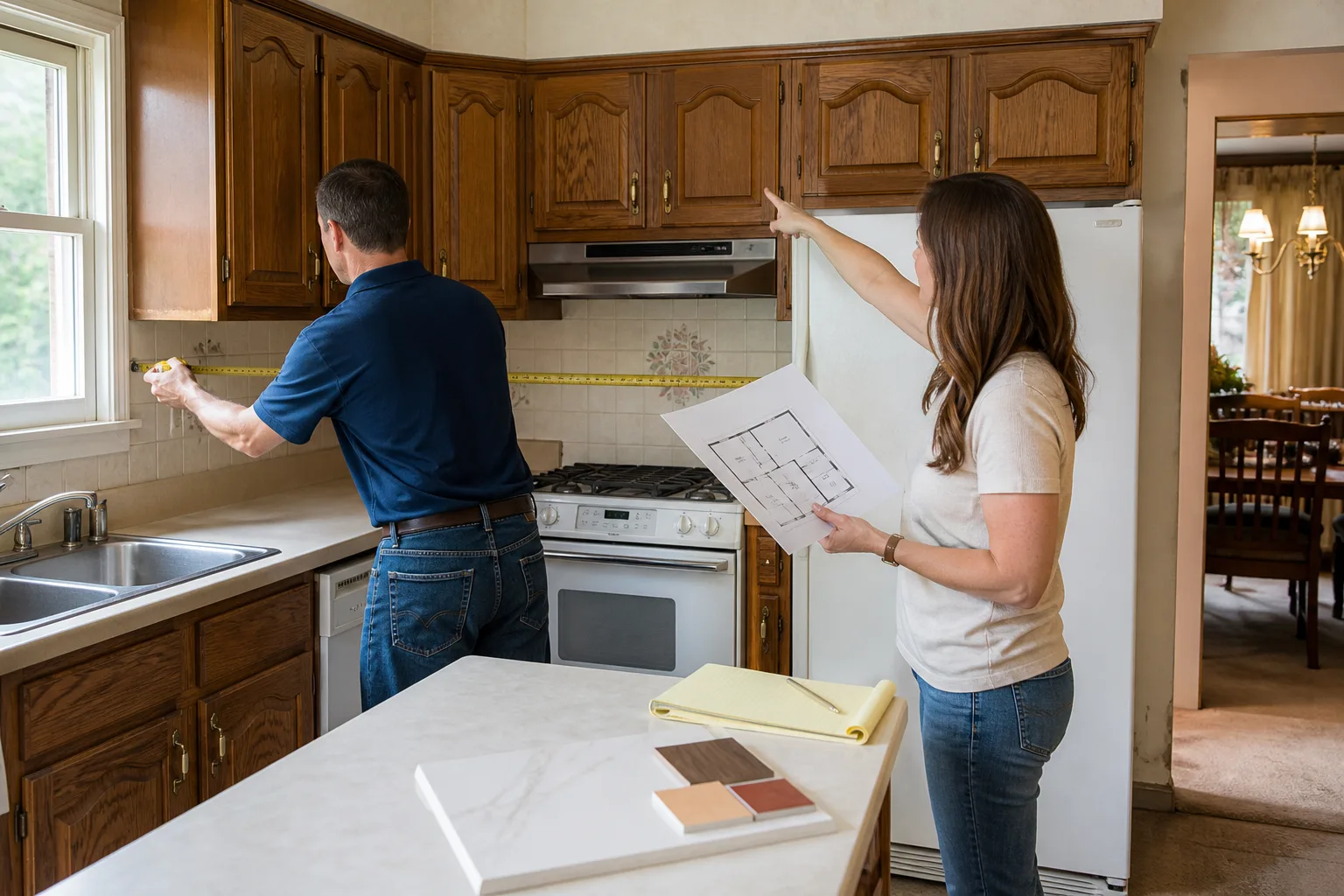
Last updated November 17, 2026








Free written scope consultation - allowances, timeline, and change-order rules on paper before a single trade is scheduled
General Contractor Troubleshooting: Common Problems and How to Fix Them
The most common complaint filed with the California Contractors State License Board isn’t shoddy work. It’s abandoned jobs and unanswered calls. That single fact reframes everything, because it means the red flags were usually visible long before the first wall came down. By the time a homeowner in Huntington Beach is searching for help, the trouble has often been brewing for weeks.
Here’s the lens we want you to read this guide through: most remodel problems aren’t construction failures. They’re contract failures that showed up later wearing a hard hat. A cracked tile is a construction problem. A price that jumped $14,000 after demo day is a contract problem. Knowing which one you’re staring at tells you whether to call your contractor, your insurance company, or an attorney, and it changes what you do in the next 48 hours.
What follows is a practical field guide to the problems we see most, written from Huntington Beach, where marine air, older housing stock and a busy permit desk add their own wrinkles.
Quick Answer
When you hit a problem with a general contractor, first identify whether it’s a construction defect, a contract or payment dispute, or an abandonment situation, because each one has a different fix and a different clock. Document everything in writing the same day, put your concerns in a dated email or letter, and check your contract for the change-order and warranty language before you agree to anything or pay another dollar. A written price and a written guarantee up front prevent most of these problems before they start.
Styles & brands we work with
- Kitchen remodeling
- Bathroom remodeling
- Home additions & ADU
- Roofing
- Windows & doors
- Driveway & pavers
- Fence
Table of Contents
- Is That Cost Increase a Legitimate Change Order or a Bait-and-Switch?
- Your Contractor Stopped Showing Up: The First 48 Hours
- Reading Your Lien Rights as a California Homeowner
- Workmanship Warranty or Insurance Claim? How to Tell
- The Difficult Conversation: Putting a Dispute in Writing
- Permits, Inspections and the Huntington Beach Permit Desk
- Coastal Problems Specific to Huntington Beach Homes
- Common Mistakes to Avoid
- When to Call a Professional
- Frequently Asked Questions
Is That Cost Increase a Legitimate Change Order or a Bait-and-Switch?
A legitimate change order changes the scope, and you approve it in writing before the work happens. A bait-and-switch changes the price for work that was always part of the deal. That’s the whole distinction, and it’s the single most useful thing to carry into a remodeling project.
The classic “low-ball and climb” pattern works like this: a bid comes in far under everyone else, the contract is thin on specifics, and once the crew has demoed your kitchen there’s suddenly “unforeseen” framing rot, “hidden” plumbing problems, or a “materials shortage” surcharge. Some of those discoveries are real. Rot behind old tile is genuinely common in Huntington Beach homes built in the 1960s and 70s, where decades of salt air and winter damp have quietly done their work. The question isn’t whether surprises happen. It’s whether the contract anticipated how they’d be handled.
A legitimate change order will always have these traits:
- It’s in writing, with a line-item price, before the added work begins.
- It describes what was found and why it couldn’t be seen earlier.
- It gives you the option to decline and proceed with the original scope.
- It updates the schedule and the final invoice total in the same document.
A red flag change order usually arrives as a text message, a verbal “we gotta talk,” or a number with no breakdown. If you’re being asked to approve five figures of work on a phone call, stop and ask for it in writing with a line-item price. The contractor’s reaction to that request tells you almost everything. For homeowners who haven’t signed yet, the surest defense is a written price before any work starts, which is exactly the standard we hold ourselves to on every Penhallow Remodeling Huntington Beach home project.
Your Contractor Stopped Showing Up: The First 48 Hours
When the crew stops showing and the calls go to voicemail, the first two days matter more than the next two months. What you do now protects your legal position and keeps your options open. Do it in this order:
- Write a dated letter or email the same day. State the facts plainly: the last date of work, what remains unfinished, and that you expect a written response within a set number of days. Keep a copy.
- Photograph everything. The site as it stands, materials delivered, any exposed framing or plumbing. Time-stamped photos are evidence.
- Stop further payment. Don’t make the next draw to keep the crew “motivated.” Pay only for work you can verify is complete.
- Pull your contract and the payment schedule. Note what stage of completion you’ve paid through versus what’s actually done.
- Gather your paperwork into one file. Contract, change orders, receipts, texts, emails, photos, permit numbers. A single tidy folder does more for you than a messy pile ever will.
- Contact the Contractors State License Board. California keeps a complaint process for exactly this, and a documented paper trail is what it runs on.
One Huntington Beach detail worth knowing: if your project is in a coastal zone, there may be active permits and inspections tied to the job. Call the city’s building department early to understand the status, because an abandoned open permit can complicate the next contractor’s ability to pick up the work. We’ve walked into more than one Huntington Beach job where the first hour was spent untangling a permit someone else left hanging.
Reading Your Lien Rights as a California Homeowner
Mechanic’s liens confuse nearly everyone, so here’s the plain version: a contractor, subcontractor or supplier who isn’t paid for work or materials on your property can file a lien against it. That lien can cloud your title and, in the worst case, lead to a foreclosure action. It doesn’t matter that you already paid your general contractor. If the sub didn’t get paid, the sub can come after the property.
This is why the preliminary notice matters even when everything feels fine. In California, subs and suppliers are supposed to send a preliminary notice early in the project, which alerts you that they exist and that they have lien rights. It isn’t an accusation. It’s a heads-up, and it’s your early-warning system. When one arrives, the right move is to confirm your general contractor knows about it and is tracking that sub’s payment.
A few protections worth putting in place on any sizable project:
- Ask for lien waivers from subs and suppliers as payments are made, so you have written proof they’ve been paid.
- Keep a running list of who’s working on your property and who supplies materials.
- Never pay in cash without a receipt, and never pay the full contract up front.
- Before final payment, request a conditional final lien release from the general contractor.
For a kitchen or bath remodel under a few thousand dollars in materials this rarely bites. On a full Kitchen Remodeling in Huntington Beach project with cabinets, countertops and multiple trades, it’s worth the ten minutes it takes to keep the list current.
Workmanship Warranty or Insurance Claim? How to Tell
The dividing line is cause. If the work was done wrong and failed on its own, that’s a workmanship defect and it belongs to your contractor’s warranty. If something outside the work, like a storm, a plumbing burst or a fire, damaged the work, that’s an insurance claim. Getting the category wrong wastes weeks and can cost you money.
Workmanship warranty covers things like a tile that popped because the cement board substrate (the moisture-resistant layer behind the tile) wasn’t installed correctly, a cabinet door that sags because the hinge was set into weak material, or a shower that leaks because the waterproofing was skipped. These failures trace back to installation, and a solid contractor stands behind them. Our own version of that promise is the 365-Day Done Right Promise: if the work fails inside the guarantee period, we come back and fix it at no charge, and it’s covered in writing.
Insurance handles the “act of God” side. In Huntington Beach that can mean marine-layer moisture working into a poorly flashed window, or a winter storm driving rain sideways against a west-facing wall. A useful sorting test:
- Did it fail on its own, doing normal daily life? Likely a workmanship warranty issue. Call your contractor first.
- Did something happen to it? Water intrusion from a storm, a pipe burst, a fire. Call your insurer.
- Are you not sure? Call the contractor first and ask for an inspection. A good contractor will tell you honestly if it’s a warranty item or an insurance item, and a company that won’t is telling you something too.
The Difficult Conversation: Putting a Dispute in Writing
Most disputes that explode were small problems that never got put in writing. The trick is to be direct without being adversarial, especially when the contractor is acting in good faith and the issue is a scheduling gap or a small defect. Here’s a script you can adapt. Notice it stays factual and gives the other side a clear path to make it right.
- Open with the relationship, not the accusation. “We’ve been glad to have your crew on the project and want to keep it moving well.”
- State the facts and dates. “The tile in the hall bath was grouted on March 4. Since then we’ve noticed a soft spot near the drain and grout separating along the curb.”
- Say what you’re asking for. “We’d like your crew to take a look this week and tell us what’s happening and how you’ll address it.”
- Set a reasonable response window. “Could you confirm a plan by Friday? That helps us both keep the schedule on track.”
- Close warm. “We’re not looking for a fight. We want the same thing you do, a finished job we’re both proud of.”
Send it by email so there’s a timestamp, and follow up with a call. If the contractor is acting in good faith, this script usually gets a fast, cooperative response. If it doesn’t, you now have a clean written record, which is exactly what you’ll need later. Save every reply. For bathroom work where defects tend to hide behind tile, it’s worth knowing what to expect from a proper install, which is the kind of standard we set on every Bathroom Remodeling in Huntington Beach project.
Permits, Inspections and the Huntington Beach Permit Desk
Permits are where a lot of good projects quietly go wrong. Skipped permits are a contract failure disguised as a shortcut, and they surface years later at resale when a buyer’s inspector asks for the paperwork. In Huntington Beach, kitchens and baths that move plumbing, electrical or structural elements need permits, and the city inspects the work at defined stages.
What to expect and how to protect yourself:
- Ask for the permit number before demo begins. A contractor who “pulls it later” is telling you something.
- Know which inspections apply to your scope, and ask to be told when each one is scheduled.
- Keep the final inspection sign-off with your home records. It’s the paper that makes your remodel real at resale.
- Coastal-zone properties may need extra review, so build time for that into the schedule.
Permits pulled and inspections passed is the phrase we like, because it means the work has been checked by someone other than the person who did it. If you want a sense of how a full general-contracting scope handles permits and inspections start to finish, the General Contractor in Huntington Beach page walks through it.
Coastal Problems Specific to Huntington Beach Homes
Huntington Beach has its own problem set. Salt air and the marine layer are gentle but relentless, and they attack a house in ways inland contractors don’t see. Wood siding and trim near the coast weather faster. Metal fasteners that would last decades inland can corrode sooner when they’re a few miles from the water, which is why specifying the right fasteners matters more here than most homeowners realize.
We see recurring patterns in neighborhoods across Huntington Beach. In older tracts near downtown and along the coast, we routinely find moisture-damaged framing behind kitchen and bath walls once the old surface comes off. West-facing walls catch driving winter rain, and a window that was flashed poorly ten years ago is finally showing its stripes as a soft spot near the sill. Homes on raised foundations in low-lying areas handle ground moisture differently than slab-on-grade homes, so waterproofing details have to match the construction.
When it comes to exterior material, brand choices carry real weight. James Hardie fiber cement siding handles coastal damp far better than bare wood, and specified fasteners hold up where generic ones fail. Builders and suppliers around here know the local climate well, and products like those from Boral and PGT are common on coastal-zone homes for good reason. The point isn’t the brand name. It’s that the material was chosen for the climate you actually live in, not a brochure.
Common Mistakes to Avoid
- Accepting a verbal estimate. A number that lives only in conversation can grow after demo day. Insist on a written price before work starts, so the number on day one matches the invoice.
- Paying too much, too early. Large deposits and front-loaded draws leave you with no leverage if the crew slows down. Tie payments to verified completion milestones.
- Approving changes by text. A change order should be a written document with a line-item price. A “sure, go ahead” text is hard to enforce later.
- Skipping the lien list. Not tracking subs and suppliers in Huntington Beach can leave you exposed to a lien even after you’ve paid in full.
- Ignoring the permit. Unpermitted work in Huntington Beach can stall a resale years down the road. Get the number before demo.
- Choosing the lowest bid without comparing scope. The cheapest number often covers the least work. Compare what’s actually included, line by line.
- Letting a small defect wait. A grout crack or a soft spot near a drain is cheap to fix early and expensive to fix late. Report it in writing within the first week.
When to Call a Professional
Some problems need a phone call fast, and others can wait for a scheduled visit. Call a professional right away if the contractor has stopped communicating for more than a few days, if you’ve found moisture where there shouldn’t be any, if a permit has lapsed, or if a repair has already failed once inside its warranty. Those are the situations where waiting costs money. For planned work like a full remodel or a room addition, there’s no rush, and the right move is to get your options priced in writing before anything gets torn out. Penhallow Remodeling Huntington Beach offers free estimates in Huntington Beach, with a written price before any work starts and a written guarantee behind every job. Call (888) 329-8145 to schedule yours, and a real person will answer.
Frequently Asked Questions
Write a dated letter or email the same day stating the facts and asking for a written response within a set window, and stop further payment until the work is verified. Then photograph the site, gather your contract and receipts, and contact the Contractors State License Board. Call (888) 329-8145 if you want a second opinion on how to read the situation, and estimates are free.
A legitimate increase is a written change order with a line-item price that you approve before the added work begins, and it gives you the option to decline. An increase that arrives as a verbal number after demo has already started is a red flag. Ask for it in writing with a breakdown, and call (888) 329-8145 for an honest read on what drives costs.
Yes, if your project involves multiple trades and suppliers. A sub or supplier who isn’t paid can file a lien against your property even if you paid the general contractor. Keep a list of everyone who works on the job, collect lien waivers as payments go out, and request a final lien release before your last payment. Call (888) 329-8145 if you want to talk through how to protect yourself on a Huntington Beach project.
It depends on cause. If the tile failed because of how it was installed, like a missing or wet cement board layer, it’s a workmanship warranty issue and your contractor should fix it. If a storm, pipe burst or dropped object caused it, that’s an insurance claim. When you’re not sure, call the contractor first. Reach us at (888) 329-8145 for a free assessment.
A solid workmanship warranty runs at least a year on the finished work, and it should be in writing so you know exactly what’s covered and what isn’t. Ours is the 365-Day Done Right Promise: if the work fails inside the guarantee period, we come back and fix it at no charge. Call (888) 329-8145 to learn what our written guarantee covers on your project.
It protects you from the number changing once demo begins. A written price before any work starts means the figure you agreed to is the figure on the invoice, with change orders only for genuine scope changes you approve in writing. It also makes comparison shopping honest, because every bid covers the same line items. Call (888) 329-8145 for a free written estimate.
The Bottom Line

Most of the general contractor problems homeowners bring us are contract problems that surfaced as construction problems. The fix is nearly always the same: put it in writing, know which category you’re in, and keep a clean paper trail. A written price before the work starts and a written guarantee behind the finished job prevent the majority of these headaches before a single cabinet is pulled. If you’re planning a project in Huntington Beach, or already mid-remodel and unsure what to do next, a free estimate with a written number is the surest place to start. Call (888) 329-8145 and a real person will pick up, day or night, ready to help you sort it out.
Written by the team at Penhallow Remodeling Huntington Beach.
See the difference
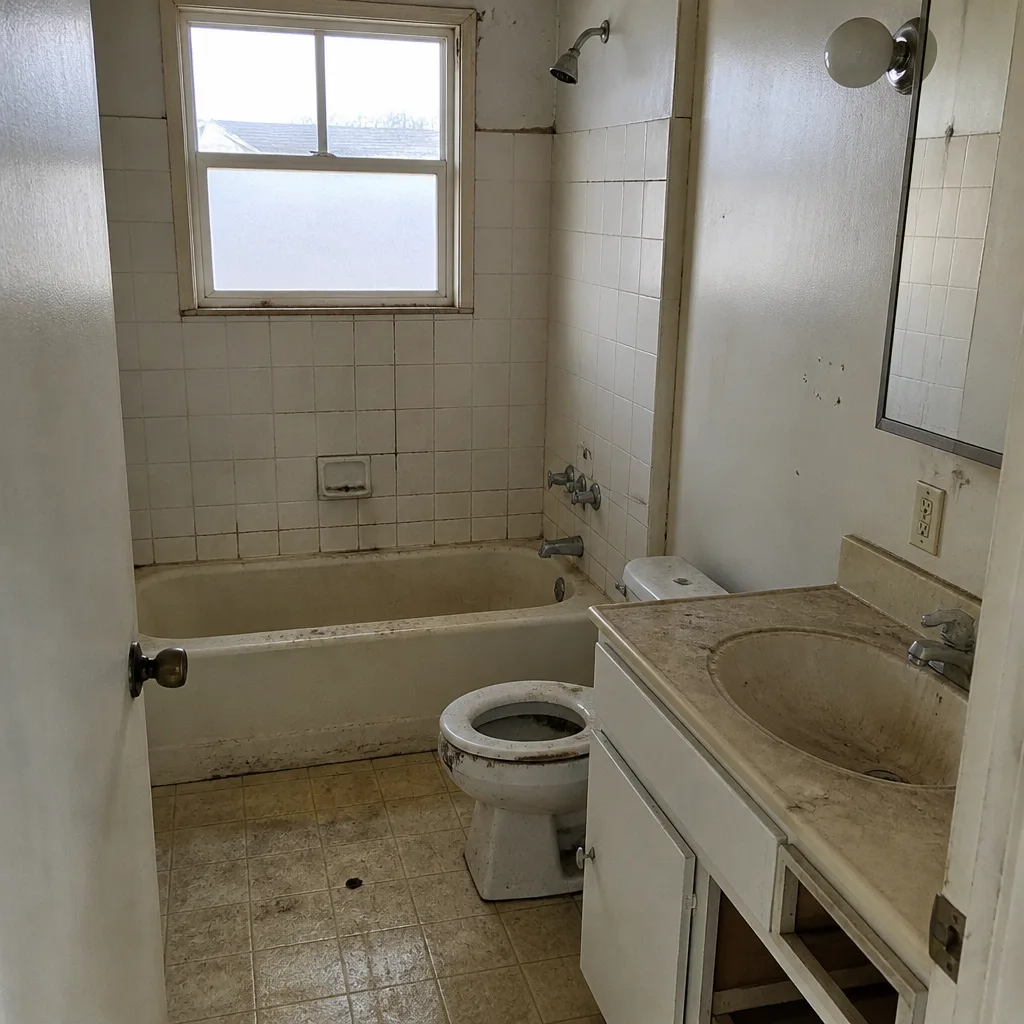 Before
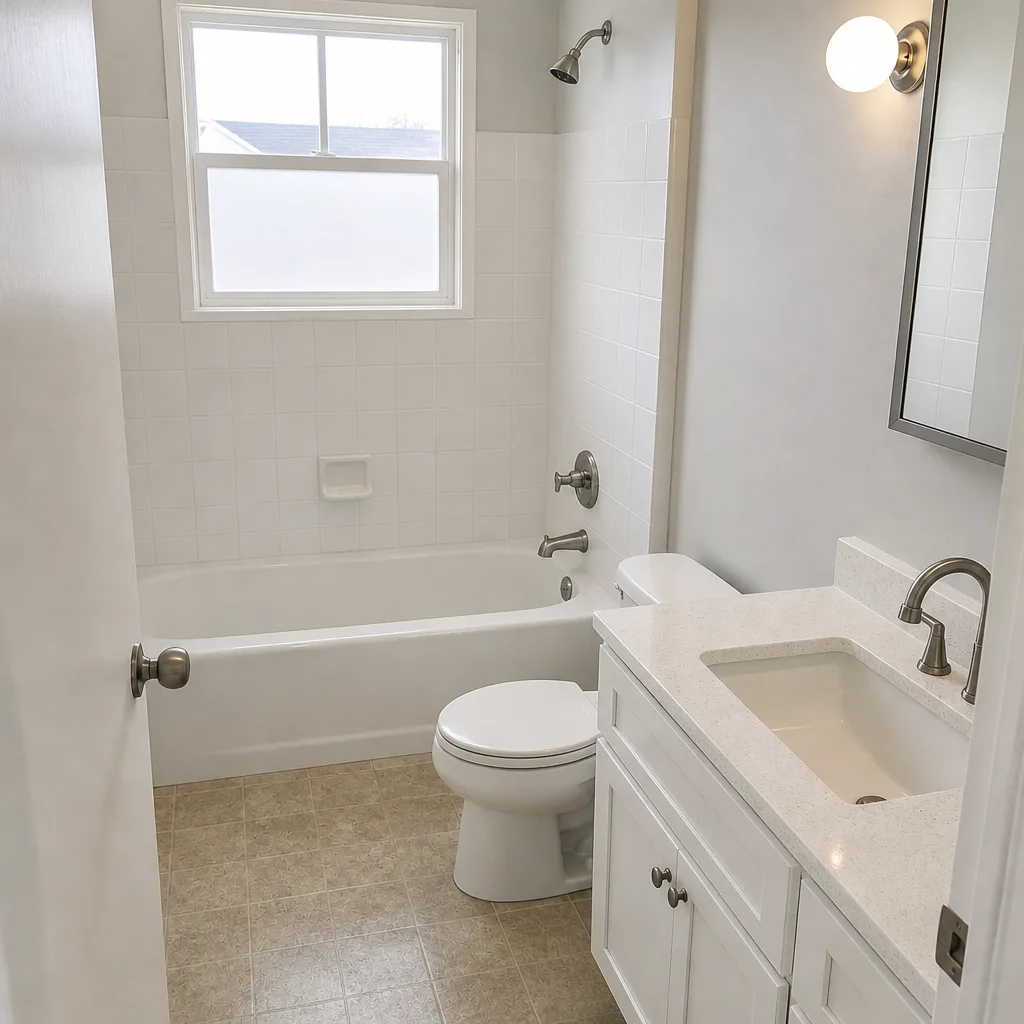 After
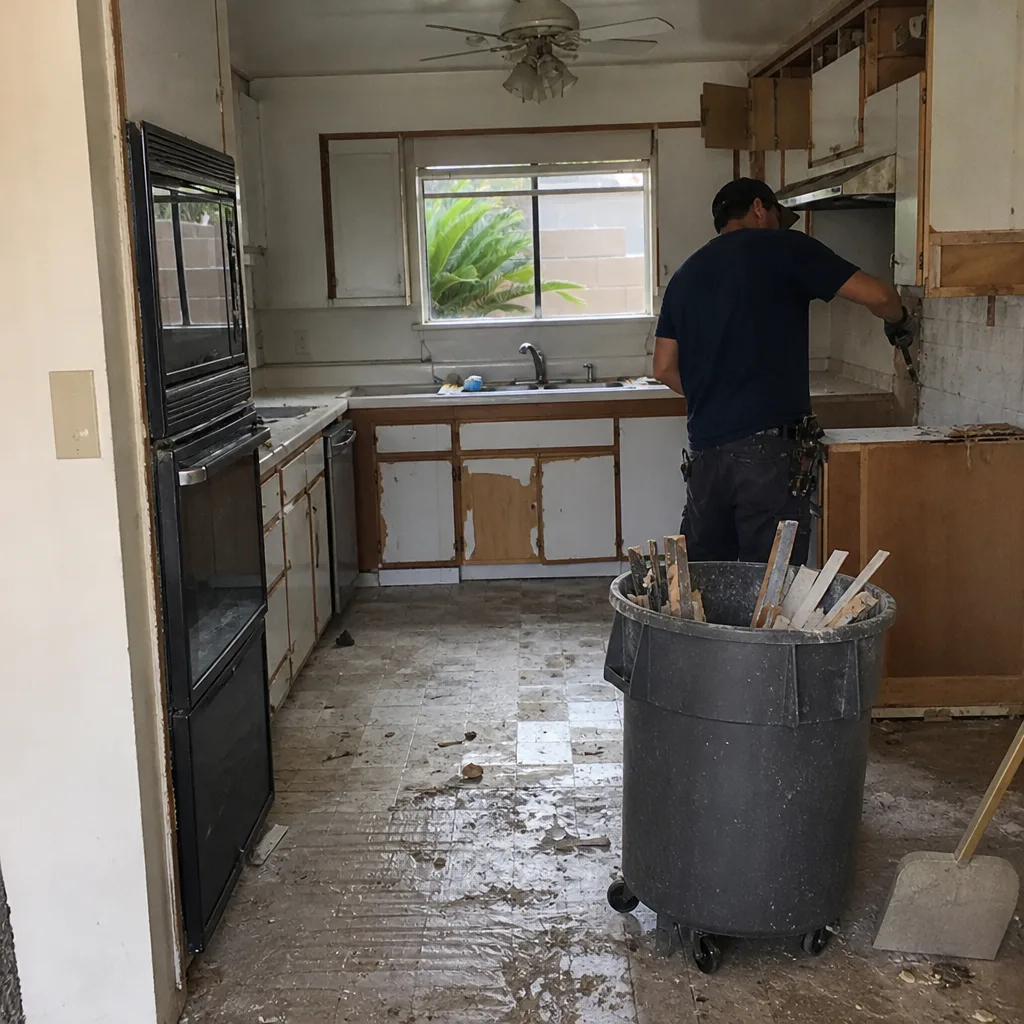 Before
 After
 Before
 After