
Free written scope consultation - allowances, timeline, and change-order rules on paper before a single trade is scheduled
CertainTeed Home Additions & ADU: The Huntington Beach Owner’s Guide
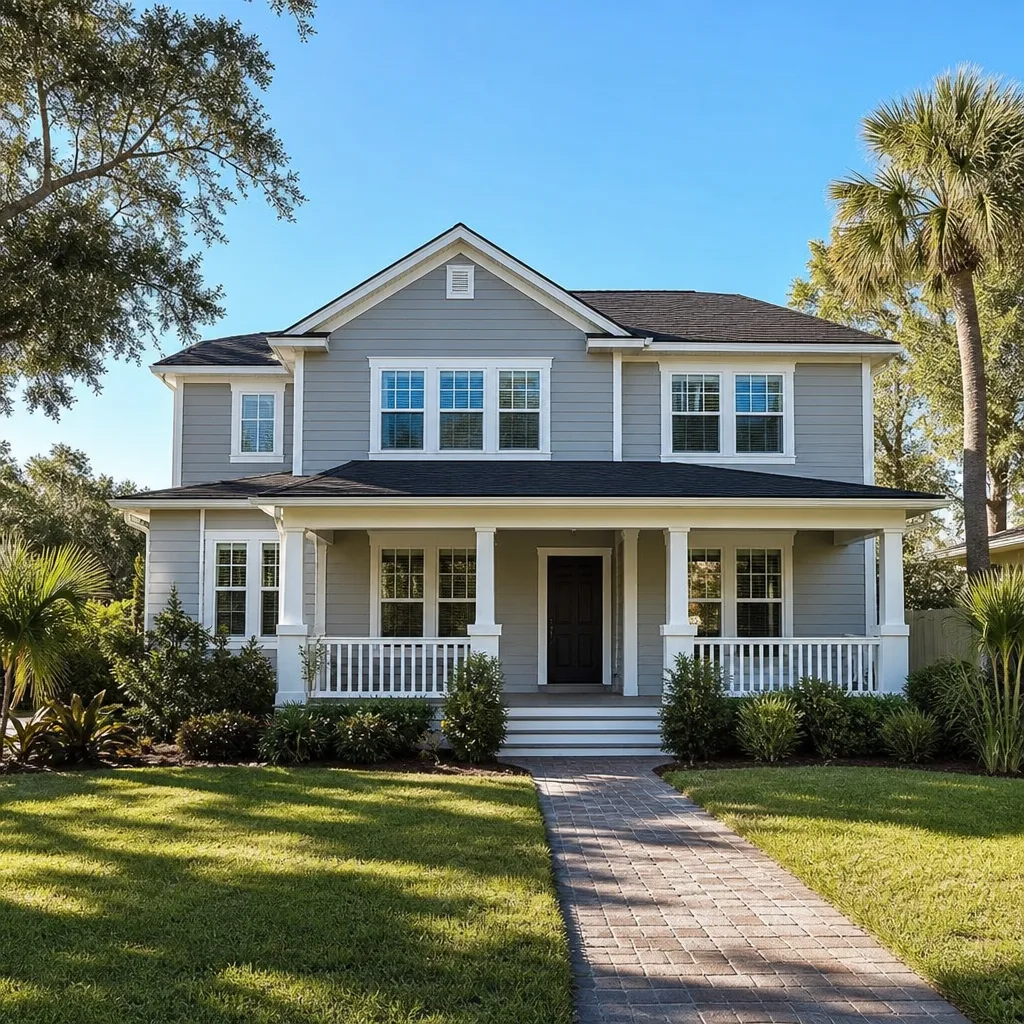
If you’re planning a CertainTeed-clad addition or ADU in Huntington Beach, expect an installed range of $45,000 – $130,000 for a home addition and $90,000 – $220,000 for a full ADU, with the final number driven by square footage, foundation work, and how much CertainTeed siding and roofing you’re specifying. We install CertainTeed-compatible additions and ADUs across Huntington Beach, and we put the price in writing before any work starts.
Owners usually land on this page after a specific discovery. They unwrap a bundle of CertainTeed siding and find the color doesn’t match the swatch, or they notice the existing CertainTeed lap siding on the house has started cupping along the south-facing wall where the addition will tie in. Sometimes it’s a roofer who says the CertainTeed shingles on the main house are fine but the underlayment at the tie-in point wasn’t installed to spec. That’s the moment the project stops being a drawing and becomes a parts-and-compatibility question.
Which CertainTeed Models This Applies To
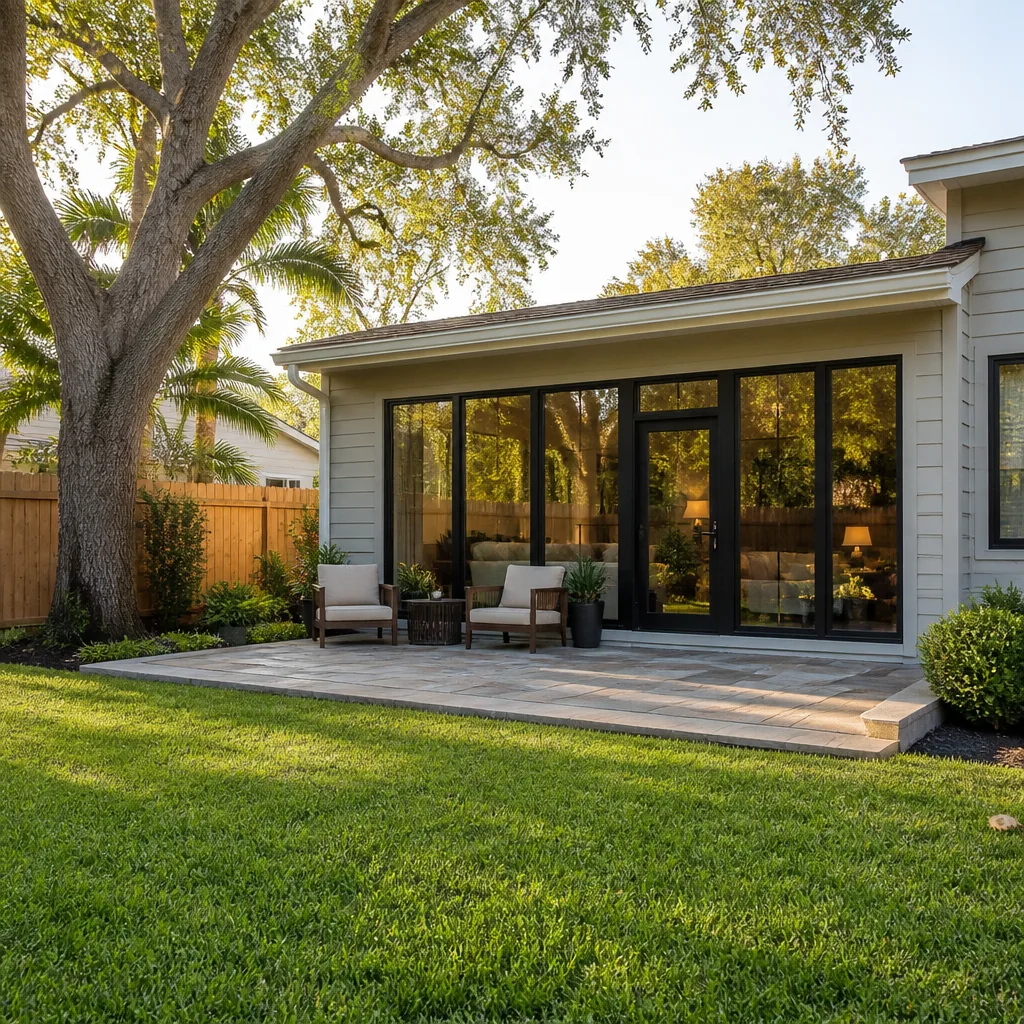
CertainTeed makes siding, roofing, and trim under several lines, and knowing which one you have matters before anyone quotes the addition. The main siding families you’ll encounter in Huntington Beach are CertainTeed Cedar Impressions (the molded cedar-shake look), Monogram (the standard double-4 and triple-3 lap), and Restoration Classic vinyl. The roofing side runs through Landmark and Highland Slate shingles. Each line has its own panel dimensions, exposure widths, and color codes, and the addition has to match what’s already on the house or the two walls will read as two different buildings.
To identify what you have, look for the print on the back of a loose panel or the edge of one you can see from a ladder. CertainTeed stamps the product line and color code there. For roofing, check the bundle wrapper or the inside of a vent stack for the line name. The OEM-versus-aftermarket decision runs differently with CertainTeed than with a mechanical part: CertainTeed’s own trim and starter pieces are made to fit their panels, and aftermarket equivalents often run a slightly different nailing-hem depth that shows up as a visible seam gap a year later. On the addition itself, we specify the CertainTeed line that matches your existing wall, not the cheapest panel that looks close.
Styles & brands we work with
- Kitchen remodeling
- Bathroom remodeling
- Home additions & ADU
- Roofing
- Windows & doors
- Driveway & pavers
- Fence
Signs Your CertainTeed Addition or ADU Siding and Roofing Is Failing
A failing CertainTeed envelope shows itself in patterns, not single defects. Here’s what we look for on Huntington Beach additions:
- Cupping or oil-canning along the sun-facing wall. That’s usually a nailing problem, not a product problem: panels nailed tight instead of left to move, so the panel buckles as it expands. It shows up on the south and west walls first.
- Color fading that doesn’t match the original swatch. CertainTeed vinyl siding is rated for UV exposure, but Huntington Beach’s marine layer reflects light differently than inland sun. Fading that outpaces the warranty usually traces back to a panel from a different production lot, not the line itself.
- Moisture staining at the addition tie-in. Water tracking down the joint between the original wall and the new CertainTeed wall means the flashing at the intersection wasn’t lapped correctly. This one causes rot inside the wall cavity if it’s left a season.
- Shingle edge lifting near the valley. CertainTeed shingles rely on a specific nail placement (above the exposure line, not through it). Nails set too low let the shingle lift at the edge, and that’s where a leak starts.
- Gaps opening at trim and corner posts. Foam or CertainTeed vinyl trim that pulls away from the corner post usually means the post was set without the expansion tolerances the line requires.
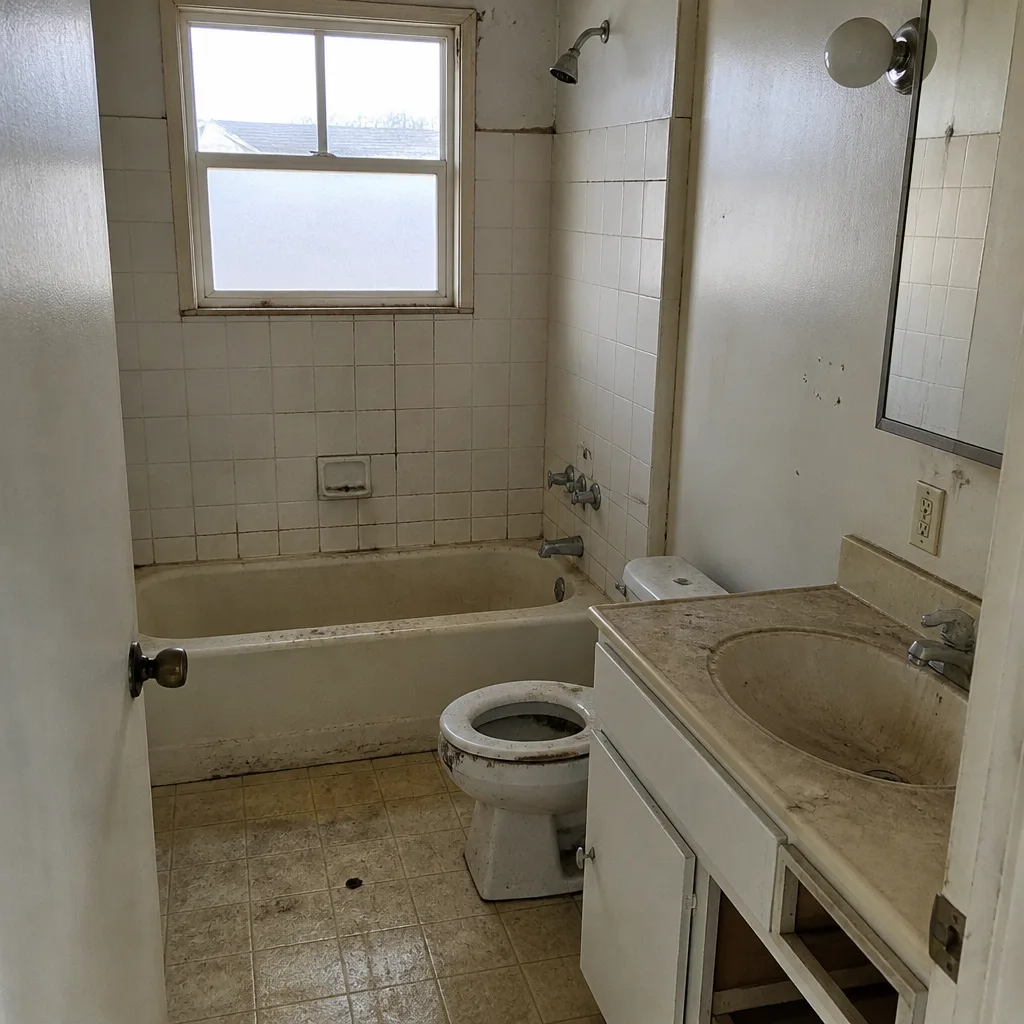
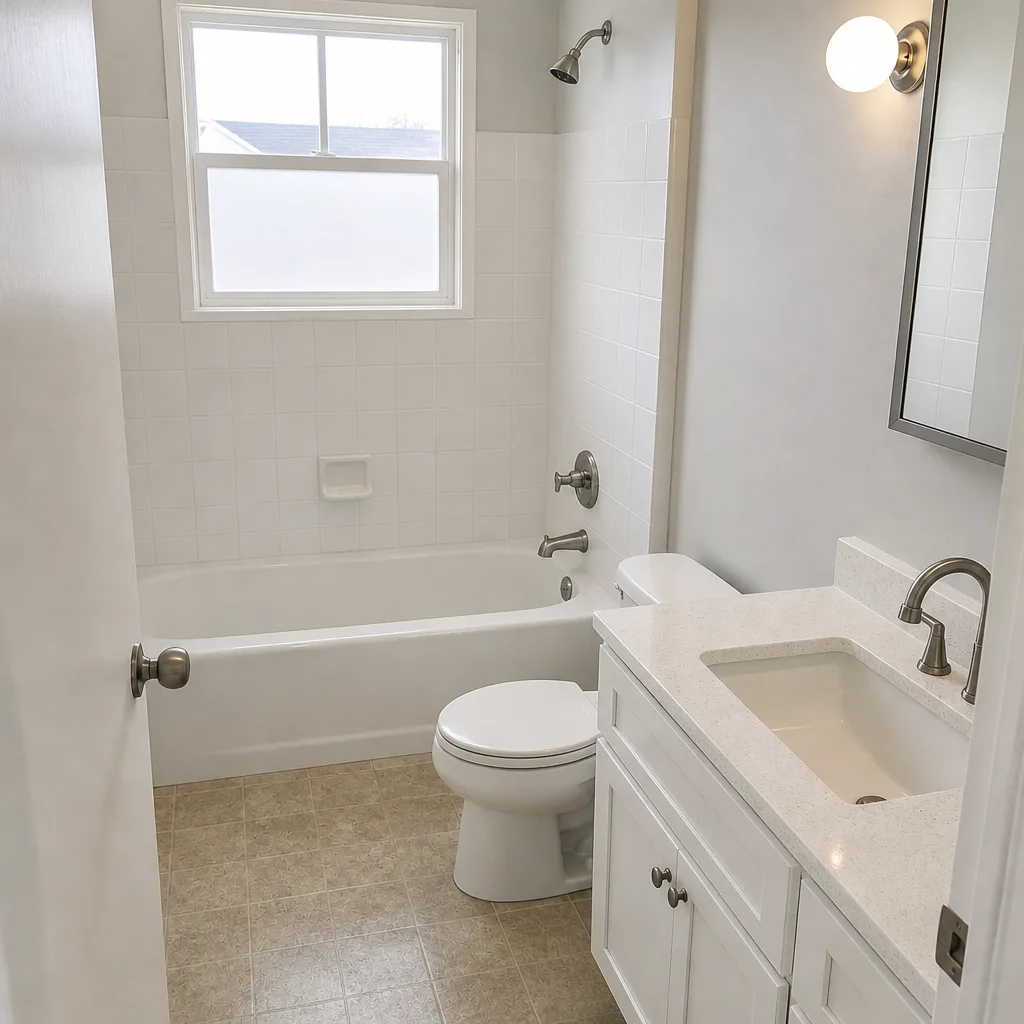
See the difference
 Before
 After
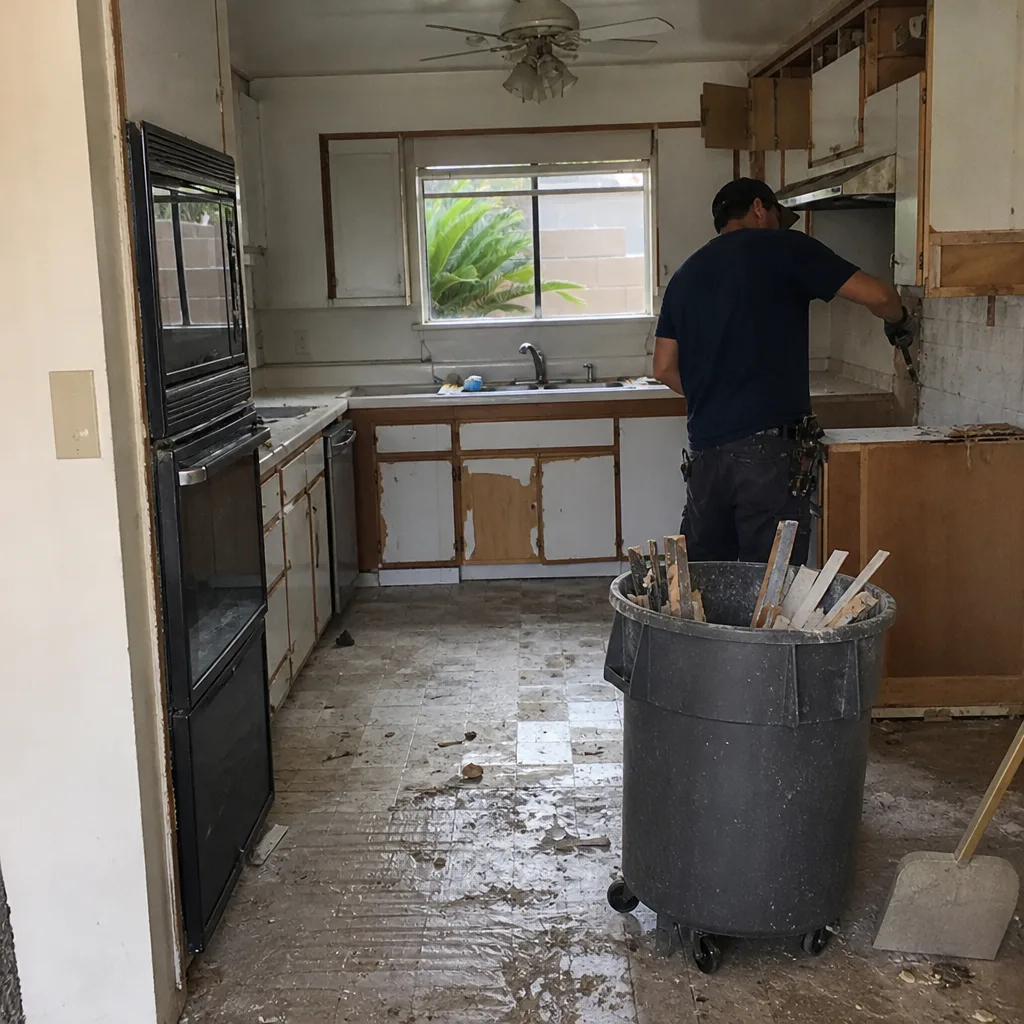 Before
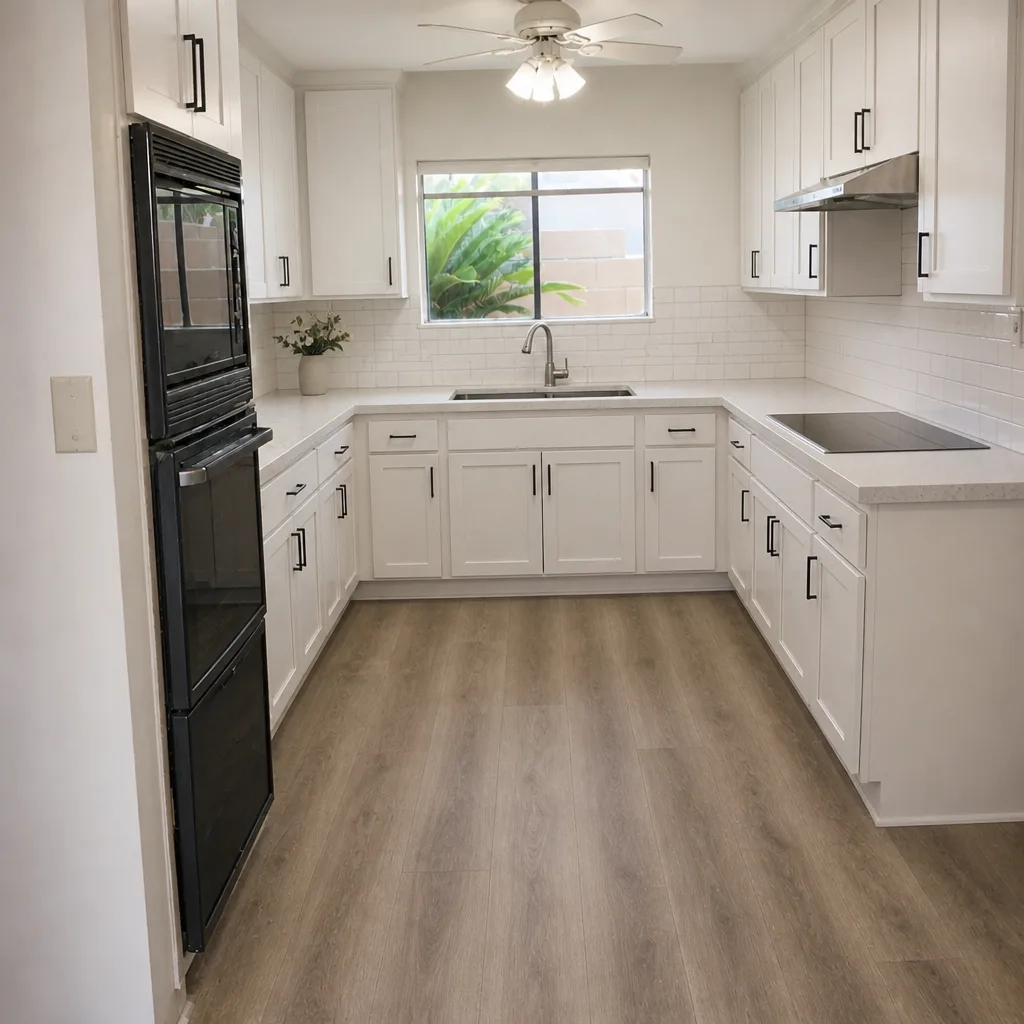 After
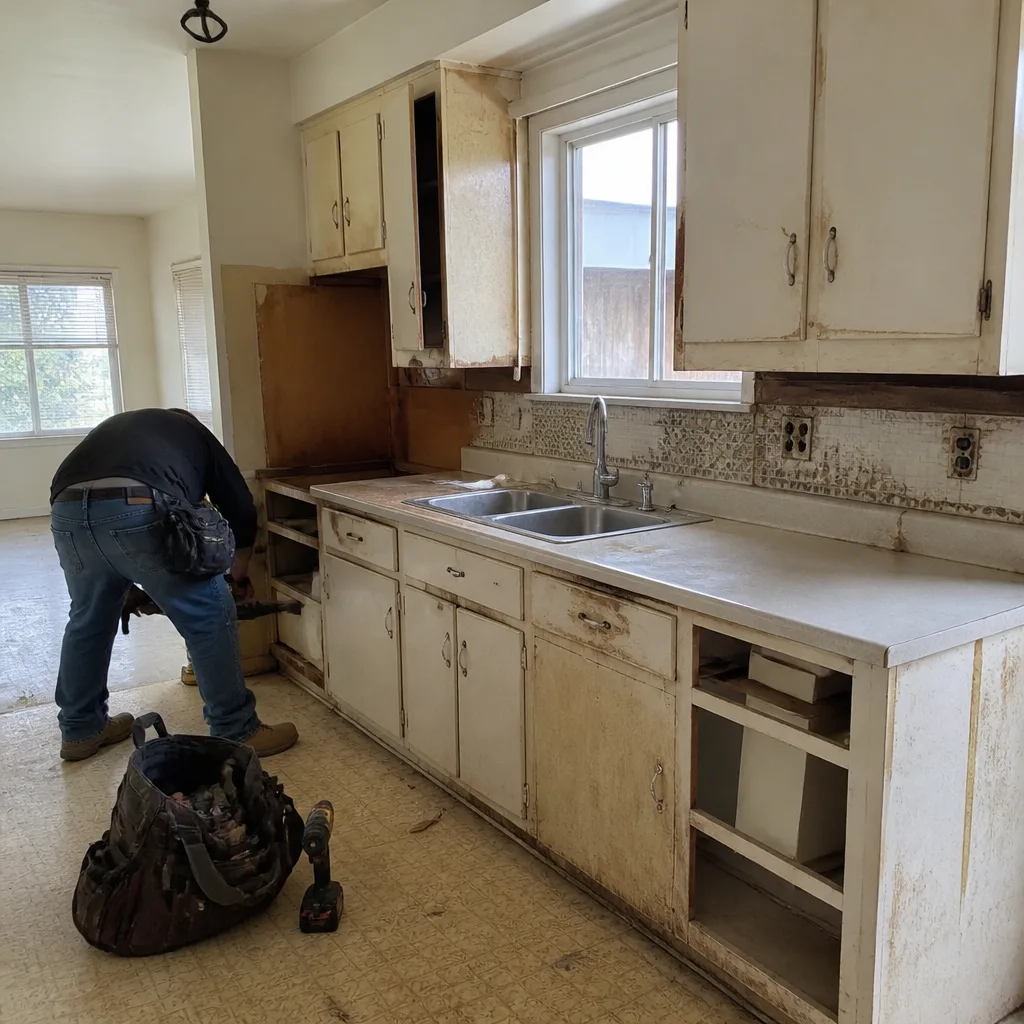 Before
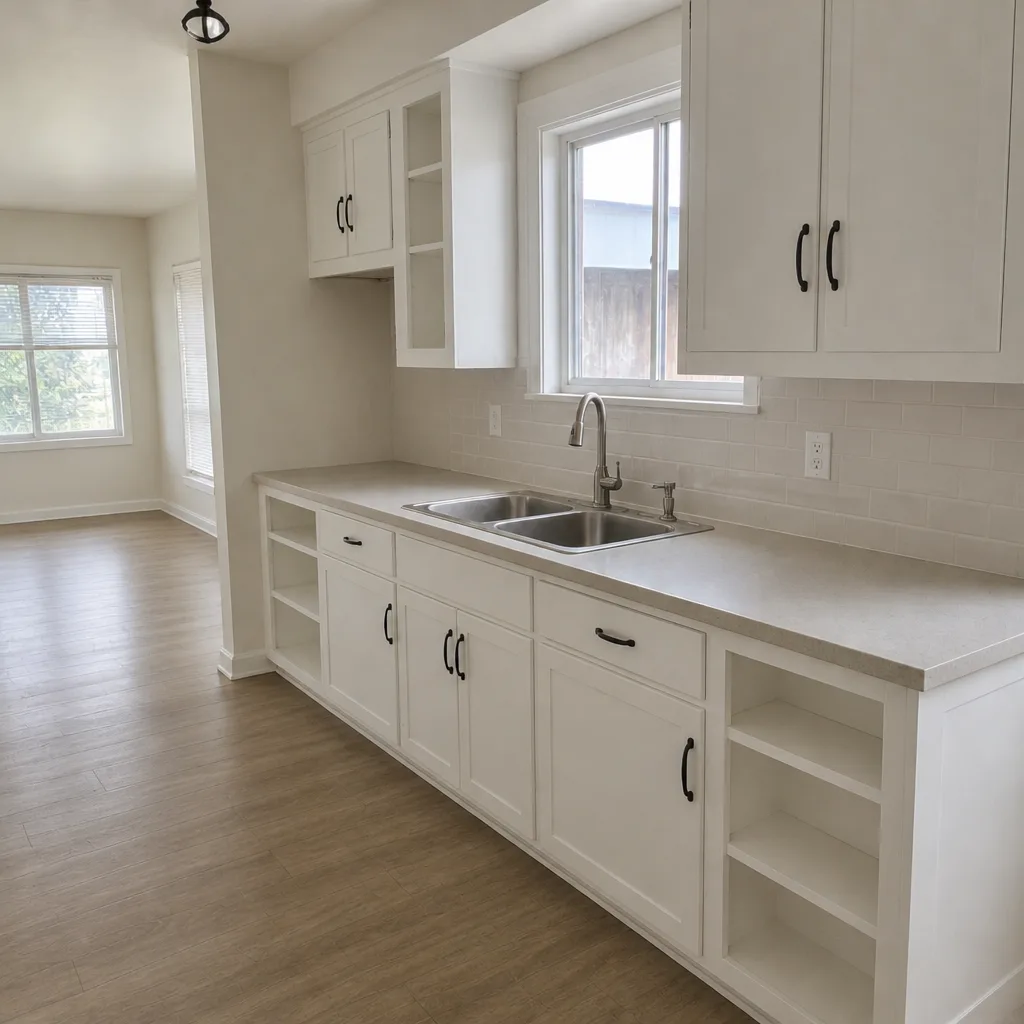 After
Replacement Cost & What’s Included
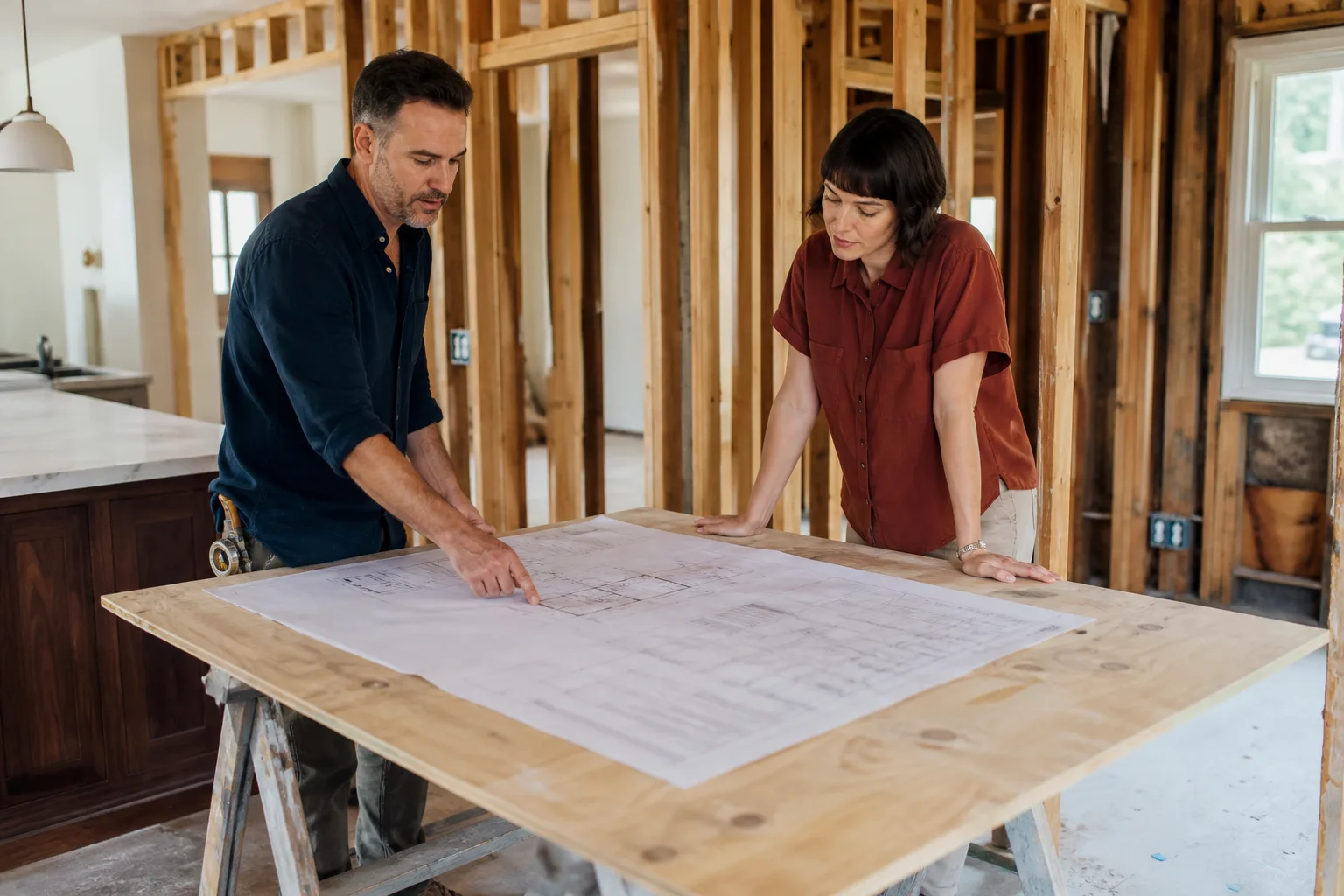
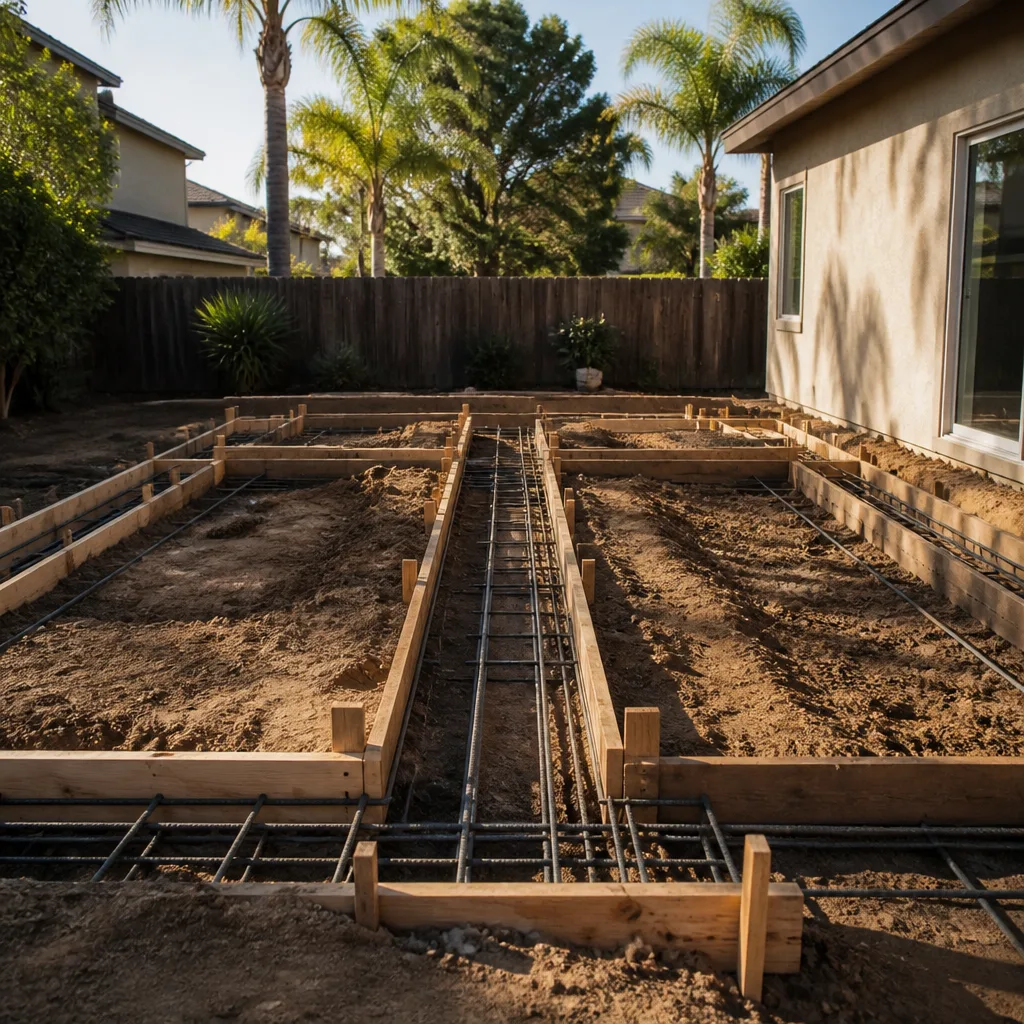
For a CertainTeed-clad home addition in Huntington Beach, the installed range runs $45,000 – $130,000. A full ADU runs $90,000 – $220,000. Those numbers include the CertainTeed siding and roofing specified to match your existing wall, the framing and foundation, the tie-in flashing, and the finish work. What drives the number up: square footage, whether the addition needs its own foundation pour, second-story work (which brings the height and safety cost), and the CertainTeed line you choose. A Cedar Impressions addition costs more than a Monogram one because the molded panels run higher per square.
We quote parts and labor as separate line items so you can see what the CertainTeed material costs against the installation. Our background-checked, uniformed technicians do the work, and the written price you get on day one is the number on the invoice. Every job comes with the 365-Day Done Right Promise in writing: if anything fails inside the year, we come back and fix it at no charge.
DIY or Call Us?
Some of this you can check safely. You can look at the back of a loose siding panel for the CertainTeed print, measure the exposure width of your existing lap, and photograph the tie-in joint where the addition meets the house. What you shouldn’t take on: any work above a first-story height, anything involving cutting into the existing wall to flash the tie-in, and anything on the roof. Roofline and second-story work are where DIY mistakes turn into a leak that runs for months before you see it. There’s no spring under tension here, but a badly flashed CertainTeed addition leaks into the wall cavity and that’s a repair that runs far past the cost of doing it right.
If what you’re seeing is a single panel or trim piece you want matched, or a color match question before you build, call us at (888) 329-8145. We’ll tell you what we see and what it would take to fix, and if the answer is “leave it alone,” we’ll say so.
FAQs
CertainTeed vinyl siding typically runs 20 to 30 years, and Landmark shingles typically run 25 to 30 years, though the marine air in Huntington Beach shortens those numbers on the ocean-facing wall where salt and moisture sit on the surface longer. The larger factor is installation: panels nailed to the right tolerances last their rated life, and panels nailed tight fail early. Call (888) 329-8145 if you want an honest read on what you have.
Often yes, if the failure is isolated to a few panels or a trim piece, and the color code is still in production. If the fading is from a discontinued lot or the cupping covers more than a wall section, matching the panels is impractical and replacement is the cheaper road. We’ll tell you which situation you’re in before you spend anything.
A home addition typically takes 3 to 5 months from permits to final inspection, and a full ADU runs 6 to 10 months, with the CertainTeed siding and roofing going on in the final third of the schedule. Permits and city inspection timing in Huntington Beach drive more of that calendar than the install itself. Call us at (888) 329-8145 for a written schedule with your estimate.
We order through the same supply channels your existing line came from and confirm the color code against your original wall before the panels ship. If a line has been discontinued, we’ll show you the closest current CertainTeed match and let you decide. We don’t stock CertainTeed parts locally, so lead time matters and we build it into the schedule.
Penhallow Remodeling Huntington Beach is an independent service provider, not affiliated with CertainTeed. We also work with KraftMaid, Cambria, and Silestone when a project calls for them.
Call (888) 329-8145 for a free estimate.
Written by the team at Penhallow Remodeling Huntington Beach, serving Huntington Beach and nearby areas.