Last updated November 17, 2026
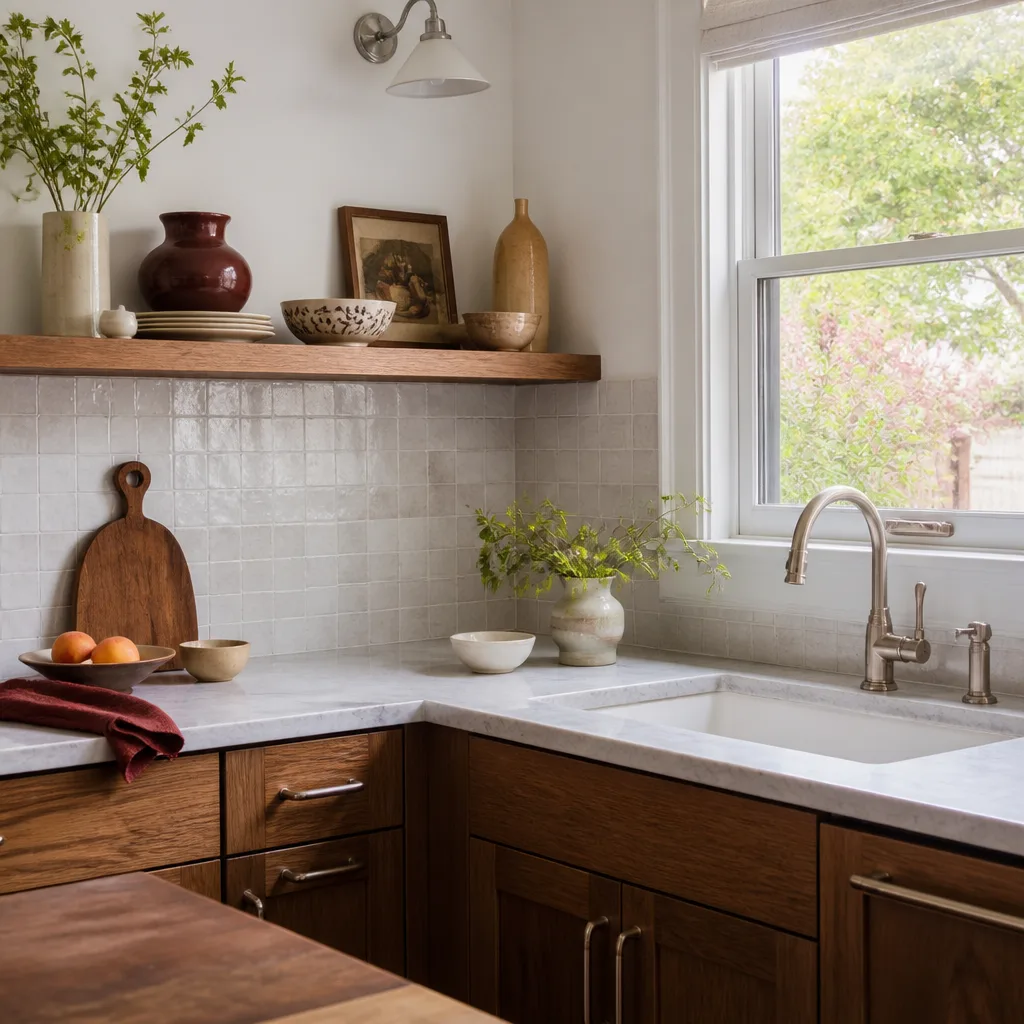
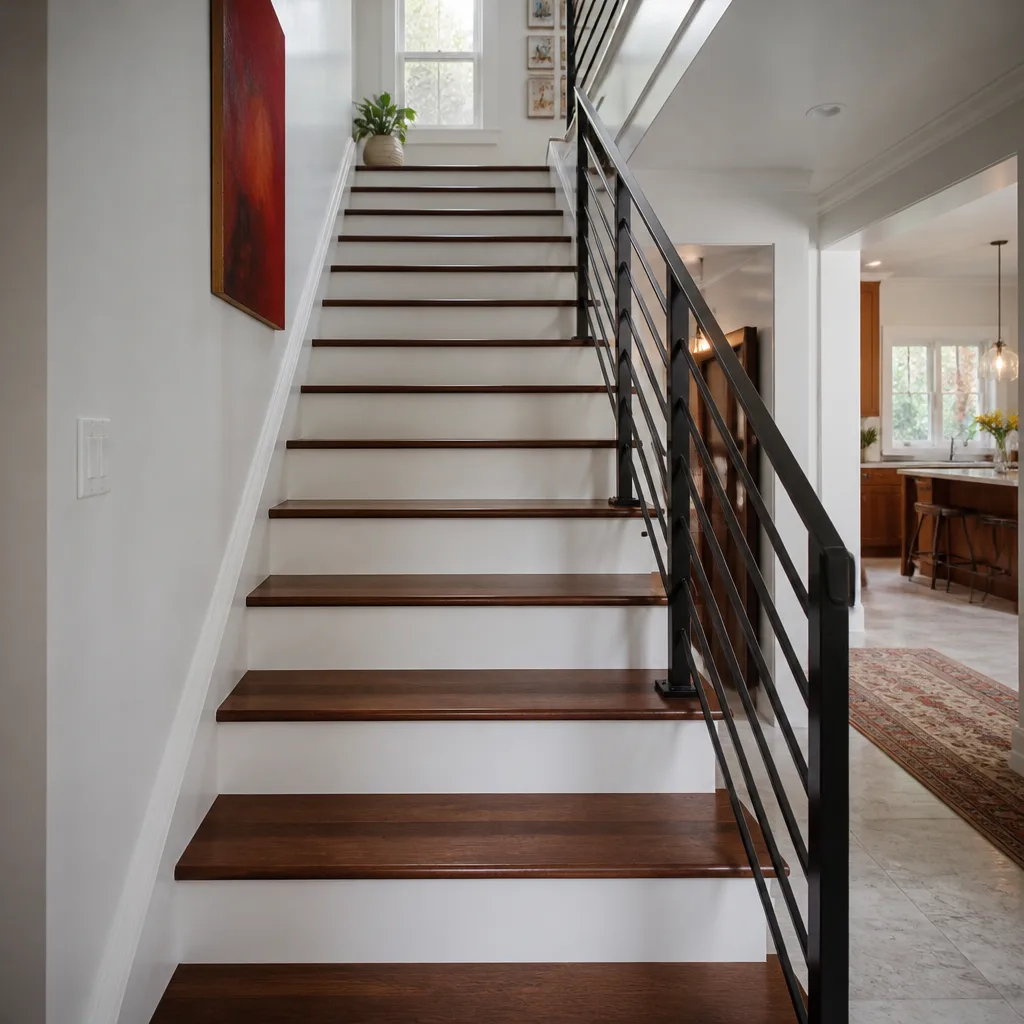
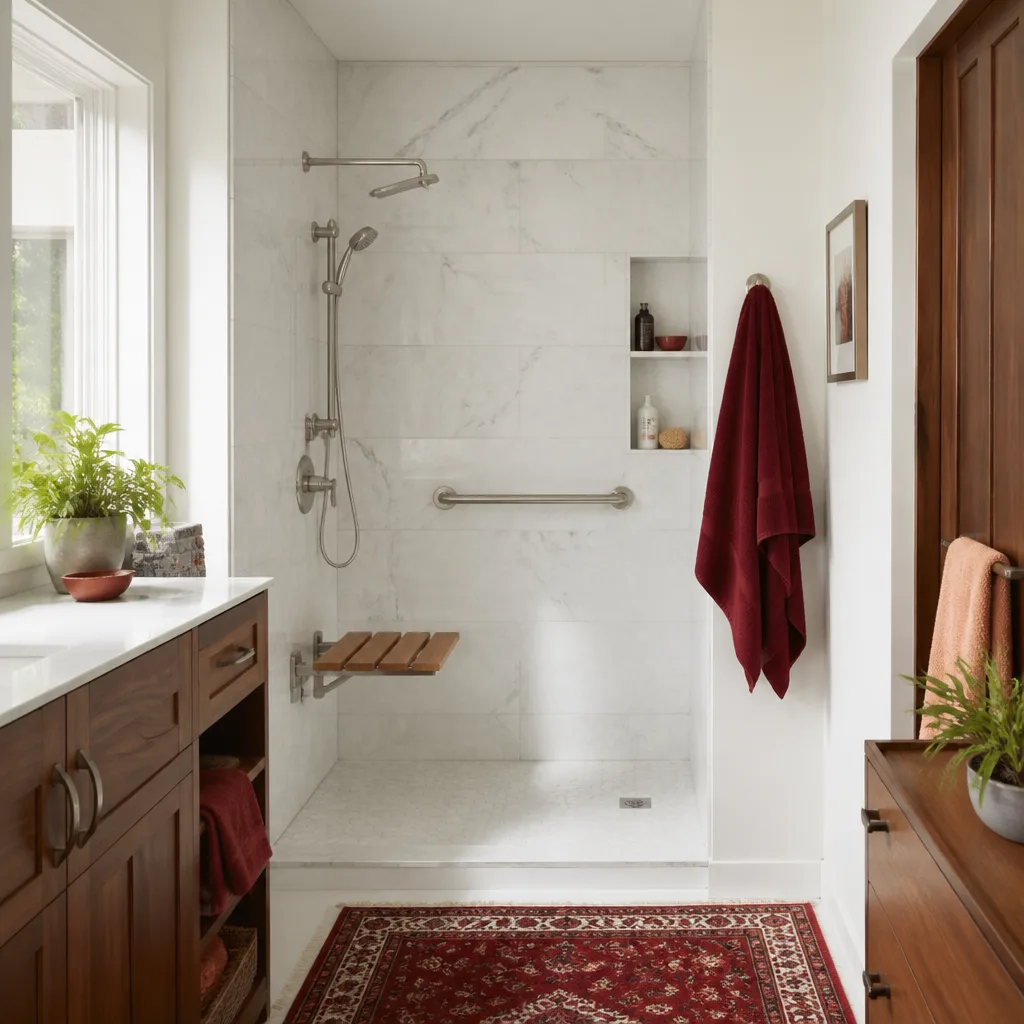
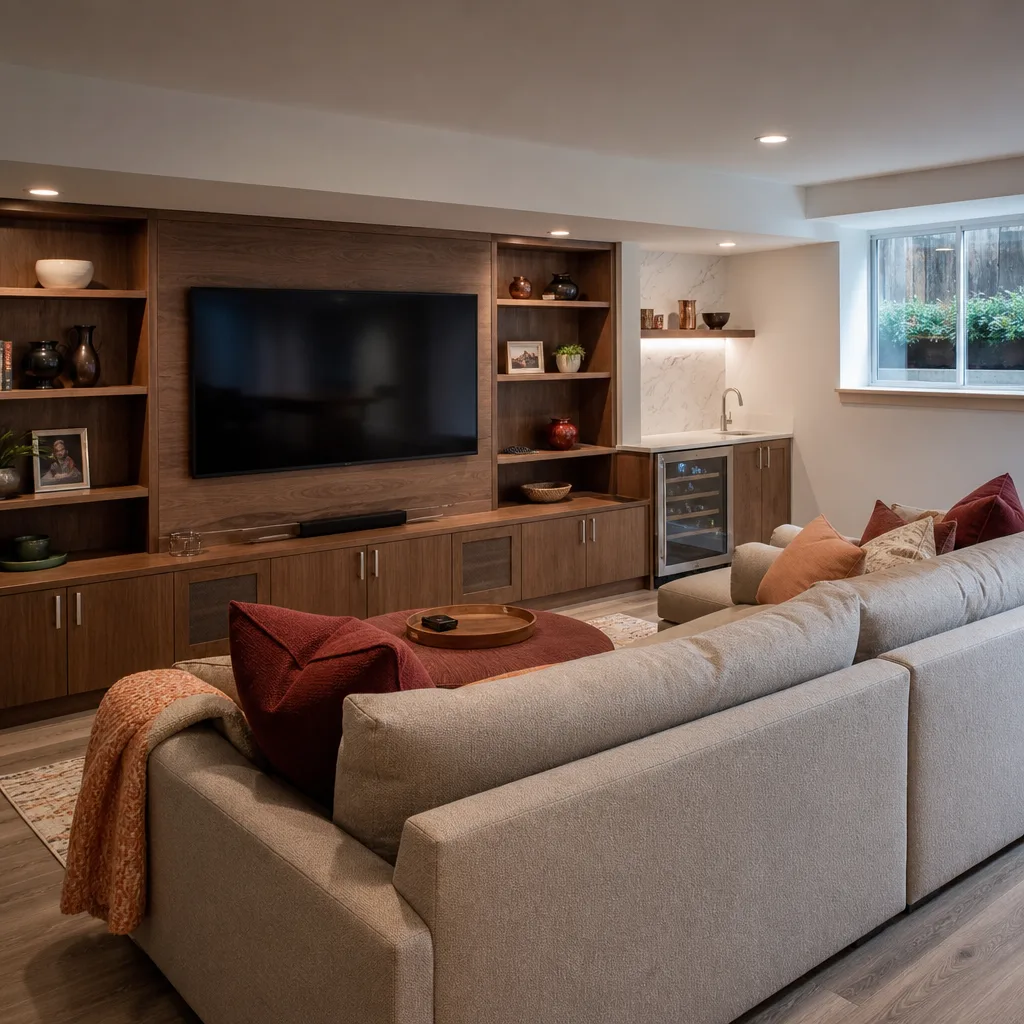
Free written scope consultation - allowances, timeline, and change-order rules on paper before a single trade is scheduled
The Complete Kitchen Remodeling Guide for Huntington Beach Homeowners
Most kitchen remodeling guides are written for a generic American suburb. Huntington Beach isn’t one. The ocean sits a few miles from most of this city, and that single fact reshapes almost every decision you’ll make: the cabinet box you buy, the countertop edge you choose, the paint you put on the walls, and even whether your permit triggers an inspection. In our experience, a kitchen here takes a different sequence of decisions than the same budget in Anaheim or Irvine. This guide walks through the ones that actually matter, from HB permit basics and coastal humidity to real local costs and which upgrades hold their value near the beach.
Quick Answer
A Huntington Beach kitchen remodel typically runs $22,000 to $75,000 for a mid-range project, with cosmetic refreshes near $12,000 – $28,000 and full gut renovations with layout changes reaching $90,000 and up. Plan on 4 – 6 weeks for a cosmetic job and 10 – 16 weeks for a full remodel with permits. Cabinets, countertops and labor drive most of the number, and coastal humidity should push you toward plywood cabinet boxes over MDF before anything else.
Styles & brands we work with
- Kitchen remodeling
- Bathroom remodeling
- Home additions & ADU
- Roofing
- Windows & doors
- Driveway & pavers
- Fence
Table of Contents
- Huntington Beach Kitchen Permit Requirements: What Triggers What
- Why Coastal Humidity Changes Your Cabinet and Material Choices
- What a Huntington Beach Kitchen Remodel Actually Costs by Tier
- The Written-Price-First Process, Step by Step
- Which Upgrades Move the Needle in a Coastal ZIP Code
- When to Change the Layout and When Not To
- A Realistic Timeline for a Huntington Beach Remodel
Huntington Beach Kitchen Permit Requirements: What Triggers What
In Huntington Beach, a kitchen project can be “cosmetic only” or “permitted work,” and the line between the two isn’t always obvious. Painting cabinets, swapping a faucet, or replacing a countertop over existing cabinets usually needs nothing. Moving a sink, adding a circuit, or changing a wall almost always does. Getting this right up front prevents the worst-case scenario: a contractor who starts work without a permit and leaves you to fix it later.
Here’s the general breakdown of what triggers a permit in this city:
- Electrical: New circuits, relocated outlets, or added recessed lighting require a permit and inspection. Replacing an existing light fixture in the same location typically doesn’t.
- Plumbing: Moving a sink, dishwasher or ice maker line needs a permit. Replacing a faucet or garbage disposal in place usually doesn’t.
- Gas: Adding a gas line for a new range or relocating an existing one requires a permit and a pressure test.
- Walls: Removing any wall requires verification of whether it’s load-bearing. That may mean engineering review before a permit can even be issued.
- Panel upgrades: If your kitchen requires more amperage than your existing panel can support, a panel upgrade is triggered. That’s a separate permit and inspection, and it’s the single most common surprise in older Huntington Beach homes built in the 1960s and 1970s.
“Over the counter” permits, where a simple project is approved on the spot, cover small in-kind replacements. They do not cover structural, gas, or panel work. When in doubt, the safe answer is to ask the city before lifting a hammer. A good general contractor in Huntington Beach will pull the permits and walk you through what each one covers, so nothing gets done twice.
Why Coastal Humidity Changes Your Cabinet and Material Choices
Huntington Beach sits close enough to the ocean that relative humidity here routinely runs 10 to 20 percentage points higher than inland cities like Anaheim or Irvine. That gap sounds small. It isn’t, especially over ten summers. Interior doors, cabinet boxes, and drywall all absorb and release moisture seasonally, and materials that hold up fine in Riverside can fail early here. The most common failure we see is MDF cabinet boxes swelling along the toe kick and around the sink base within a few years of installation.
The practical difference:
- MDF cabinet boxes: Cheaper by roughly 10 – 20% up front, but they don’t tolerate moisture well. Once MDF absorbs water, it doesn’t dry back to its original shape.
- Plywood cabinet boxes: Higher cost, but plywood is dimensionally stable across humidity swings and holds fasteners better after years of use. In coastal ZIP codes it’s the right call.
- Solid wood doors: Excellent, but choose a species with stable movement under humidity (maple, rift-sawn oak) over a species that expands and contracts noticeably.
- Countertops: Cambria quartz, Silestone, and Caesarstone are all engineered to be non-porous. Granite, by contrast, needs periodic resealing, and it’s less forgiving of the humidity swings common in this city.
The price gap between MDF and plywood is smaller than the longevity gap. Paying an extra $1,200 – $2,500 on the cabinet box for a $35,000 kitchen buys you five to ten more years of useful life. That math favors plywood almost every time in Huntington Beach.
What a Huntington Beach Kitchen Remodel Actually Costs by Tier
National averages don’t reflect this market. Huntington Beach labor costs run higher than inland cities, and coastal material choices add to the number. Here’s how a kitchen remodel breaks down at three realistic tiers in this city:
| Project Tier | Typical Cost Range | What’s Included |
|---|---|---|
| Cosmetic refresh | $12,000 – $28,000 | Cabinet refacing or painting, new countertop, backsplash, sink and faucet, paint |
| Mid-range structural update | $35,000 – $75,000 | New cabinets (plywood box), quartz countertops, appliance swap, lighting update, some electrical and plumbing |
| Full gut with layout change | $75,000 – $120,000+ | Moved walls, relocated sink and range, panel upgrade, new flooring, full cabinetry, new plumbing and electrical throughout, permitted |
What drives the number up fastest isn’t the cabinetry or countertop (though a KraftMaid or Wellborn line vs. a builder-grade cabinet easily accounts for a $10,000 swing). It’s the “while we’re in there” work. A panel upgrade runs $2,500 – $4,500. Relocating a sink or gas line adds $1,500 – $3,500. Removing a wall adds $4,000 – $12,000 once engineering and finish repair are factored in. Every one of those is real value, but each one should appear in writing before the first tool comes out of the truck.
The Written-Price-First Process, Step by Step
Here’s what should happen before a contractor ever starts a Huntington Beach kitchen. This is the process we follow on every project. If a company you’re considering can’t walk you through the same steps, that’s worth noting.
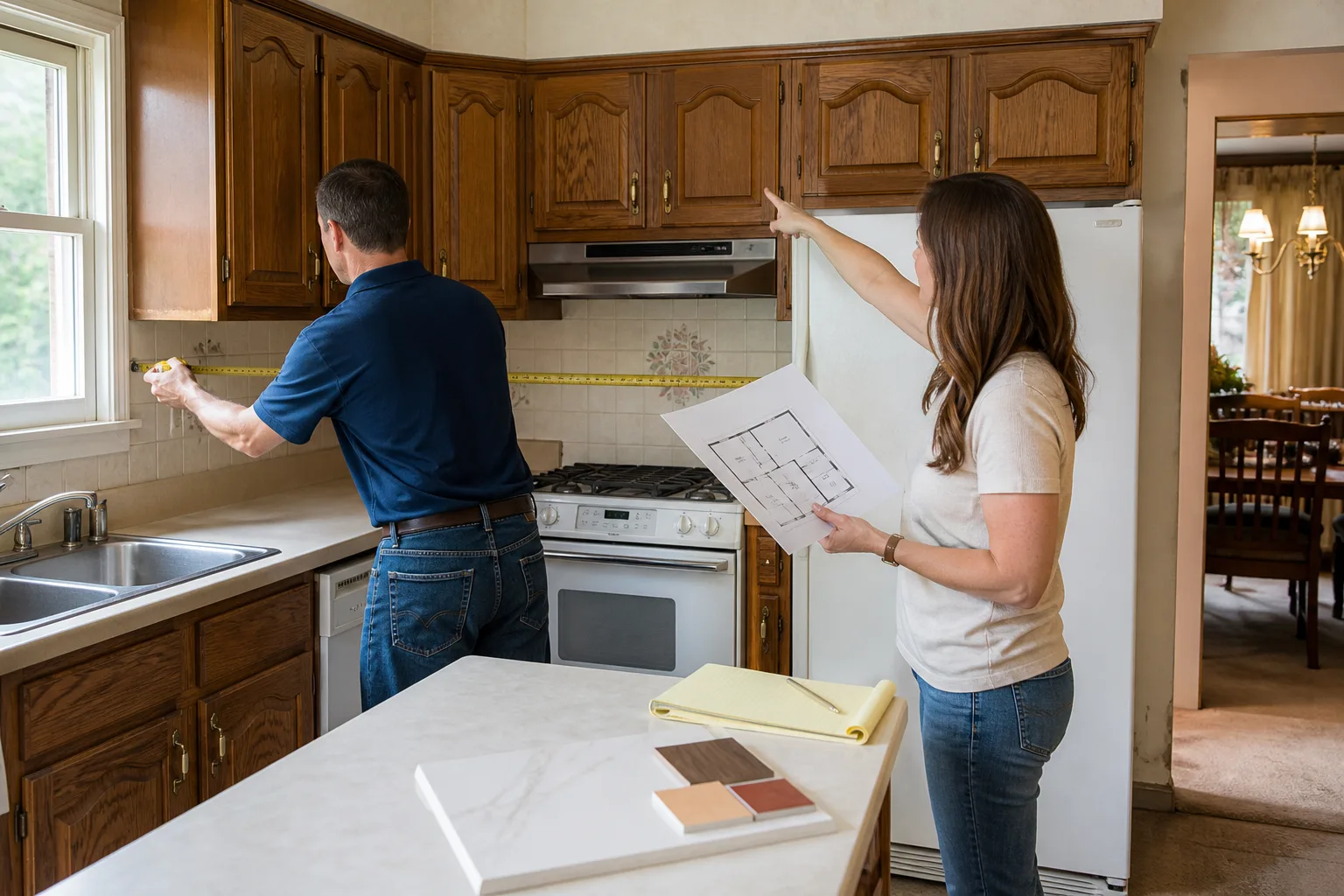
- Site visit and scope conversation. We walk the kitchen with you, measure, and note the existing electrical panel amperage, plumbing locations and cabinet box construction. No price is stated at this visit.
- Written scope of work. Every line item is listed by trade with the material brand and model called out (e.g., “KraftMaid Thornton door, maple, painted Sherwin-Williams Snowbound”). The document shows what’s included and what’s explicitly excluded.
- Written price. One number. Not a range, not a ballpark. The written number on day one is the number on the invoice, unless you sign off on a change order in writing.
- Guarantee in writing. Every Penhallow project carries the 365-Day Done Right Promise. If the work fails inside that window, we come back and fix it at no charge. A free return visit if a repair fails is written into the agreement.
- Permits pulled. We pull the permits the city requires and walk through every inspection. The permit is in your name, and the inspection record is public. That’s how you know the work was done to code.
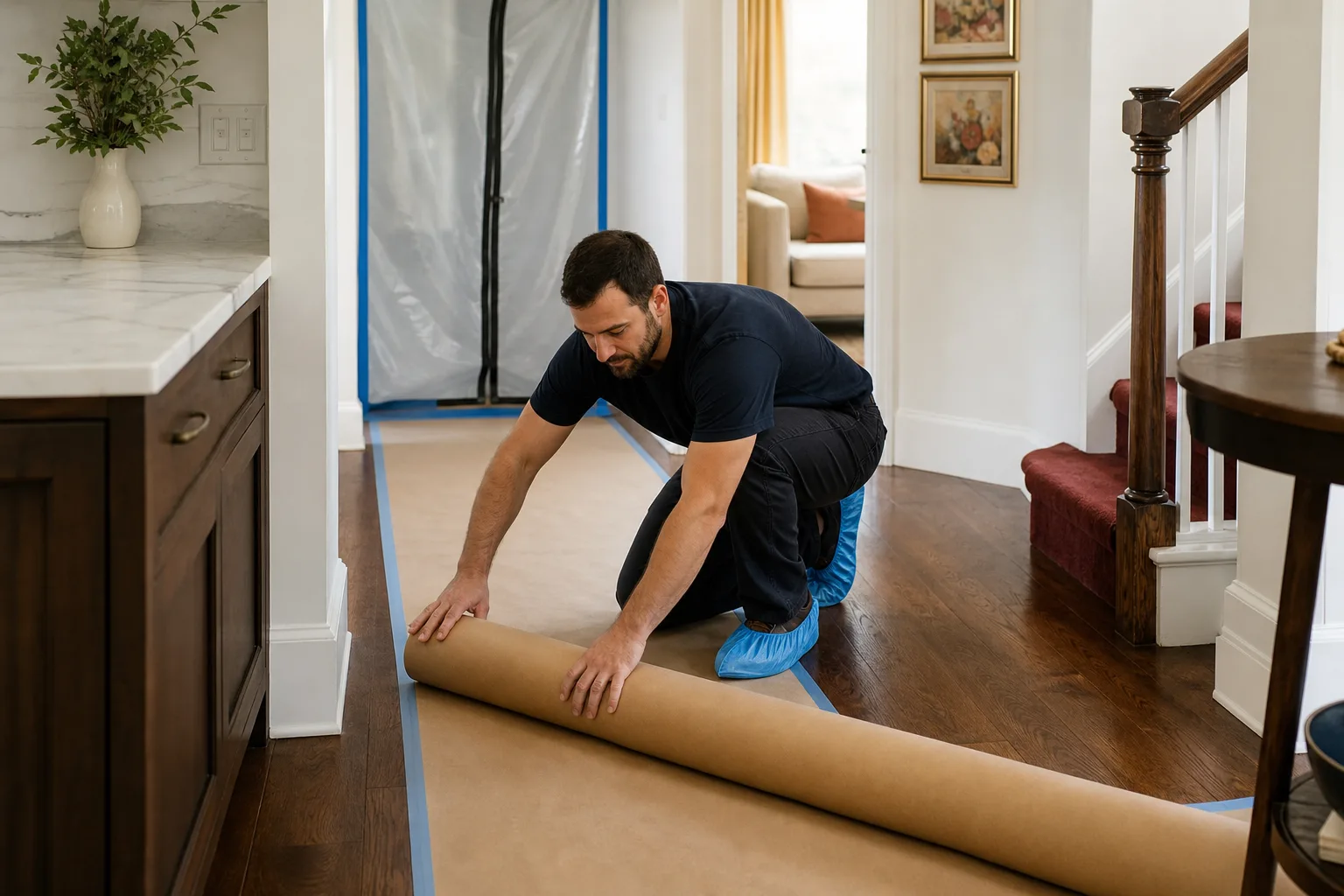
- Arrival window and clean job site. A defined window for every crew day, background-checked uniformed technicians, and the site cleaned at the end of each workday. It’s The Kingswell Way: say the price before the work, show up in the window we gave, leave the place cleaner than we found it.
Any contractor who gives you a verbal estimate and says “we’ll figure out the exact price once we see what’s behind the wall” is asking you to trust a number that doesn’t exist yet. That’s the exact setup where prices balloon after demo day. When you’re ready to get a written number for your kitchen, our Kitchen Remodeling in Huntington Beach page has the next-step details.
Which Upgrades Move the Needle in a Coastal ZIP Code
Huntington Beach buyers are not identical to inland buyers. The ocean proximity, the outdoor lifestyle, and the specific street-to-beach distance all shape what they’ll pay a premium for. Here’s what we’ve seen actually return value in this market, and what usually doesn’t.
- Windows and light: Buyers here pay for natural light and an indoor-outdoor feel. A pass-through window, a set of French doors to the patio, or upgraded windows on the ocean-facing wall generally returns value.
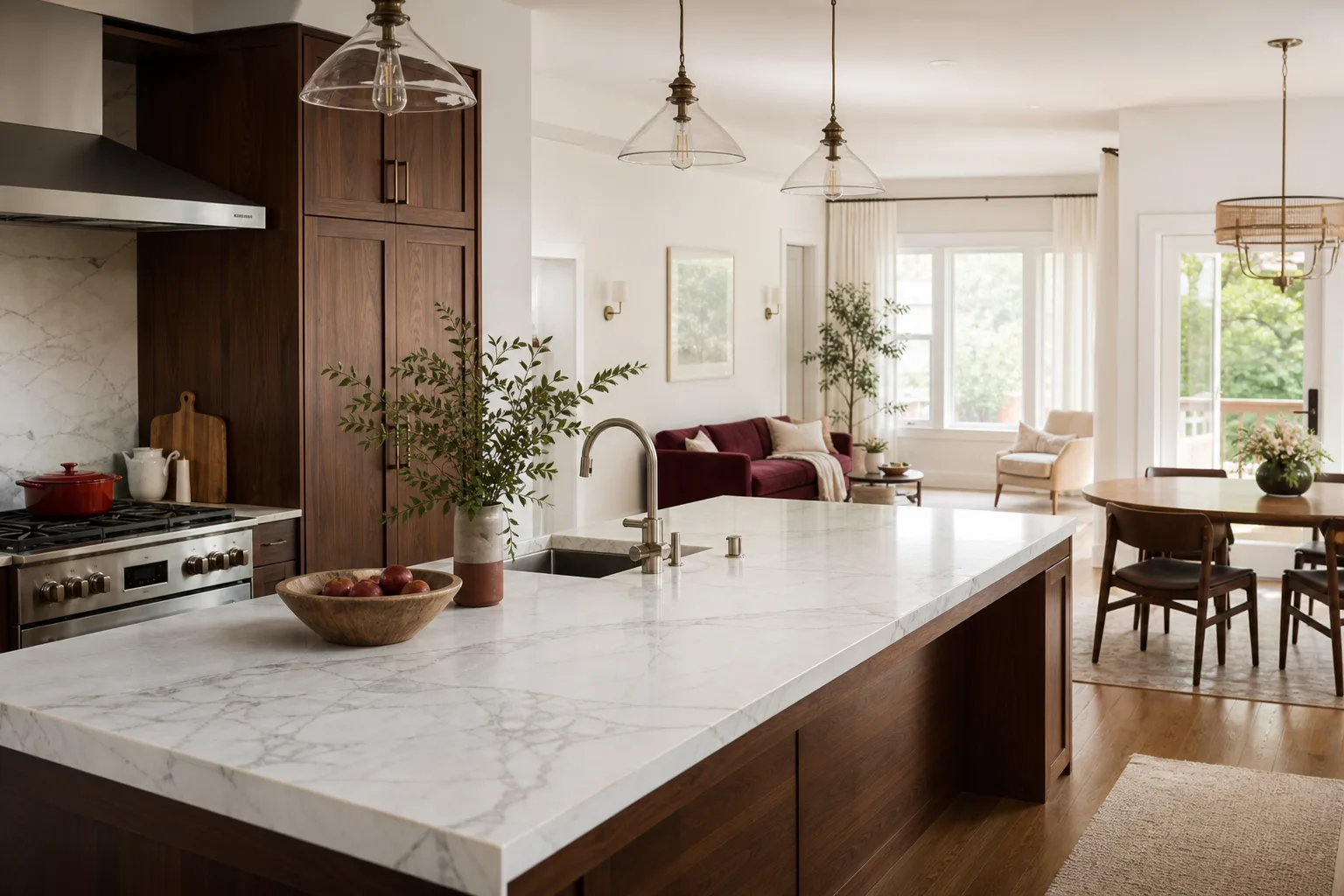
- Moisture-resistant materials: Buyers who’ve lived in coastal homes know what MDF swelling looks like. Plywood box cabinets and non-porous quartz counters (Cambria, Silestone, Caesarstone) read as “done right,” not “builder-grade.”
- Panel and electrical updates: A 1960s home with the original panel is a negotiating point. A home with a documented panel upgrade and permitted kitchen electrical isn’t.
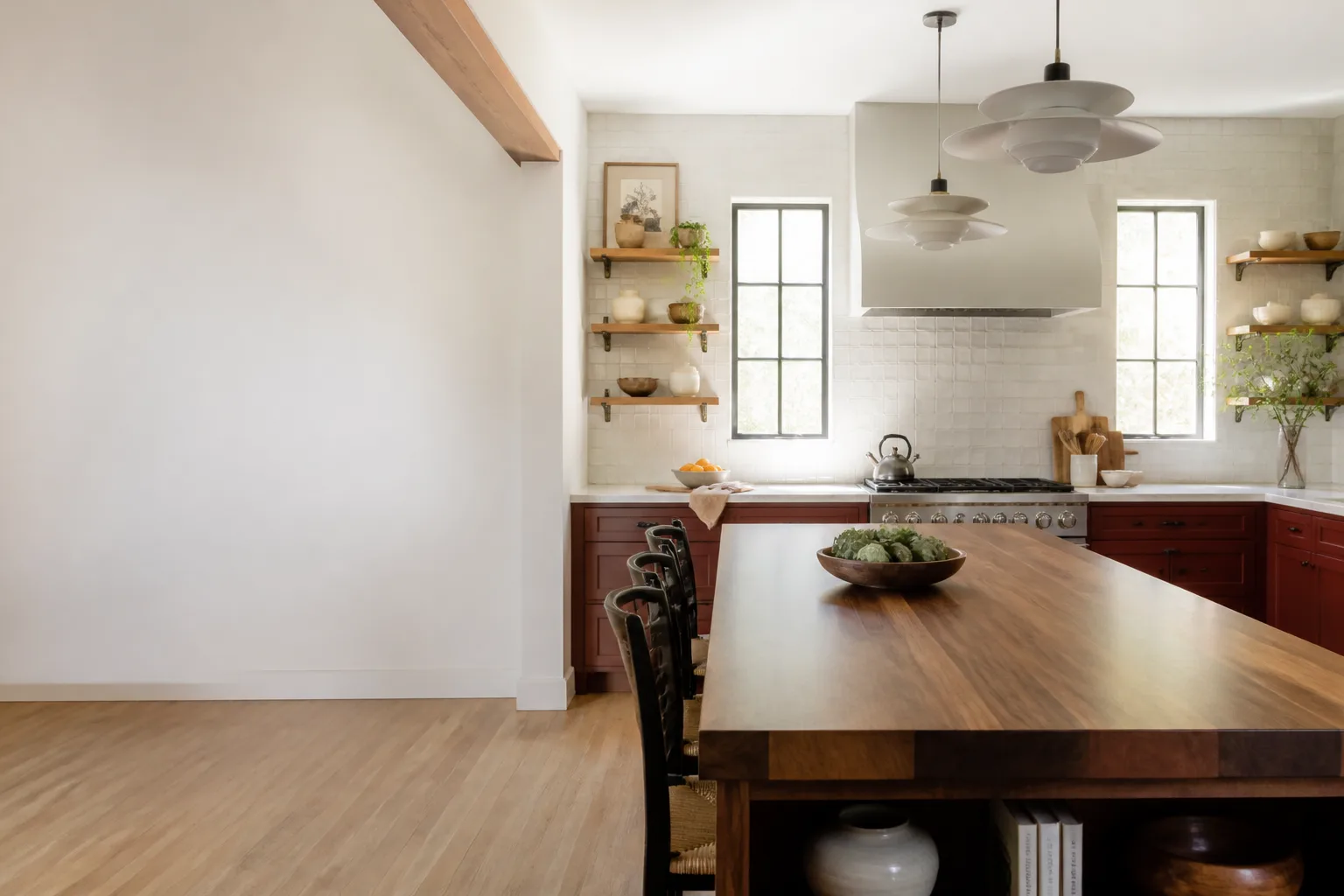
- Neutral, warm palettes: The coastal market responds to light wood, warm white, and soft stone. The highly personalized colors that were trendy five years ago are harder to sell against.
- What doesn’t move the needle: Oversized islands that eat the eating area, high-end appliance suites in a kitchen that isn’t otherwise updated, and niche layout choices (like an indoor pizza oven) that read as personal preference rather than value.
In ZIP codes within a few blocks of the sand, the calculus shifts again: square footage is scarce and buyers are less price-sensitive than space-sensitive. In those homes, the priority is maximizing usable space and connection to outdoor living, not adding luxury finishes to an undersized footprint.
When to Change the Layout and When Not To
Most Huntington Beach kitchens we see are functional in shape and dated in finish. Changing the layout is the single most expensive scope decision you’ll make, and it’s usually the least rewarding one if the existing flow works. The 1950s and 1960s galley and L-shape plans are usually fine. What’s not fine is a kitchen that fights the living room with a wall the current owner never removed.
Consider changing the layout when:
- You have a wall between the kitchen and dining area that would clearly serve everyone better open.
- The sink or range is in the wrong spot for actual cooking flow (not just aesthetic preference).
- The existing kitchen was clearly an add-on with awkward proportions.
- You’re moving major appliances anyway and the incremental cost is small.
Keep the layout when the existing flow works. The money you don’t spend on moving walls can go into cabinets, countertops, and the parts of the kitchen you actually touch every day. A well-built $45,000 refresh in the same footprint often outperforms a $70,000 remodel that fought the existing structure.
A Realistic Timeline for a Huntington Beach Remodel
Timelines in this city are driven by permit timelines, material lead times, and the number of trades involved. Here’s what to expect.
- Week 1 – 2: Site visit, written scope, written price, and permit application.
- Week 2 – 6: Permit review and any plan-check corrections. Structural work or panel upgrades add a few weeks here.
- Week 6 – 7: Material ordering (cabinet lead times for KraftMaid, Wellborn, and similar lines typically run 3 – 6 weeks).
- Week 7 – 10: Demolition, rough-in, and inspections. This is when the “while we’re in there” surprises show up, and the biggest reason the written-price process matters.
- Week 10 – 14: Cabinetry install, countertop template and install, backsplash, finishes.
- Week 14 – 16: Final inspections, punch list, and closeout.
A cosmetic refresh without permits can run 3 – 4 weeks. A full gut with layout changes typically lands in the 12 – 16 week range. Any contractor who promises a full gut in four weeks in Huntington Beach is either cutting corners or isn’t telling you about the permits.
Common Mistakes to Avoid
- Choosing MDF cabinet boxes because they’re cheaper. Coastal humidity will find the weakest seam. Plywood boxes pay for the upgrade within five to ten years. In our experience, this is the single most expensive shortcut in this market.
- Letting a contractor start without a written price. Verbal estimates (“we’ll figure it out once we’re in”) are how prices balloon after demo. Insist on the written number in hand before the first tool comes out.
- Ignoring the electrical panel up front. If your panel is 100 amps and the kitchen plan needs 200, that’s a $2,500 – $4,500 line item. Discovered after demo, it becomes a $6,000 surprise.
- Removing a wall without checking if it’s load-bearing. In older Huntington Beach homes, what looks like a partition is sometimes carrying the second floor. Engineer review is a permit prerequisite, not a suggestion.
- Over-investing in appliance packages before committing to materials. A $12,000 appliance suite in a kitchen still running MDF cabinets and builder-grade countertops gets old fast. Finish quality outlasts appliance shine.
- Skipping the resale lens. Personal-preference choices (a bright colored island, an oversized skylight on the sunny side) read as personality, not value. Neutral finishes hold up better in this market.
- Letting the countertop template get ordered before cabinets are set. Quartz and stone slabs are cut to the installed cabinet footprint. Getting this sequence wrong costs weeks and real money.
See the difference
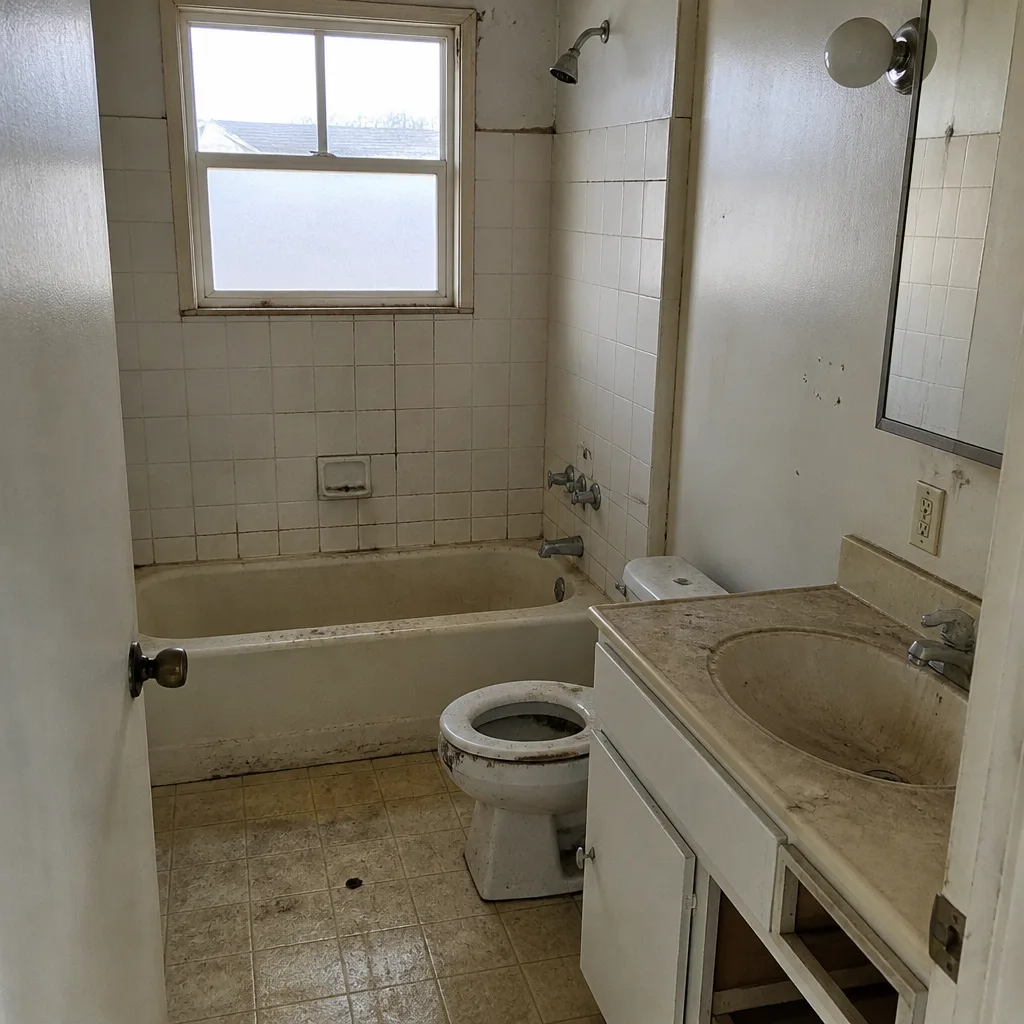 Before
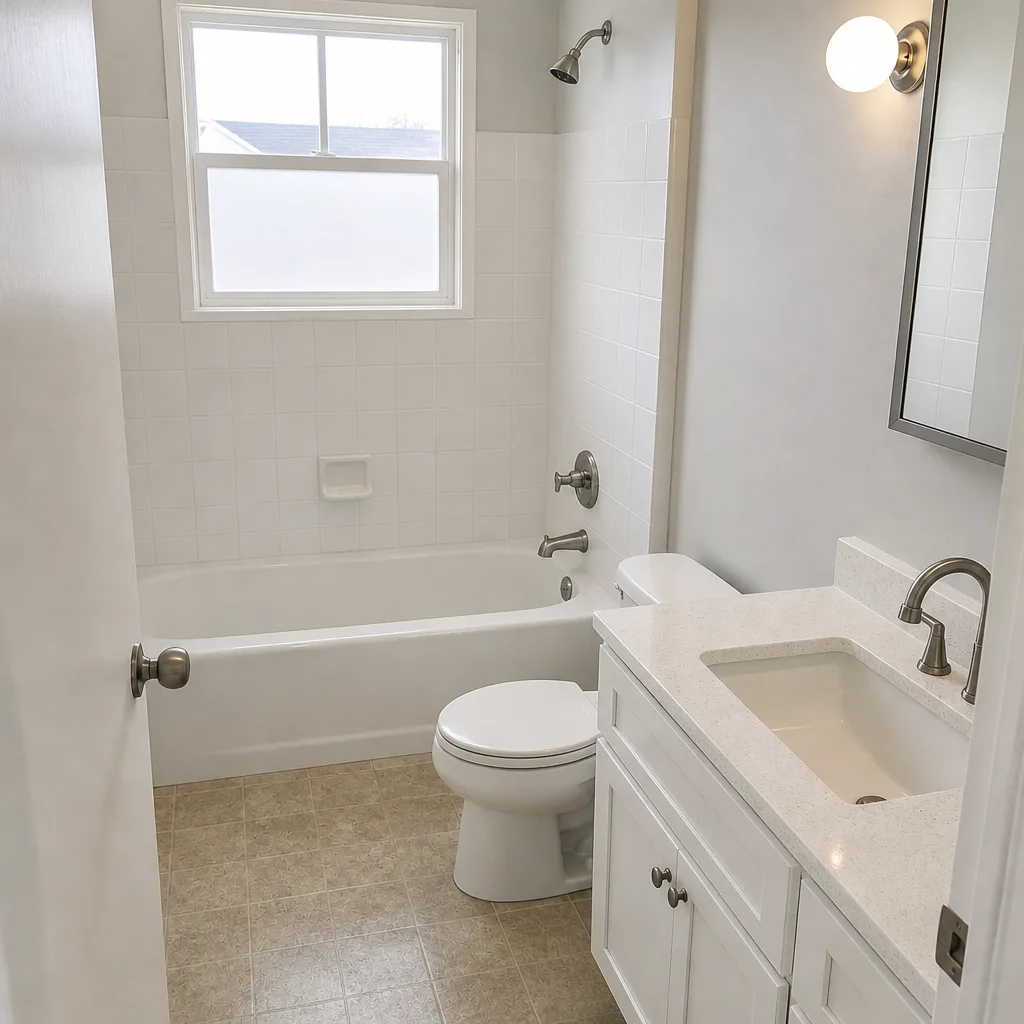 After
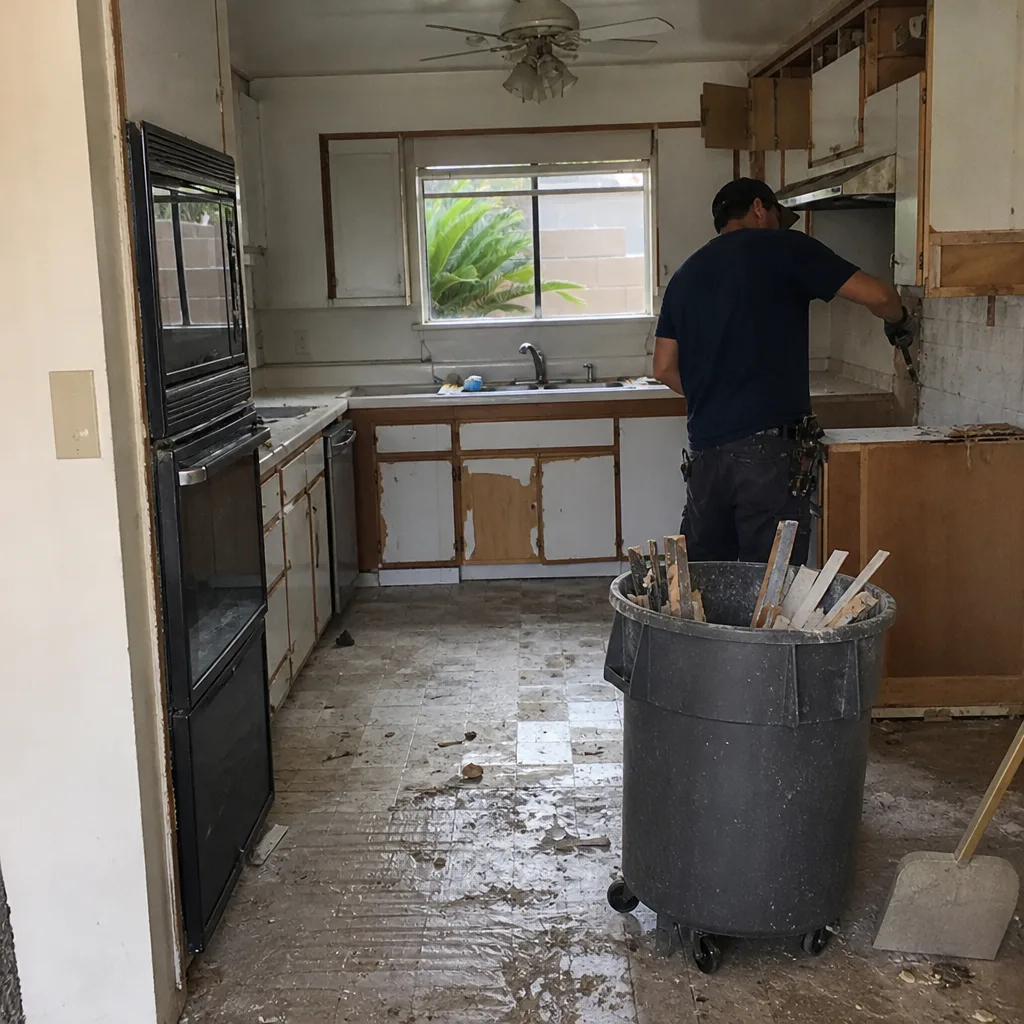 Before
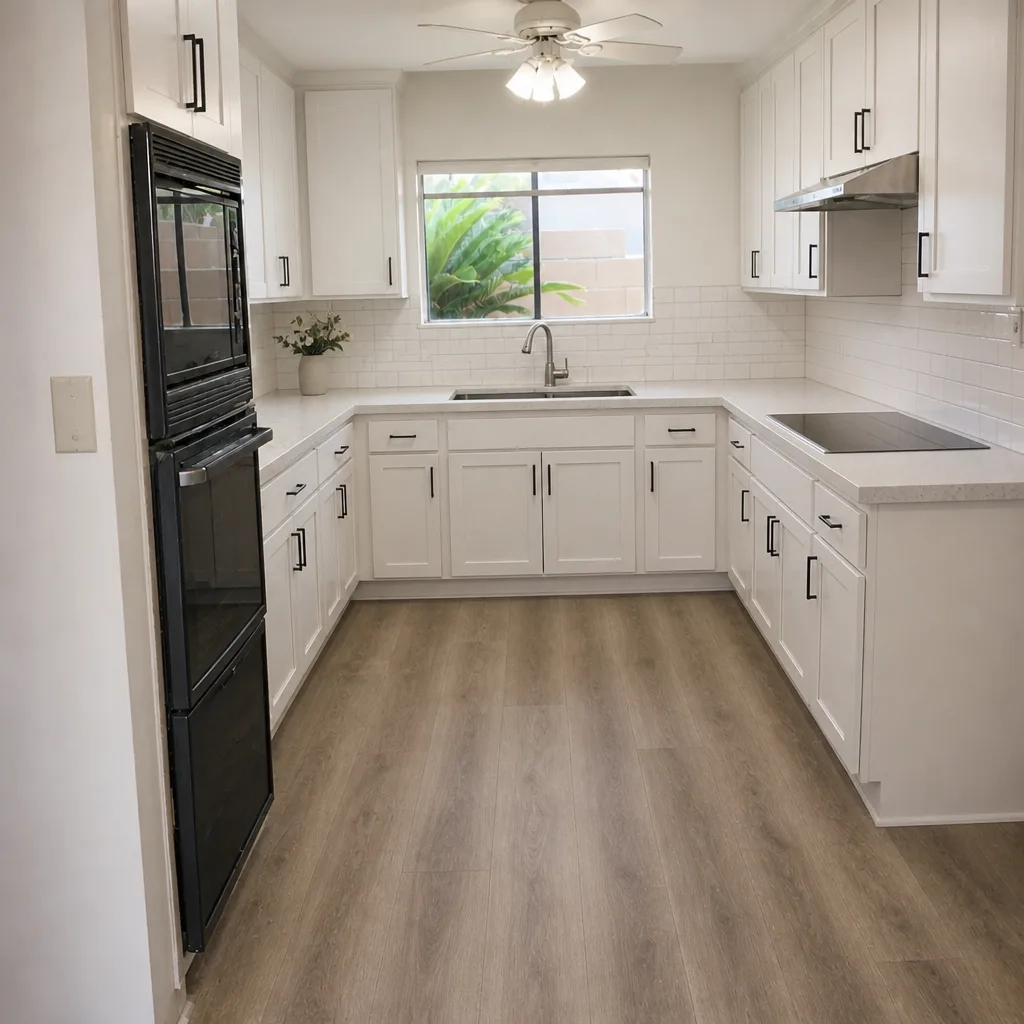 After
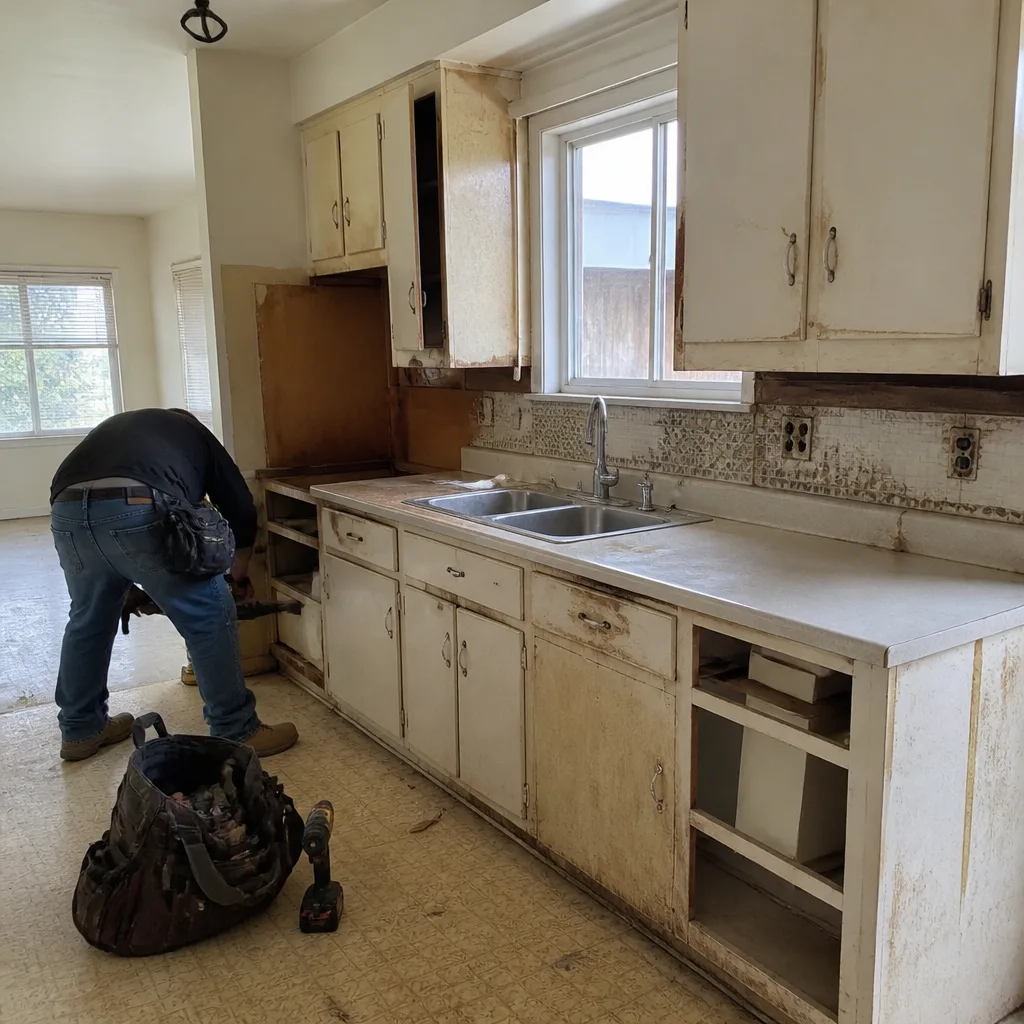 Before
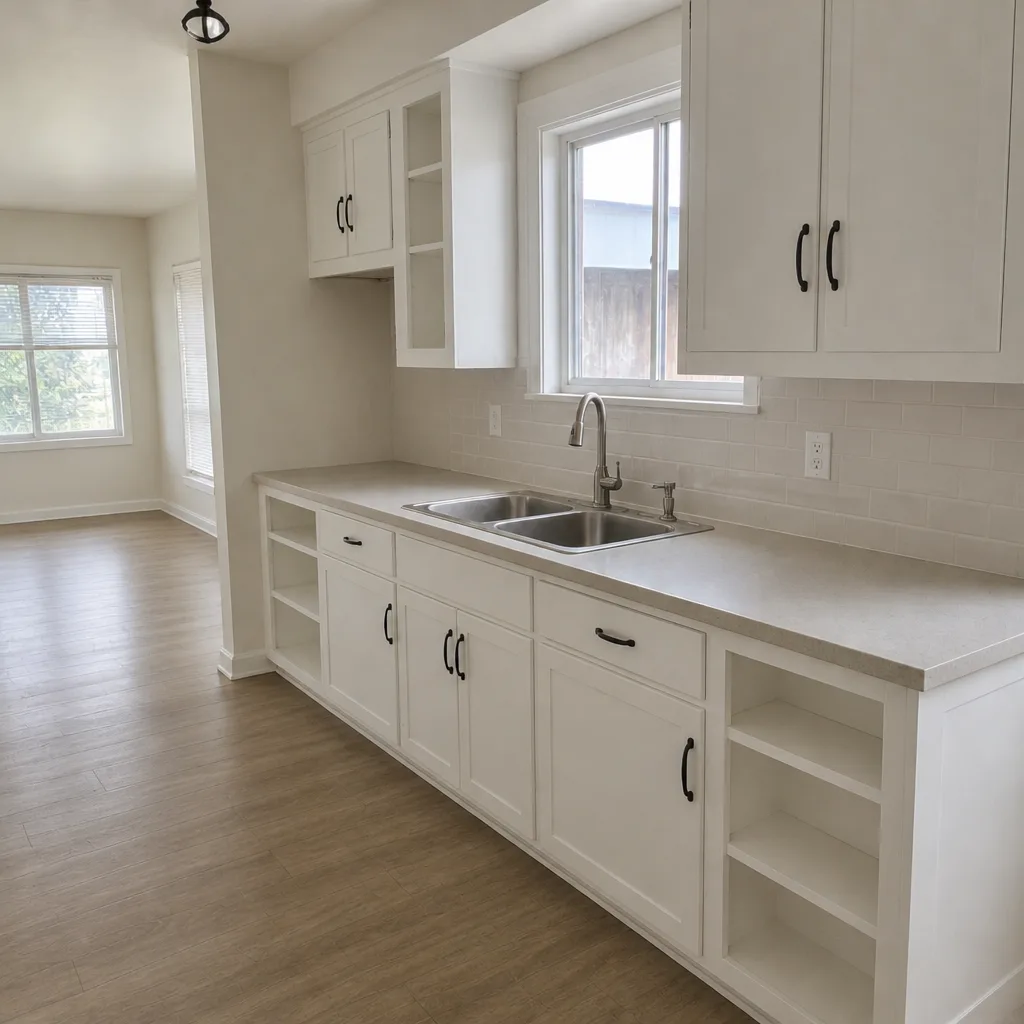 After
When to Call a Professional
Some kitchen decisions are genuinely DIY-friendly. Painting cabinets, swapping a faucet, updating drawer pulls, or replacing a light fixture in an existing location are manageable for a careful homeowner. Everything past that – electrical panel work, gas line relocation, wall removal, plumbing rough-in, and cabinet install requiring templated countertops – is where a professional saves you money, permits, and time. Huntington Beach is a permit-heavy city, and a mistake on the permit side is the kind of thing that surfaces during a sale. If you’re within sight of any of the structural or trade-related items above, it’s worth the conversation now rather than the correction later. Penhallow Remodeling Huntington Beach offers free estimates in Huntington Beach – call (888) 329-8145 to schedule yours.
Frequently Asked Questions
A Huntington Beach kitchen remodel typically runs $22,000 – $75,000 for a mid-range project, with cosmetic refreshes at $12,000 – $28,000 and full gut renovations with layout changes reaching $90,000 – $120,000 or more. Cabinet line, countertop material, and whether you move plumbing or electrical are the three biggest cost drivers. Call (888) 329-8145 for an exact quote – estimates are free.
You need a permit for any work that moves plumbing, gas, or electrical, adds a circuit, relocates a range or sink, or removes a wall. Cosmetic work – painting, refacing, replacing a countertop on existing cabinets, replacing a faucet or light fixture in place – typically doesn’t require one. A panel upgrade triggers its own separate permit and inspection. When in doubt, ask before work starts.
With a written-price-first contractor, no. The number in the signed agreement is the number on the invoice, with one exception: if you request a change mid-project (say, adding a second wall of cabinets), that’s a written change order you approve in advance. Verbal estimates that “get adjusted after demo” are exactly the pattern to avoid.
Huntington Beach humidity runs meaningfully higher than inland cities like Anaheim or Irvine, and cabinet boxes, doors, and flooring absorb and release moisture seasonally. MDF cabinet boxes swell permanently once they take on water, while plywood stays dimensionally stable. The price gap between the two is smaller than the longevity gap, so the upgrade pays for itself.
In this market, moisture-resistant materials (plywood boxes, quartz counters), documented electrical panel upgrades, natural light additions like pass-through windows or French doors, and warm neutral finishes return the most. Highly personalized finishes, oversized islands that eat the eating area, and luxury appliance suites in otherwise-untouched kitchens tend to read as personal preference rather than value.
A cosmetic refresh typically takes 3 – 4 weeks. A mid-range update runs 6 – 10 weeks. A full gut with layout changes is usually 12 – 16 weeks once permit review, material lead times, and final inspections are included. Permits in this city are the biggest variable – plan for 4 – 6 weeks of review on anything structural or electrical.
The Bottom Line
Three layers decide how a Huntington Beach kitchen remodel goes: permits (what triggers a review, what a panel upgrade costs you), coastal humidity (plywood over MDF, quartz over granite), and the local resale market (moisture-resistant materials, natural light, and warm neutrals hold value here). Get those right before you choose a cabinet color, and the rest of the project is decisions rather than surprises. And get the price in writing before work starts, along with a written guarantee that survives the day the crew leaves. That’s the difference between a remodel you’re proud of and one you’re still fixing two summers later.
Penhallow Remodeling Huntington Beach is a licensed and insured general contractor serving homeowners across this city. Every project starts with a written price and a written guarantee – the 365-Day Done Right Promise – and materials from recognized trade brands like KraftMaid, Wellborn, Cambria, Silestone, Caesarstone, Kohler and Moen. To compare notes on your kitchen, see our Bathroom Remodeling in Huntington Beach page for how we handle adjacent rooms, or return to the Penhallow Remodeling Huntington Beach home page to see the full picture of how we work.
Ready to schedule a free estimate? Call (888) 329-8145 – a live person answers around the clock, and we’ll walk you through the written-price process before you commit to anything.
Written by the team at Penhallow Remodeling Huntington Beach.