
Free written scope consultation - allowances, timeline, and change-order rules on paper before a single trade is scheduled
James Hardie Home Additions & ADU: The Huntington Beach Owner’s Guide
James Hardie fiber cement siding is the right skin for an addition or ADU in Huntington Beach, and a complete James Hardie-clad addition typically runs $45,000 – $130,000 installed, with detached ADUs at $90,000 – $220,000 and garage conversions at $30,000 – $80,000. We’re an independent remodeling company, not affiliated with James Hardie, and we install James Hardie products because they hold up in salt air better than almost anything else on the market. Most Huntington Beach owners discover a siding problem the same way: a soft spot under a window after the first winter rain, paint peeling in sheets on the south-facing wall, or a hairline crack at a corner that wasn’t there last year. That’s usually the point where the addition stops being a someday project and becomes a phone call.
Which James Hardie Models This Applies To
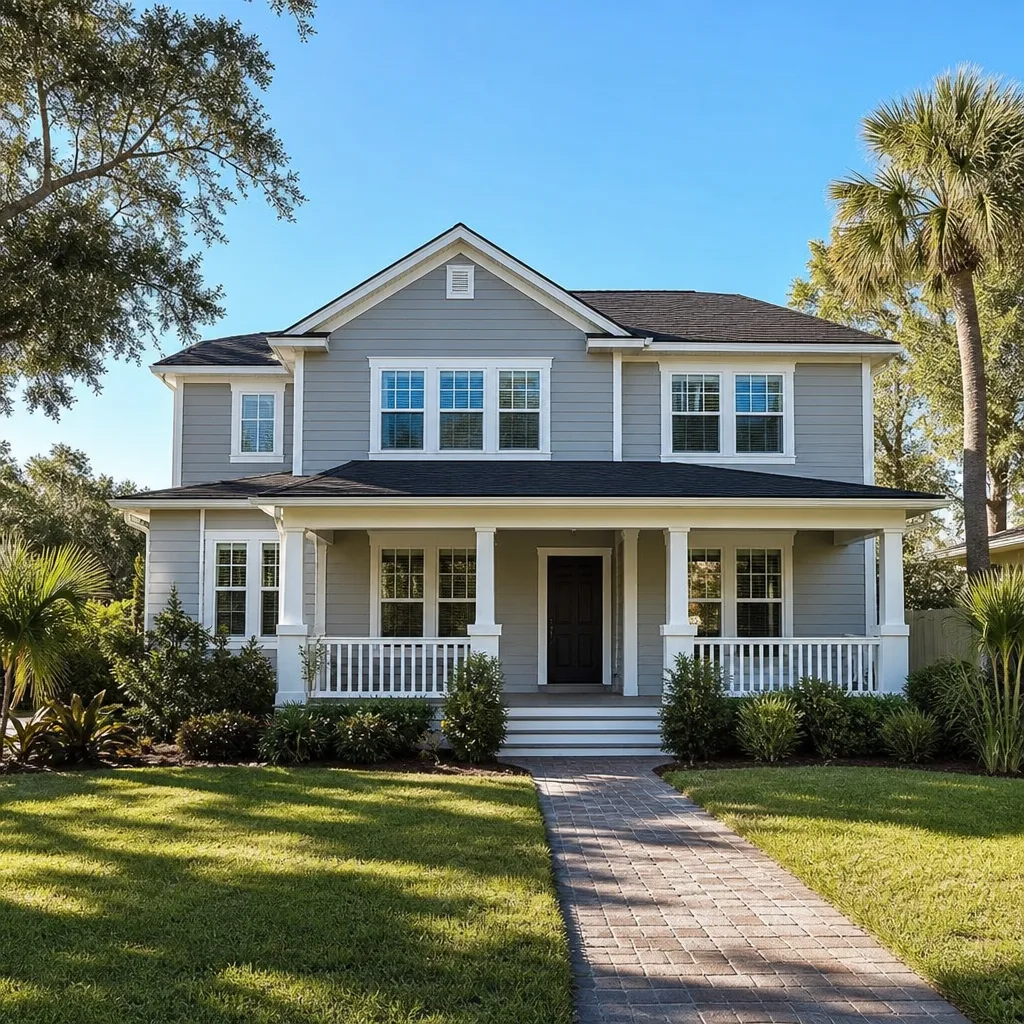
James Hardie makes several distinct product lines, and the one that failed on your addition determines how we repair or extend it. HardiePlank lap siding is the most common on Huntington Beach additions, sold in Smooth and Select Cedarmill textures. HardiePanel vertical siding shows up on modern ADU designs. HardieShingle covers gable ends and accent walls. HardieTrim and HardieSoffit handle the fascia and eaves. Each line has its own thickness and exposure spec: HardiePlank typically comes in 5/16-inch and 7/16-inch profiles, and the lap exposure needs to match the existing course or the new wall reads as a patch job from the street.
To identify what’s on your wall, measure the exposed face of a lap board (often 6, 7, or 8 inches), check the thickness at an edge, and look for the stamp on the back of a loose piece or in an attic crawl. If the siding was installed before a prior remodel, the profile may be discontinued – that’s the most common compatibility gotcha we run into, and it means color-matching a butt joint rather than finding an exact replacement. On the OEM-versus-aftermarket question: for James Hardie, there is no meaningful aftermarket equivalent. The fiber cement formula, the baked-on ColorPlus finish, and the warranty are tied to the brand, so we specify genuine Hardie product and price it honestly.
Styles & brands we work with
- Kitchen remodeling
- Bathroom remodeling
- Home additions & ADU
- Roofing
- Windows & doors
- Driveway & pavers
- Fence
Signs Your James Hardie Home Additions & ADU Is Failing
- Soft or spongy spots near the bottom of the wall. This usually means water is getting behind the panel at a terminator or flashing detail that wasn’t sealed right, and the sheathing is taking on moisture. Huntington Beach marine layer keeps those lower courses damp longer than inland cities, so the damage compounds quietly.
- Paint peeling or chalky ColorPlus finish. Hardie’s factory finish is baked on and should outlast field paint, so peeling usually points to the wrong fastener, a caulk failure at a joint, or a panel that was cut and left unsealed at an exposed edge.
- Hairline cracks at corners or butt joints. Fiber cement moves slightly with temperature, and joints without proper backer and clearance crack over time. A single hairline is cosmetic; a network of them means the install detail was wrong.
- Visible gaps or movement at window and door trim. HardieTrim and the panel behind it expand and contract at different rates, so a gap that opens and closes with the seasons is a flashing and caulk problem, not a siding failure – but it lets water in if ignored.
- Rust streaks or discoloration below fasteners. Wrong or under-driven nails are the usual cause, and in salt air the corrosion shows fast. Stainless or hot-dipped galvanized fasteners are the only correct spec near the coast.
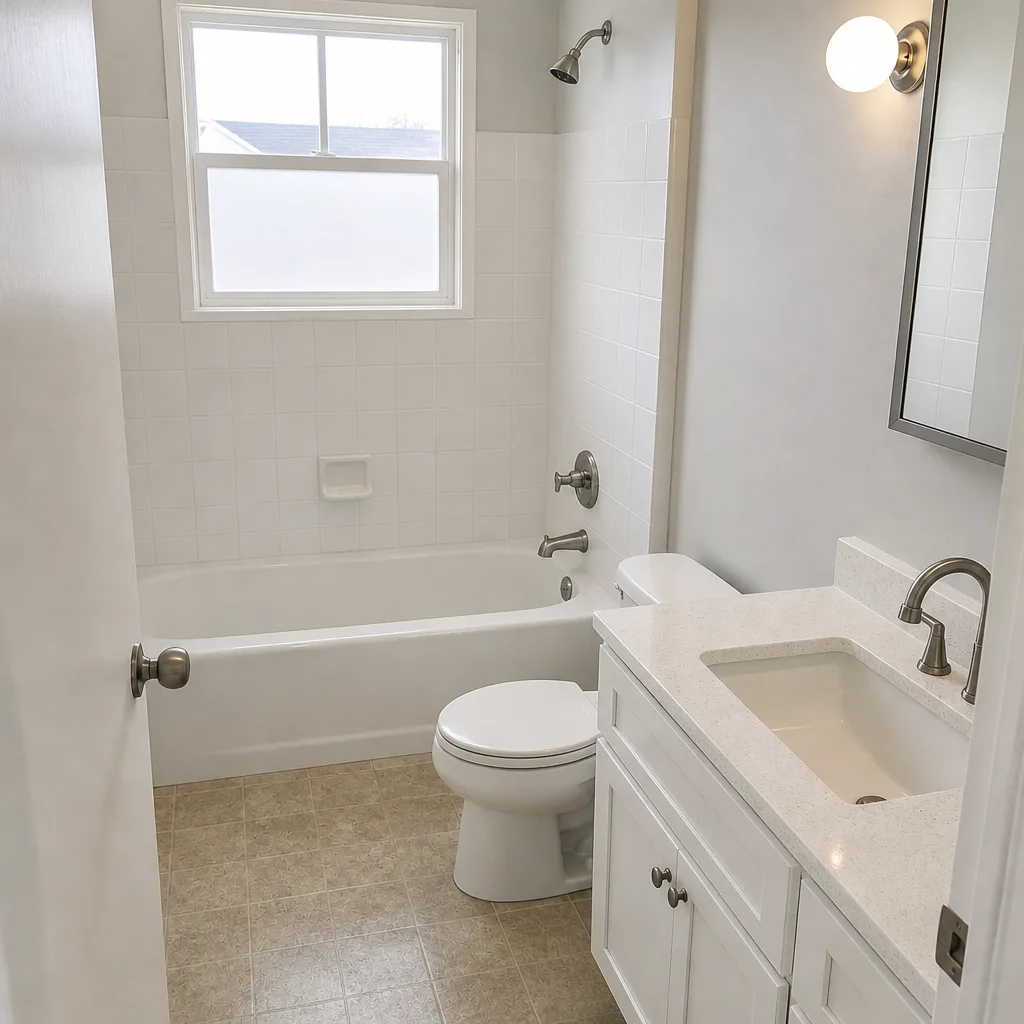
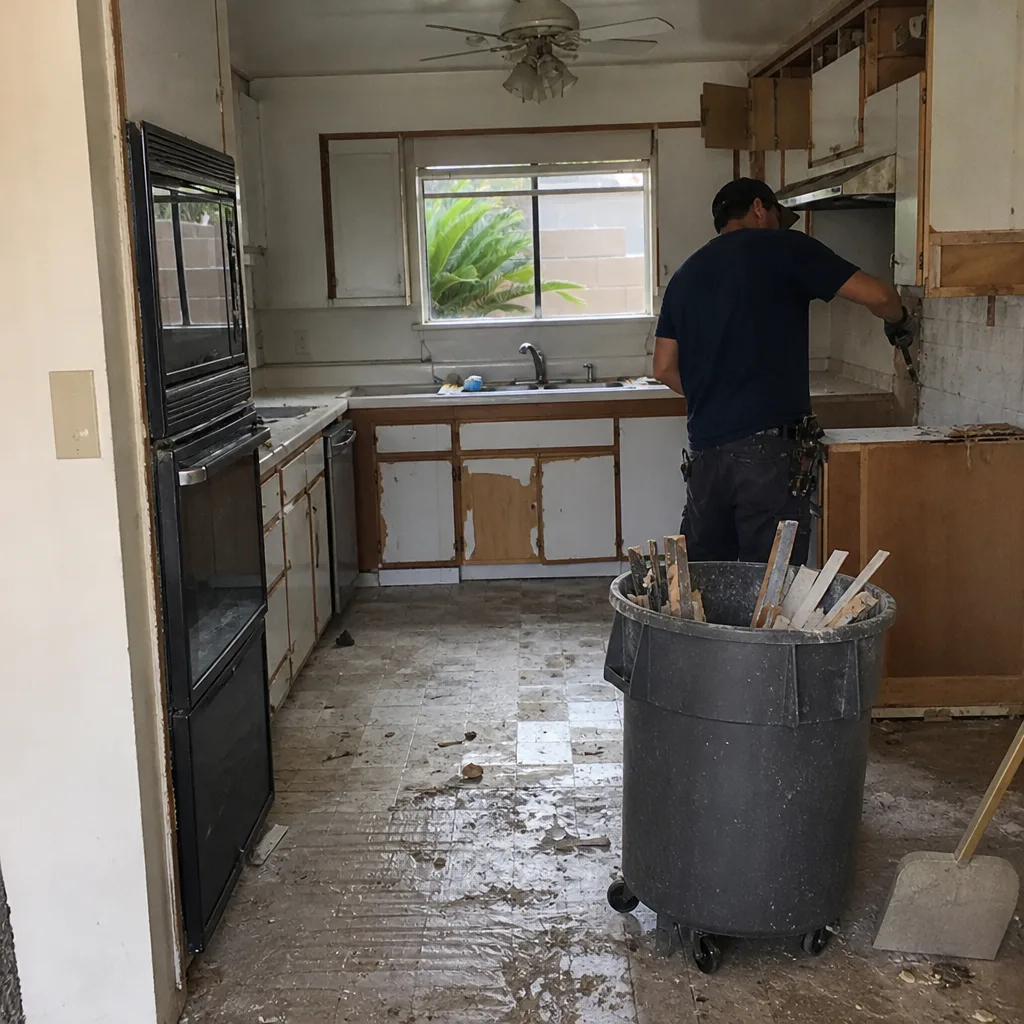
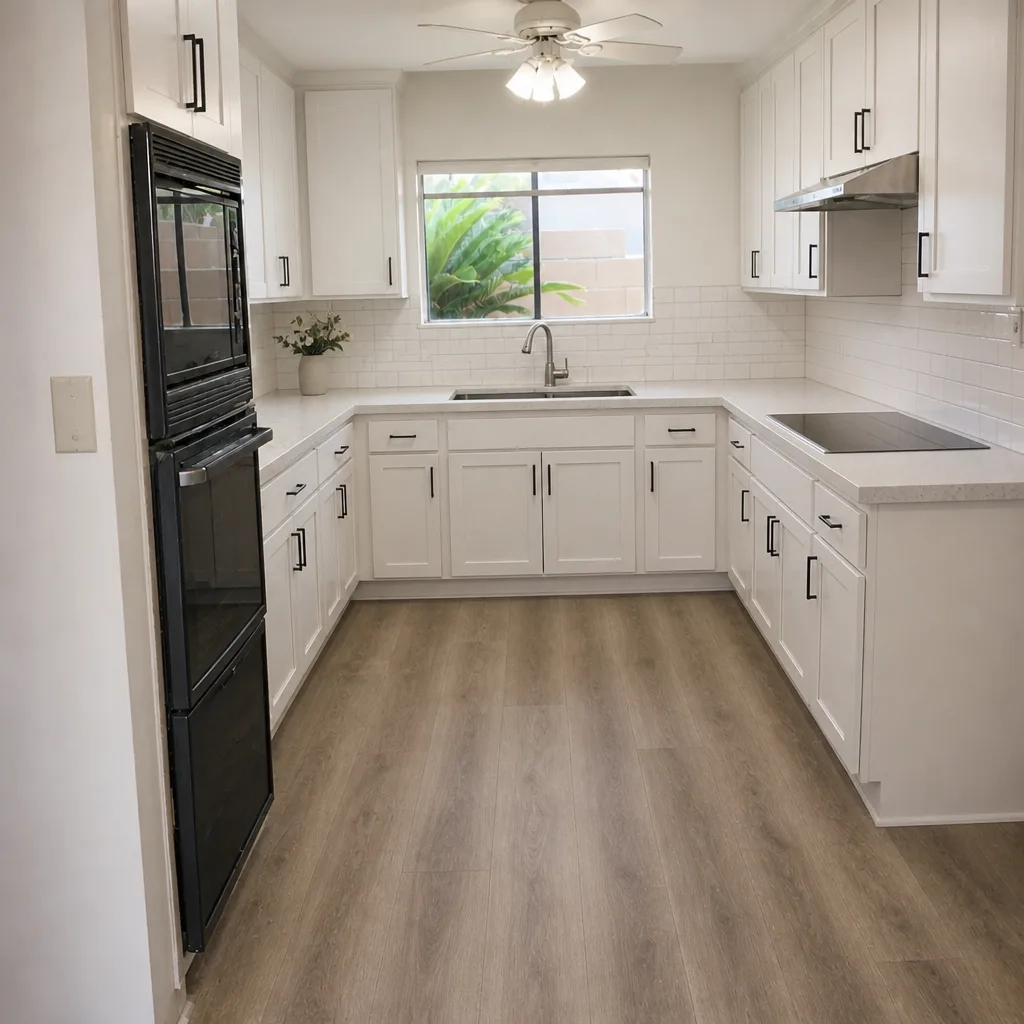
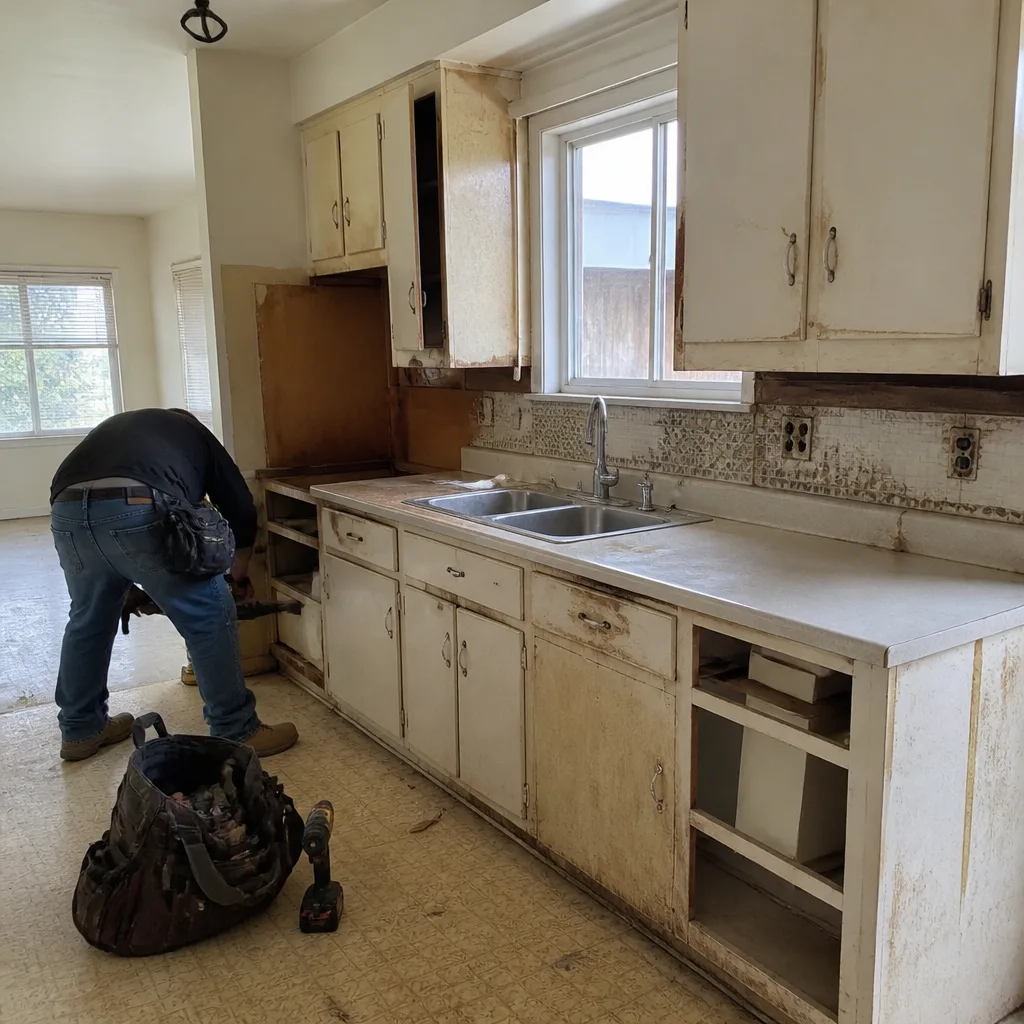
See the difference
 Before
 After
 Before
 After
 Before
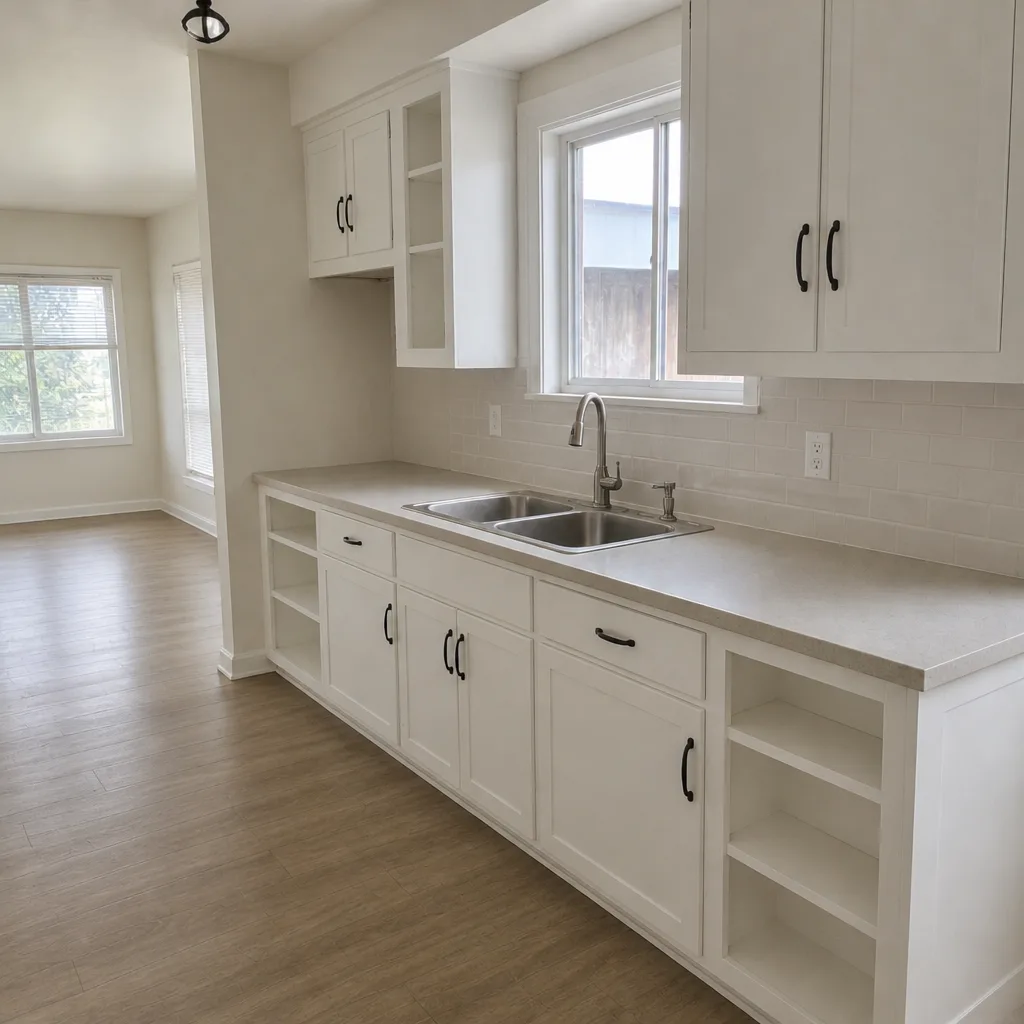 After
Replacement Cost & What’s Included
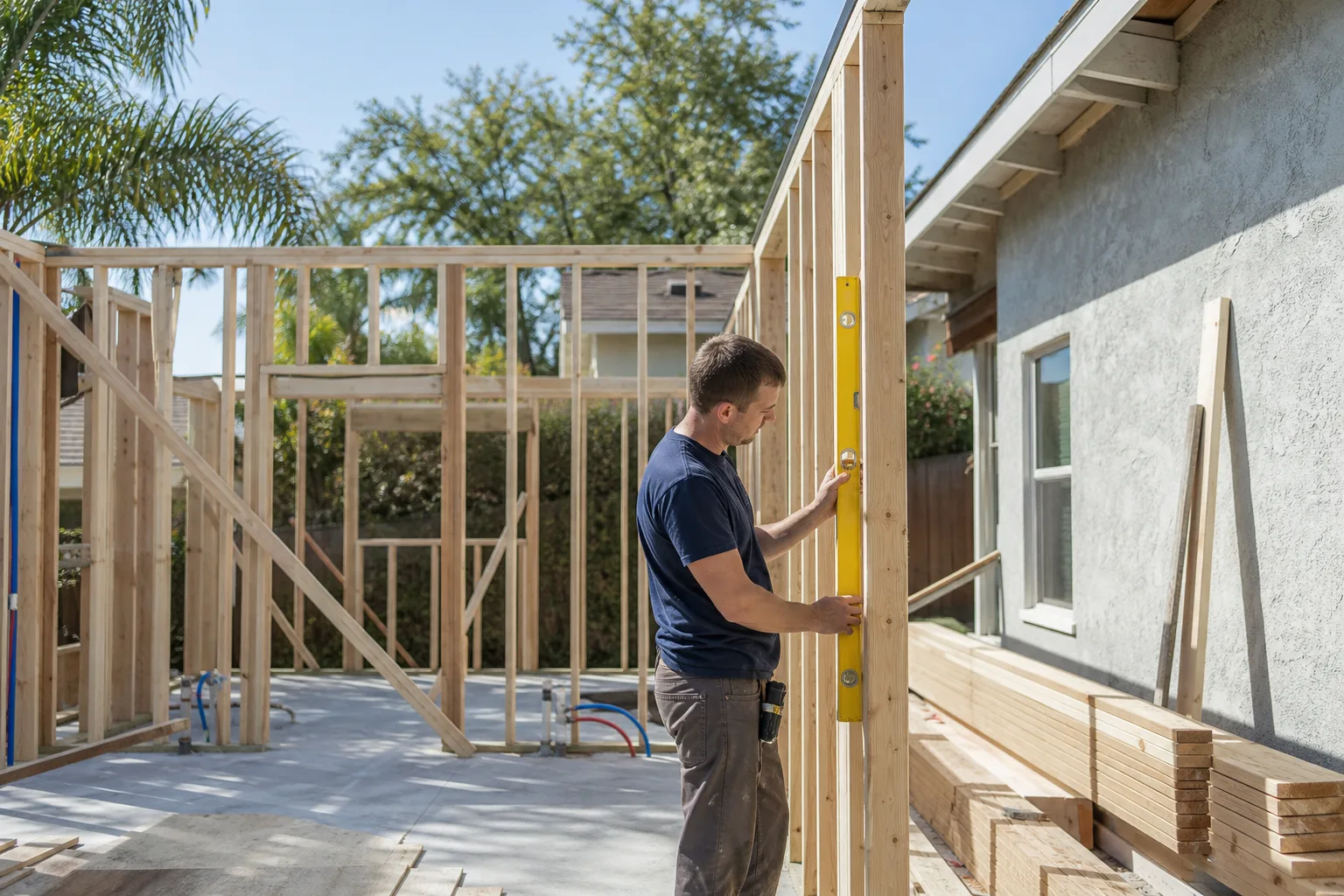
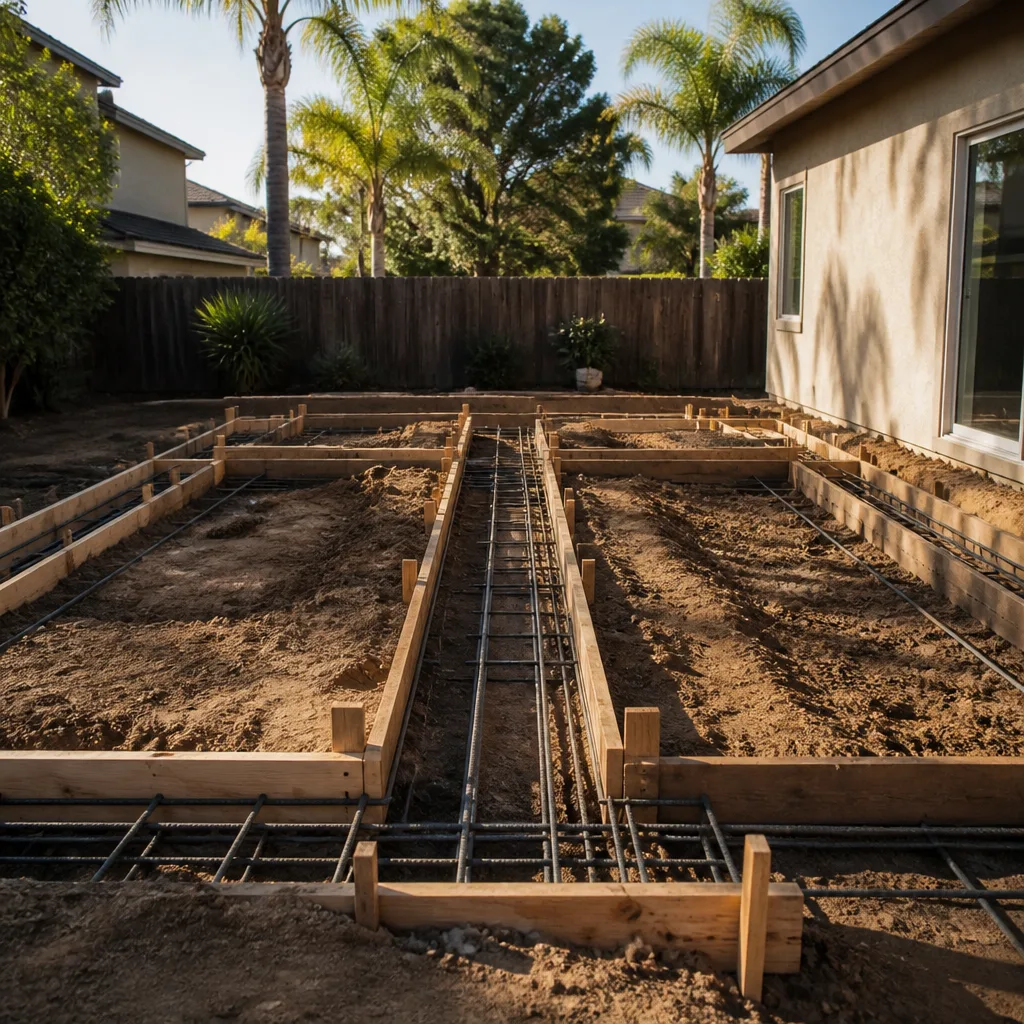
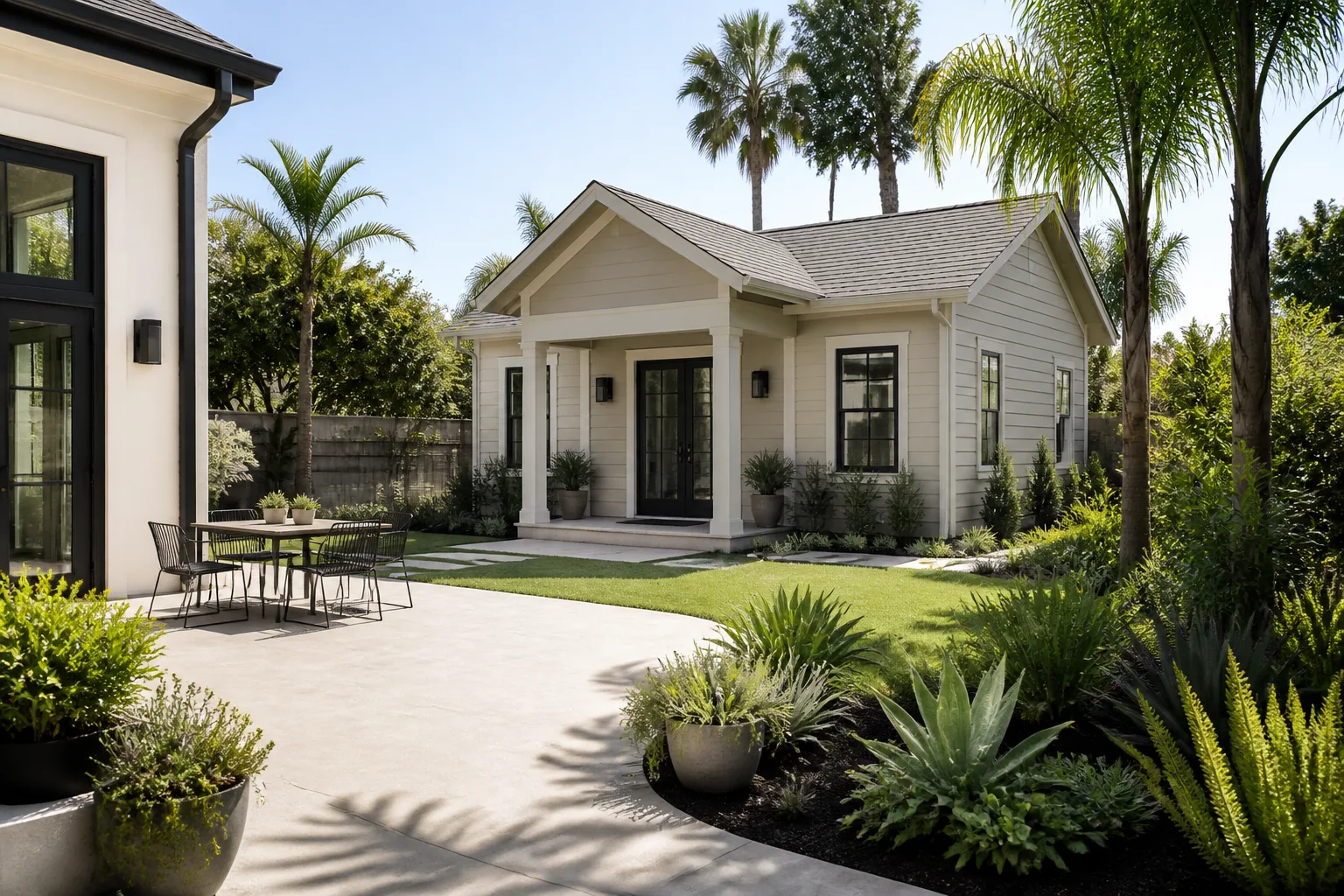
For a Huntington Beach addition or ADU, the number you care about is the whole build, and we put it in writing before any work starts. A home addition runs $45,000 – $130,000 depending on square footage, foundation work, and how much James Hardie product goes on the exterior. A detached ADU is $90,000 – $220,000, driven mostly by site utilities, the foundation, and whether you’re building from scratch or working off a prefab shell. A garage conversion is $30,000 – $80,000, with the range set by insulation, egress, and how the exterior gets re-clad in Hardie to match the house.
What pushes you toward the top of any of those ranges: a sloped or tight lot, an electrical panel upgrade, a long utility run to a detached ADU, or a design that calls for HardiePanel and HardieShingle alongside the lap siding. What we include in the written price: materials from recognized brands, labor, permits, and cleanup. The number on day one is the number on the invoice. Salt air is hard on everything near the coast, and genuine James Hardie product carries its own manufacturer warranty alongside our 365-Day Done Right Promise, so the wall is covered on both layers if something goes wrong.
DIY or Call Us?
You can safely check a few things yourself. Run a hand along the lower courses for soft spots. Look at the caulk lines at windows and corners. Check whether the fasteners are showing rust. Measure a lap course and note the thickness at an edge so you know what you’re dealing with.
Where DIY goes wrong on a James Hardie addition is the part you can’t see: the weather-resistive barrier, the flashing at every opening, and the clearance to grade. Fiber cement is heavy and brittle to cut, and a panel installed without the right backer, fastener, and flashing will fail faster than the one you’re replacing – especially in Huntington Beach’s marine air. Additions and ADUs also need permits and inspections, and a self-installed re-clad that fails inspection costs more to fix than hiring it done. Unless you’re re-caulking a joint, this is a job for a crew with the right tools and a written guarantee. Call (888) 329-8145 and we’ll give you a written price before anything gets touched.
FAQs
Genuine James Hardie fiber cement is typically rated to last 30 to 50 years, and the baked-on ColorPlus finish carries a long limited warranty from the manufacturer. In Huntington Beach the salt air and marine layer are the real test; with correct flashing, stainless fasteners, and proper clearance to grade, the siding holds up well. The details you can’t see at install are what decide whether you get the full life or half of it. Call (888) 329-8145 and we’ll tell you what your wall needs.
Often yes. A localized failure at one window or a single cracked panel can usually be repaired by replacing the affected course and re-flashing the opening, which costs far less than a full re-clad. If the soft spots run along the bottom third of the wall, the moisture has usually spread and a partial replacement makes more sense than patching. We’ll tell you which one you’re looking at in the written estimate, before any work starts.
A full home addition in Huntington Beach typically runs several months from permit to final, an ADU runs longer, and a targeted siding repair on one wall is often a matter of days. The honest answer depends on your design, the permit timeline with the city, and the scope of the addition. We give you a schedule with the written price, and we hold to it. Call (888) 329-8145 to talk through your project.
We specify genuine James Hardie product through established trade suppliers, not aftermarket fiber cement, because the formula and the factory finish are what carry the warranty. If your existing siding is a discontinued profile, we’ll find the closest current match and plan the joint so it doesn’t show. The materials, labor, and permit costs are all in one written number you can hold us to, backed by our 365-Day Done Right Promise and a live person answering the phone 24/7. We also work with KraftMaid, Cambria, and Silestone on the interior side of these builds.
Written by the team at Penhallow Remodeling Huntington Beach, serving Huntington Beach and nearby areas.