
Free written scope consultation - allowances, timeline, and change-order rules on paper before a single trade is scheduled
James Hardie Roofing: The Huntington Beach Owner’s Guide
James Hardie is a fiber-cement siding and trim manufacturer, and its products show up on Huntington Beach roofs most often as fiber-cement fascia, trim and soffit, and as the substrate and flashing interface beneath a roofing system rather than as the roof covering itself. Installed work on that fiber-cement envelope around a Huntington Beach home typically runs $8,000 – $20,000 for a full roof replacement where Hardie trim and fascia are part of the scope, and $400 – $1,800 for the targeted repairs most owners actually call about. We’re Penhallow Remodeling Huntington Beach, an independent contractor and not affiliated with James Hardie, and we work on the fiber-cement components and the roofing they meet.
Owners usually discover the problem the same way. A brown stain shows up on a ceiling after the first real rain of the season. Or a painter points out that the fascia board along the eave has gone soft and chalky where the Hardie trim meets the roof edge. Sometimes it’s simpler: a piece of trim has cracked clean through and you can see daylight behind it. Huntington Beach gets marine air, salt, and strong onshore wind, and those three together are hard on fiber-cement edges and the caulk joints that seal them.
Key Takeaways
- James Hardie is fiber-cement siding and trim; the “roofing” work is fascia, trim, soffit and the roof-to-wall transition where Hardie meets shingles or tile.
- Huntington Beach salt air and coastal humidity shorten the life of caulk joints and paint film on fiber-cement edges.
- Repairs in Huntington Beach typically run $400 – $1,800; full replacement with Hardie fascia and trim in scope runs $8,000 – $20,000.
- You get a written price before any work starts, and the 365-Day Done Right Promise backs the repair in writing.
Which James Hardie Products This Applies To
James Hardie makes several fiber-cement lines, and which one is on your house changes how a repair gets matched. The main lines you’ll see on Huntington Beach homes are HardiePlank lap siding, HardiePanel vertical siding, HardieShingle, and the trim family: HardieTrim boards and HardieSoffit panels. On a roof, the pieces doing the work are almost always HardieTrim fascia (the board running along the roof edge) and HardieSoffit (the underside panel), plus the flashing and caulk where that fiber-cement meets the roofing material.
Identifying the right replacement starts with measuring. HardieTrim comes in specific nominal thicknesses and widths, and the thickness matters because it has to sit flush against the existing fascia and accept the same drip edge. If you’re matching a trim board, measure the actual thickness (not the labeled size) and the face width, then photograph the edge profile. Labels aren’t always visible after paint, and on older installations the paper band is long gone.
The OEM-versus-aftermarket decision is real here. James Hardie’s own trim carries the manufacturer’s warranty and is formulated for the coastal climate; a generic fiber-cement board from a big-box store may look the same but can have a different density and edge treatment that fails faster at the cut edges. We match the Hardie line where the existing product is Hardie, because mixing a cheaper board into a Hardie façade is how you get one board that chalks and cracks while the rest holds. We source the right piece for your specific line rather than substituting a lookalike.
Styles & brands we work with
- Kitchen remodeling
- Bathroom remodeling
- Home additions & ADU
- Roofing
- Windows & doors
- Driveway & pavers
- Fence
Signs Your James Hardie Roofing Is Failing
- Soft or spongy fascia at the roof edge. Water has been getting behind the trim where the drip edge or flashing meets it. Fiber-cement itself doesn’t rot like wood, but the wood framing behind it does, and that’s what feels soft.
- Cracks along the trim, especially at cut ends. Cut edges on fiber-cement are the most vulnerable point. If they weren’t sealed and painted, moisture wicks in and the board cracks or delaminates over a few winters.
- Chalking, peeling paint on the fascia and soffit. Fiber-cement needs a quality paint film to shed water. When the paint fails, the board absorbs moisture and the surface goes chalky and starts to flake.
- Ceiling stains or attic moisture after rain. This usually points to a flashing failure where the roof meets a wall or where Hardie trim abuts a shingle or tile course, not to the Hardie board itself.
- Gaps opening at caulk joints along the eave. Sun, salt air and wind flex open the joints where fiber-cement trim meets trim. Once the seal breaks, water gets a path in.
In Huntington Beach, we regularly see the fascia and soffit caulk joints fail first on the west- and south-facing eaves, where salt-laden onshore wind and afternoon sun do the most work on the paint film.
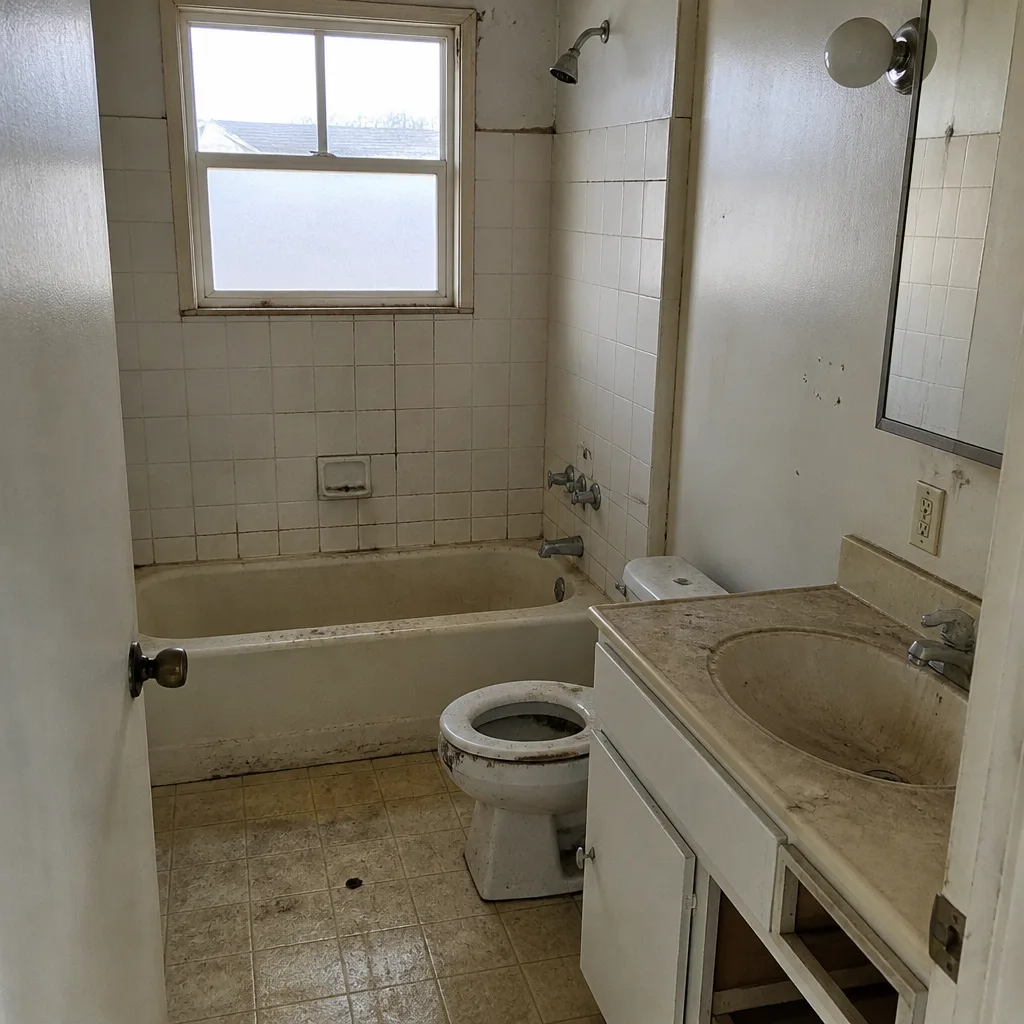
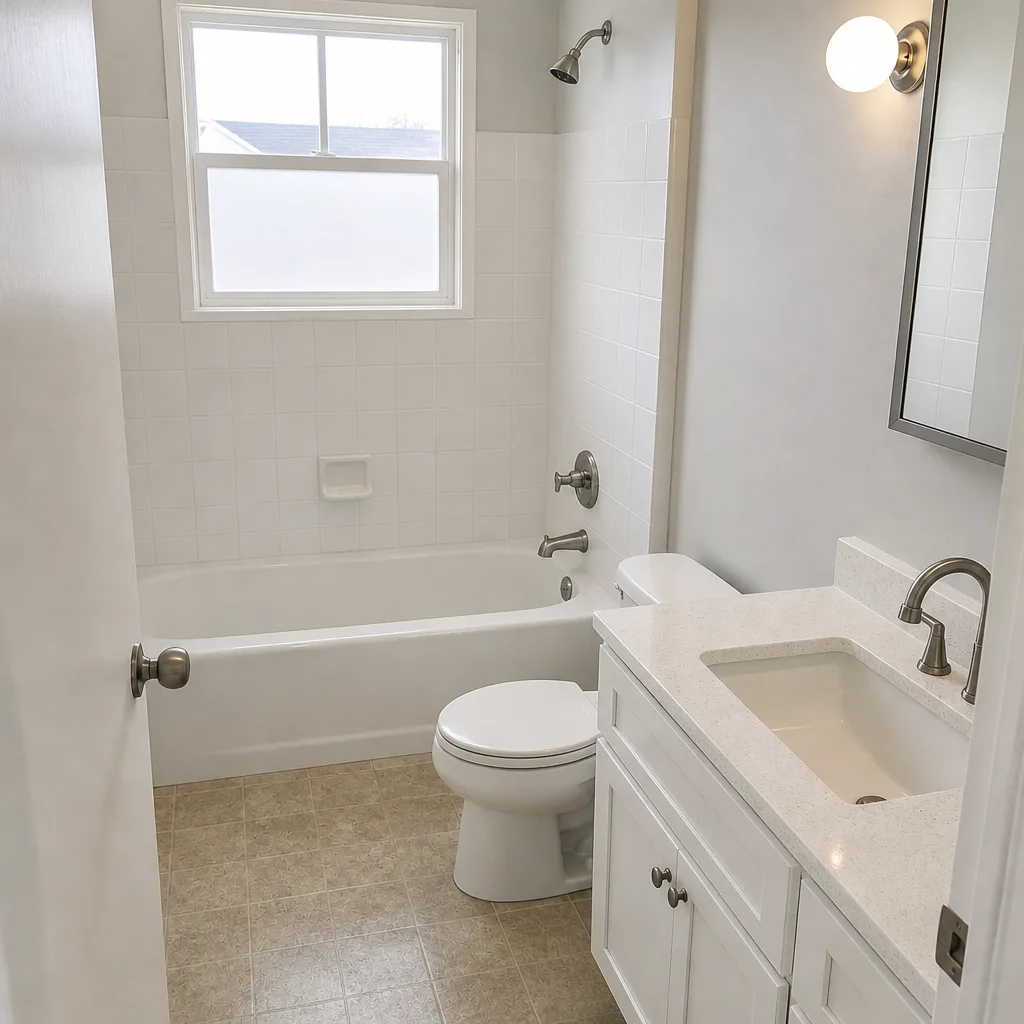
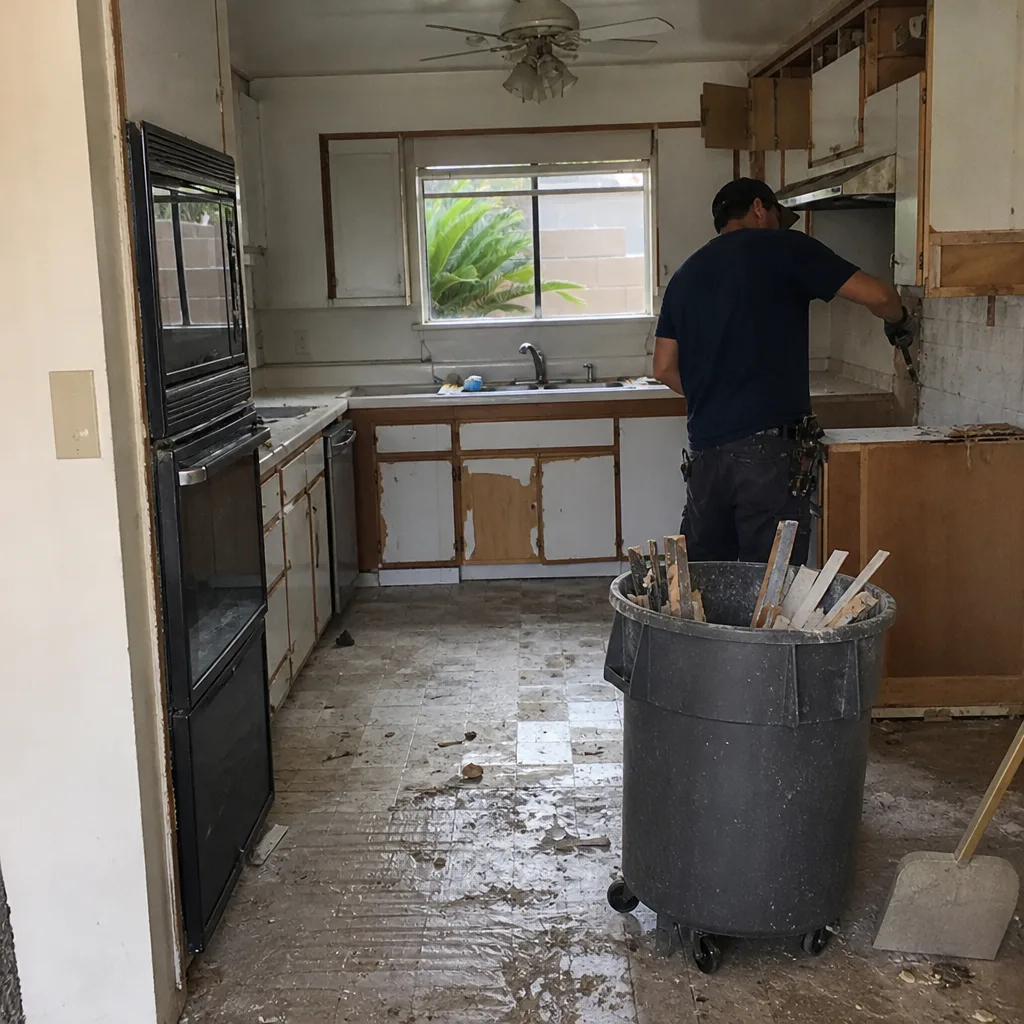
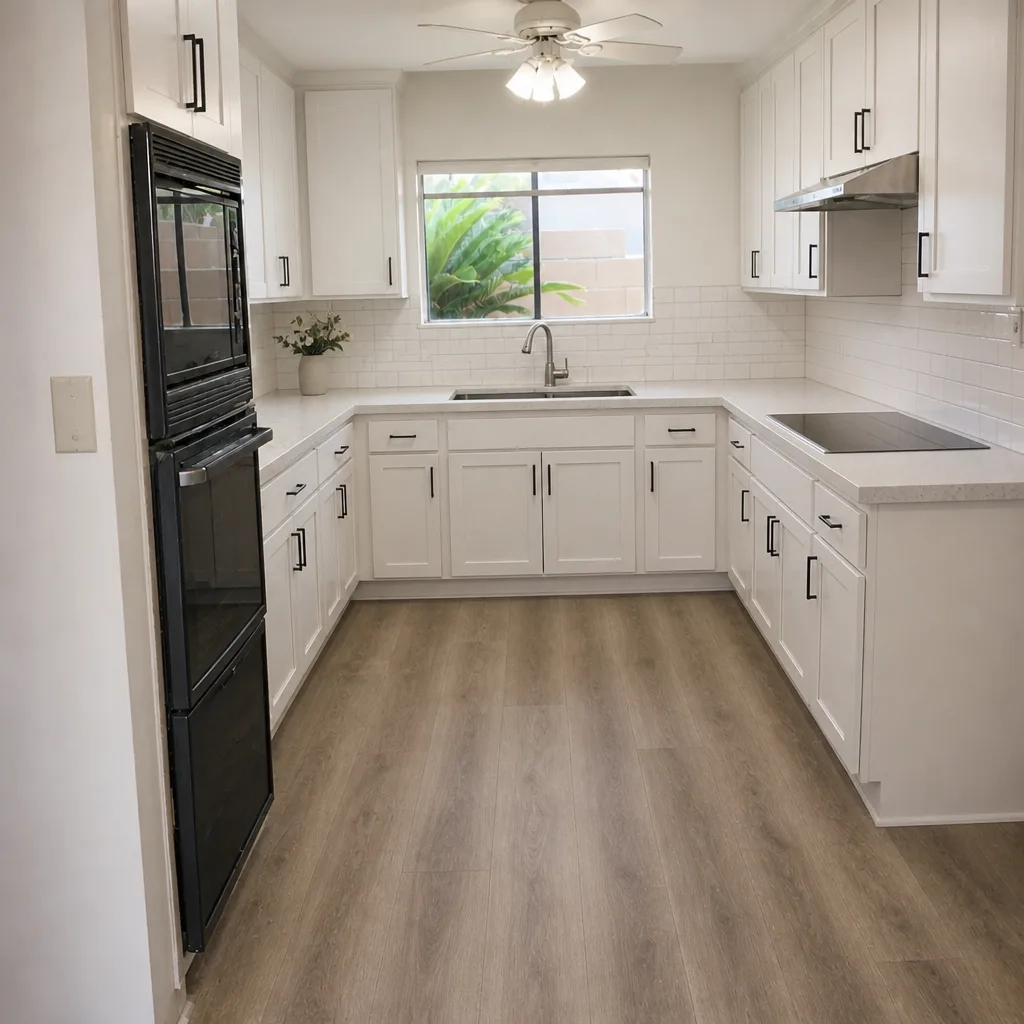
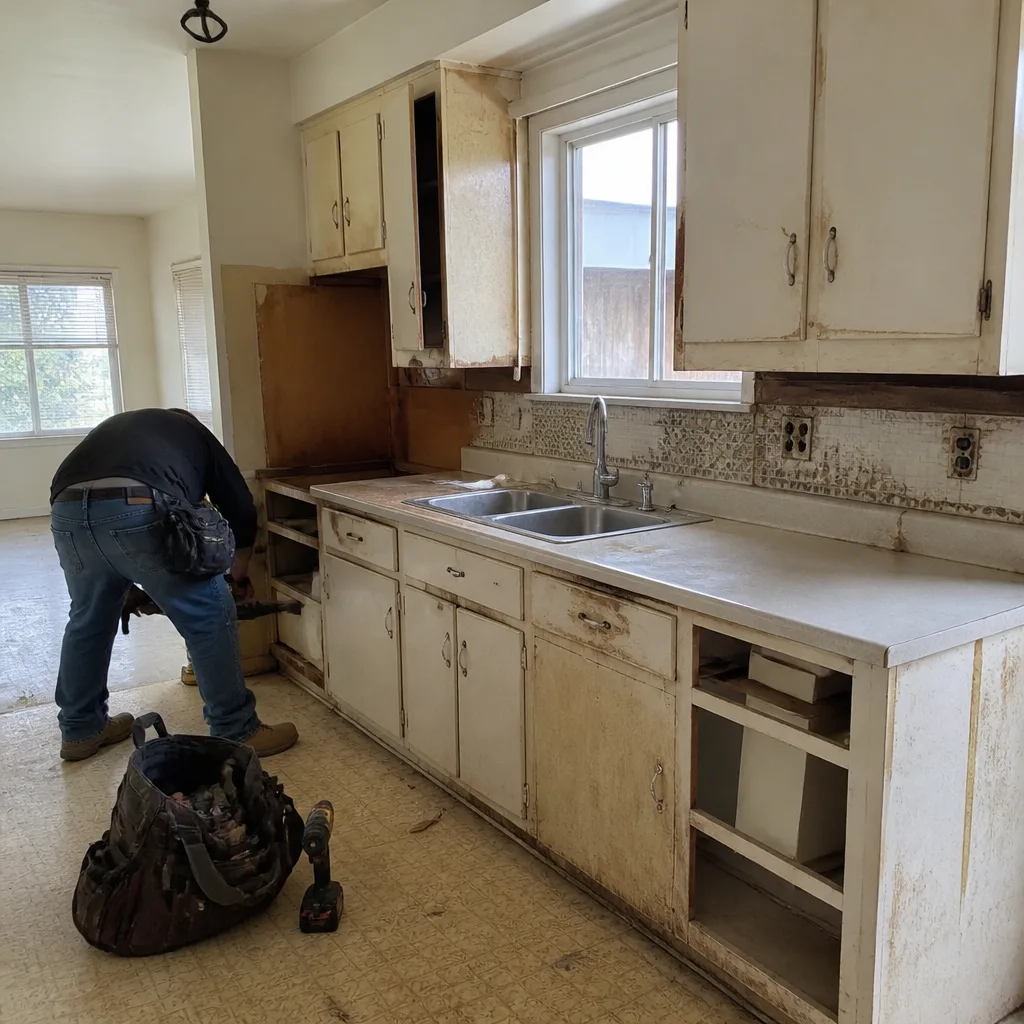
See the difference
 Before
 After
 Before
 After
 Before
 After
Replacement Cost & What’s Included
For a Huntington Beach home, here’s how the numbers break down. These are installed prices, parts and labor together, with a written line-item quote before any work starts.
| Work | Installed price range |
|---|---|
| Targeted fascia, trim or soffit repair | $400 – $1,800 |
| Full roof replacement (Hardie trim and fascia in scope) | $8,000 – $20,000 |
| Metal roof installation (Hardie trim interface included) | $15,000 – $40,000 |
| Tile roof repair at the trim and flashing transition | $600 – $2,500 |
What pushes a repair toward the top of the range: hidden rot in the framing behind the fiber-cement, more than one elevation involved, or matching a discontinued trim profile. What keeps it low: a single board swap with the flashing still sound. Every quote separates the parts cost from the labor so you can see what you’re paying for. The work carries the 365-Day Done Right Promise, and if a repair fails inside that window we come back at no charge, with no service call or re-inspection fee.
DIY or Call Us?
Some of this you can check yourself, safely. From the ground, look at the fascia and soffit for cracks, soft spots, peeling paint and open caulk joints. Check the ceiling inside the house after a rain for stains. Those checks cost nothing and tell you a lot.
Where DIY goes wrong: replacing fiber-cement trim at the roof edge often means getting onto the roof or working off a ladder at the eave, and working at that height is genuinely dangerous. Cut edges on fiber-cement need to be sealed and painted correctly or the new board fails the same way the old one did. And if the flashing is the real problem, swapping the board just hides it until the next rain. That’s roof-edge height work with a real fall risk, and it’s where we recommend a trained professional rather than a weekend project.
If your check turns up something, call (888) 329-8145. A real person answers, day or night, and we’ll give you a written price before any work begins.
FAQs
The board itself is built to last decades, but the paint film and caulk joints on it need refreshing every several years in coastal conditions, and that’s the part that determines real-world life. Salt air, sun and wind on the west-facing eaves accelerate paint failure, and once the paint goes the trim starts to fail. Call (888) 329-8145 for a look at what your specific trim needs.
Usually yes if only a board or two is involved and the framing behind it is sound. A single cracked trim board or a failed caulk joint is a repair, not a replacement, and it lands in the $400 – $1,800 range. Call (888) 329-8145 for an exact quote, and estimates are free.
A targeted fascia or trim repair is typically a short job, often a day or less depending on how much framing is behind the board and whether the flashing needs attention. A full roof replacement with Hardie trim in scope takes several days. We give you a defined arrival window and a written schedule before we start.
We match the specific James Hardie line and thickness on your home rather than substituting a generic fiber-cement board, and we tell you which line we’re using and why. If your existing trim is a discontinued profile, we’ll show you the closest match before ordering. Call (888) 329-8145 to get the right piece matched to your house.
We’ve also worked alongside KraftMaid cabinetry, Cambria and Silestone countertops on whole-home projects where the exterior and interior move together, so if your Huntington Beach home needs more than the roof edge, it’s one conversation.
Living with a roof-edge problem you can see is a slow leak waiting on the next storm. Give us a call at (888) 329-8145 for a free estimate on your Huntington Beach repair or replacement. You’ll get a written price before any work starts, background-checked uniformed technicians, and the 365-Day Done Right Promise in writing on the job. Our technicians have up to 22 years of experience, and we’re part of the Kingswell family of companies, operating each location independently under The Kingswell Way.
Written by the team at Penhallow Remodeling Huntington Beach, serving Huntington Beach and nearby areas.